


EXCLUSIVE: How King Charles is Related to Real-Life Count Dracula – And Cancer-Stricken Monarch is a Transylvania Property Tycoon!

King Charles and Vlad III Dracula have a connection.
Feb. 12 2026, Published 7:45 p.m. ET


King Charles is a distant descendant of Vlad the Impaler, the 15th-century ruler who inspired Bram Stoker's Dracula, and now owns multiple properties in the very region once ruled by his infamous ancestor, RadarOnline.com can reveal.
The 77-year-old British monarch's genealogical link to Vlad III Dracula, also known as Vlad Tepes, dates back more than 500 years. Vlad ruled Wallachia – part of modern-day Romania – intermittently between 1448 and 1476 and earned his brutal epithet for ordering enemies impaled on stakes.
King Charles and the Dracula Connection

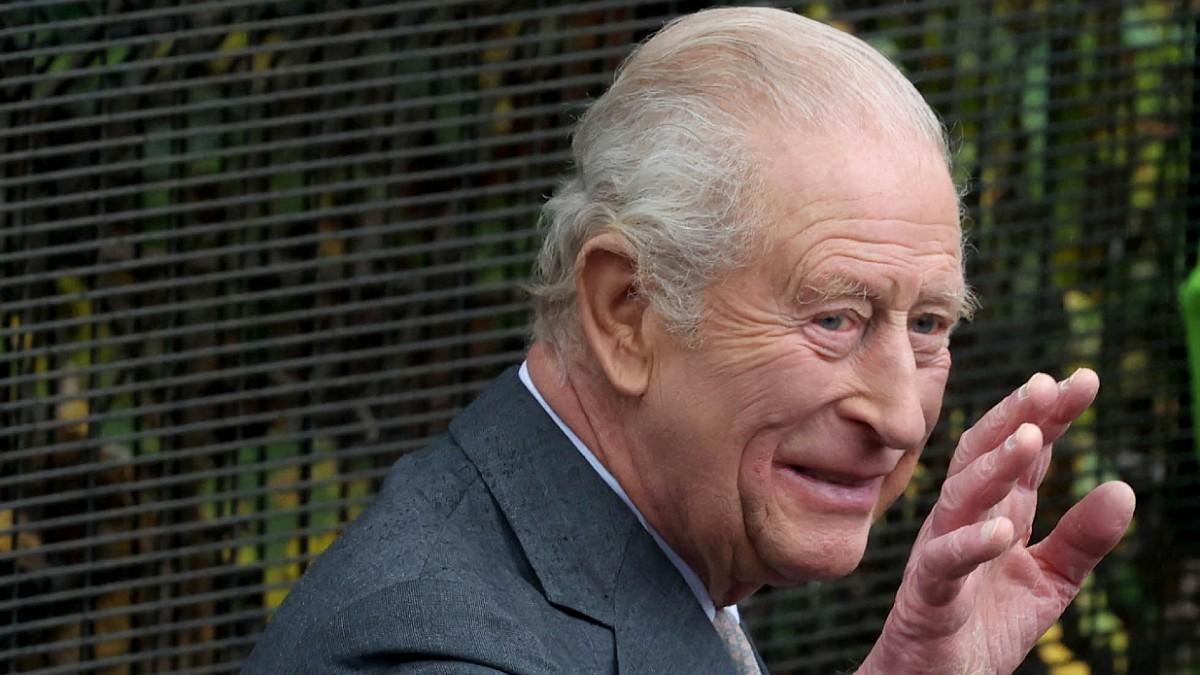
King Charles says he will 'support' cops as they consider allegations against his brother.
Charles is said to be Vlad's great-grandson 16 times removed, a lineage traced through Queen Mary, the wife of George V, and great-great-grandmother of Queen Elizabeth II.
The connection came to wider attention after Charles, then Prince of Wales, visited Transylvania in 1998 and later became a vocal advocate for conservation in the region. Royal author Robert Hardman, speaking on the Queens, Kings and Dastardly Things podcast, explained the dynastic link.
He said: "Queen Mary's original title was Mary of Teck. The Tecks were a minor princely house from Germany. Mary was meant to come over to Britain to marry the son and heir of Edward VII, the Duke of Clarence. The Duke died, and she ended up marrying George V. They had George VI, who then had Elizabeth II. That's the connection to Charles."
The genealogical claim is also supported in The British Chronicles by historian David Hughes, which traces Charles's ancestry back to Vlad. Vlad's reputation for cruelty – including the mass impalement of prisoners – later informed Bram Stoker's 1897 gothic novel Dracula, though the fictional vampire shares little beyond the name and a fearsome legend.
Historian Robert Hardman explained the dynastic connection on a podcast.
The King’s Private Estates
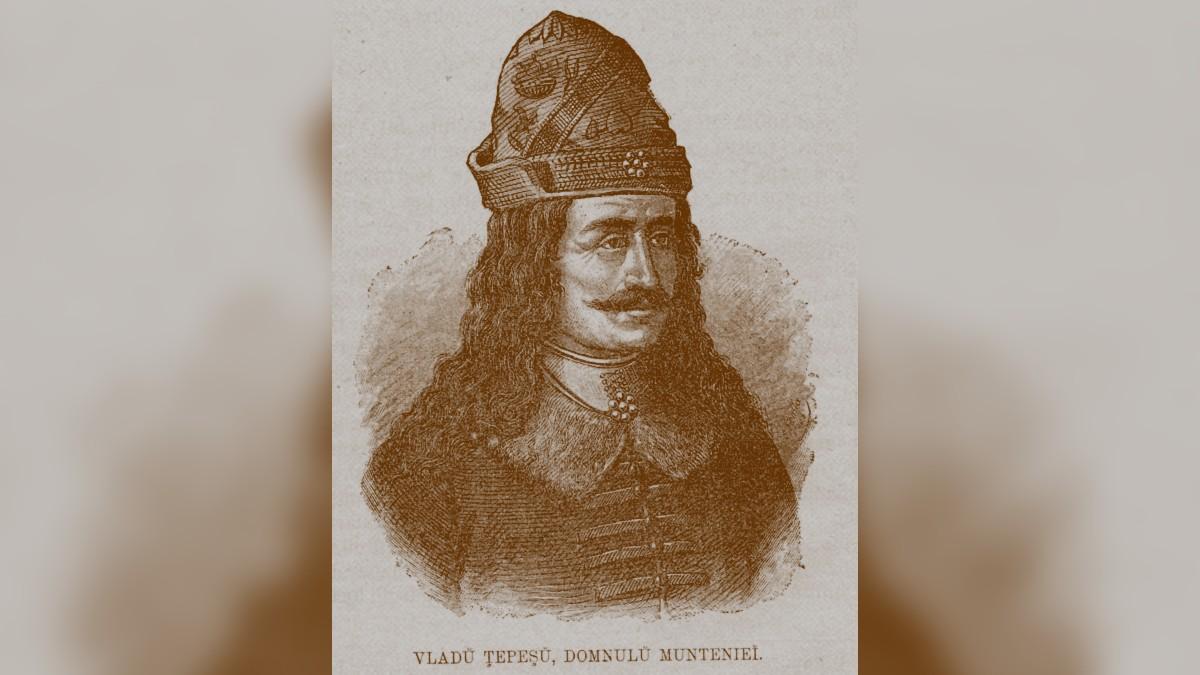
Vlad III Dracula ruled Wallachia in the 15th century.
Beyond ancestry, Charles has established a tangible presence in Transylvania. He owns several properties in the region, including homes in Viscri, the Zalán Valley, Malancrav, and Breb. Viscri is known for its pastel-colored houses and UNESCO-listed fortified church.
The Zalán Valley estate – formerly linked to one of his ancestors – comprises restored village buildings, forest, meadows, and mineral springs.
A regional tourism official expanded on the impact, saying: "The King's presence here has been nothing short of catalytic. Before his involvement, many of these villages were largely overlooked – picturesque, certainly, but economically fragile and facing depopulation as younger generations moved away.
"His decision to invest personally in traditional Saxon farmhouses and restore them with sensitivity sent a powerful signal that these communities and their heritage had value on an international stage."
Saving Romania’s Forgotten Villages

Never Miss an

Daily updates from the heart of Hollywood, right to your inbox
By entering your email and clicking Sign Up, you’re agreeing to let us send you customized marketing messages about us and our advertising partners. You are also agreeing to our Terms of Service and Privacy Policy.

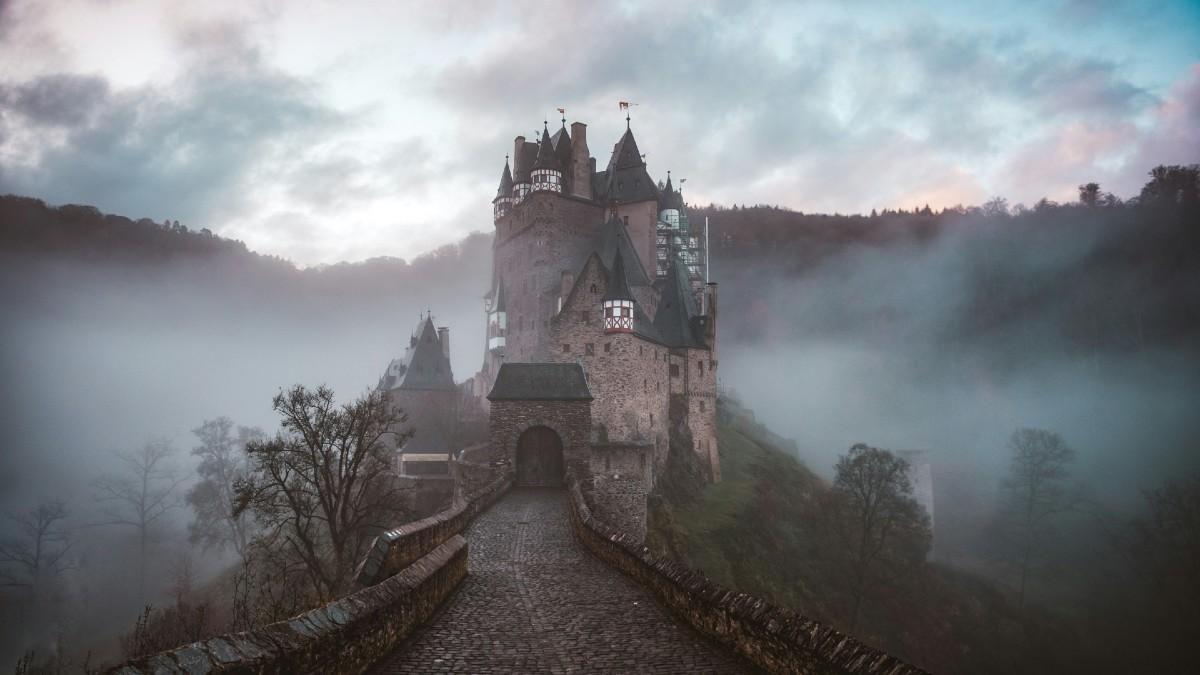
Charles transformed Saxon farmhouses into conservation-focused guesthouses.
They continued: "By transforming historic properties into guesthouses rather than modern developments, he has helped create a model of tourism rooted in conservation rather than exploitation. Visitors are not coming for theme-park nostalgia – they are staying in authentic buildings, eating locally sourced food, and engaging with traditional crafts. That approach has redirected attention toward sustainability and long-term stewardship.
"In practical terms, it has generated jobs, encouraged small-scale entrepreneurship, and renewed pride among residents. What were once quiet, almost forgotten rural settlements are now firmly on the global travel map.
"The King's endorsement has drawn environmentally conscious travelers who might otherwise never have discovered this corner of Romania. In many ways, his involvement has reframed Transylvania's identity – away from gothic myth and toward cultural preservation and ecological responsibility."
Through the Prince's Foundation, Charles has supported sustainable farming, heritage conservation, and rural crafts in Romania. Hungarian Countess Klaudia Rhedey, a 19th-century ancestor of Queen Elizabeth II, was also born in Transylvania, strengthening the royal family's historical ties to the region.
One Romanian mayor has even proposed awarding Charles the honorary title of Prince of Transylvania in recognition of his advocacy.
