


EXCLUSIVE: Green-Fingered King Charles 'Has Turned Into Garden Forager' As He Desperately Seeks Cancer Cure

King Charles is reportedly foraging in his gardens for a cancer cure.
May 10 2026, Published 11:30 a.m. ET


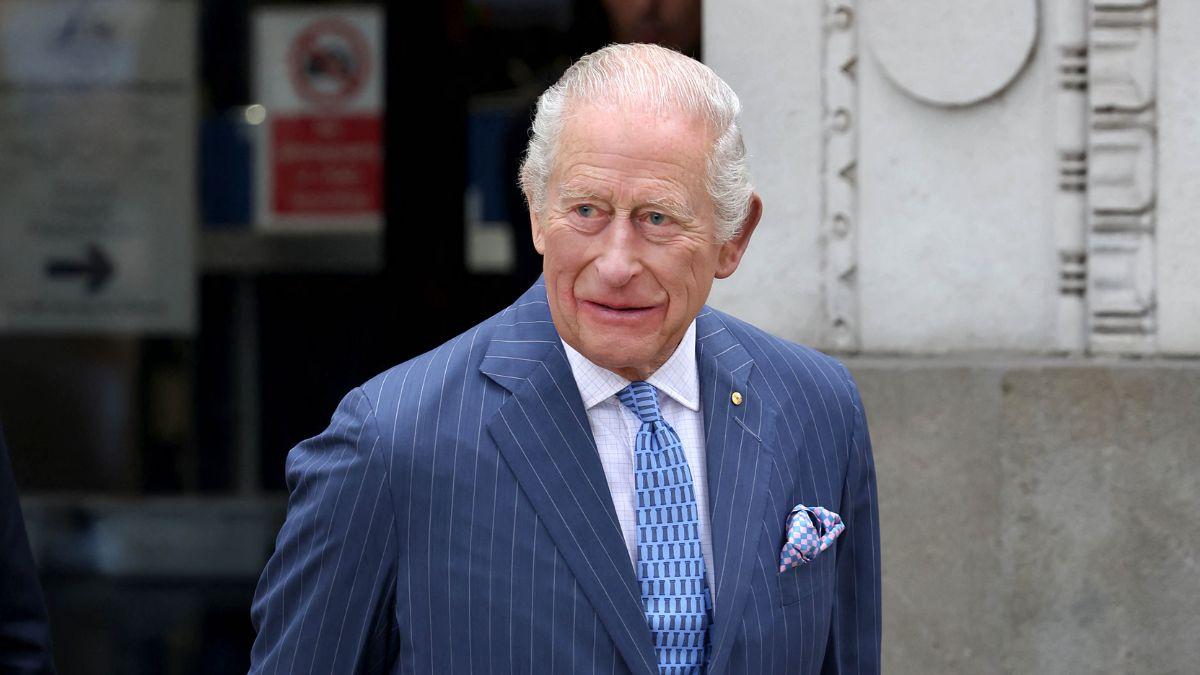
King Charles is said to have intensified his already disciplined lifestyle by turning to homegrown produce and foraging habits as he navigates cancer treatment, with insiders telling RadarOnline.com the monarch is increasingly focused on diet as part of his personal response to illness.
Charles, 77, was diagnosed with cancer in 2024, prompting a renewed effort on his part to commit to his health, as well as sustainability and organic living.
Low Carbon Diet And Foraging Lifestyle

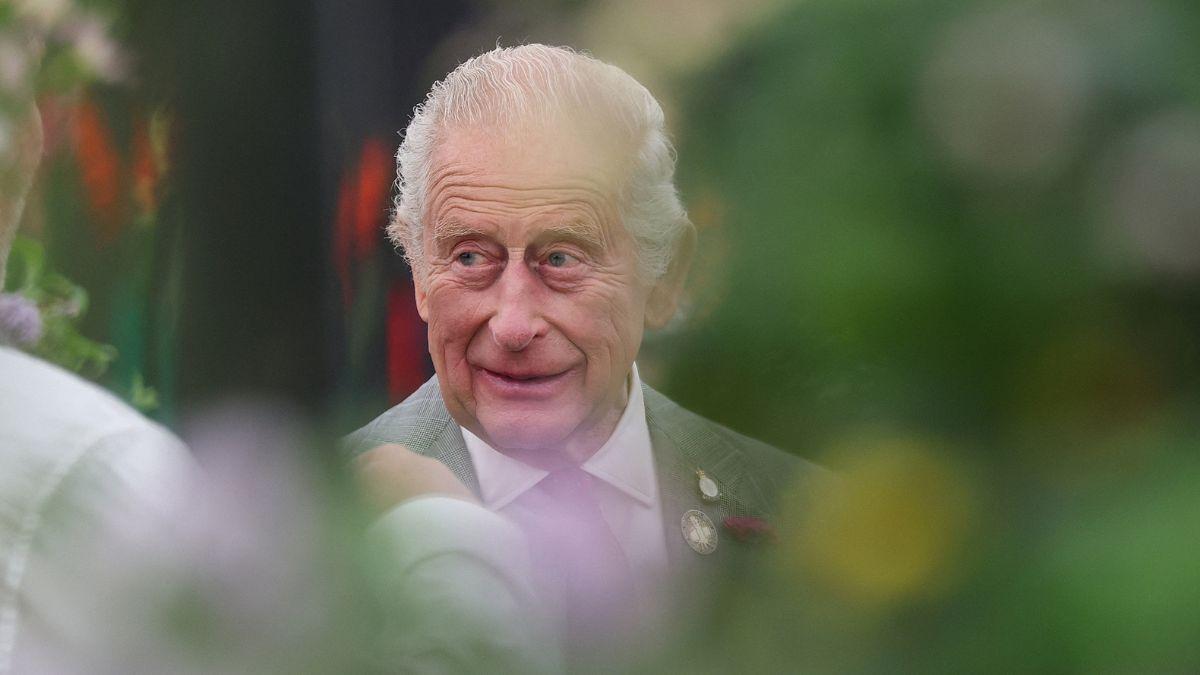
King Charles intensified his disciplined lifestyle following a 2024 cancer diagnosis.
The King has long championed a "low carbon" diet, favoring vegetables grown at his Gloucestershire residence, Highgrove House, alongside eggs from his own chickens.
His wife Queen Camilla, 78, has previously described him as a "mountain goat" in reference to his energy and enthusiasm for walking, while aides have noted his adherence to a daily 11-minute exercise routine developed by the Royal Canadian Air Force.
A source told us: "Charles has always taken a very deliberate and thoughtful approach to his diet, but since his diagnosis that focus has intensified quite dramatically.
"What was once a strong interest has evolved into something far more hands-on – he's now deeply involved in where his food comes from, paying close attention to how it's grown, and showing a near-fixation on keeping everything as natural and unprocessed as possible. He has basically become a garden forager, picking a lot of what goes on his plate for his chefs."
Diet Focus Intensifies During Cancer Treatment
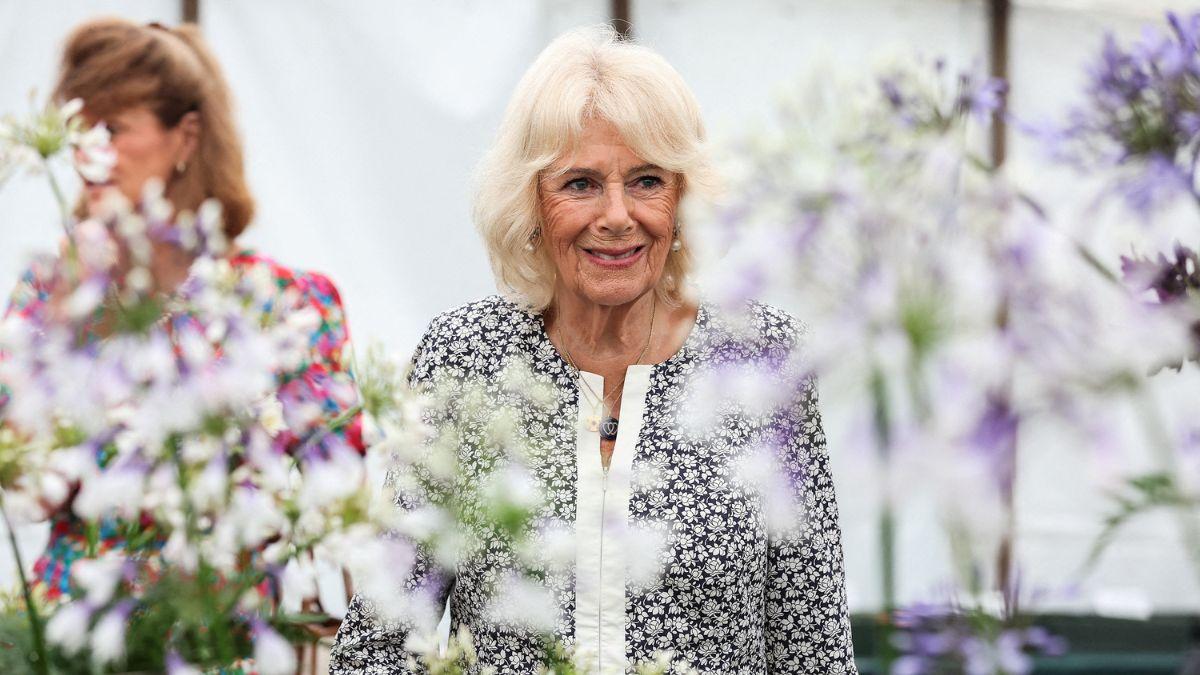
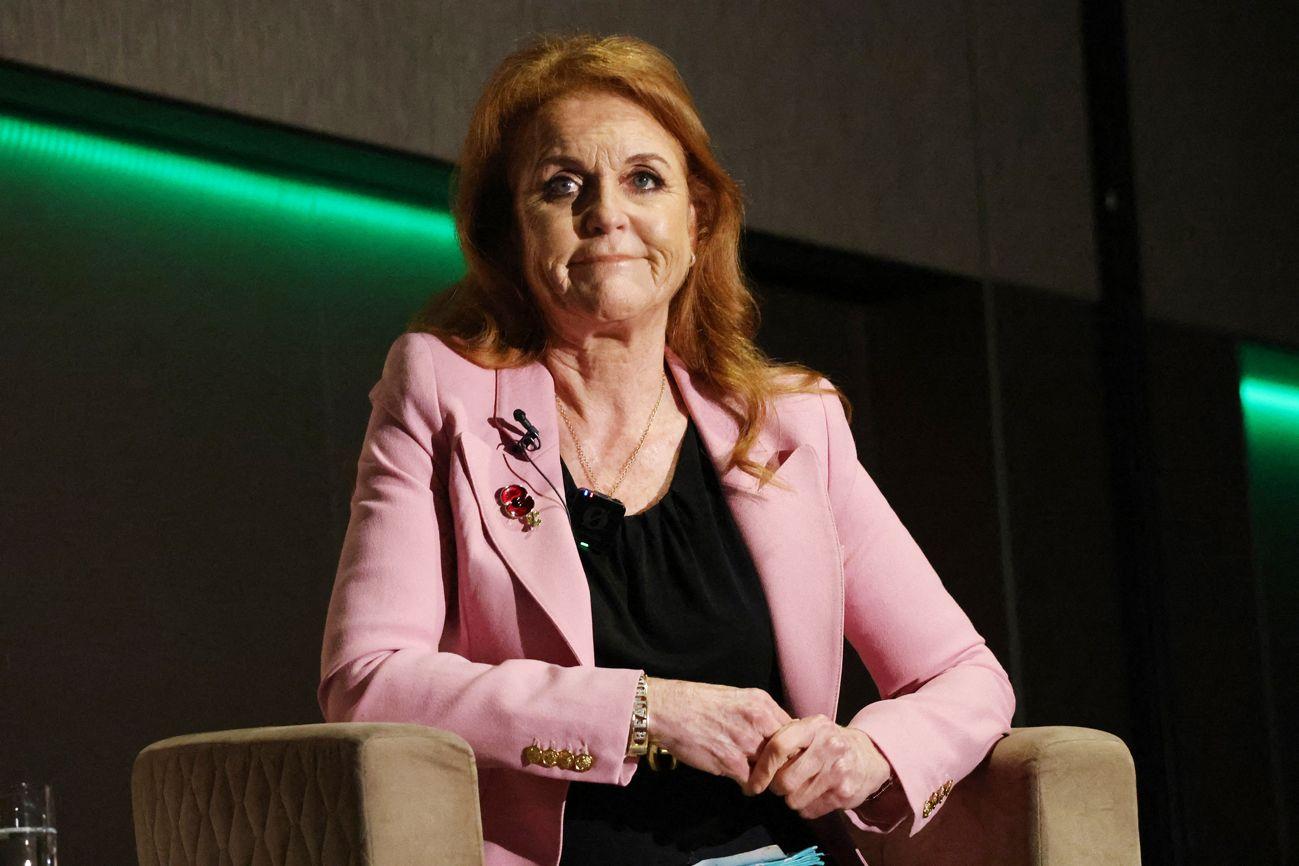
Queen Camilla compared her husband's high energy levels to those of a mountain goat.
The insider added: "There's a clear sense among those around him that this goes beyond simply maintaining a healthy routine.
"He appears to be leaning into the idea that carefully sourced, organic ingredients could play a meaningful role in supporting his body during treatment. It's not being presented as a medical solution, but more as a complementary approach – doing everything within his control to optimize his wellbeing while he undergoes care.
"He's spending more time in the gardens and surrounding land, personally overseeing what's grown and even taking an interest in foraging. In his mind, this connection to natural produce is about giving himself the best possible chance – it's not being framed publicly as a 'cure,' but privately there's a belief that it can support his overall health during treatment."
Royal Eating Habits Shift After Diagnosis
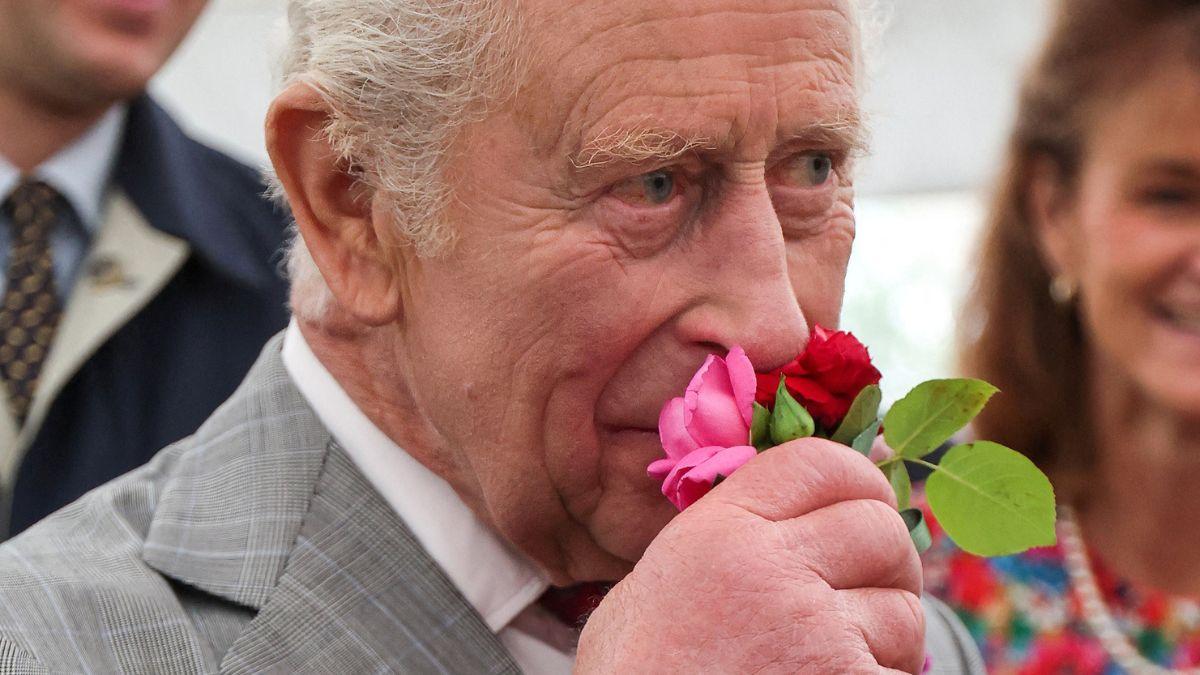
Charles practiced a daily eleven-minute exercise routine developed by the Royal Canadian Air Force.
Charles' dietary habits have long been unconventional.
According to royal accounts, he historically skipped lunch altogether, viewing it as an interruption to his working day.
However, following his diagnosis, he is understood to have been encouraged by doctors and aides to adopt a more regular eating pattern and compromising with lighter options for lunch such as avocado to sustain his energy levels.
Breakfast remains a protein-rich affair, often featuring eggs from Highgrove's chickens.
The King also has a preference for seeds and nuts.
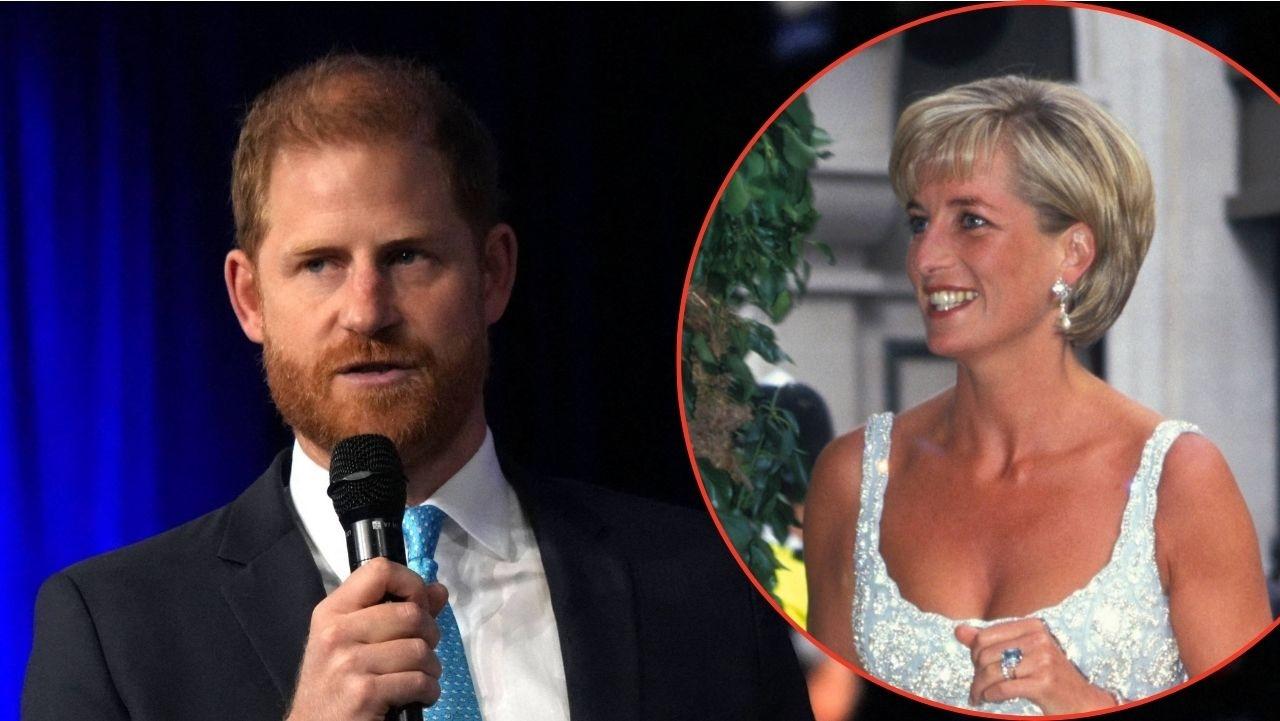
Organic Food And Routine Provide Stability

Never Miss an

Daily updates from the heart of Hollywood, right to your inbox
By entering your email and clicking Sign Up, you’re agreeing to let us send you customized marketing messages about us and our advertising partners. You are also agreeing to our Terms of Service and Privacy Policy.
Darren McGrady highlighted the King's long-standing interest in natural food sources.
His broader diet continues to reflect his environmental principles.
Charles told the BBC in 2021: "For years I haven't eaten meat and fish on two days a week and I don't eat dairy products on one day a week."
Former royal chef Darren McGrady has also highlighted Charles' interest in foraging, recalling occasions where the royal has gathered wild mushrooms at Balmoral, later used in dishes such as risotto.
Charles' precise preferences are said to include a soft-boiled "coddled" egg served with meals – and aversions to chocolate, coffee and garlic.
A palace aide said: "Charles' relationship with food has taken on a much deeper significance.
"At a time when so much is out of his hands, his diet has become something he can actively manage and shape, giving him a sense of structure and control day to day.
"By leaning into homegrown produce and sticking to very disciplined eating habits, he's effectively using nutrition as a way to reinforce his resilience and control over his health.
"It's also about supporting his body as much as possible while he continues to meet the demands of his role – creating a routine that not only sustains him physically, but also provides a degree of stability while he navigates treatment."
