


King Charles Dubbed Government's 'Secret Weapon' After Caribbean Tour Sparks Tensions Over Slavery Reparations

The tour concluded at the Commonwealth Heads of Government Meeting in Antigua and Barbuda.
Nov. 6 2026, Published 10:41 a.m. ET


King Charles III has been described as the British government's "secret weapon" after a politically sensitive nine-day Caribbean tour brought renewed attention to calls for an apology and reparations for Britain's role in the transatlantic slave trade.
A senior royal aide remarked after Charles visited The Bahamas, Guyana and Antigua and Barbuda from October 27 to November 4, with Queen Camilla joining him for the final leg of the trip.
The tour included 34 engagements and culminated in the Commonwealth Heads of Government Meeting (CHOGM) in Antigua and Barbuda.
Although the King stopped short of apologizing or promising financial compensation, his acknowledgment of the suffering caused by slavery was welcomed by some Commonwealth leaders.
The visit also highlighted the delicate balance between his constitutional responsibilities and the government's changing position on Britain's colonial history.

Slavery Reparations Debate Dominated King Charles' Caribbean Tour
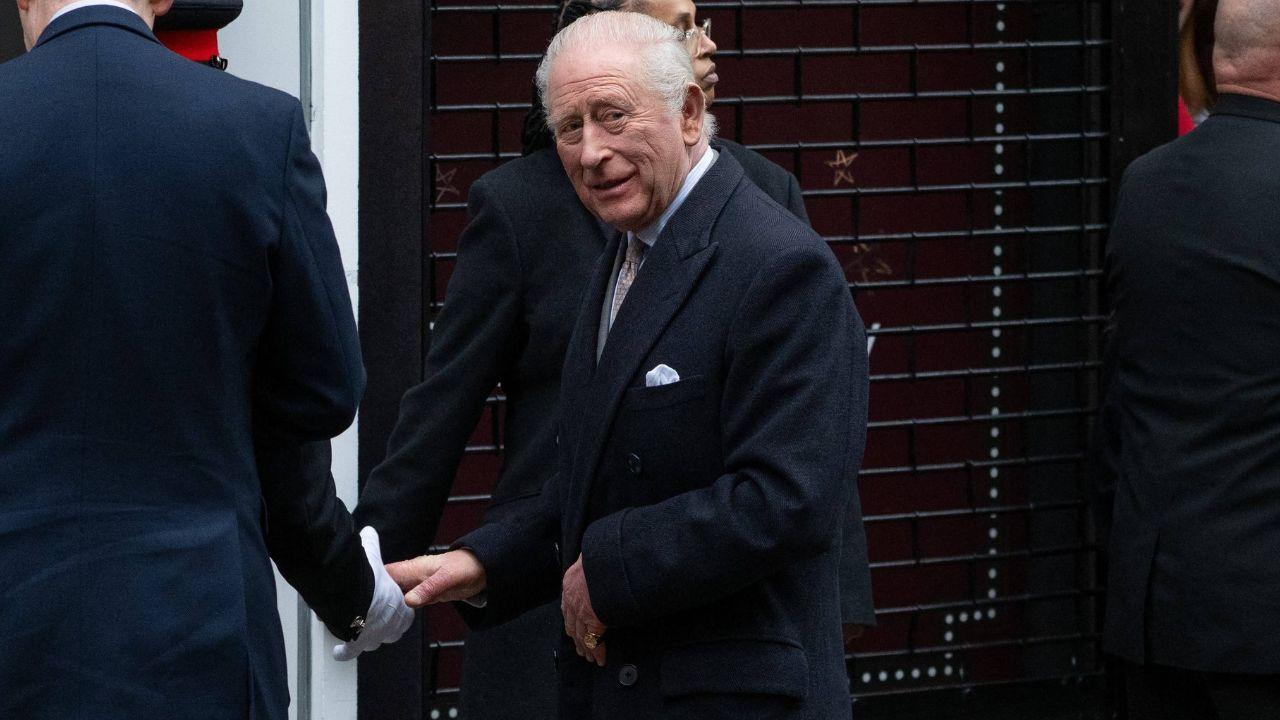
Charles expressed sorrow over past suffering but did not issue a formal apology or offer compensation.
Leaders in all three countries called for reparatory justice, including a formal apology and compensation for the lasting consequences of slavery.
During his November 3 address to Commonwealth leaders, Charles acknowledged that the transatlantic slave trade continued to affect Caribbean nations and other Commonwealth members.
"The transatlantic trade in enslaved persons still casts a shadow over these islands and other members of our Commonwealth," he said. He later described it as a "shameful chapter" that filled his heart with horror and his soul with "the most profound personal sorrow."
However, his remarks stopped short of the formal apology sought by reparations campaigners.
The debate gained further attention after British Prime Minister Andy Burnham said he was open to calls for an official apology. However, he ruled out financial reparations, arguing that people living today should not be held financially responsible for historical wrongs.
Burnham also proposed structured discussions with affected communities and countries. A senior palace aide confirmed that Buckingham Palace had been informed of the prime minister's position before his public intervention.
King Charles' 'Secret Weapon' Role Puts Him in Politically Sensitive Situations
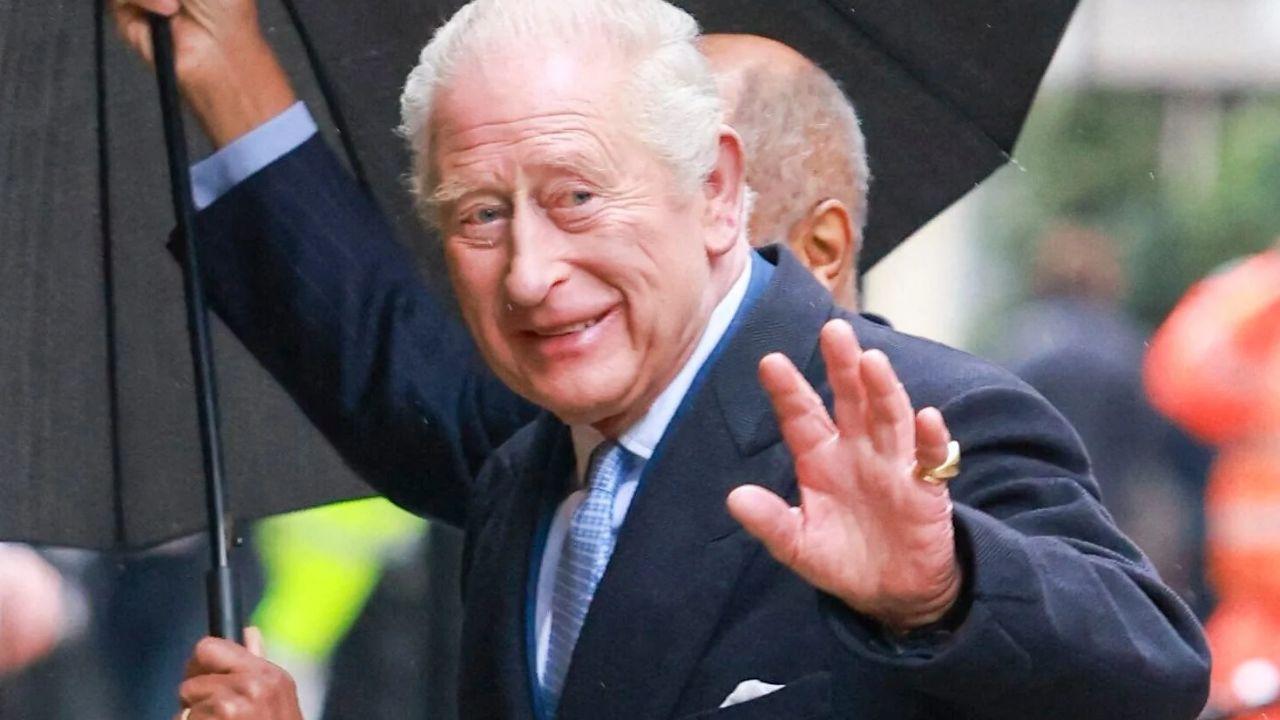
Prime Minister Andy Burnham said he was open to Britain apologizing for its role in slavery.
The royal aide suggested the government increasingly relies on Charles to handle diplomatic situations where his position can help establish connections that politicians might struggle to make.
"We have to tread quite a careful line sometimes between government policy and the King's role," the aide said.
The aide described the Caribbean visit as challenging and exhausting but praised the monarch's diplomatic approach, saying he had demonstrated "statecraft both by word and deed."
Buckingham Palace has maintained that the King must act on the advice of the elected government. His comments on slavery therefore need to be understood within the constitutional limits of his position.
Charles has also undertaken diplomatic visits to the United States, Canada, Germany and France as part of efforts to strengthen Britain's international relationships.
Caribbean Nations Continue to Question the Future of the Monarchy

Never Miss an

Daily updates from the heart of Hollywood, right to your inbox
By entering your email and clicking Sign Up, you’re agreeing to let us send you customized marketing messages about us and our advertising partners. You are also agreeing to our Terms of Service and Privacy Policy.
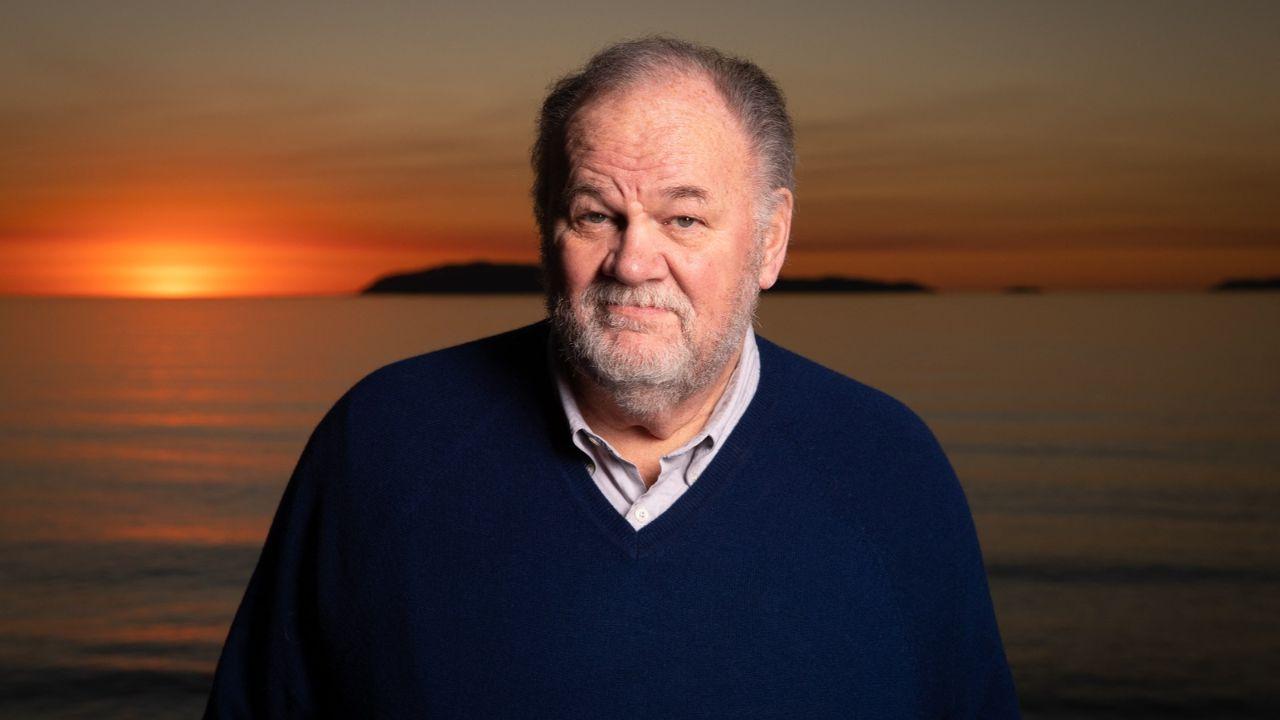
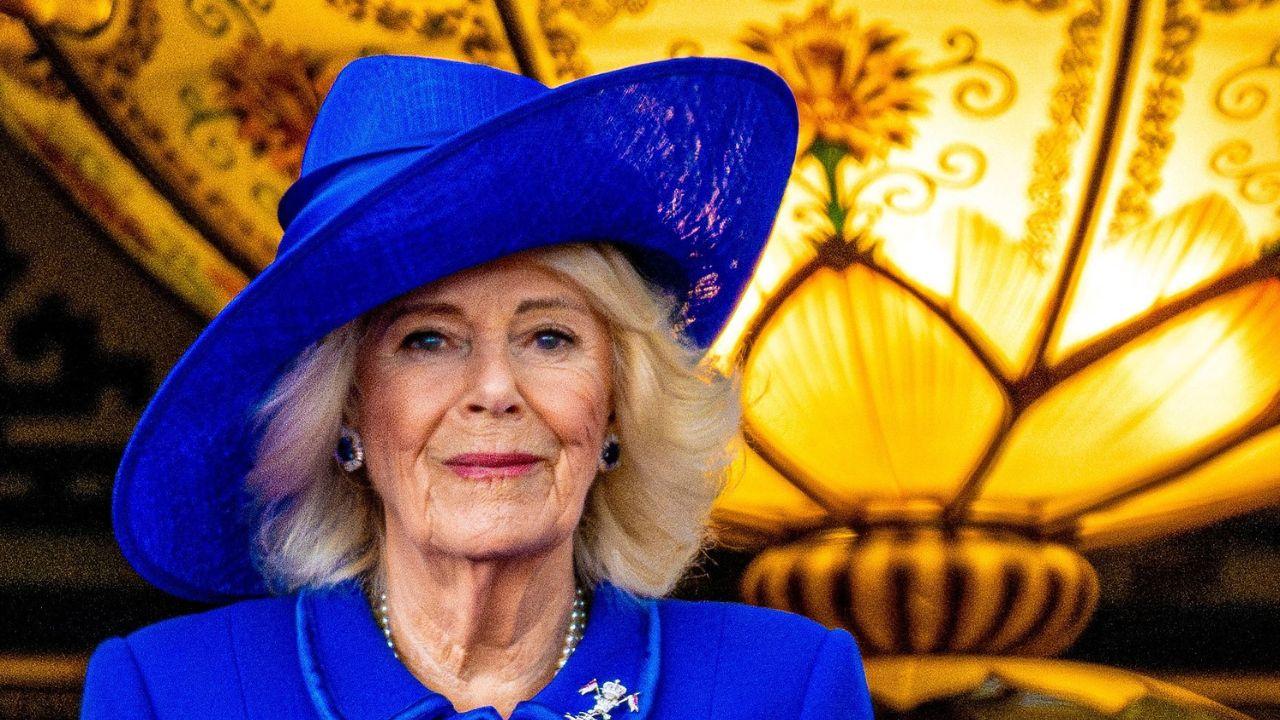
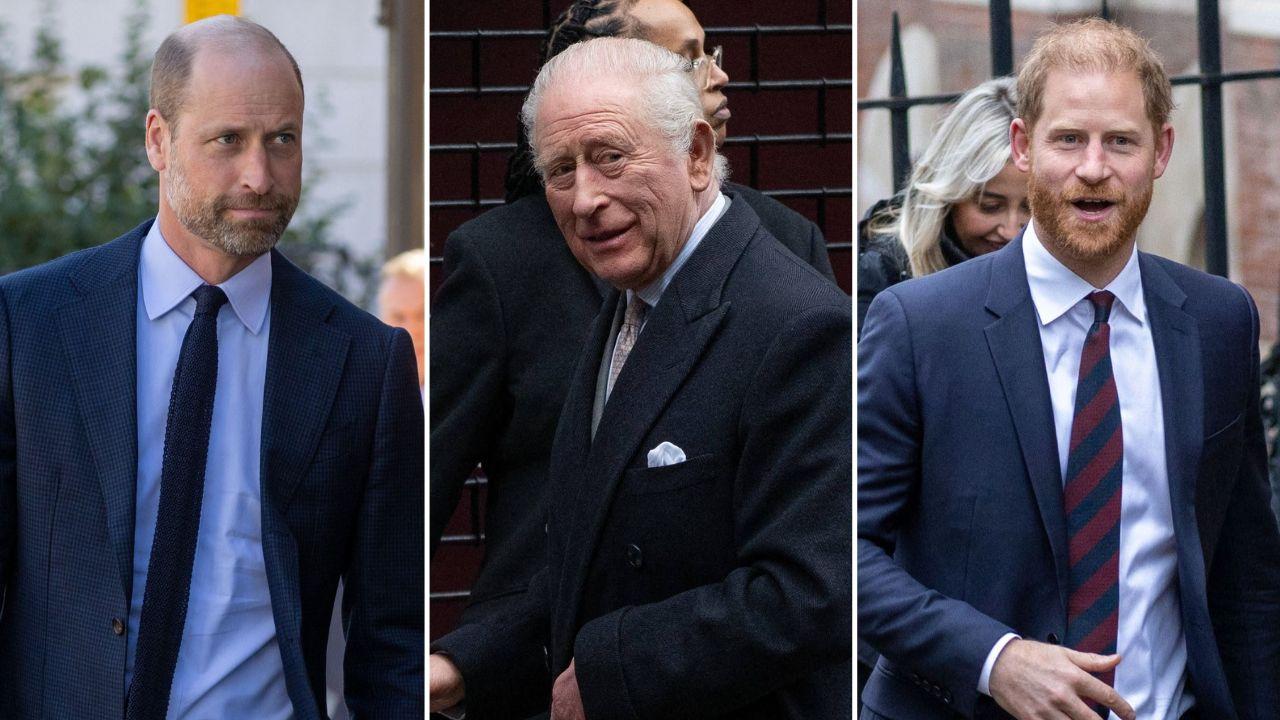
A senior royal aide called the King the government’s “secret weapon” in sensitive diplomatic situations.
The tour also brought renewed attention to the monarchy's position in the Caribbean, where several countries have considered becoming republics.
Antigua and Barbuda Prime Minister Gaston Browne has supported structured discussions about slavery and colonialism while backing moves toward a different constitutional arrangement.
Barbados became a republic in 2021, removing the British monarch as its head of state.
The palace aide acknowledged that individual countries should decide whether they want to retain the monarchy.
"The King and the royal family are there to serve the people of these regions for as long as they wish," the aide said, adding that a different arrangement could be found if countries no longer wanted the royal family in that role.
