


EXCLUSIVE: King Charles 'No Longer Cares About Stepping on Politicians' Toes'

King Charles allegedly has become less concerned about upsetting politicians with his actions.
Nov. 4 2026, Published 7:25 p.m. ET


King Charles has delivered another pointed intervention on the legacy of slavery, with sources telling RadarOnline.com the ageing monarch is increasingly prepared to confront political sensitivities despite his constitutional position.
The 77-year-old King made the slavery remarks in Antigua during the penultimate day of his Caribbean tour, which has been dominated by calls for apologies for slavery and demands for reparations.
King Charles Breaks Silence on Slavery

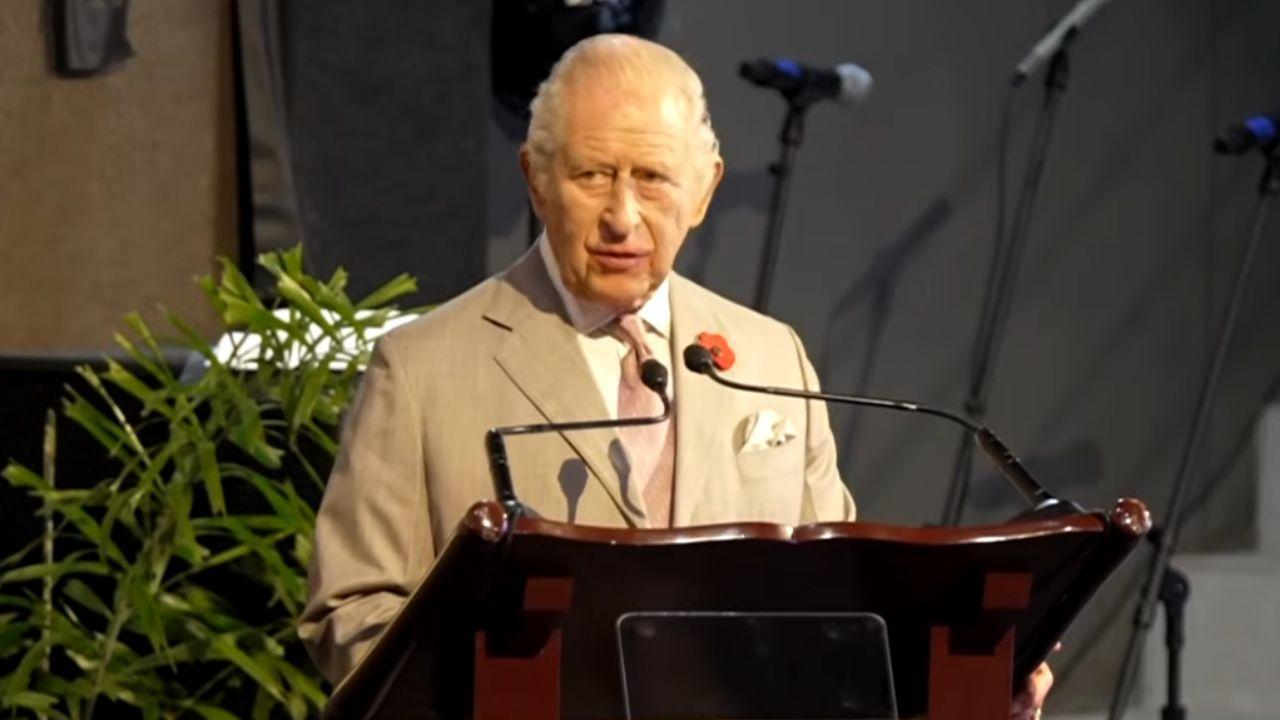
King Charles addressed slavery during his Caribbean tour in Antigua.
His comments came at the Commonwealth Heads of Government Meeting, as leaders from 56 nations gathered to discuss the future of the organization.
In his opening address, Charles described the transatlantic slave trade as a "shameful chapter of history," adding: "As I have said before, that shameful chapter of history is one that fills my heart with horror and my soul with the most profound personal sorrow.
"Yet history also teaches us that evil need not have the last word: that character and courage can combine to overcome the most monstrous injustice, as they did with the determination to end international trade in enslaved people, in which the Royal Navy played such a leading role."
Charles later acknowledged the lasting consequences of slavery, saying: "The transatlantic trade in enslaved persons still casts a shadow over these islands and other members of our Commonwealth."
Charles Faces Growing Reparations Pressure
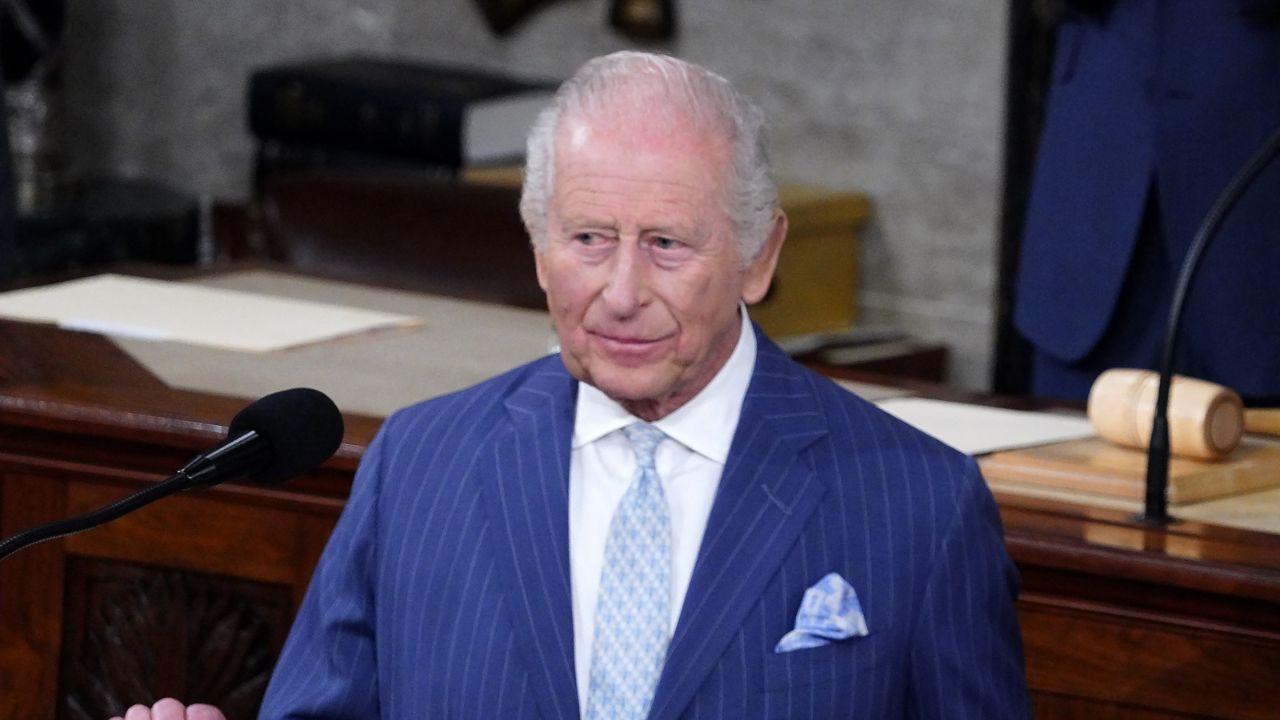
King Charles faced renewed pressure over Britain's role in the slave trade.
The King has received warm welcomes during visits to the Bahamas, Guyana and Antigua and Barbuda, despite political pressure in the region over reparations and the possibility of some countries becoming republics.
Buckingham Palace sources have previously suggested Charles is constrained by his constitutional position, which prevents him from departing from official government policy. But his latest remarks have again placed the monarchy's historical role in the debate.
Charles also spoke of his own efforts to understand the consequences of slavery, climate change and economic inequality, saying: "The more I have furthered my own understanding of the issues, through listening, learning and looking, the more committed I have become to finding ways for us to work in modern partnership to address the wrongs of the past with action for the future."
Palace Insider Reveals King's Determination
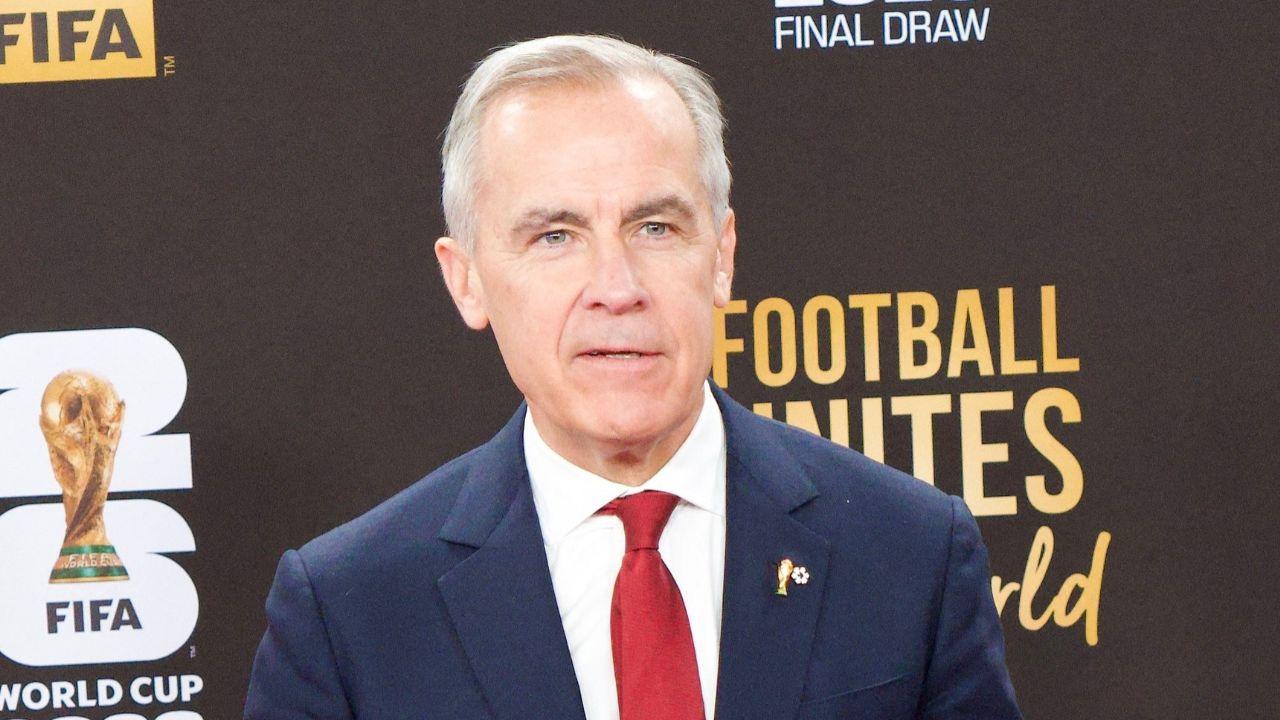
Canadian Prime Minister Mark Carney praised King Charles' speech as very good.
The speech was praised by Canadian Prime Minister Mark Carney, who called it "very good."
British prime minister Andy Burnham, who was also at the event, responded: "Perfect, well done."
Burnham has said he is open to Britain apologizing for slavery and is due to offer $50millon for Caribbean green energy schemes, alongside plans to help poorer Commonwealth countries facing higher debt costs.
A source close to the royal household told us: "Charles is getting older and has become increasingly conscious that there is only so much time to make his position clear. He is less concerned about whether difficult conversations make politicians uncomfortable.
"He essentially no longer cares about stepping on politicians' toes. There is a growing sense that he does not want tradition to prevent him from speaking about issues he believes matter. He understands the constitutional boundaries, but he also wants his own voice to be heard on issues close to his heart."
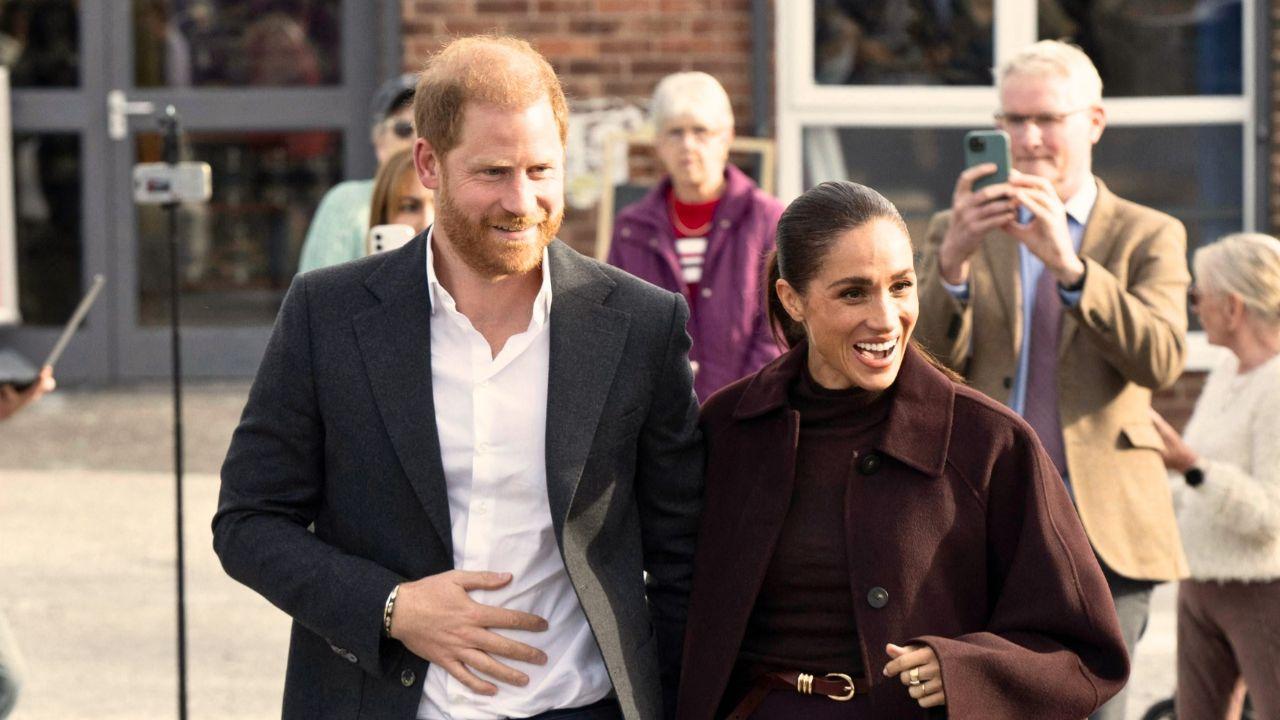
Why the King Must Remain Politically Neutral

Never Miss an

Daily updates from the heart of Hollywood, right to your inbox
By entering your email and clicking Sign Up, you’re agreeing to let us send you customized marketing messages about us and our advertising partners. You are also agreeing to our Terms of Service and Privacy Policy.
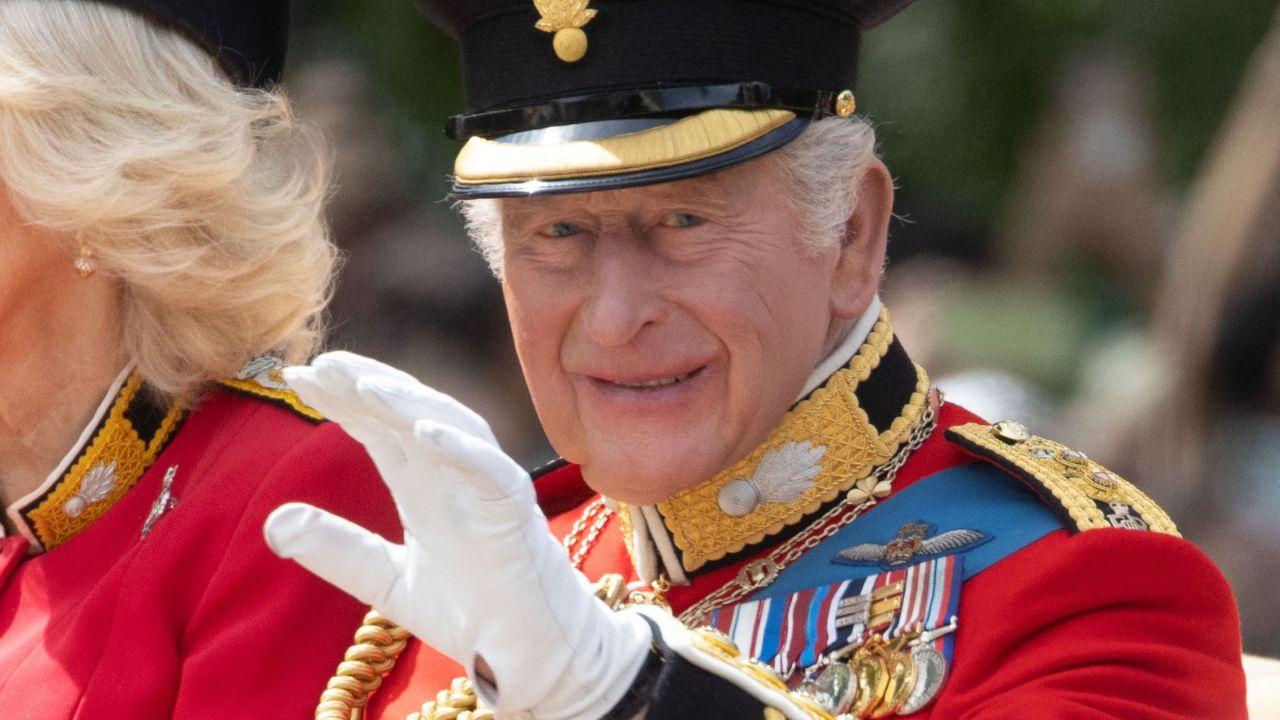
Royal neutrality kept the King from publicly campaigning on political issues.
The British monarchy's political neutrality has developed over centuries as royal power gradually gave way to parliamentary democracy.
Following the Glorious Revolution of 1688 and the constitutional settlement that followed, the monarch's ability to govern independently was increasingly restricted.
Today, the King is expected to remain above party politics and act on the advice of elected ministers.
The ancient convention allows the monarch to privately advise, encourage and warn the Prime Minister, but not publicly campaign for political positions or interfere in government policy.
