


EXCLUSIVE: Judge Orders Attorneys to Reveal Deposition Schedule In Civil Case Over Death of Karen Read's Boyfriend John O'Keefe

According to a newly issued order signed by Superior Court counsel must provide the court with details of any depositions.
June 12 2026, Published 7:12 p.m. ET


A Massachusetts judge has stepped into the increasingly contentious civil litigation surrounding the death of John O’Keefe, ordering attorneys to disclose their deposition plans as the case against Karen Read and several businesses continues to unfold, RadarOnline.com can reveal.
According to a newly issued order signed by Superior Court Judge Justice Mark C. Gildea, counsel must provide the court with details of any depositions that have already been noticed on behalf of their clients, including the identity of each deponent as well as the scheduled date and time.
Family of Boston Police Officer Wants Answers


The civil case was brought by O’Keefe’s family, including his estate and relatives, against Read.
The directive requires attorneys to submit the information to the clerk by noon on June 12, signaling the court’s effort to organize discovery as the high-profile wrongful death lawsuit moves forward.
The civil case was brought by O’Keefe’s family, including his estate and relatives, against Read, C&C Hospitality, G&S Hospitality and Waterfall Bar & Grill over the January 2022 death of the Boston police officer.
The latest order comes amid mounting disputes over discovery and scheduling between the parties.
Attorneys Asked That The Motion Be Withdrawn
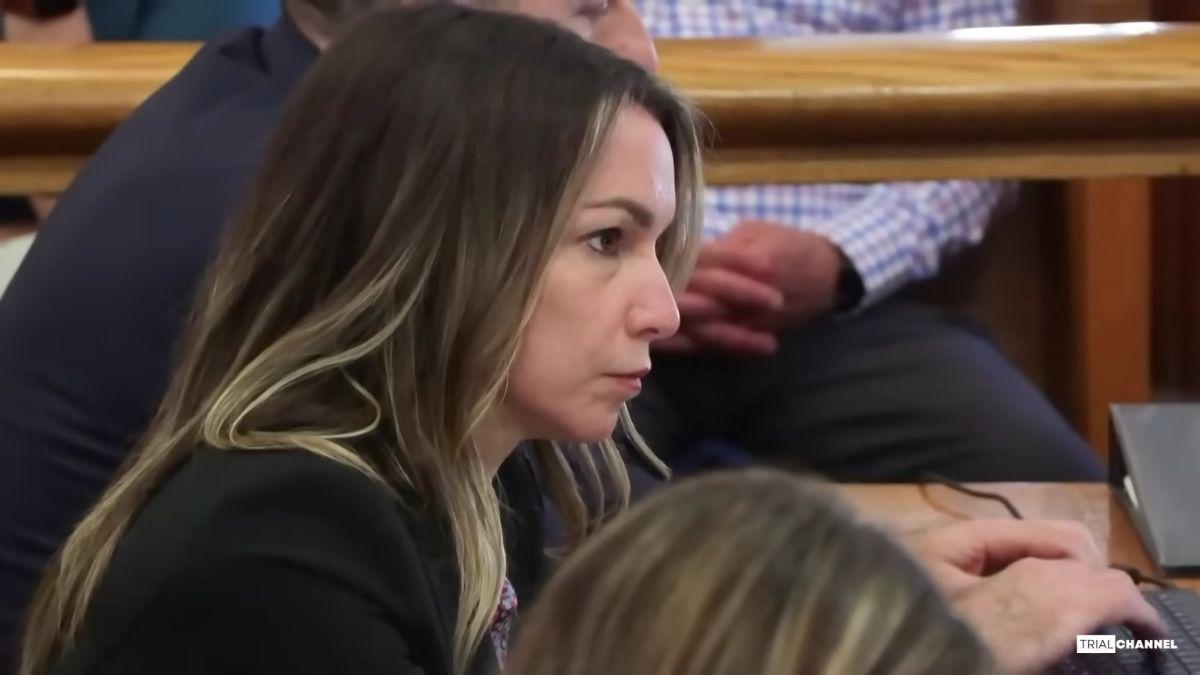
Read's attorneys accused the plaintiffs of attempting to generate unnecessary conflict rather than cooperating during discovery.
In a separate filing obtained by Radar, Read’s legal team opposed the plaintiffs’ motion seeking to compel additional document production, arguing the requested written responses had already been served and that document production was already underway. Her attorneys accused the plaintiffs of attempting to generate unnecessary conflict rather than cooperating during discovery.
Read’s lawyers claimed the motion was filed without first conferring with defense counsel and argued the plaintiffs waited more than a month before filing it despite allegedly never following up about the missing responses. They further maintained that the delayed production should not affect the deposition schedule because responsive materials were already being provided.
The filing also references email exchanges between counsel in which Read’s attorneys asked that the motion be withdrawn after the responses were served, while plaintiffs instead expressed concern that the late discovery could impact how depositions proceed.
The Judge is Aiming To Bringing Clarity To This Case
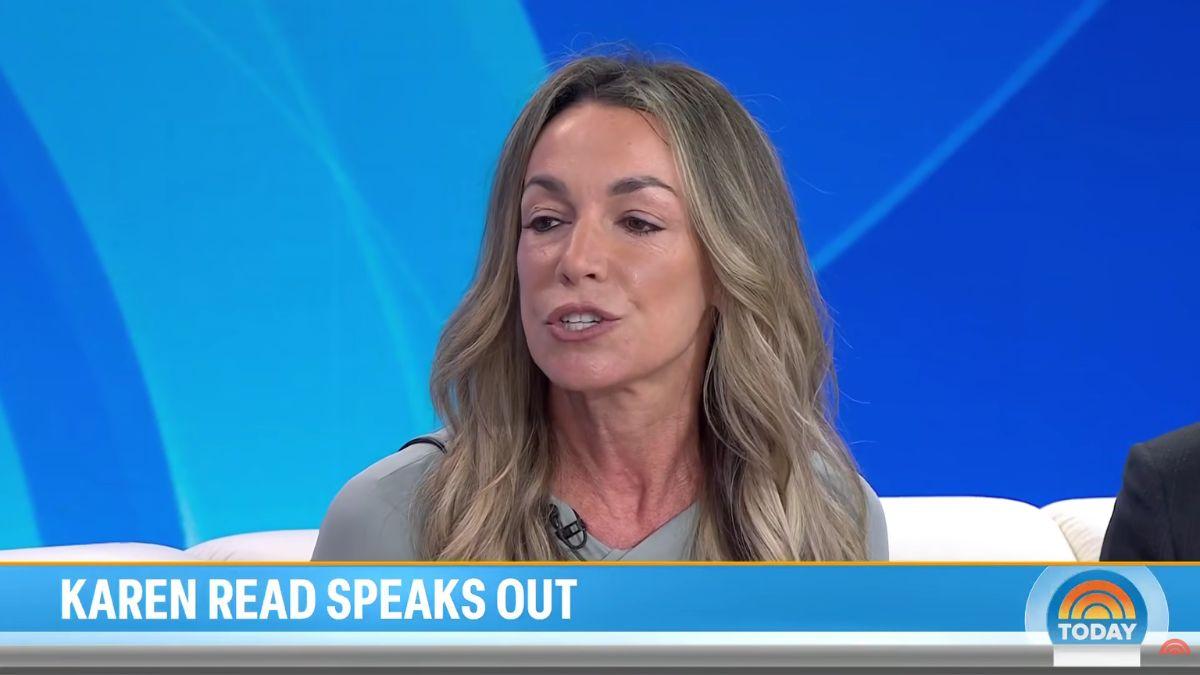
Explosive allegations filed in the case accusing Read of participating in a years-long campaign targeting key witnesses.
Now, Judge Gildea’s latest directive appears aimed at bringing greater clarity to that process by requiring lawyers to disclose precisely which depositions have been noticed and when they are expected to take place.
The order marks another significant development in the sprawling civil battle that has unfolded alongside the criminal proceedings involving Read.
Radar previously reported on explosive allegations filed in the case accusing Read of participating in a years-long campaign targeting key witnesses connected to the investigation into O’Keefe’s death.


Continue Battling Over Evidence

Never Miss an

Daily updates from the heart of Hollywood, right to your inbox
By entering your email and clicking Sign Up, you’re agreeing to let us send you customized marketing messages about us and our advertising partners. You are also agreeing to our Terms of Service and Privacy Policy.
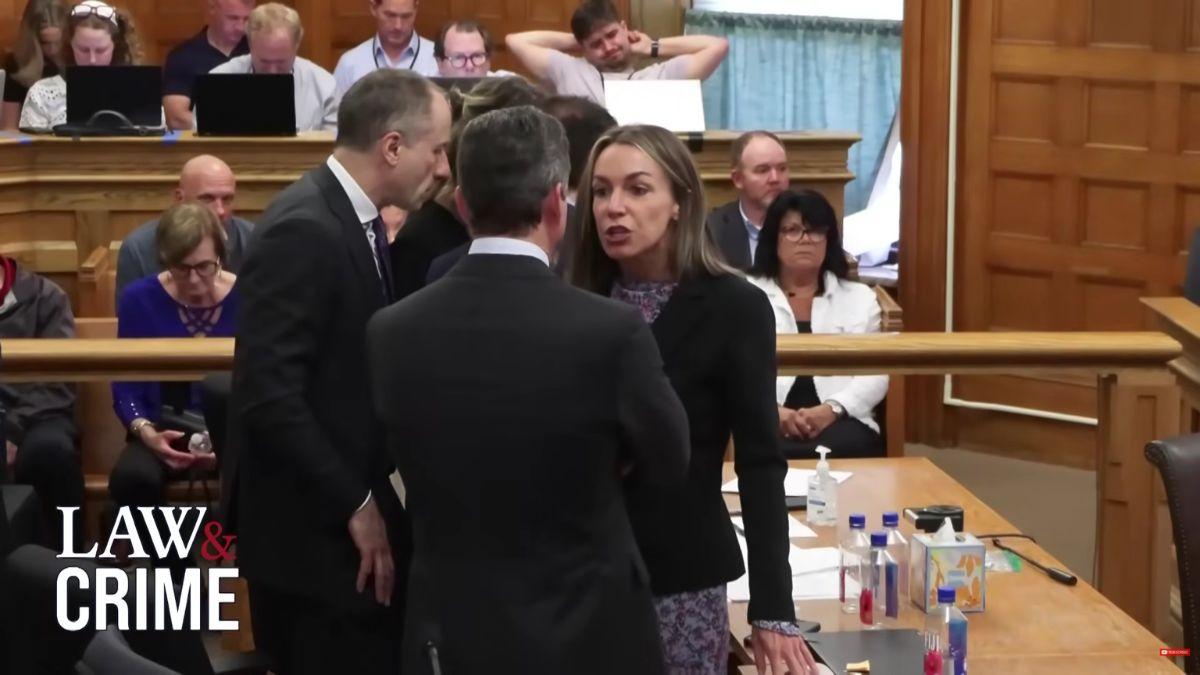
As the legal fight intensifies, all eyes remain on what testimony may emerge during those upcoming depositions and how it could shape the outcome.
Those accusations have been fiercely disputed as both sides continue battling over evidence and discovery.
With depositions expected to play a critical role in the litigation, the court’s latest move could provide a clearer roadmap for the next phase of the lawsuit while ensuring attorneys formally account for witness scheduling before proceedings advance further.
As the legal fight intensifies, all eyes remain on what testimony may emerge during those upcoming depositions and how it could shape one of the country’s most closely watched courtroom sagas.
