


Judge Tosses Kash Patel's $10M Defamation Lawsuit Against Blogger Who Called FBI Chief a 'Googly-Eyed Kremlin B----'

Kash Patel's $10million defamation lawsuit against a blogger has been thrown out by a judge.
July 30 2026, Published 4:00 p.m. ET


Kash Patel's $10million defamation lawsuit against a blogger who called him a "googly-eyed Kremlin b----" and an "incompetent chud" has been tossed out by a judge, RadarOnline.com can reveal.
Nevada Chief District Judge Andrew Gordon determined he did not have jurisdiction over Patel's initial $10million defamation complaint, voiding a previous default judgment against the self-described "anti-disinformation activist."
Judge Had 'No Jurisdiction' Over Defamation Complaint

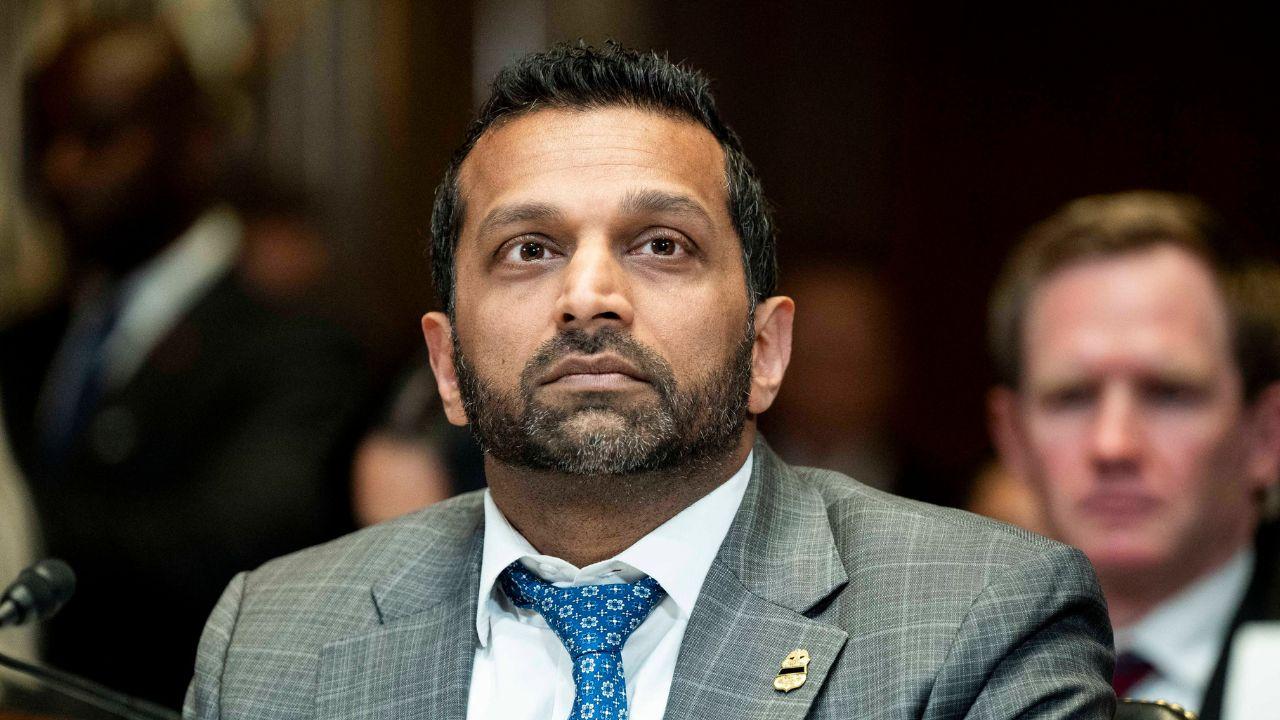
Blogger Jim Stewartson accused Patel of 'attempting to overthrow the government.'
The FBI chief first sued Jim Stewartson back in June 2023 over tweets calling him a "blatantly incompetent chud" who had "attempted to overthrow the government" and was "guilty of sedition" as part of a premeditated plot to incite the January 6, 2021, insurrection on the Capitol.
Stewartson did not respond to the suit, resulting in a $250,000 default judgment in Patel’s favor in August 2025.
The blogger and podcaster challenged the decision on the grounds he had no meaningful ties to Nevada as a California resident whose posts were not aimed at residents of the Silver State.
Taunting Patel, 46, as a "googly-eyed Kremlin b----" online, Stewartson said he was ready to "explain in full detail" why he was "dead serious" when he called the FBI director a "chud."
Latest Kash Patel Case Thrown Out

The FBI chief also threw out his case against former FBI official Frank Figliuzzi in April.
After the insult made it into a footnote of Judge Gordon's Tuesday, July 28, order, Stewartson shared an X post saying: "PSA: Now that my case is settled, you are free to refer to @FBIDirectorKash as a 'chud,' a 'googly-eyed Kremlin b----,' and a 'traitor' without fear of legal repercussions!"
The dismissal marks the latest setback for Patel, who has filed at least six defamation suits against media outlets and commentators.
A Texas judge threw out his case against former FBI official Frank Figliuzzi in April, calling the remarks by Figliuzzi protected hyperbole. Figliuzzi had claimed Patel had "been visible at nightclubs far more than he has been on the seventh floor of" the FBI's headquarters in Washington, D.C.
He also sued The Atlantic and one of its journalists, Sarah Fitzpatrick, for $250million over an article published earlier this year.
'The Atlantic' Argue Their Case To Be Thrown Out

'The Atlantic' launched a motion to thrown out Patel's case on July 27.


The report recounted tales from sources who claim to be either former or active FBI special agents discussing Patel's actions, including how his reported alcohol use allegedly affects his work.
The Atlantic argued for the defamation lawsuit against them to be thrown out in a scathing motion filed Monday, July 27, in U.S. District Court in D.C
Patel's attorneys, in the initial filing, argued The Atlantic published "a sweeping, malicious, and defamatory hit piece" against him, which was complete with "obviously fabricated" allegations.
The Atlantic responded with a scorching brief, arguing that Patel "brings this defamation action against The Atlantic for publishing an undeniably newsworthy article about his job performance that he finds politically inconvenient.

Never Miss an

Daily updates from the heart of Hollywood, right to your inbox
By entering your email and clicking Sign Up, you’re agreeing to let us send you customized marketing messages about us and our advertising partners. You are also agreeing to our Terms of Service and Privacy Policy.

The Brief in The Atlantic's case called the FBI Director’s allegations 'meritless.'
"It is an assault, by a man who swore to uphold it, on the core Constitutional value that ‘debate on public issues should be uninhibited, robust, and wide-open, and that it may well include vehement, caustic, and sometimes unpleasantly sharp attacks on government and public officials."
The brief, which calls the FBI Director's allegations "meritless," notes that Patel has now filed five defamation lawsuits against media organizations in recent years and has yet to win one.
"By filing these suits, Director Patel sends an ominous message to the press: publishing reporting that he does not like comes at a high cost,” the brief said. "These tactics strike at the very foundation of the First Amendment, which was adopted to prevent powerful government officials – like Director Patel – from controlling the public narrative by ‘punish[ing] the dissemination of material that is embarrassing to the powers-that-be."
