


Judge Blocks ICE From Searching Immigration Lawyer's Phone After Finding Possible Retaliation Over His Speech

A temporary restraining order was issued barring the search of the phone by the ICE
Nov. 15 2026, Published 11:13 a.m. ET


A federal judge has ruled that Massachusetts immigration attorney Andrew Lattarulo is likely to prove that federal agents seized his cellphone in retaliation for his public criticism of the government's immigration policies.
U.S. District Judge Allison D. Burroughs granted Lattarulo's request for a preliminary injunction on November 13, 2026, preventing the government from accessing information copied from his phone while his lawsuit proceeds.
The ruling follows a September 2025 incident at Boston Logan International Airport, where federal agents confiscated the attorney's business phone after he returned from Aruba.
Phone Taken At Logan After Aruba Trip

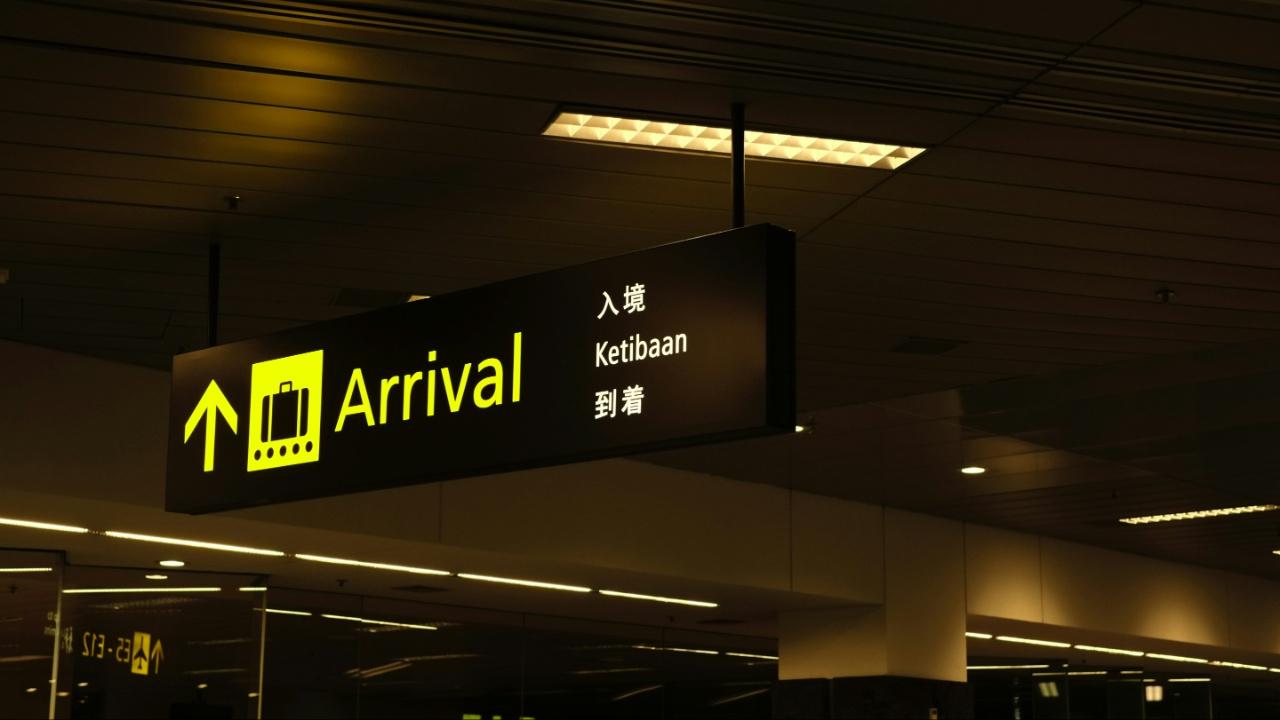
Andrew Lattarulo landed in Boston where the federal agents were waiting for him
Lattarulo alleges that federal agents stopped him at approximately 7:15 p.m. on September 28, 2025, in Terminal C at Logan Airport.
He had already completed customs preclearance in Aruba and arrived at a domestic concourse in Boston. He was traveling with his brother, who is also an immigration attorney, and several friends.
According to his federal complaint, agents told him they would take his iPhone 15 Pro Max regardless of whether he cooperated. They also made clear that they intended to search it.
The agents did not arrest him or search his luggage, the lawsuit states. They instead provided him with a detention notice and a receipt for the seized device.
Lawyer Says It Was Payback For Social Media Videos
Andrew Lattarulo is known for posting videos where he warns immigrants about their rights
Lattarulo, a U.S. citizen from North Andover, Massachusetts, operates an Instagram account, @andyatlaw, where he shares videos in Portuguese explaining immigrants' legal rights.
His posts have attracted hundreds of thousands of views, according to court records. He has also publicly criticized the government's immigration enforcement practices.
His lawsuit alleges that the seizure was motivated by his outspoken views rather than legitimate investigative concerns.
The phone also contained confidential attorney-client communications involving thousands of clients with active immigration proceedings.
However, the government disputed his allegations, arguing that agents had reasonable suspicion to investigate his law firm's employment practices.
Judge Burroughs Steps In With Restraining Order

The judge asked Andrew to seek a TRO with proper notice
Lattarulo filed his lawsuit on October 2, 2025, naming the Department of Homeland Security, Immigration and Customs Enforcement, Customs and Border Protection and several officials as defendants.
The following day, Burroughs issued a temporary restraining order prohibiting further searches of the phone and the use or transmission of information already collected.
The government later revealed that it had returned the device to Lattarulo on October 6. However, officials had downloaded a complete copy of its contents.
In her November 13 ruling, Burroughs found that the evidence available at this stage supported Lattarulo's First Amendment retaliation claim.
She pointed to the unusual decision to seize his phone during an employment investigation and noted that his law firm partner, who had access to employment records but had not publicly criticized the government, was not subjected to the same treatment.

What Happens To The Phone Now

Never Miss an

Daily updates from the heart of Hollywood, right to your inbox
By entering your email and clicking Sign Up, you’re agreeing to let us send you customized marketing messages about us and our advertising partners. You are also agreeing to our Terms of Service and Privacy Policy.
A status conference has been organized to decide what to do with the phone data
The judge's latest order grants Lattarulo's request for a preliminary injunction, meaning federal officials cannot access the copied information while the litigation continues.
Burroughs also declined to order the destruction of the data. Instead, the government must preserve it in its current unreadable and unreviewable format until the proceedings conclude.
The judge did not reach a final decision on Lattarulo's Fourth Amendment claim, which challenges the legality of the warrantless seizure under border-search rules.
The government has maintained that its investigation into the law firm's employment practices provided reasonable suspicion for the search. Prosecutors previously alleged that 117 employees appeared unauthorized to work in the United States.
The judge's ruling is preliminary and does not resolve the underlying lawsuit.
