


EXCLUSIVE: Inside Jesse Jackson's Two Failed Bids to Become President — Before He Paved Way for Barack Obama's Victory

Jesse Jackson efforts to become president paved the way for Barack Obama.
Feb. 18 2026, Published 8:00 p.m. ET


The late Jesse Jackson twice sought the Democratic nomination for president – and though he fell short in 1984 and 1988, his insurgent campaigns reshaped American politics and laid the groundwork for Barack Obama's ascent two decades later, RadarOnline.com can reveal.
Jackson, a Baptist minister and towering civil rights figure who died aged 84 on February 17, rose from the segregated streets of Greenville, South Carolina, to national prominence.
Early Life, Civil Rights Protests and Arrests

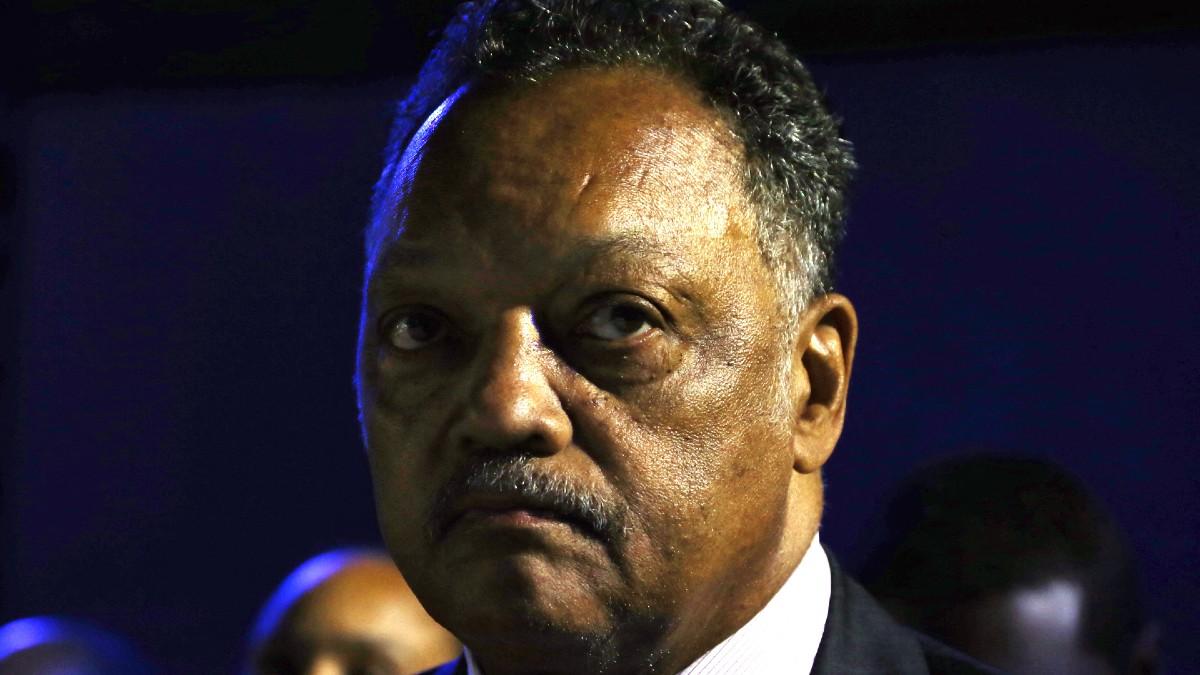
Jackson sought the Democratic nomination for president in 1984 and 1988.
Born in 1941 to 16-year-old Helen Burns and her married neighbor, Noah Robinson, a boxer twice her age, he was adopted by his stepfather, Charles Jackson, after his mother married.
At seven, he learned of his parentage and vowed to Robinson: "Just you watch, I'm going to be more than you think I can be."
Denied access to a whites-only library as a student, Jackson helped stage a sit-in protest the following summer and was arrested.
He later recalled: "That day changed my life. I lost my fear of being jailed for a righteous cause." Aged 15 and inspired by Rosa Parks, he staged his first bus protest.
A gifted athlete, he won a football scholarship to the University of Illinois before transferring to North Carolina A&T, where he joined civil rights demonstrations and was arrested for "inciting a riot."
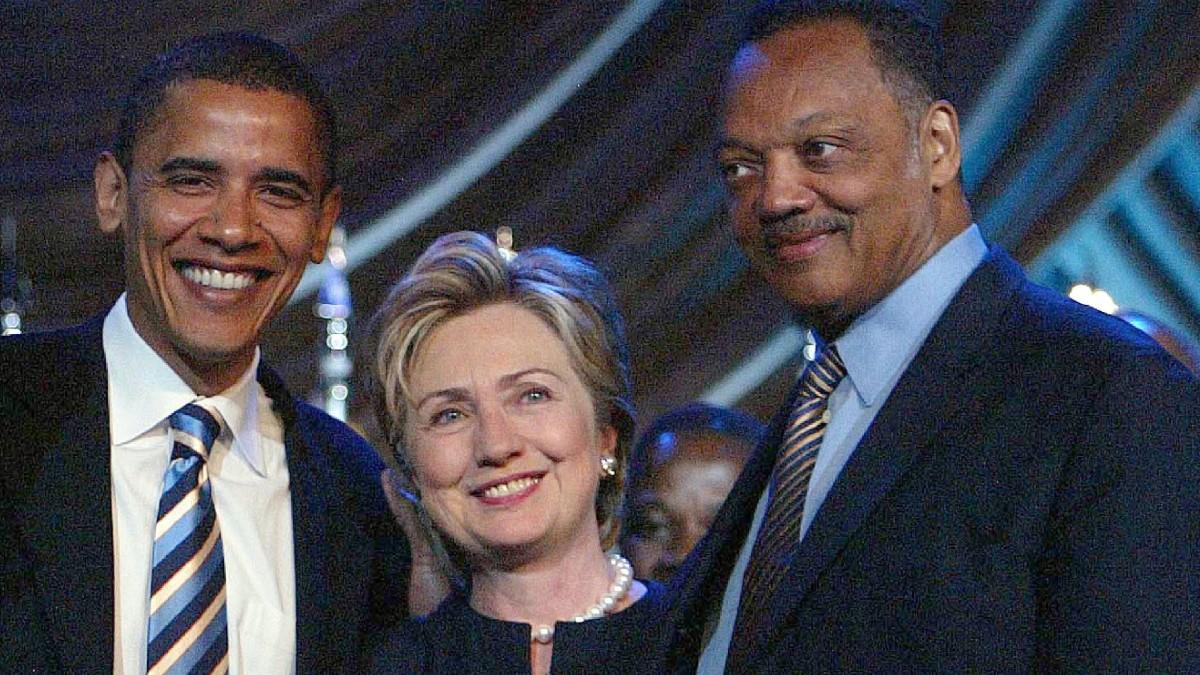
The civil rights leader died at the age of 84 on February 17, 2026.
In 1965, Jackson met Martin Luther King Jr during a protest march in Alabama and later joined him in Chicago, leading Operation Breadbasket.
After King's assassination in Memphis in 1968, Jackson said he had been at the Lorraine Motel and said, "We must not allow one bullet to kill a whole movement."
Some aides disputed aspects of his account, fueling controversy that would follow him throughout his career.
Jesse Jackson's Massive Impact on Voters
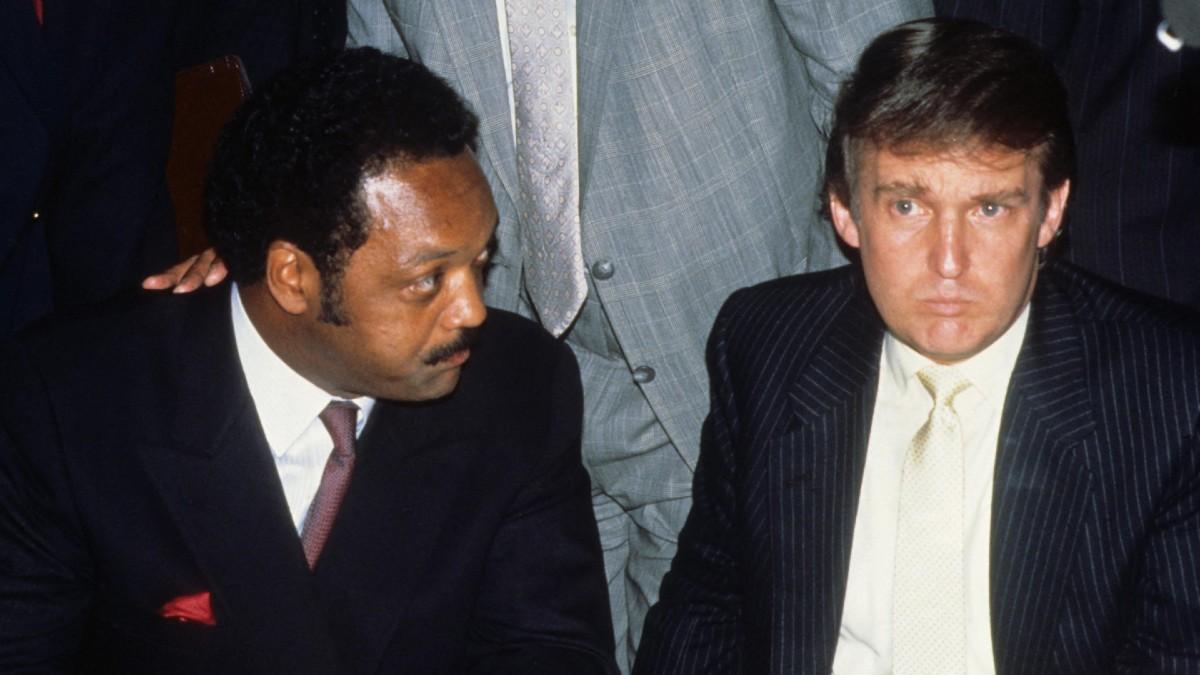
He led Operation Breadbasket after joining Martin Luther King Jr.’s movement in Chicago.

By 1984, Jackson launched his first White House bid, declaring: "Those who picked cotton can now pick a President." At the Democratic convention, he argued: "America is not like a blanket – one piece of unbroken cloth, the same color, same texture, same me size.
"America is like a quilt – many, many pieces, many colors, many sizes, all woven and held together by a common thread. Even in our fractured state, all of us count and fit somewhere."
He lost the nomination, as he did again in 1988, but expanded the Democratic electorate by registering millions of new voters.
A former campaign aide said, "Jesse never made it to the Oval Office, but winning the presidency was only part of what he set out to do. He fundamentally altered the psychology of American politics. Before his runs, a Black candidate mounting a serious national campaign was seen by many as symbolic at best.
"Jesse shattered that assumption. He compelled the Democratic party to engage directly with issues of race, economic inequality, and political inclusion, not as side conversations but as central planks of the platform. Jesse expanded the electorate and made countless people - especially young voters and voters of color - feel that the highest office in the land was not automatically off limits to them."
Obama, now 64, credited Jackson's legacy after his two presidential victories, saying: "We stood on his shoulders," and calling him "a true giant."
He added: "From organising boycotts and sit-ins, to registering millions of voters, to advocating for freedom and democracy around the world, he was relentless in his belief we are all children of God, deserving of dignity and respect."
Donald Trump, 79, said: "Jesse was a force of nature... a good man, with lots of personality, grit, and street smarts."
Civil rights leader Al Sharpton, 71, said about Jackson after his passing: "He carried history in his footsteps and hope in his voice. He taught me that protest must have purpose, that faith must have feet, and that justice is not seasonal, it is daily work."

Never Miss an

Daily updates from the heart of Hollywood, right to your inbox
By entering your email and clicking Sign Up, you’re agreeing to let us send you customized marketing messages about us and our advertising partners. You are also agreeing to our Terms of Service and Privacy Policy.
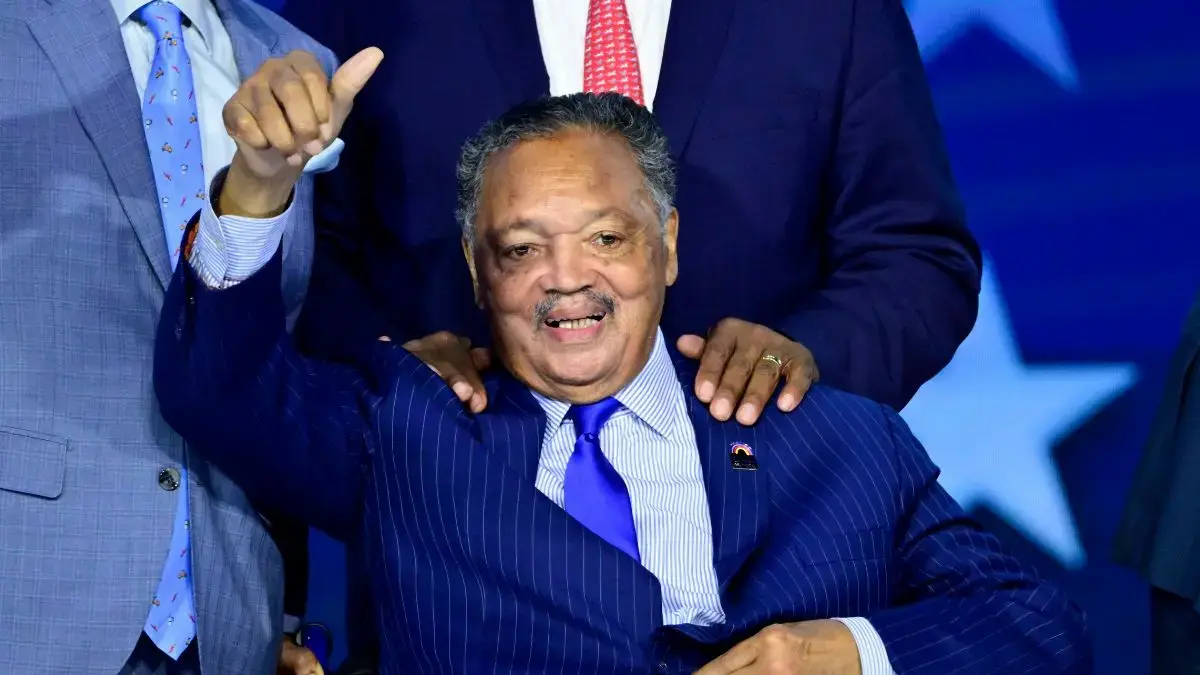
Obama credited Jackson’s legacy for laying the groundwork for his own presidency.
Jackson's career was marked by controversy – from disputes over King's final moments to a 2001 admission he had fathered a daughter outside his marriage to Jacqueline Brown, whom he wed in 1962. In 2008, he was caught on a hot mic criticizing Obama.
Yet allies insist his presidential bids broke barriers.
A longtime supporter said, "If Jesse hadn't demonstrated that a Black candidate could mount a viable, nationwide campaign and command real votes across multiple states, it's hard to imagine Barack Obama's rise happening when it did. Jesse normalized the idea of Black presidential ambition on a national stage. He built the infrastructure, energized communities that had long felt sidelined, and showed party leaders that such a candidacy was not only possible but powerful. In many ways, he cleared political and psychological obstacles - he made the road broader and more navigable for those who followed."
Asked once whether he regretted never holding elected office, Jackson replied: "Neither does a king."
