


EXCLUSIVE: Elon Musk’s DOGE Dealt Court Loss as Judge Rules Trump's Team Illegally Accessed Millions of Federal Workers’ Private Records

Elon Musk and Trump's DOGE initiative suffered a major legal setback over access to federal workers' private records.
Oct. 21 2026, Published 7:30 p.m. ET


Elon Musk's Department of Government Efficiency (DOGE) has been dealt a major legal setback after a federal judge ruled that President Trump's administration unlawfully granted the department personnel sweeping access to sensitive government records containing the private information of millions of federal workers, RadarOnline.com can reveal.
According to court documents obtained by Radar, U.S. District Judge Denise Cote determined that the Office of Personnel Management (OPM) violated federal privacy laws by allowing individuals associated with DOGE to access confidential personnel databases without demonstrating a legitimate need for the information.
Millions of Federal Workers' Records Exposed to Unauthorized Access


DOGE personnel were granted sweeping access to sensitive federal employee records.
The ruling stems from a lawsuit filed by current and former federal employees and labor unions challenging DOGE's access to government systems following Trump's January 2025 inauguration.
The judge found that OPM granted DOGE-affiliated personnel broad access to records containing personal information belonging to tens of millions of current, former, and prospective federal employees.
In her decision, Cote wrote that the agency had granted access even though "no credible need for this access had been demonstrated."
The judge further determined that OPM had bypassed established cybersecurity safeguards while implementing the administration's government-efficiency initiative.
DOGE Operatives Given Sweeping Database Permissions
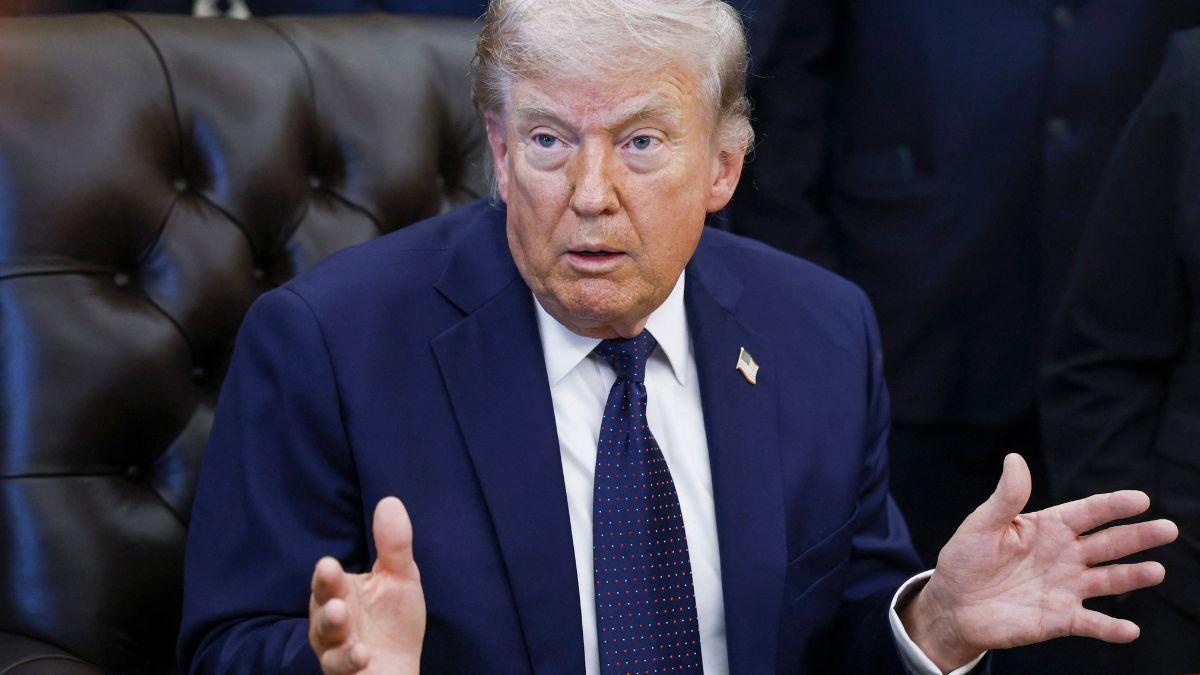
Trump's administration granted DOGE personnel access to multiple government databases.
Court records reveal that at least 20 DOGE-related individuals received access to OPM systems between January and March 2025, with many granted administrative-level permissions.
The systems contained personally identifiable information, and some individuals received access before completing required cybersecurity and privacy training.
The court also noted that certain career government database administrators temporarily lost their own access around the time DOGE personnel were brought into the agency.
Cote rejected the government's argument that DOGE's broad technology-modernization responsibilities justified the sweeping permissions. The judge emphasized that modernizing government technology did not automatically require access to confidential employee information.
Judge Rejects Government's Defense
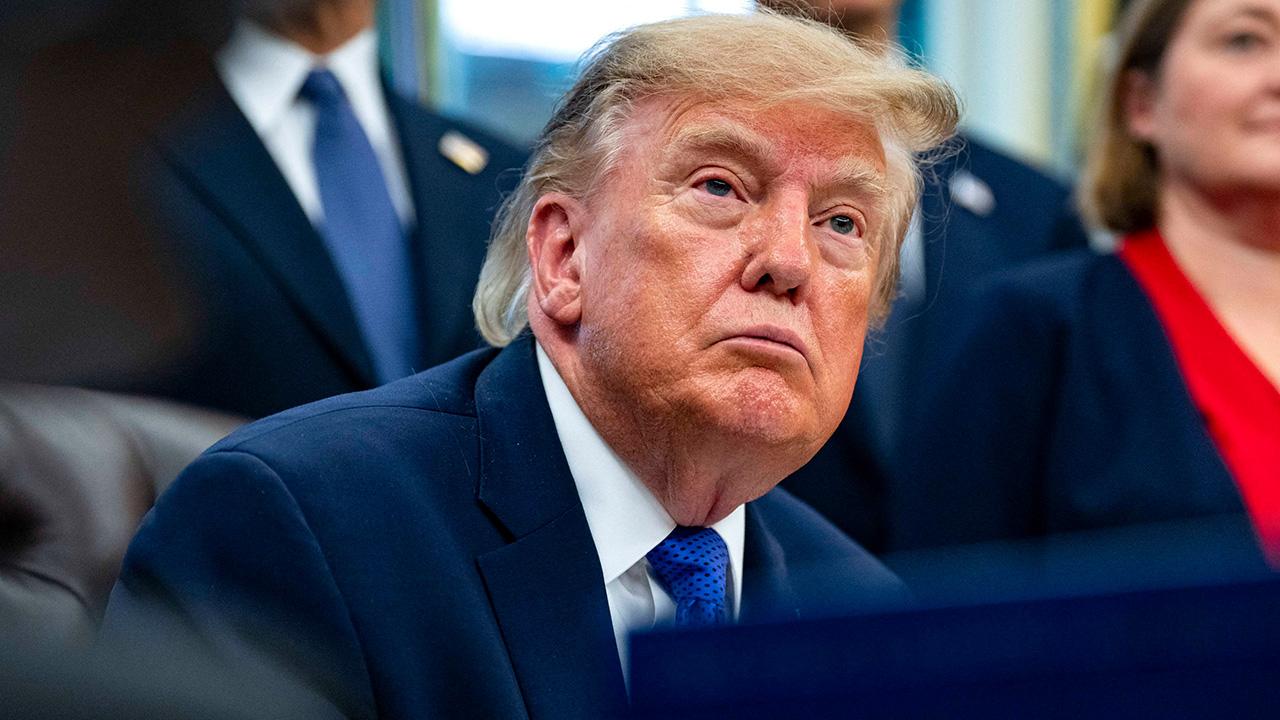
A federal judge rejected the administration's attempt to dismiss the privacy dispute.
The administration argued that the lawsuit should be dismissed because DOGE personnel no longer had access to the disputed systems and OPM had strengthened its security procedures.
However, Cote rejected the argument that those changes made the case moot, noting that the agency continued defending its earlier decisions to grant access.
The court also questioned the timing of certain security changes, which occurred around litigation deadlines.
OPM maintained that its internal investigation found no evidence DOGE personnel had exported or transmitted the plaintiffs' private records outside authorized systems.


ELon Musk Named in Lawsuit as Court Weighs Further Action

Never Miss an

Daily updates from the heart of Hollywood, right to your inbox
By entering your email and clicking Sign Up, you’re agreeing to let us send you customized marketing messages about us and our advertising partners. You are also agreeing to our Terms of Service and Privacy Policy.

Musk was named in the lawsuit, but the ruling did not find him personally liable.
Musk was named among the DOGE defendants in the lawsuit, although the ruling did not establish that he personally accessed or improperly handled federal employee records.
The judge granted the plaintiffs summary judgment on their Administrative Procedure Act claims, finding that OPM's access decisions violated the Privacy Act. The court also granted the government's motion on a separate claim against the DOGE defendants.
While the unlawful access permissions have since been rescinded, the court has yet to determine what additional permanent relief, if any, is appropriate. The decision leaves the administration facing further proceedings over its handling of sensitive federal employee information.
