


Donald Trump Wants Supreme Court to Revive Failed Lawsuit Against Hillary Clinton Over 'Bogus Russia Hoax' Claims

Donald Trump has appealed a courts rejection of his lawsuit against Hillary Clinton to the Supreme Court.

July 30 2026, Published 1:00 p.m. ET


Donald Trump is preparing to take his feud with Hillary Clinton to the Supreme Court, RadarOnline.com can report.
The president wants the court to take another look at his failed lawsuit alleging the former first lady, the Democratic National Committee, and others conspired to undermine his 2016 presidential campaign with accusations that Trump’s team colluded with Russia.
Trump Asks for More Time to Appeal

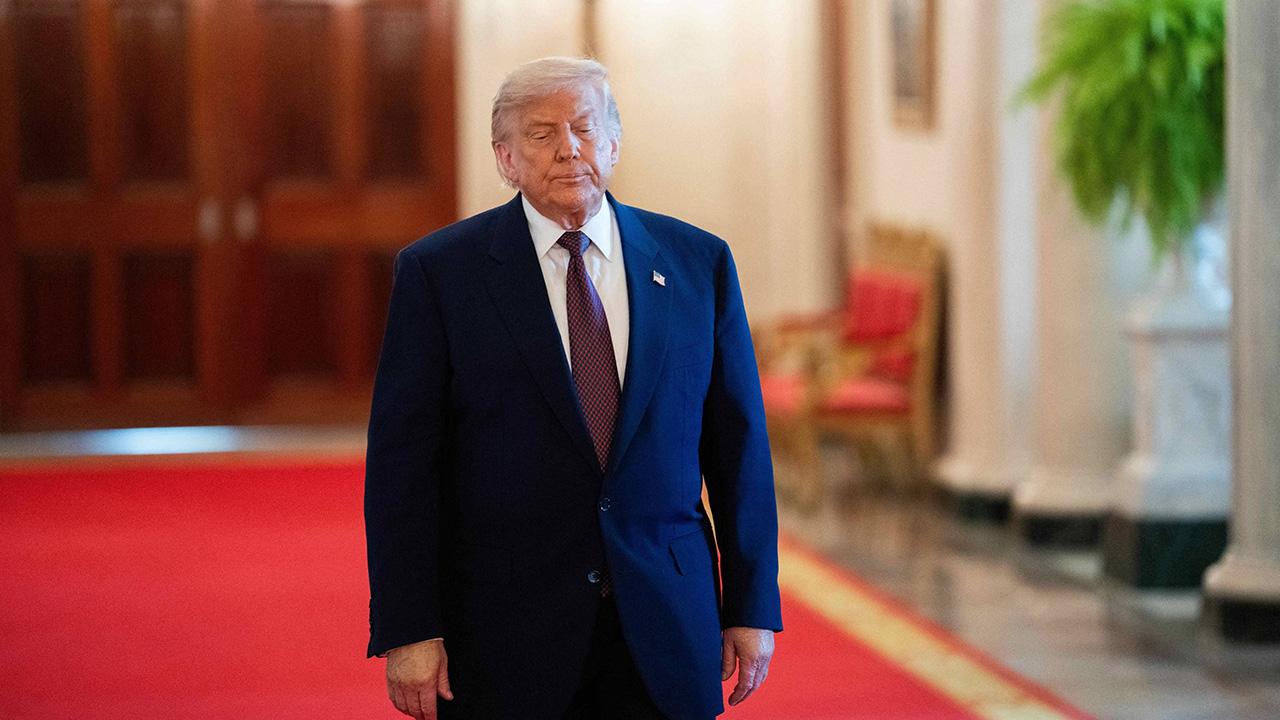
The president has accused Hillary Clinton of colluding with Russia to throw the 2016 election.
In his Supreme Court filing, the 80-year-old requested an additional month to review a November appeals court decision that upheld dismissal of the case. That court also levied nearly $1 million in sanctions against Trump and one of his lawyers.
The 3-0 ruling by the 11th US Circuit Court of Appeals found Trump and lawyer Alina Habba filed a "frivolous" lawsuit against Clinton, 78. Two of the judges on the panel were appointed by Republican presidents, including one by Trump.
Trump claimed he lost $24million as a result of the Russian collusion rumors – although US District Judge Donald Middlebrooks, who was appointed by Bill Clinton in 1997 and oversaw the lawsuit, originally threw it out in 2022 due to what were called at the time "deficiencies in the plaintiff’s argument."
Middlebrooks also imposed the sanctions fee after concluding Trump was "using the courts as a stage set for political theater and grievance."
Hillary Clinton Has Won Every Previous Appeal
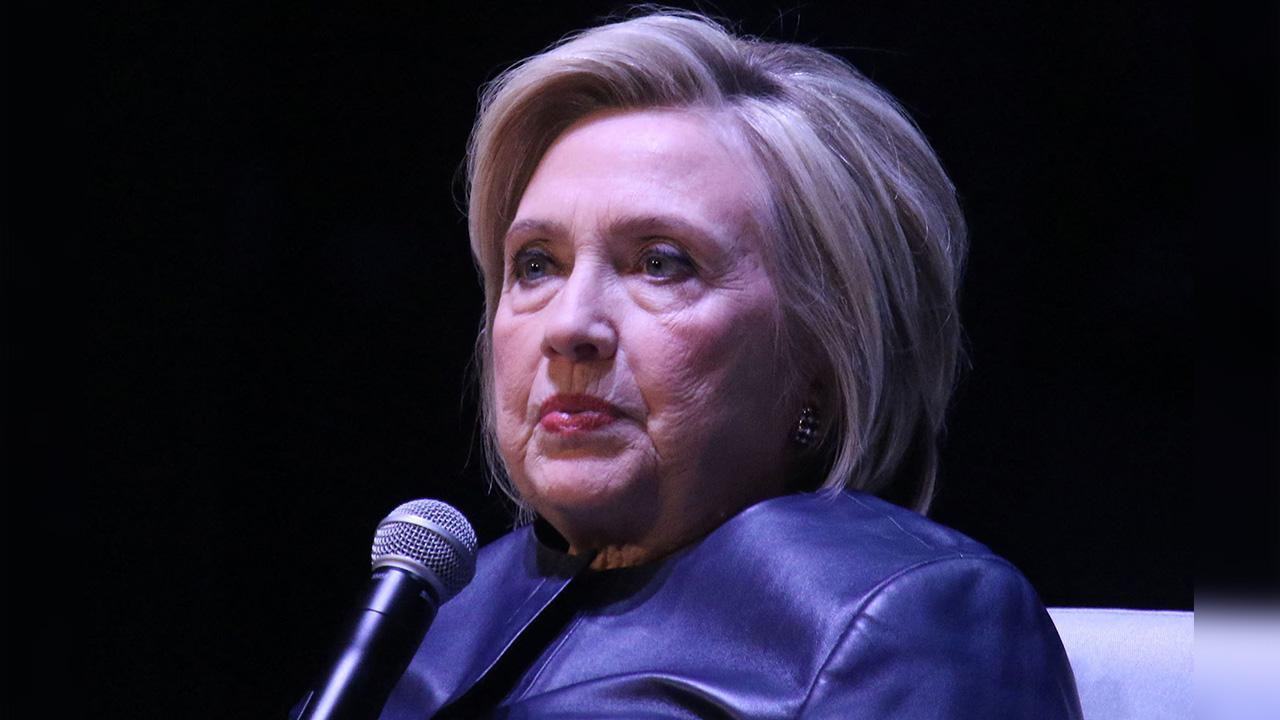
Hillary Clinton's attorneys slammed the lawsuit, which was thrown out by lower court judges.
Since then, Trump has unsuccessfully appealed the decision multiple times, but each court has upheld the original dismissal.
Clinton's lawyer has bashed the allegations from the start, previously insisting, "A reasonable attorney would never have filed this suit, let alone continued to prosecute it after multiple Defendants’ motions to dismiss highlighted its fundamental and incurable defects."
However, Trump now plans to argue before the Supreme Court that his new appeal would focus on the lower court's conclusion that he waited too long to sue, but he needs more time to finalize his argument.
The president's lawyer, Richard C. Klugh Jr., told the high court that an extension until Sept. 9 would "reduce any interruption of the work of the president in his singular role as chief executive."
Trump Sued the IRS and Treasury Department
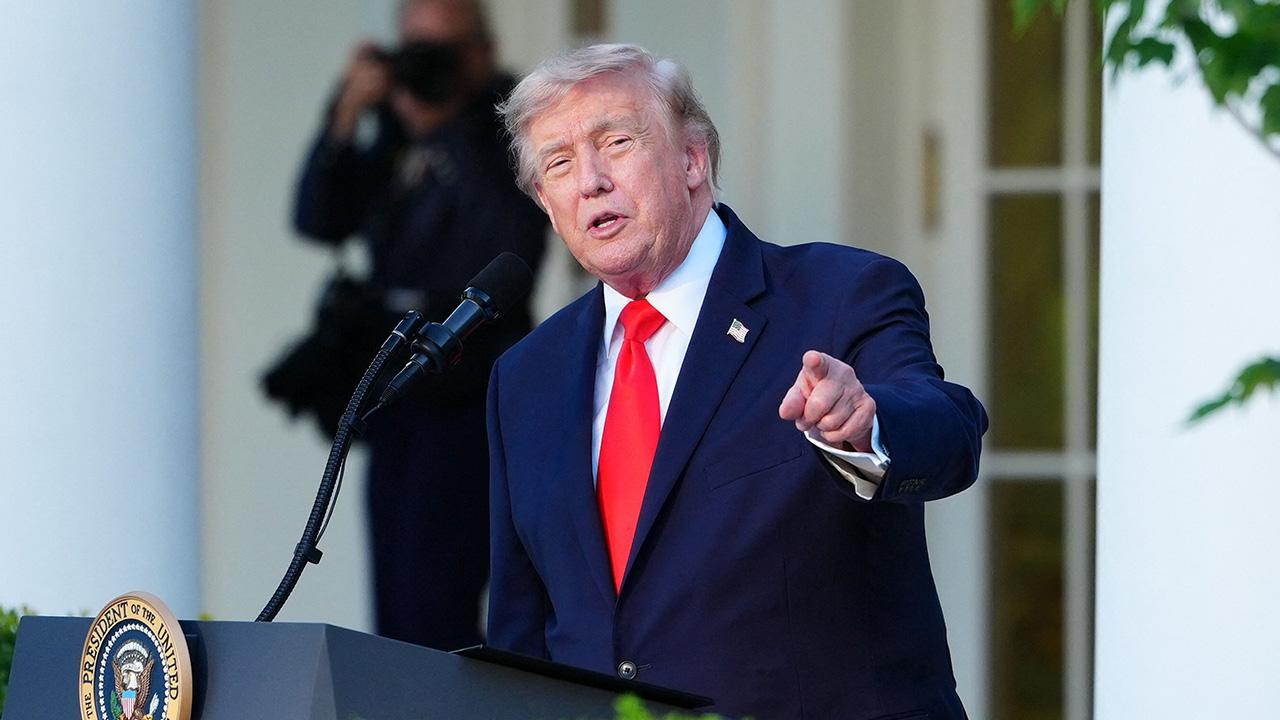
Trump was sanctioned earlier this month for another failed lawsuit.
The president's legal team is no stranger to sanctions, as earlier this month, a federal judge imposed penalties and issued a blistering 56-page order finding the president's $10billion lawsuit against the Internal Revenue Service and Treasury Department was "collusive," "non-adversarial," and filed for an "improper purpose."
According to court documents obtained by Radar, the extraordinary order stems from Trump's January 2026 lawsuit against the IRS and Treasury Department over the unauthorized disclosure of his tax information by former IRS contractor Charles Littlejohn, who pleaded guilty and was sentenced to prison in a separate criminal case.
But rather than focusing on the underlying tax leak, the court scrutinized how the civil lawsuit unfolded, ultimately concluding the parties were never truly adverse to one another as required under Article III of the U.S. Constitution.
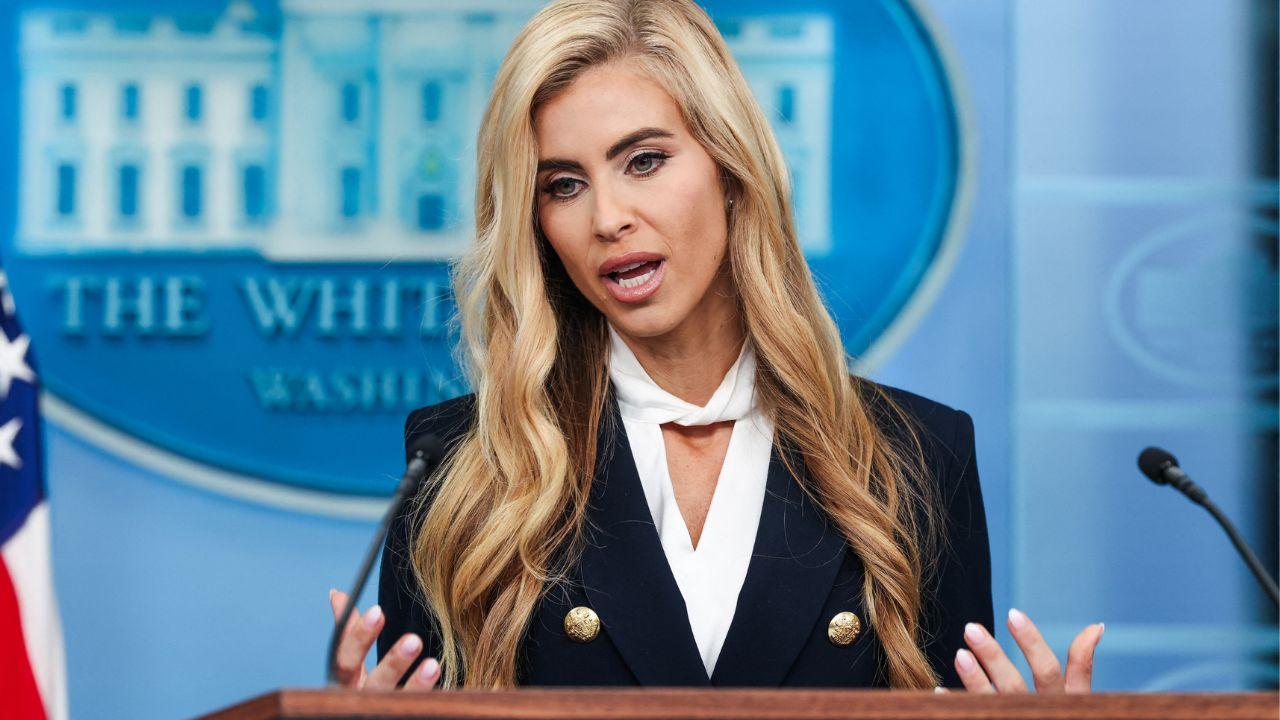
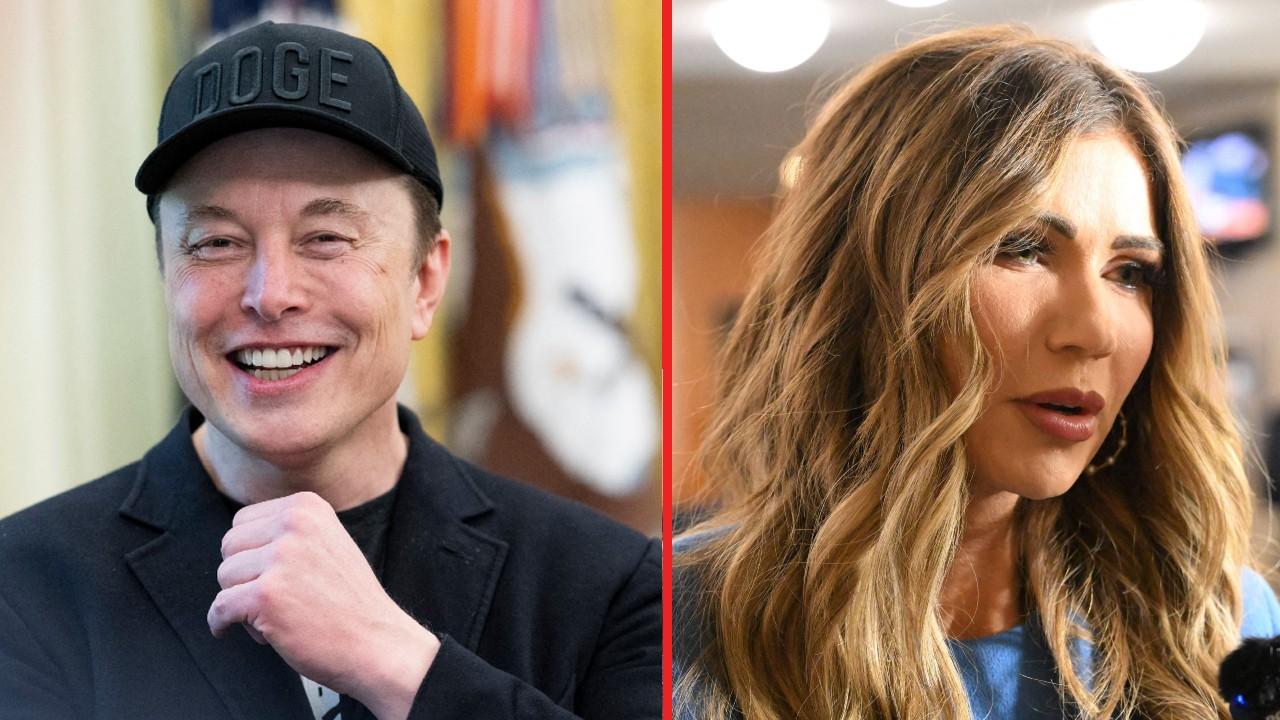
Trump Was Hit with More Sanctions

Never Miss an

Daily updates from the heart of Hollywood, right to your inbox
By entering your email and clicking Sign Up, you’re agreeing to let us send you customized marketing messages about us and our advertising partners. You are also agreeing to our Terms of Service and Privacy Policy.
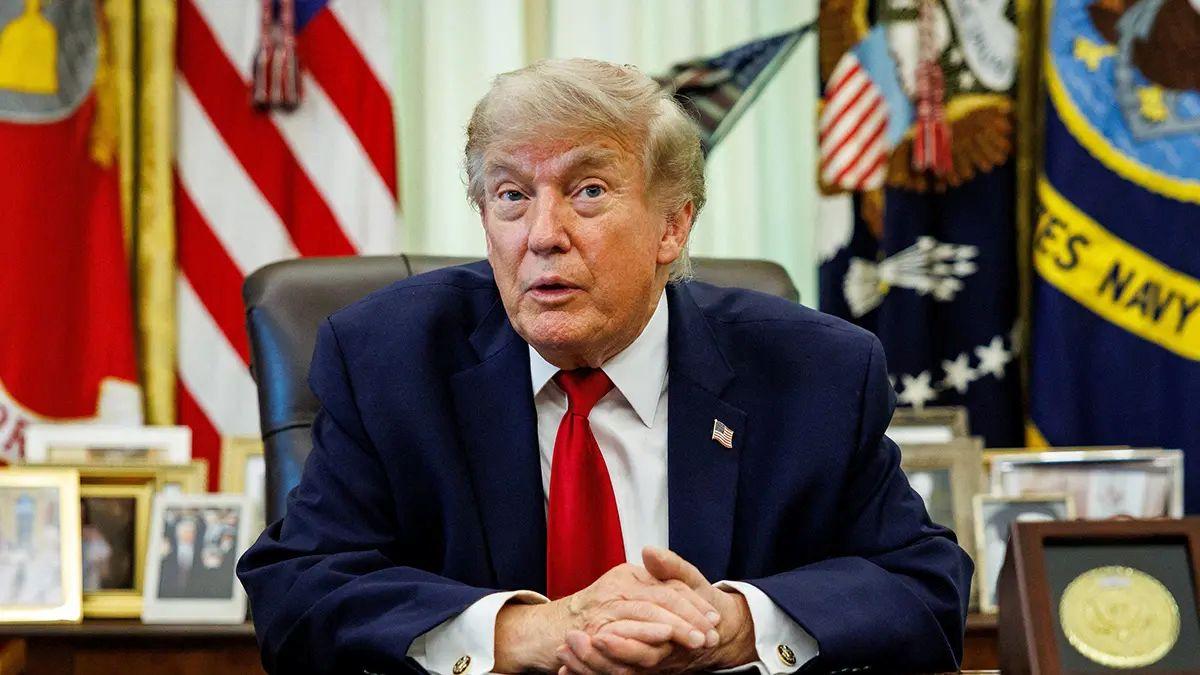
The president sued the IRS and Treasury Department for over a billion dollars.
The judge found there was "never a genuine case or controversy," determining the lawsuit was used to lend judicial legitimacy to a proposed settlement involving sweeping protections for Trump and billions of dollars in taxpayer funds.
Trump's proposed resolution included a formal government apology and the creation of a $1.776billion "Anti-Weaponization Fund" that would have been financed through the Treasury Department.
The court questioned the legality of the arrangement, writing that the litigation was allegedly used to provide legitimacy to a deal involving immunity protections and public funds before the case was voluntarily dismissed.
The order further found Trump exercised control over the executive agencies he sued while serving as president, leading the court to conclude the lawsuit lacked the genuine legal opposition required in federal court.
