


EXCLUSIVE: Why Donald Trump Could Spark Hunt for Missing Nazi Gold

The president could spark a gold-hunting frenzy.
Aug. 5 2026, Published 1:15 p.m. ET


Donald Trump could end up authorizing the release of long-classified US government records that a British Nazi hunter believes could unlock the mystery of missing wartime gold and finally help return stolen wealth to victims of Adolf Hitler's regime.
RadarOnline.com can reveal Ian Sayer, 80, who has spent almost five decades investigating Nazi war crimes and tracing looted treasures, is calling on the US president, also 80, to order the full declassification of documents held under the Nazi War Crimes Disclosure Act.
Push to Release Nazi Files


Ian Sayer called on Trump to declassify Nazi war records.
Sayer, who helped recover two gold bars worth around $3.5million from the former German central bank in 1996 after American investigators failed to locate them, argues sealed federal records could contain vital evidence pointing to additional caches of stolen gold and other valuables taken during the Second World War.
Sources supporting the campaign also exclusively told Radar that releasing every remaining classified file would demonstrate a renewed commitment to historical transparency while giving investigators access to evidence that has remained hidden for generations.
One explained: "There is unfinished business from the Second World War, and opening every relevant archive could answer questions that governments have left unresolved for decades.
"This is about pursuing historical truth and ensuring victims' families have every possible opportunity to discover what happened to property stolen during the Nazi era. Records cannot help anyone while they remain locked away."
Investigator Calls For Answers

Sayer recovered two stolen gold bars from Germany in 1996.
Sayer told the Daily Star: "I have spent nearly 50 years tracking Nazi war criminals and searching for looted Nazi gold. In that time I have learned one thing above all others. The obstacle is hardly ever that the evidence was destroyed. It is that it remains closed. I am the last person to have established the location of missing Nazi gold – two bars traced to Germany.
"The United States searched for those two bars after the war and failed to find them. Detailed investigations were called for and never carried out."
He added, "The reasons have never been explained, and I believe the explanation lies in files that are still classified. On the evidence of the last 50 years, I am confident that it would pay dividends. Some of those dividends would be paid, at last, to the people owed them."
Campaign Targets Secret Records
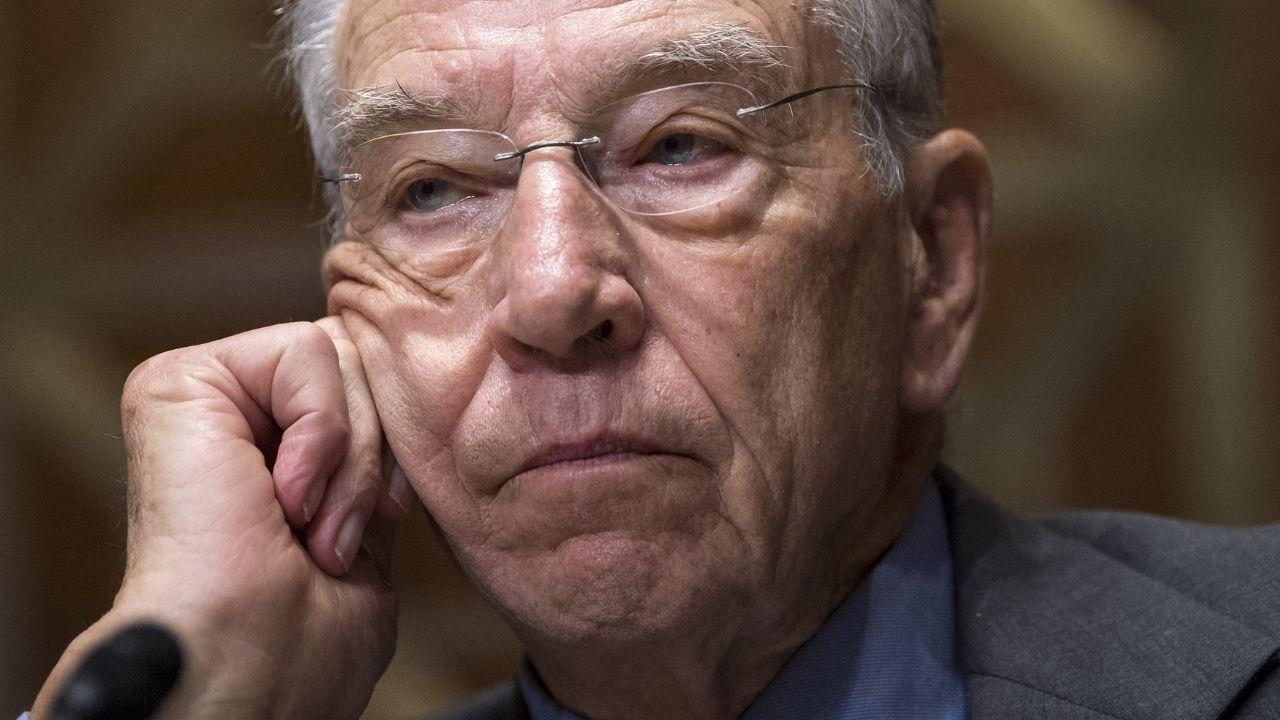
Senator Chuck Grassley has urged Trump to release sealed records.
The campaign centers on legislation intended to release intelligence and investigative material relating to Nazi crimes, although researchers have long argued that significant files remain inaccessible despite previous disclosure efforts.
Supporters contend those records could provide fresh leads into the movement of looted assets across Europe during and after the conflict.
Sayer is backing a renewed push by Iowa Senator Chuck Grassley, who has called for Trump to direct federal agencies to declassify outstanding Nazi war crimes records.
He said: "If one man could establish the fate of two bars of gold, a government with the National Archives behind it can establish the fate of a great deal more. That is why I support this request to President Trump for an order declassifying federal records relating to Nazi war crimes."


Hunt For Nazi Gold Continues

Never Miss an

Daily updates from the heart of Hollywood, right to your inbox
By entering your email and clicking Sign Up, you’re agreeing to let us send you customized marketing messages about us and our advertising partners. You are also agreeing to our Terms of Service and Privacy Policy.

Nazi forces looted billions of dollars from Holocaust victims.
Nazi gold hoards have fascinated historians, treasure hunters and investigators since the end of World War II.
During the conflict, Hitler's regime systematically looted billions of dollars' worth of gold, jewelry, artwork and other valuables from occupied countries, banks and Holocaust victims.
While much of the stolen wealth was recovered by Allied forces after Germany's defeat in 1945, experts believe significant quantities were never accounted for.
Over the decades, reports of hidden caches buried in mountains, lakes and underground bunkers across Europe have prompted countless searches, with many claims proving false but some discoveries confirming that missing Nazi treasure still exists.
