


EXCLUSIVE: Donald Trump 'Loves' Viral AI-Generated Kissing Image 'as It Adds to Spread of Fake News'

Trump loved a viral fake kissing photo that spread fake news.
Sept. 24 2026, Published 1:53 p.m. ET


Donald Trump is said to "love" the extraordinary furor surrounding a fake image apparently showing him kissing a female aide because it further blurs the boundary between genuine and fabricated news, sources have exclusively told RadarOnline.com.
The 80-year-old US president became the subject of the viral hoax after an artificial intelligence-generated image appeared online on September 14, seemingly depicting him kissing a woman resembling his 35-year-old personal assistant, Natalie Harp, on a golf course.
Donald Trump was linked to a fake image that spread across social media.

No Public Evidence Behind Viral Image Claim
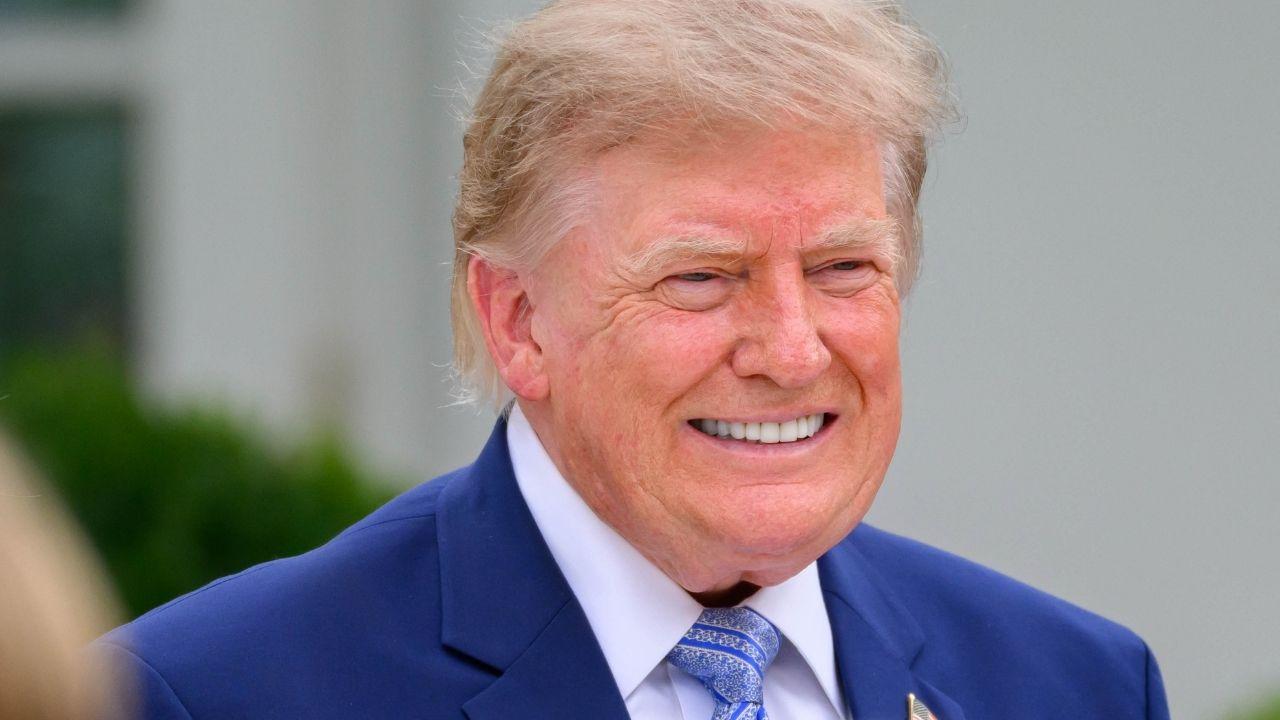
Donald Trump secretly loved the viral artificial intelligence kissing hoax.
The White House denounced the picture as bogus, while digital-forensics experts subsequently concluded that the most likely explanation was that the image was AI-generated.
A political source has now told us: "Trump actually loves the whole thing because, in his view, it adds to this world where the spread of fake news, as well as real news and entertainment, are all becoming increasingly difficult to separate.
"He thinks the media landscape has become a joke in many respects – something can appear online, get millions of views and become an enormous story before anybody can definitively establish where it came from.
"Trump has spent years accusing the media of spreading fake news and has himself shared manipulated and AI-generated material. From his perspective, something like this demonstrates just how difficult it has become to prove anything conclusively or hold anybody accountable for what starts spreading online."
There is no public evidence Trump has personally said he likes the image or endorsed its circulation.
The viral picture first appeared in a blurry form before spreading across Threads, Facebook, Instagram, X and YouTube.
Multiple versions subsequently emerged, complicating attempts by researchers to establish its precise origin.
Six-Finger Clue Raises AI Image Questions
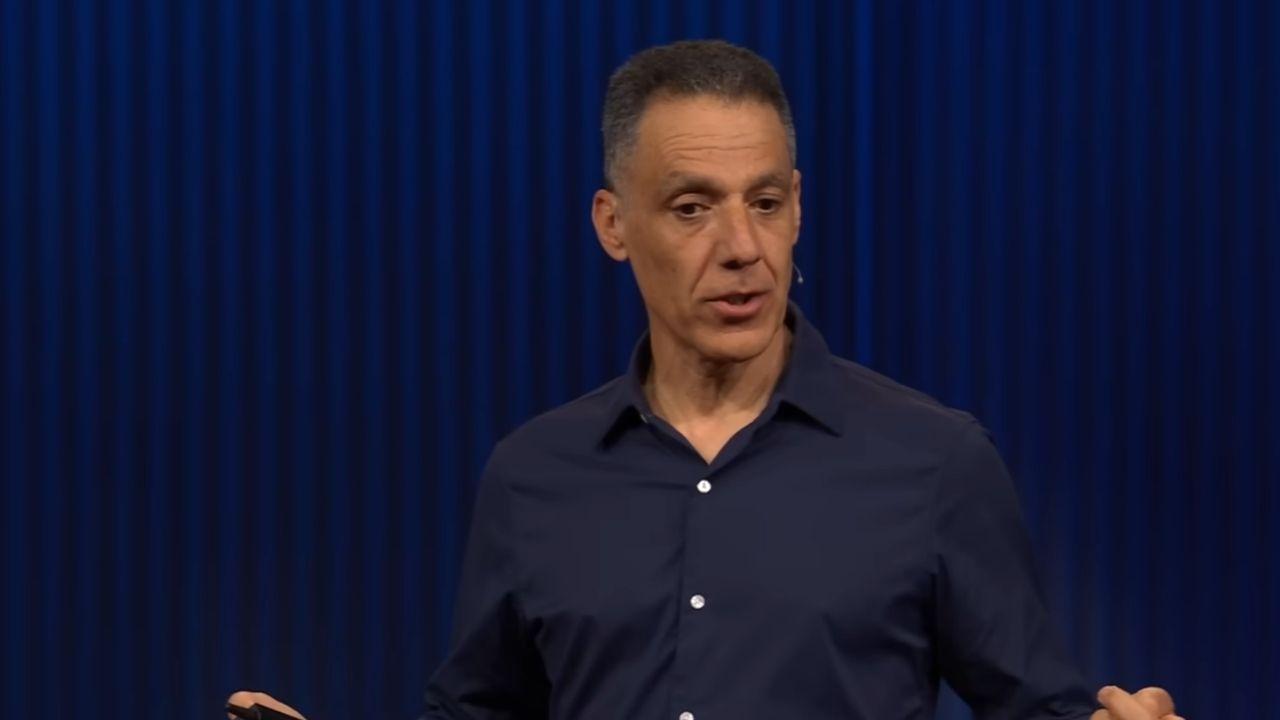
Digital forensic expert, Hany Farid, found signs that the viral Trump image was AI-generated.
Hany Farid, a digital-forensics expert and co-founder of GetReal Security, said investigators initially struggled to determine whether a low-resolution photograph had been enhanced using AI or an AI-generated picture had deliberately been degraded.
Farid's team ultimately concluded the latter was the most likely explanation – that an AI-generated original had been altered in ways that obscured anomalies and digital watermarks.
A sharper version contained one particularly conspicuous clue: the woman's hand appeared to have six fingers.
Other variants contained digital watermarks associated with generative-AI systems.
The White House swiftly rejected suggestions the image depicted a genuine encounter and accused Trump's Democratic opponents of circulating fabricated material.
'It Is a Well-Crafted Little Viral Image'
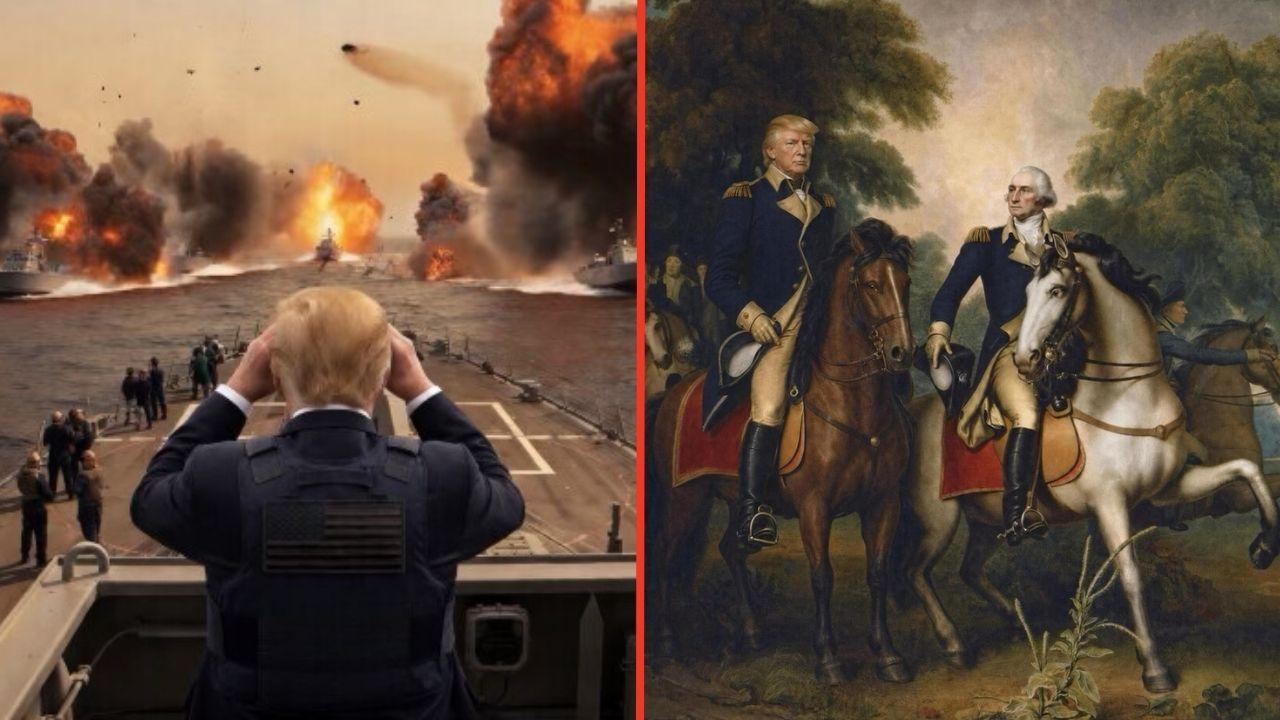
Donald Trump had faced years of claims over fake news and altered images.
No evidence has emerged establishing who originally created the picture.
The episode has nevertheless highlighted Trump's own extensive use of synthetic imagery.
He and his allies have repeatedly shared AI-generated or manipulated pictures depicting political opponents and protesters in fictional scenarios.
Darren Linvill, co-founder of Clemson University's Media Forensics Hub, told the New York Times of the kissing picture: "It is a well-crafted little viral image, I have to admit. Fuzzy. Peeping through the trees. Spying on young love. It seems genuine."
The image accumulated millions of views as social-media users argued about whether it was authentic, while some accounts treated it as genuine before forensic analysis was completed.

Never Miss an

Daily updates from the heart of Hollywood, right to your inbox
By entering your email and clicking Sign Up, you’re agreeing to let us send you customized marketing messages about us and our advertising partners. You are also agreeing to our Terms of Service and Privacy Policy.
Digital Forensics Struggle to Trace Viral Picture
Keith Edwards used an unverified online image as a YouTube thumbnail.
Keith Edwards, a Democratic political strategist and online influencer, used a higher-quality version as a YouTube thumbnail.
He later said his team had found the image online and had not independently verified its origin or whether the woman was Harp.
Farid added the episode demonstrated the growing difficulties confronting investigators attempting to authenticate viral material.
He said: "It went from zero to millions really fast."
Describing attempts to reconstruct its journey across the internet, Farid also said: "We were really struggling to figure out what was going on."
