


EXCLUSIVE: Donald Trump's Canada Tariffs Move Fuels Fresh Fears Over 'All-Out War'

Trump's escalating trade confrontation with Canada has fueled fresh fears.
Sept. 22 2026, Published 1:31 p.m. ET


Donald Trump's escalating trade confrontation with Canada has fueled fresh fears over the extraordinary deterioration in relations between the longtime allies – months after Canada's military modeled how the country could respond to a hypothetical US invasion.
RadarOnline.com can reveal the US president, 80, has moved to ban certain Canadian imports, including alcoholic beverages, after the nation imposed retaliatory tariffs of up to 50 percent on some American goods.
Escalating Trade Tensions and Unprecedented Security Fears

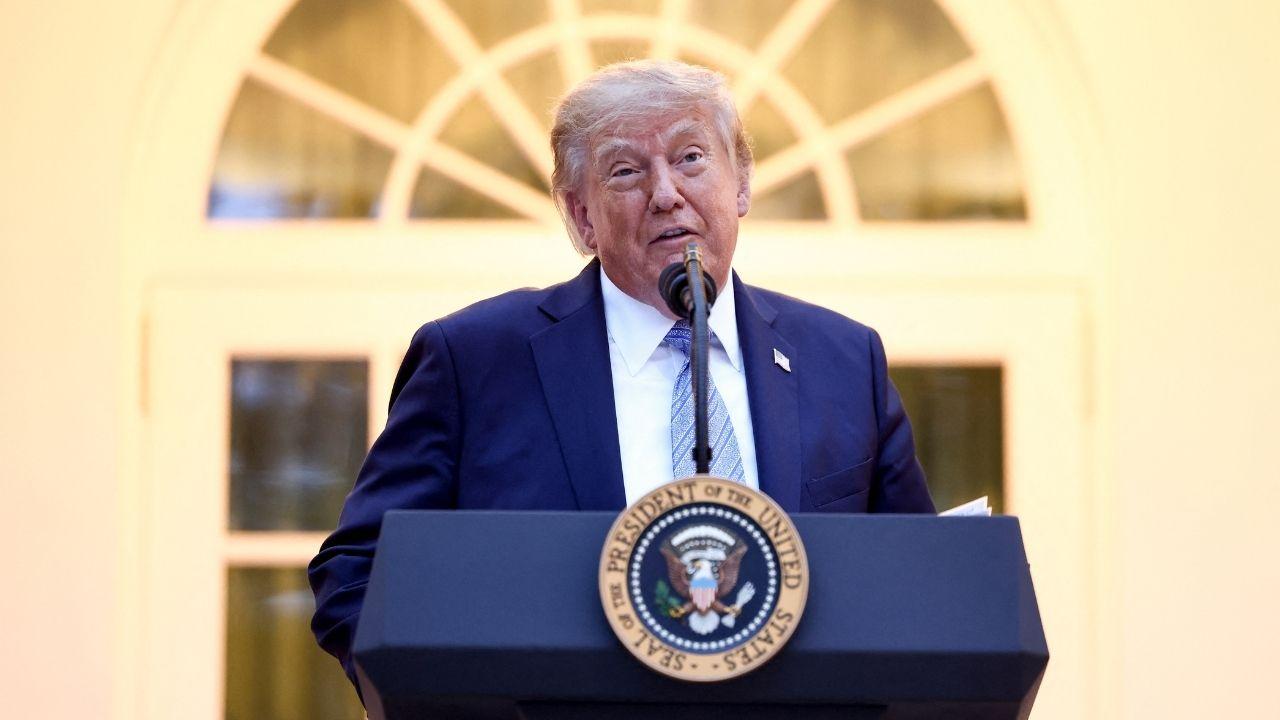
Donald Trump escalated a fierce trade war with neighboring Canada.
The measures mark another escalation between Washington and Ottawa under Canadian Prime Minister Mark Carney, whose government has increasingly sought closer economic relationships outside the US.
Carney said Canada's retaliatory measures had become unavoidable, accusing Washington of seeking "dependency, not a true economic partnership."
He has sought to strengthen Canada's relationships with Europe and Asia as relations with its largest trading partner have deteriorated.
The dispute has also acquired an extraordinary security dimension.
Earlier this year, the Canadian Armed Forces modeled how Canada might respond to a hypothetical American invasion – believed to be the first such exercise involving the US in more than a century.
Officials stressed the scenario was conceptual rather than an operational military plan and that an American attack remained highly unlikely.
The modeling nevertheless envisaged US forces entering from the south and rapidly attempting to seize strategic positions.
Because Canada lacks the personnel and equipment required to repel the vastly larger US military conventionally, the scenario considered unconventional resistance involving ambushes, sabotage, drones and hit-and-run attacks.
One Canadian official said: "The aim of such tactics would be to impose mass casualties on US occupying forces."
The invasion and conflict modeling is said to have drawn inspiration from tactics employed by Afghan mujahedeen fighters against Soviet forces during the Soviet-Afghan war.
Allied Support and Arctic Sovereignty Disputes
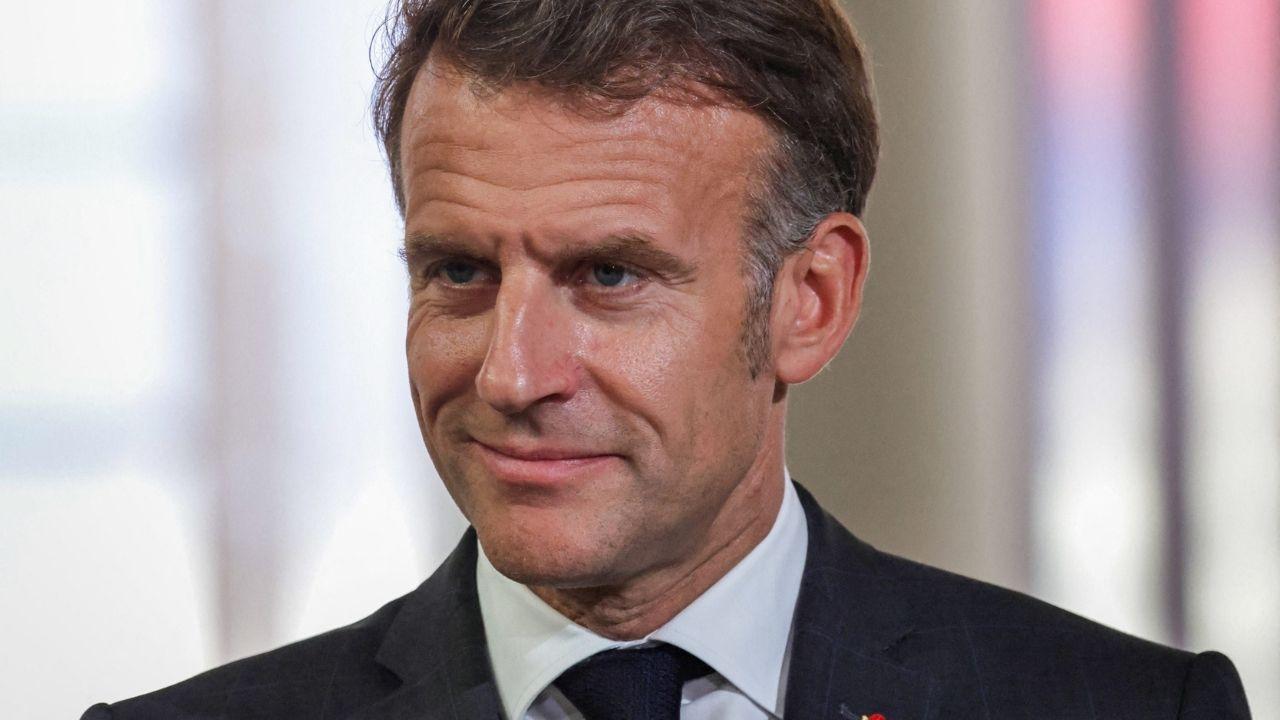
Prime Minister Mark Carney retaliated with steep tariffs reaching fifty percent.
Canada could also seek assistance from European allies, including Britain and France, if such an unprecedented conflict occurred.
Retired Major-General David Fraser, who commanded Canadian troops in Afghanistan, said: "You know, if you come after Canada, you are going to have the world coming after you, even more than Greenland. People do care about what happens to Canada, unlike Venezuela."
He added: "You could actually see German ships and British planes in Canada to reinforce the country's sovereignty."
Trump has repeatedly spoken about Canada becoming America's "51st state" and has also been pursuing US control of Greenland, the self-governing territory within the Kingdom of Denmark.
Those remarks have contributed to tensions with NATO allies as governments confront disputes over Arctic security and sovereignty.
Carney has publicly backed Denmark and Greenland's right to determine the island's future.
He has stated: "On Arctic sovereignty, we stand firmly with Greenland and Denmark and fully support their unique right to determine Greenland's future."
Despite the extraordinary military scenario, Canadian and American armed forces have continued cooperating, including through NORAD.
Retired Lieutenant-General Mike Day, a former commander of Canadian Special Operations Forces Command, has described the prospect of an American invasion as "fanciful."
University of Toronto political scientist Aisha Ahmad argued stronger defenses could make extreme scenarios less likely.
She said: "The better Canada can embrace this approach to homeland defence, the less likely all of these horrible scenarios that nobody wants will ever come to pass."
Fears of All-Out Trade War and Escalation
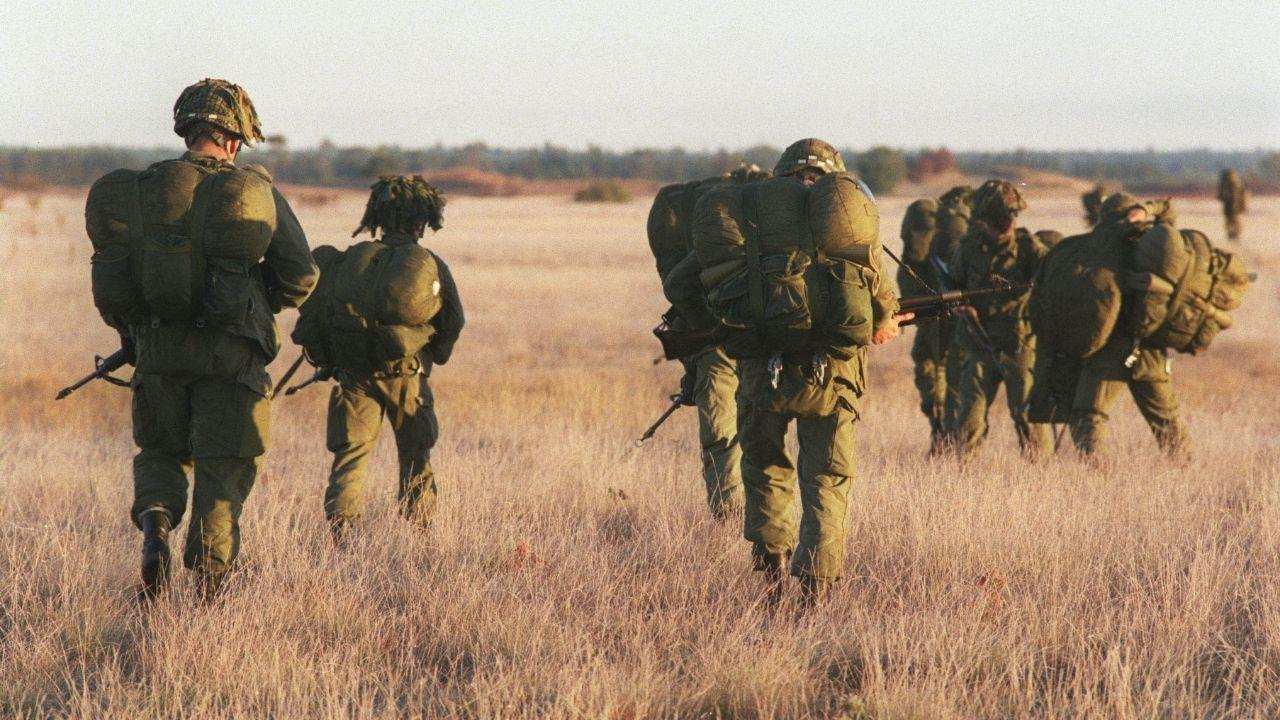
Canadian forces studied ambushes and drone attacks in the scenario.
A Canadian political source said: "There is a growing feeling that this has moved well beyond an ordinary disagreement over tariffs. Every time one side responds, the other comes back with something stronger, and that is why people are increasingly talking about the danger of an all-out trade war – and there are now fears, after the military training it could escalate into an all-out war.
"But they may be overestimated. The concern at the moment is not that American tanks are about to cross the Canadian border. Nobody serious is suggesting that. It is that a relationship which was once regarded as virtually unbreakable is being tested in ways that would have been almost unimaginable only a few years ago.
"The latest measures have only intensified that anxiety. You have tariffs being answered with tariffs, imports being blocked and Canada actively looking at how it can become less dependent on the United States. There is no obvious sign at the moment of either government wanting to back down.
"The military dimension makes the atmosphere even more extraordinary. Canada's contingency modeling was hypothetical and officials have been very clear that an invasion is considered extremely unlikely, but the fact such scenarios have even been examined demonstrates how dramatically the political climate has changed.
"The fear in Ottawa is of an escalating cycle in which economic retaliation starts affecting the wider relationship – trade, diplomacy, defense and Canada's long-term strategic thinking.
"That doesn't mean a shooting war is coming, but it does mean the consequences could stretch far beyond the products currently caught up in the tariffs."
Shifting Alliances and Long-Term Economic Strategy

Never Miss an

Daily updates from the heart of Hollywood, right to your inbox
By entering your email and clicking Sign Up, you’re agreeing to let us send you customized marketing messages about us and our advertising partners. You are also agreeing to our Terms of Service and Privacy Policy.
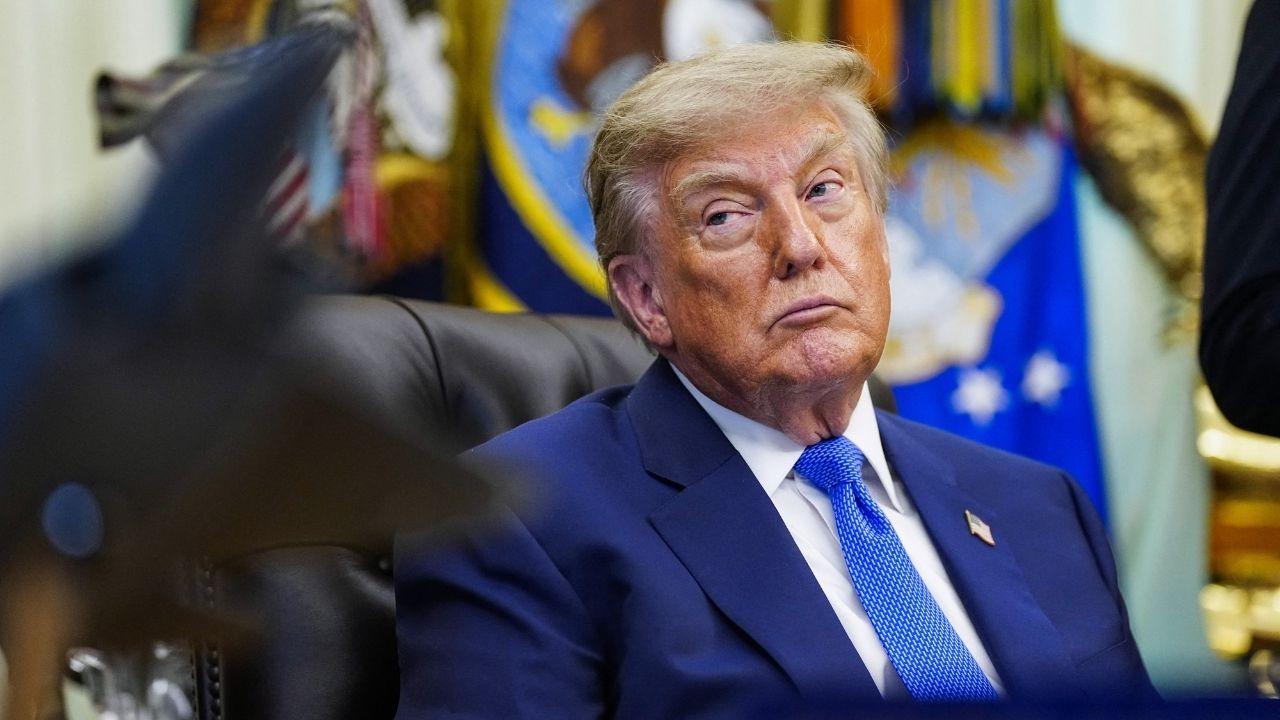
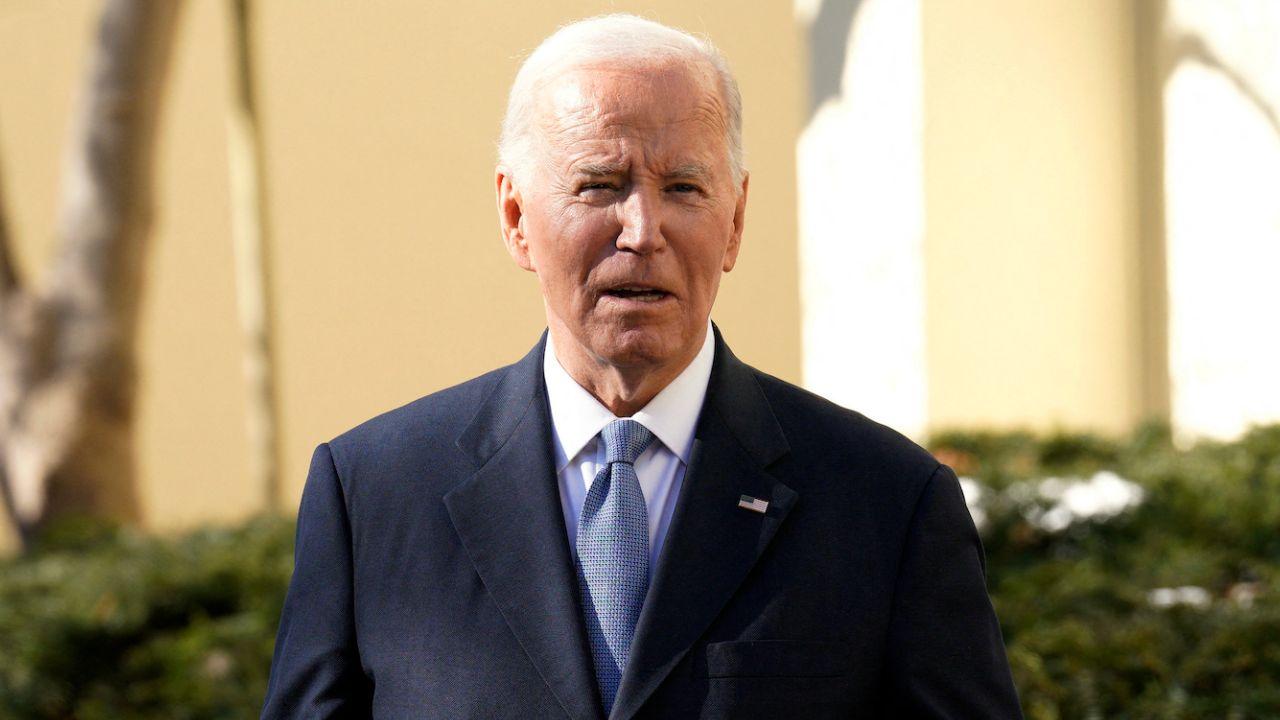
Donald Trump repeatedly discussed Canada becoming America's '51st state.'
A second source familiar with Canada-US relations told us: "Trump's latest move will reinforce the argument inside Canada that the country can no longer assume its economic relationship with Washington will remain stable simply because the two nations have been allies for generations.
"There is enormous symbolism in what is happening. Canada and America have spent decades building one of the closest economic relationships anywhere in the world, yet they are now imposing punitive measures on each other and publicly arguing about the fundamental terms of that relationship.
"The danger with any trade war is escalation. One measure produces retaliation, retaliation produces another response, and suddenly both governments have traveled considerably further than either side might originally have intended.
"For Canada, this is increasingly about sovereignty as well as economics. Carney has made clear that he wants the country to have alternatives so that decisions taken in Washington cannot exercise the same degree of leverage over Canada's economy.
"Nobody should confuse contingency planning with evidence that military conflict is expected. But taken alongside the trade confrontation and the extraordinary political rhetoric of the past year, it helps explain why relations between two historically close neighbors now feel unusually uncertain."
