


EXCLUSIVE: President Donald Trump's Business Deals Risk Fueling Global Corruption, Experts Warn

Experts warned Donald Trump's business deals could fuel global corruption concerns.
July 27 2026, Published 1:59 p.m. ET


President Donald Trump's expanding overseas business interests, combined with changes to US anti-bribery enforcement, risk encouraging corruption around the world by blurring the distinction between public office and private commercial gain, according to experts who study international corruption.
Trump, 80, disclosed extensive global financial interests in his latest annual financial disclosure, detailing income linked to projects and investments across multiple countries and earnings into the billions.
Business Deals Under Fire

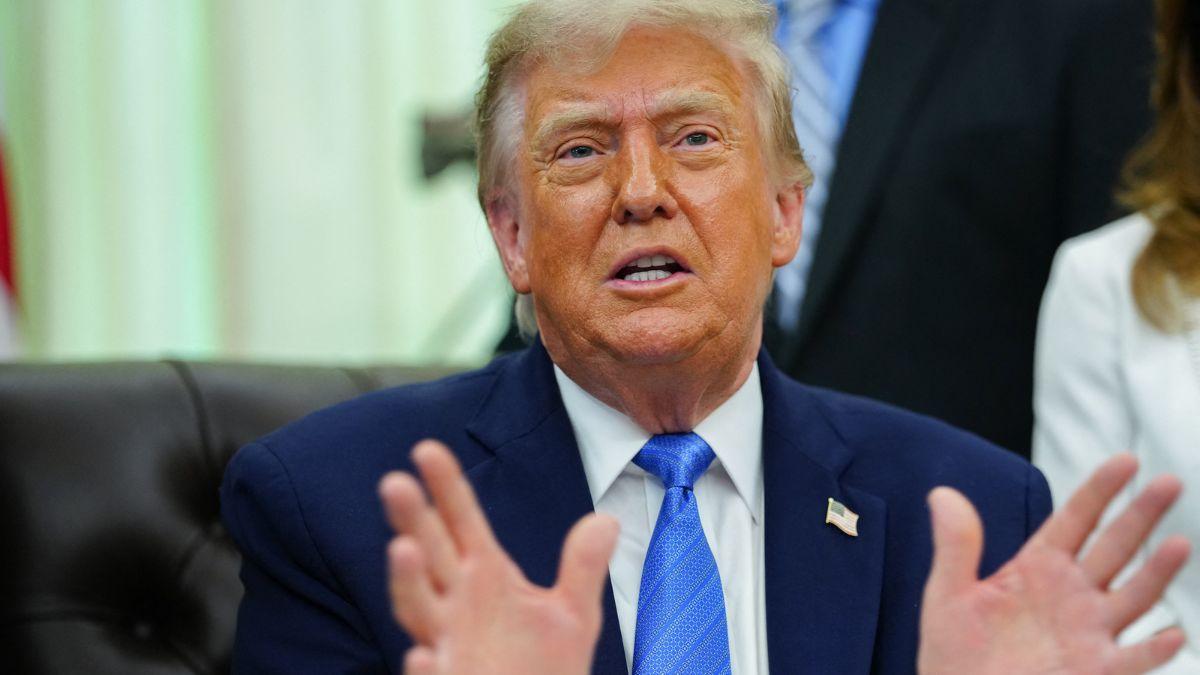
Financial disclosures revealed billions in international income for Trump.
Analysts who have examined the filings said the president's family's commercial relationships increasingly overlap with governments and businesses seeking favorable treatment from Washington, prompting concerns the United States is retreating from its longstanding role as a global leader in combating corruption.
The White House has maintained no conflict of interest exists because Trump's sons oversee the family's business operations.
One expert familiar with the Trump family's international business interests said the combination of policy changes and private commercial activity sends a troubling signal overseas.
The source said: "The concern is not simply where business is being conducted. It is that governments and companies may increasingly believe commercial relationships with the president's family can help advance their interests.
"Even the perception of that can weaken international anti-corruption standards."
According to reporting on Trump's financial disclosures, his holding company collected at least $125million in direct payments from foreign sources last year, including business linked to Britain, India, Indonesia, Ireland, Oman, the Philippines, Qatar, Romania, Saudi Arabia, South Korea, Turkey, Vietnam and the United Arab Emirates.
Foreign Ties Raise Questions
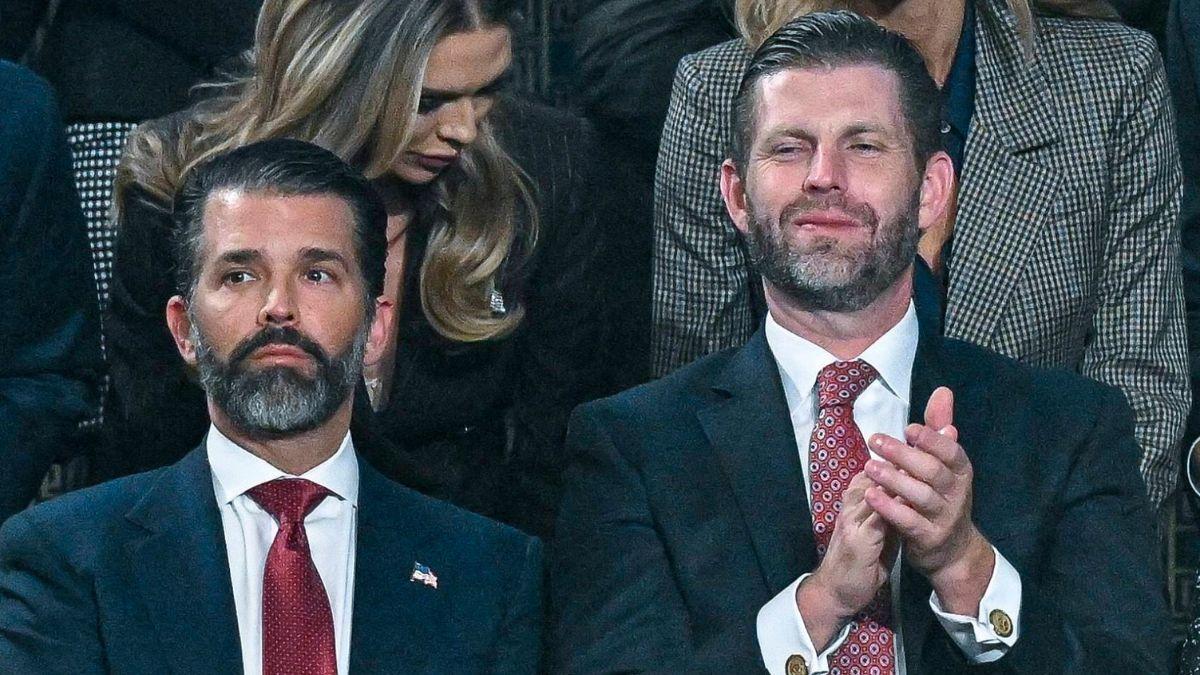
Donald Trump Jr. and Eric Trump invested in a venture connected to Kazakhstani tungsten mining.
Last year, an investment firm connected to the United Arab Emirates acquired a significant stake in World Liberty Financial, the Trump family's main cryptocurrency venture.
Four months later, the Trump administration approved access for the Emiratis to advanced artificial intelligence computer chips.
In another example, Trump spoke with the president of Kazakhstan regarding access to one of the world's largest untapped tungsten reserves for a US mining company.
Shortly afterward, Donald Trump Jr. and Eric Trump became investors in a company that now owns a stake in that mining venture.
Other developments have also attracted scrutiny.
Vietnamese officials accelerated approval of a Trump golf development while negotiating to avoid steep US tariffs, while a South Korean company lobbying against penalties on its aluminum exports paid $2million to Trump's holding company for a golf course project.
Anti-Bribery Shift Criticized
Foreign sources paid Trump's holding company over $125 million.
For decades, the United States was regarded as one of the world's most aggressive enforcers of anti-bribery laws following the introduction of the Foreign Corrupt Practices Act in 1977.
The legislation imposed severe penalties on companies and executives found to have bribed foreign officials to secure business.
Eric Lipton, who reports on the Trump family's business operations, said: "The United States, the cop on the block, has walked away."
Lipton has also argued that one of the most significant policy shifts following Trump's return to the White House was the administration's decision to largely suspend enforcement of the Foreign Corrupt Practices Act.
Officials argued previous enforcement placed American companies at a disadvantage when competing for strategic assets such as critical minerals and deepwater ports.

Experts Sound Alarm
Never Miss an

Daily updates from the heart of Hollywood, right to your inbox
By entering your email and clicking Sign Up, you’re agreeing to let us send you customized marketing messages about us and our advertising partners. You are also agreeing to our Terms of Service and Privacy Policy.
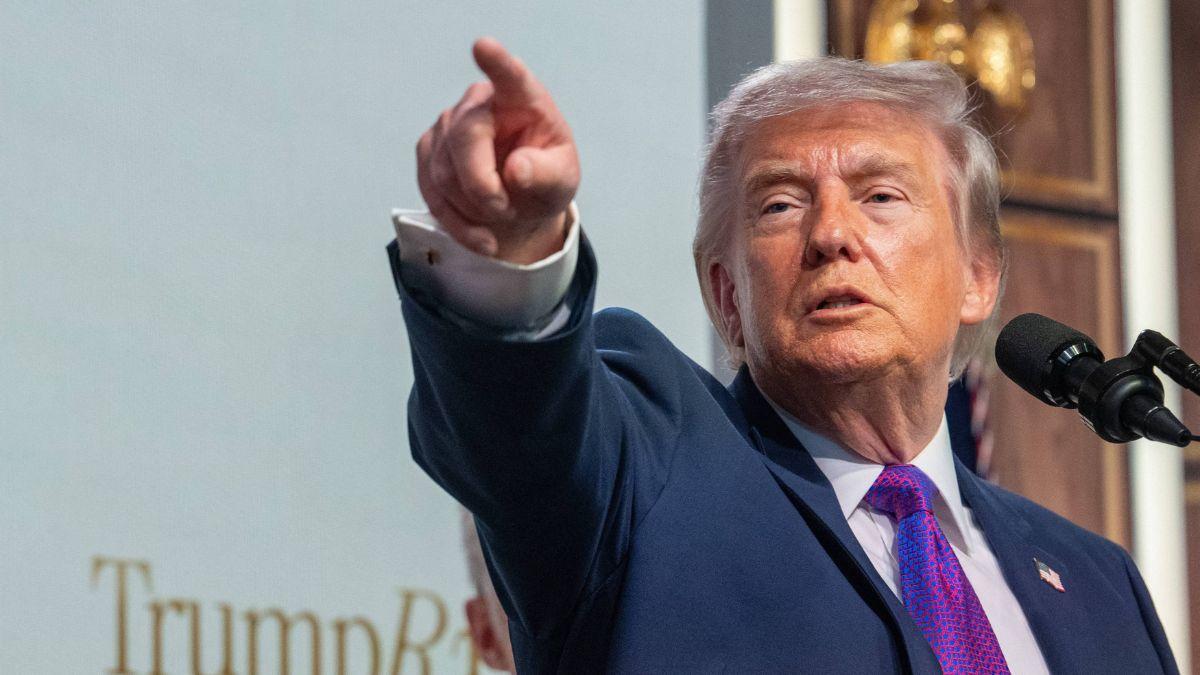
Executive policy shifted away from Foreign Corrupt Practices Act oversight.
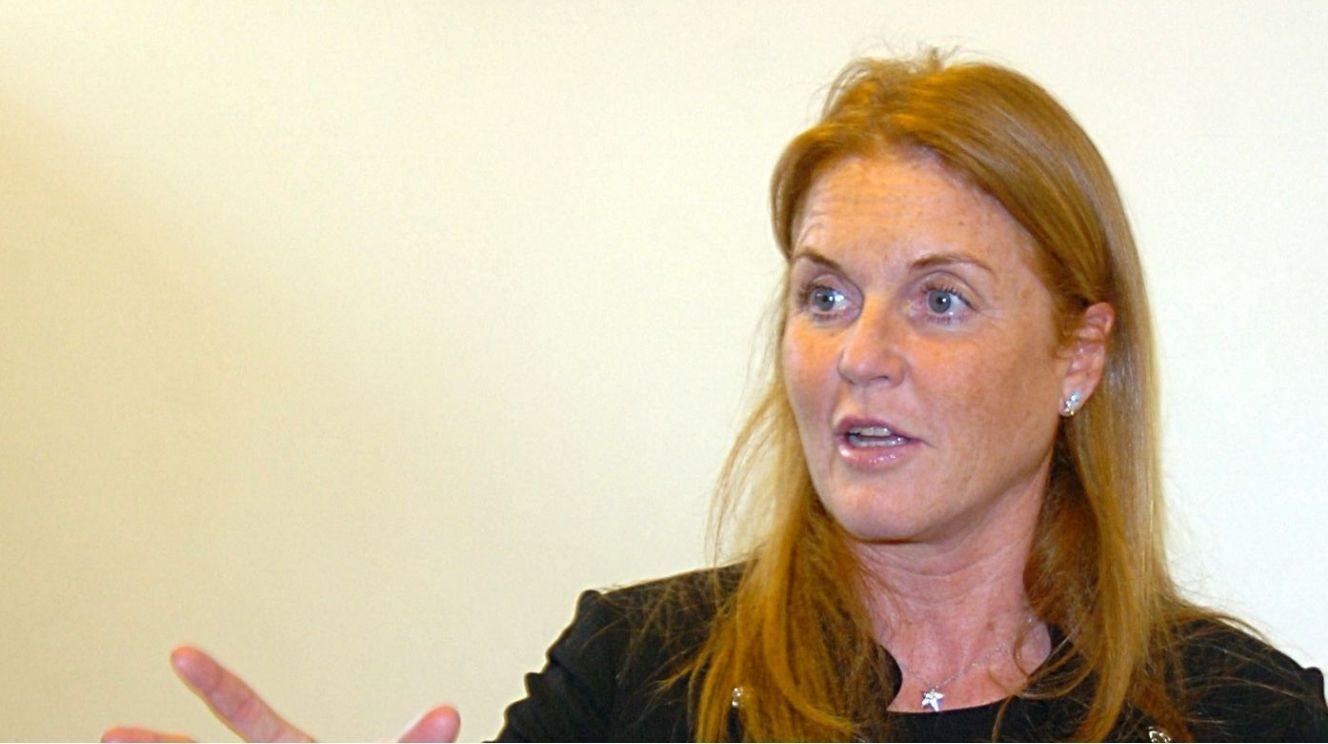
Liz David-Barrett, a professor at the University of Sussex who specializes in transnational corruption, said the US approach increasingly resembles models adopted by countries including Russia and China, where commercial relationships often take precedence over governance concerns.
She said America now appeared to be adopting "a transactional, no-questions-asked model," adding the difference was Trump had "openly blurred the line between what's in his country's interest and what's in his own interest."
Experts say the long-term impact is difficult to quantify because corruption is inherently secretive, but they argue weakening international anti-bribery enforcement while the president's family continues to expand overseas business interests risks encouraging similar practices elsewhere.
