


CNN's Dana Bash Puts Sean Duffy on the Spot Over Trump's Silence as Nationwide Flight Chaos Leaves Travelers Stranded: 'Didn't Americans Deserve to Hear From the President?'

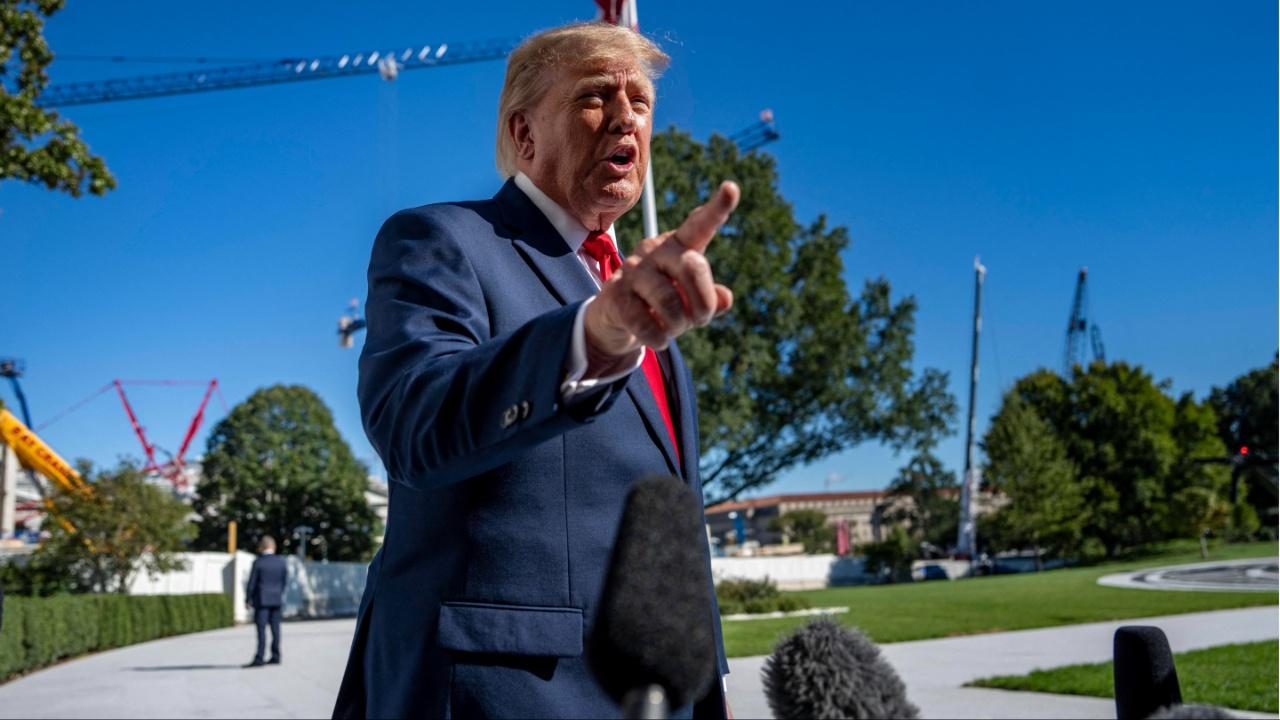
Trump first commented publicly on the disruption Sunday, more than a day after it began.
Nov. 15 2026, Published 3:06 p.m. ET


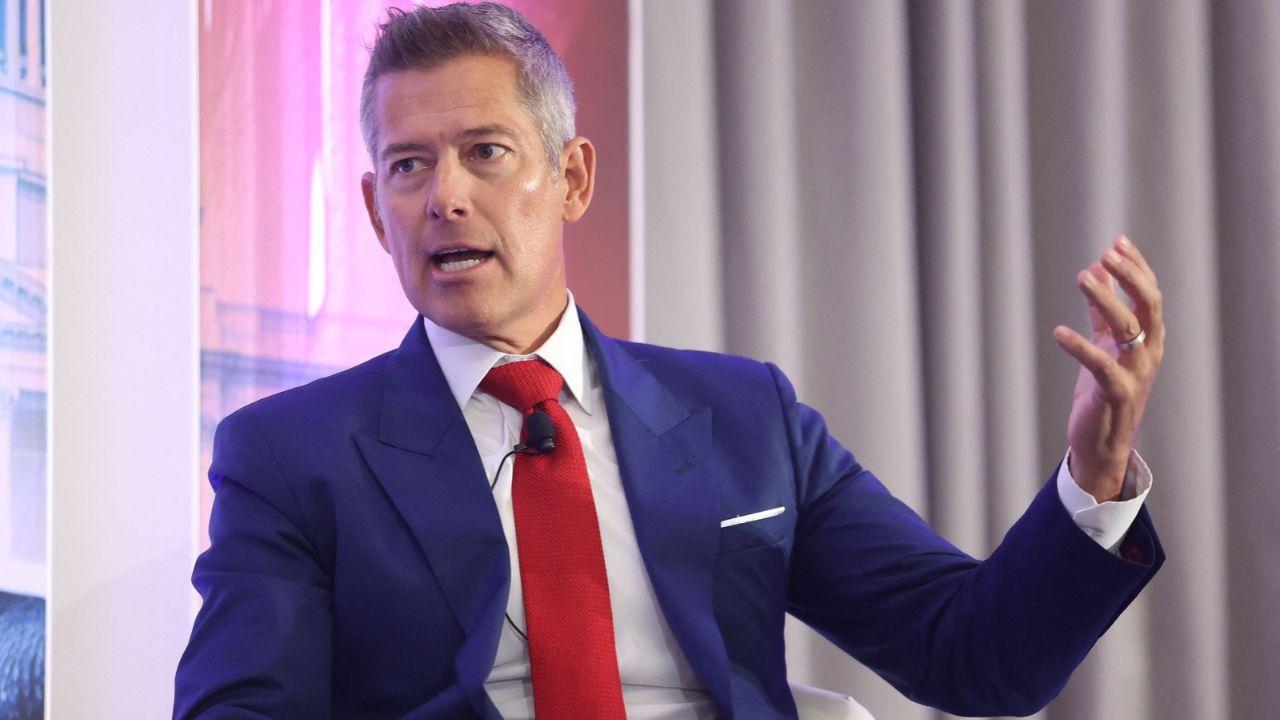
Transportation Secretary Sean Duffy defended President Donald Trump's response to Friday's nationwide FAA ground stop after CNN anchor Dana Bash questioned why the president waited more than a day to address the disruption publicly.
During Sunday's appearance on CNN's State of the Union, Bash confronted Duffy over Trump's silence as thousands of flights were canceled and travelers faced uncertainty about when they could reach their destinations.
"The president just made his first real public comments about this on social media this morning," Bash said. "Didn't Americans deserve to hear from him while this was going on?"
Duffy maintained that Trump had been closely involved throughout the crisis, claiming the president was regularly briefed and had directed officials to coordinate their response across multiple government agencies.
Bash Questions Trump's Public Silence

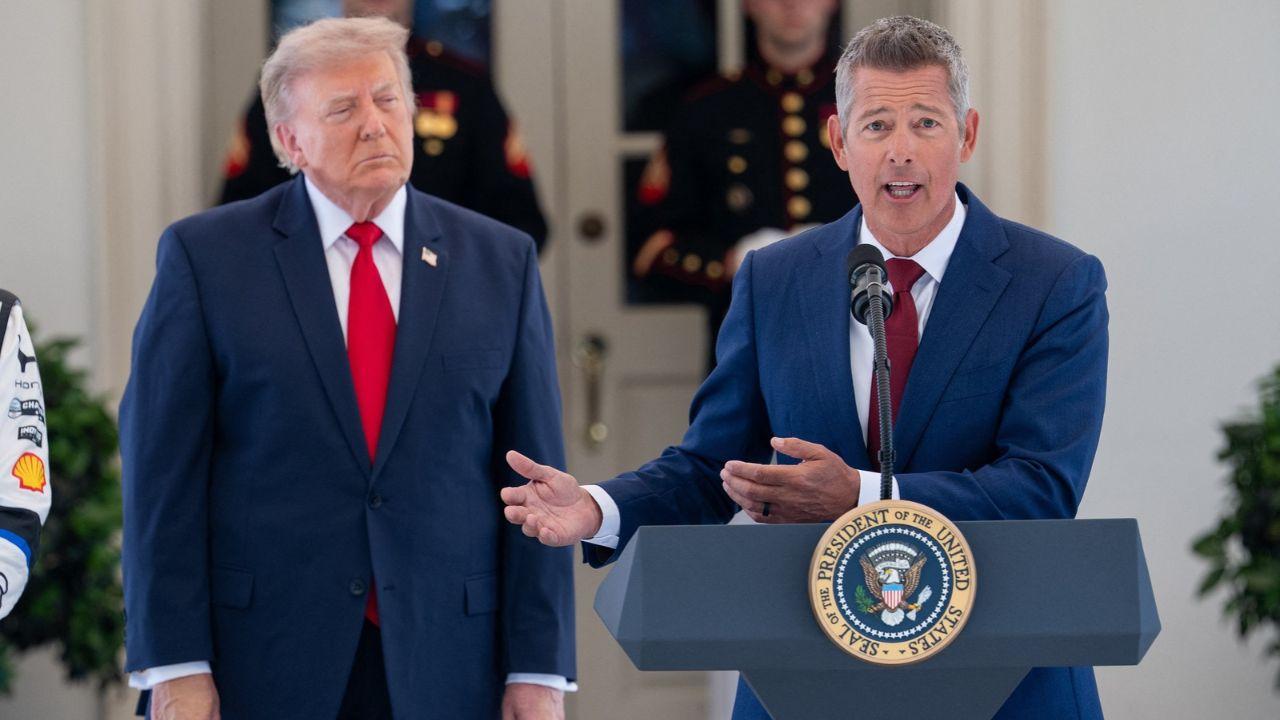
Duffy said some air traffic systems date to the 1990s and radar to the 1960s and 1970s.
Bash pointed out that Trump had continued posting about other subjects on social media while the aviation disruption was unfolding but had not publicly addressed the situation.
Duffy explained that he and Homeland Security Secretary Markwayne Mullin went directly to the White House after the ground stop began and briefed Trump in the Oval Office.
According to the transportation secretary, Trump instructed officials to adopt a "whole-of-government approach" to addressing the problem, with federal agencies working together to investigate the disruption.
"The president was engaged with me and Markwayne Mullin the entire time," Duffy said. He also praised Trump's involvement, describing it as "a sign of great leadership."
Duffy Cites Aging Air Traffic Technology
The FAA grounded flights Friday after instability affected radar and communications systems.
When Bash asked whether he accepted responsibility for the disruption, Duffy acknowledged his position as transportation secretary but also pointed to problems with the country's aging aviation infrastructure.
"I take responsibility for what was given to me by prior administrations," he said, explaining that parts of the air traffic control system had been outdated for decades.
Duffy said some of the technology dates back to the 1990s, while certain radar equipment originated in the 1960s and 1970s.
The FAA issued the nationwide ground stop on Friday, November 13, after experiencing instability involving communications and radar systems used by air traffic controllers. Officials ordered the stoppage as a precaution while working to stabilize the network.
Funding Dispute Over Modernization
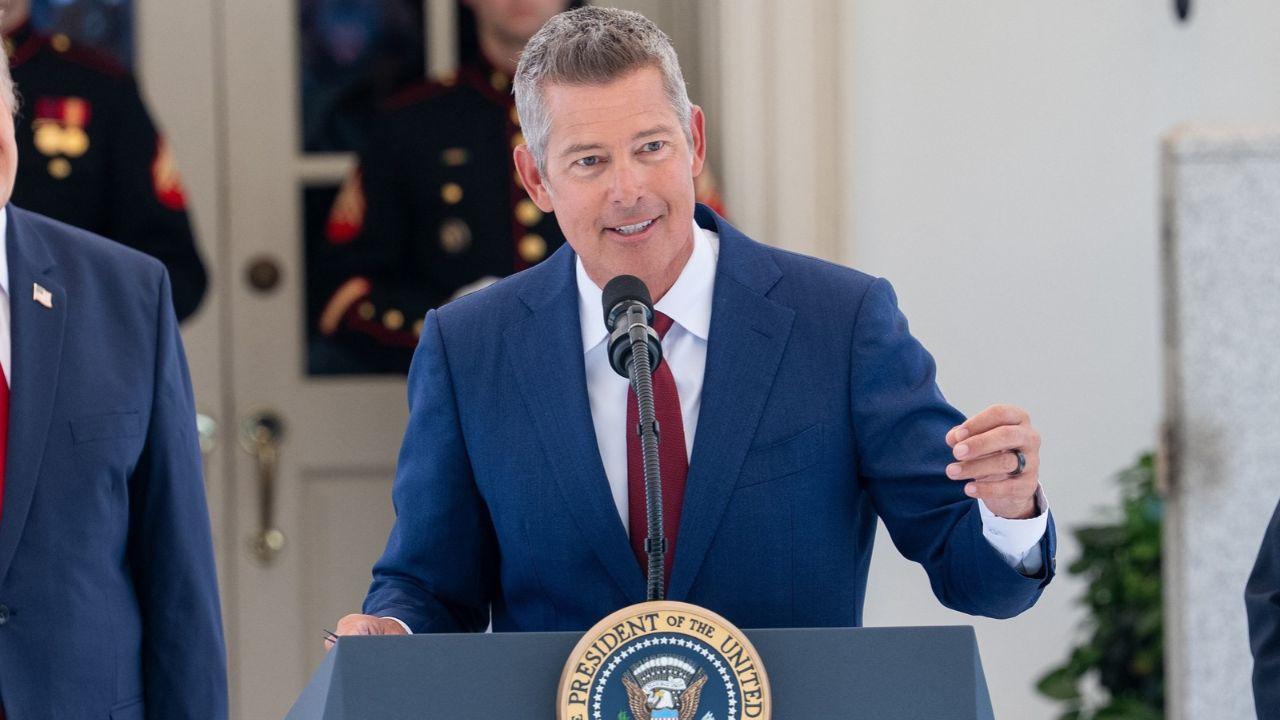
The ground stop was lifted Friday evening, but delays and cancellations continued.
Bash challenged Duffy's argument about insufficient funding, noting that Republicans currently control Congress and that Trump has previously pushed lawmakers to support other spending priorities.
Duffy maintained that the president had supported modernizing the aviation system even before taking office and had consistently backed his efforts to secure additional funding.
Congress previously approved $12.5 billion for FAA modernization. However, Duffy argued that the money was designated for specific equipment, including radios, radar, and telecommunications infrastructure, rather than the broader software and network overhaul he believes is necessary.
He has called for an additional $50 billion to complete the modernization effort, arguing that the existing allocation cannot address all the system's problems.
Investigation Continues as Flights Recover

Never Miss an

Daily updates from the heart of Hollywood, right to your inbox
By entering your email and clicking Sign Up, you’re agreeing to let us send you customized marketing messages about us and our advertising partners. You are also agreeing to our Terms of Service and Privacy Policy.
Cancellation totals varied by timeframe, with reports citing 12,462 Friday and more than 17,500 over two days.
The FAA lifted the nationwide ground stop at approximately 8:15 p.m. ET on Friday after officials stabilized the affected systems. However, the disruption continued to affect airline schedules as carriers worked to reposition aircraft and crews.
The agency's November 15 update said approximately 12,462 flights were canceled on Friday, including cancellations that were not necessarily directly caused by the ground stop.
Officials said the network instability involved an excessive volume of data affecting legacy equipment. The FAA's investigation remained ongoing, although the agency said there was no indication of a cyberattack.
Trump finally addressed the disruption publicly on Sunday morning, criticizing the condition of the country's air traffic control infrastructure and urging Congress to approve additional modernization funding.
Duffy also appeared on several other Sunday political programs to discuss the investigation and the administration's efforts to prevent another nationwide disruption.
