


EXCLUSIVE: A Great Citizen — Radar Reveals Secrets Behind Making of 'Greatest Movie of All Time' as 'Citizen Kane' Turns 35

Radar has revealed the secrets behind the making of 'Citizen Kane,' hailed as the greatest movie ever.

July 13 2026, Published 7:00 a.m. ET


Citizen Kane remains one of the most influential films ever made, a groundbreaking drama that changed the language of cinema and continues to top critics' best-movie lists more than eight decades after its release, RadarOnline.com can reveal.
The film, which came out in 1941, stars and was directed by Orson Welles, who was just 25 years old when he made it.
The Truth Behind 'Rosebud'

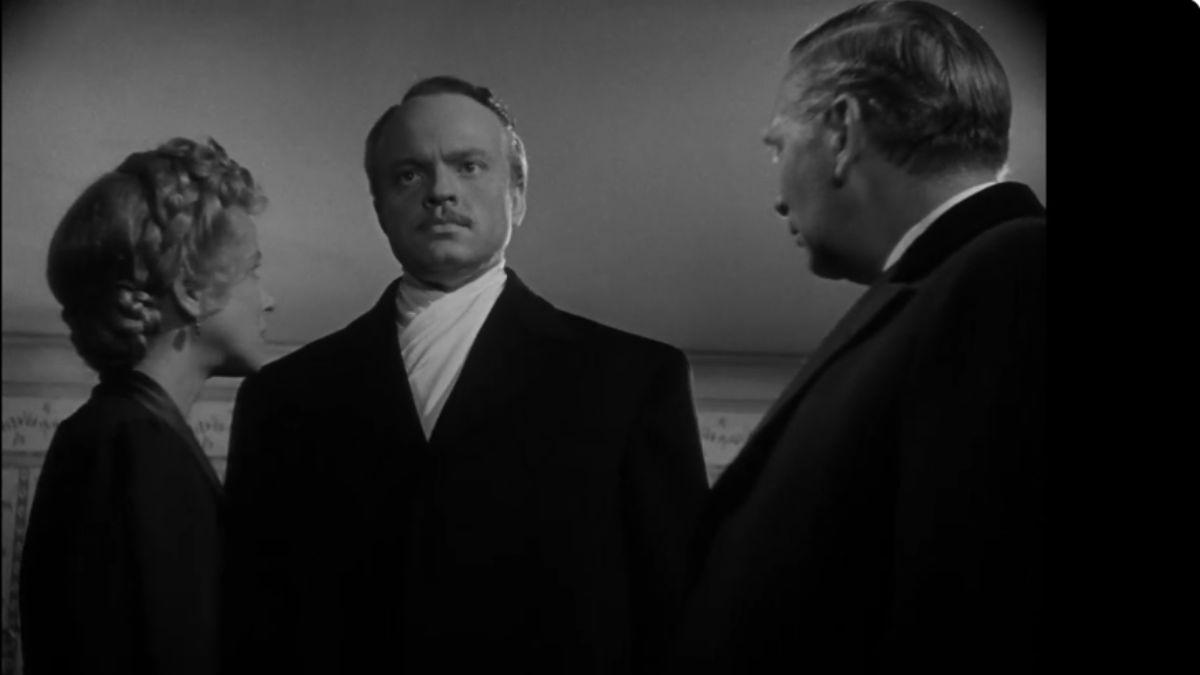
Orson Welles directed and starred in 'Citizen Kane' at age 25, playing newspaper tycoon Charles Foster Kane.
Welles plays newspaper tycoon Charles Foster Kane, a wealthy and powerful man whose dying word – "Rosebud" – sparks a journalist's quest to uncover its meaning.
The story unfolds through a series of flashbacks as the reporter interviews people who knew Kane. Born into poverty, Kane is sent away from his family after a valuable mining claim makes them rich. He grows up determined to wield influence and eventually builds a vast newspaper empire.
Along the way, he acquires wealth, political power and fame, but his personal relationships steadily crumble. His marriage fails, his political ambitions are destroyed by scandal, and his attempts to shape the career of his second wife end in disaster.
As the mystery unfolds, viewers see Kane as a complex figure – generous yet selfish, idealistic yet controlling. By the film's end, the audience learns "Rosebud" was (spoiler alert) the name of Kane's childhood sled, a symbol of the innocence and happiness he lost when he was separated from his family.
Success Couldn't Heal His Past
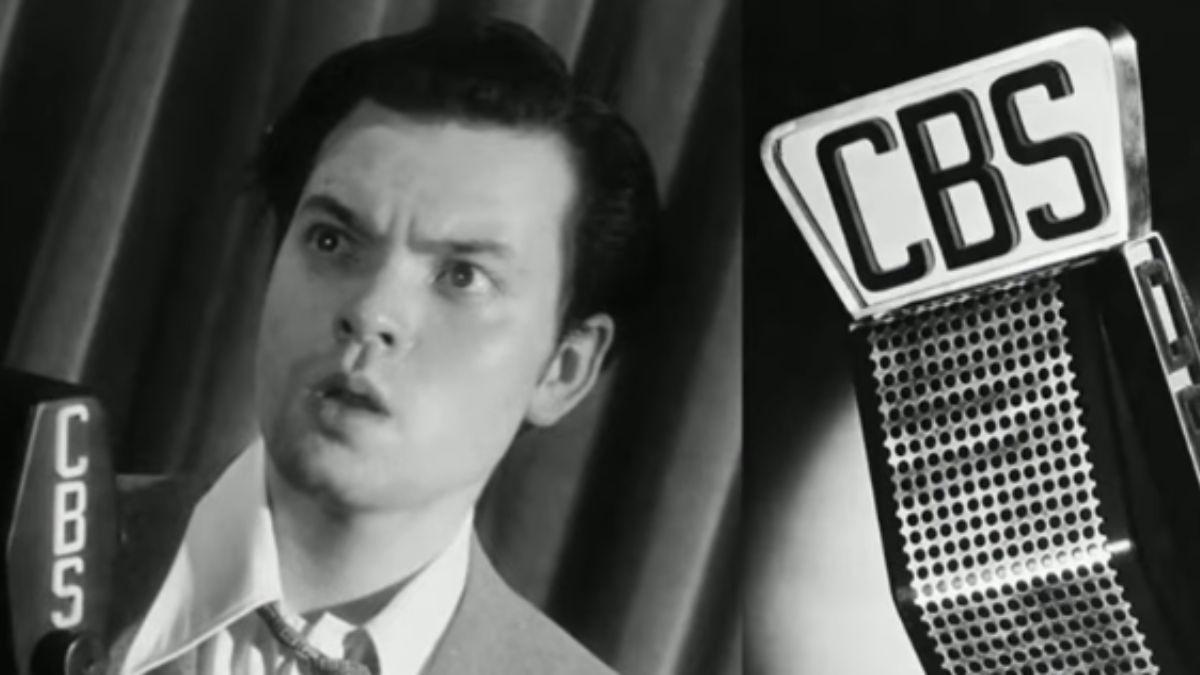
RKO Pictures granted Welles unprecedented creative control after his 'The War of the Worlds' radio broadcast.
The revelation suggests that despite all his success, Kane spent his life trying to recover something money could never buy.
Behind the scenes, Citizen Kane has a story almost as fascinating as the film itself. Welles had become a sensation after his famous 1938 radio broadcast of The War of the Worlds convinced some listeners that aliens were invading Earth.
Impressed by his talent, RKO Pictures gave the young prodigy an unprecedented contract granting him remarkable creative control.
Many observers believed Kane was inspired by newspaper magnate William Randolph Hearst. Hearst himself was furious. Although the character was not a direct biography, similarities between Kane and Hearst were difficult to ignore.
Hearst Tried to Kill Classic
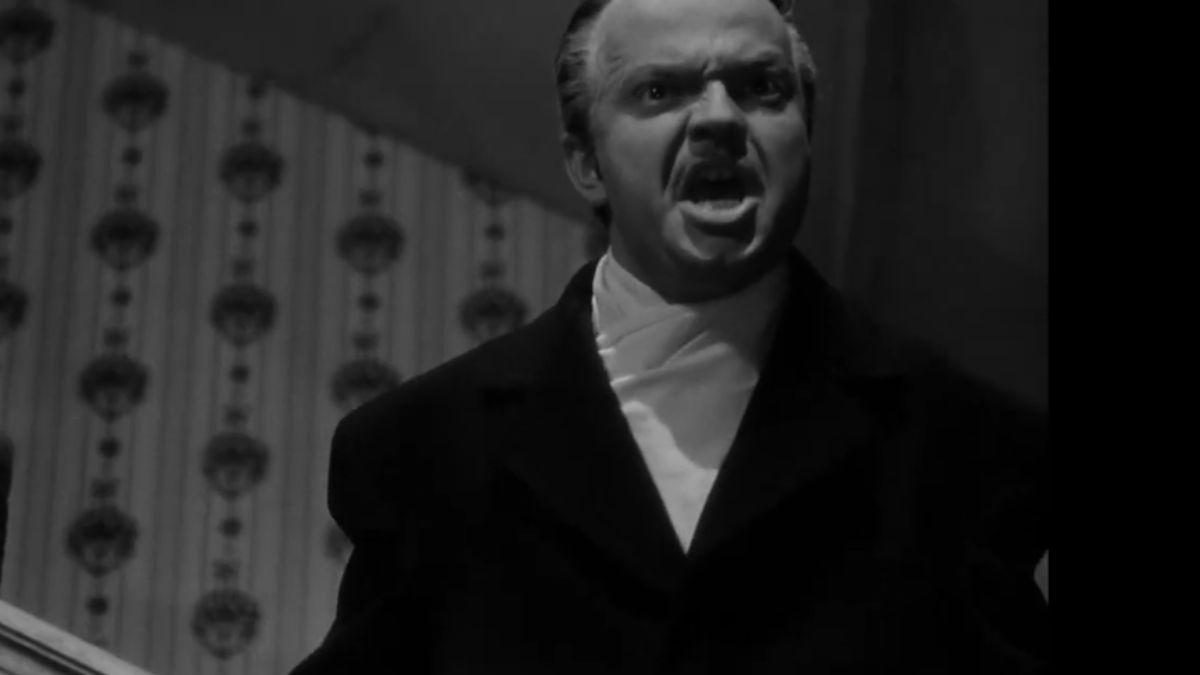
William Randolph Hearst reportedly tried to suppress 'Citizen Kane' over its perceived similarities to his life.
Hearst reportedly used his newspapers to attack the movie and attempted to suppress it. Major theater chains were pressured not to show the film, and for years, its reputation suffered because of the controversy.
The movie was also revolutionary for its cinematography. Cinematographer Gregg Toland employed deep-focus photography, allowing objects in both the foreground and background to remain sharp.
Unusual camera angles, dramatic lighting, overlapping dialogue and innovative editing techniques gave the film a style unlike anything audiences had experienced before. Many of these methods became standard tools for future filmmakers.

Why It Became Legendary

Never Miss an

Daily updates from the heart of Hollywood, right to your inbox
By entering your email and clicking Sign Up, you’re agreeing to let us send you customized marketing messages about us and our advertising partners. You are also agreeing to our Terms of Service and Privacy Policy.
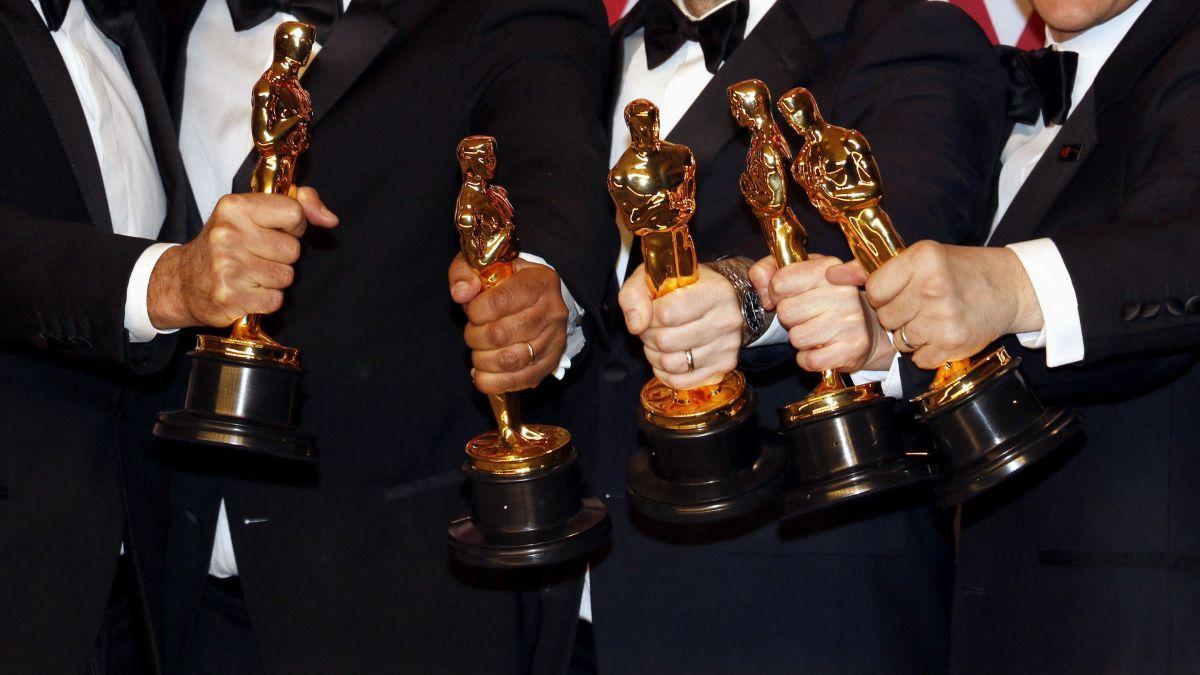
Welles and Herman J. Mankiewicz won the Oscar for Best Original Screenplay for 'Citizen Kane.'
Despite receiving nine Academy Award nominations, Citizen Kane won only one Oscar – Best Original Screenplay for Welles and Herman J. Mankiewicz. Over time, however, critics and historians reassessed its achievements.
So why do many consider Citizen Kane the greatest movie ever made? The answer lies in its combination of technical innovation, ambitious storytelling and emotional depth.
The film broke cinematic rules while telling a timeless story about ambition, loneliness and the price of success. Its influence can be seen in countless movies that followed, and its artistry remains as powerful today as it was in 1941.
For many film scholars, Citizen Kane isn't merely a classic – it's the benchmark against which all other films are measured.
