


EXCLUSIVE: Cara Delevingne Admits Psychological Torment at Heart of Drugs Struggle

Cara Delevingne has admitted psychological torment played a role in her drug struggle.
Oct. 25 2026, Published 6:00 p.m. ET


Cara Delevingne was locked in a devastating cycle of self-hatred during her drug abuse, which left her psychologically tormented.
RadarOnline.com can also reveal her emotional struggles became so overwhelming she feared exposing herself to further public judgment by putting out any creative projects of her own.
Cara Delevingne Reveals Music Career Delay

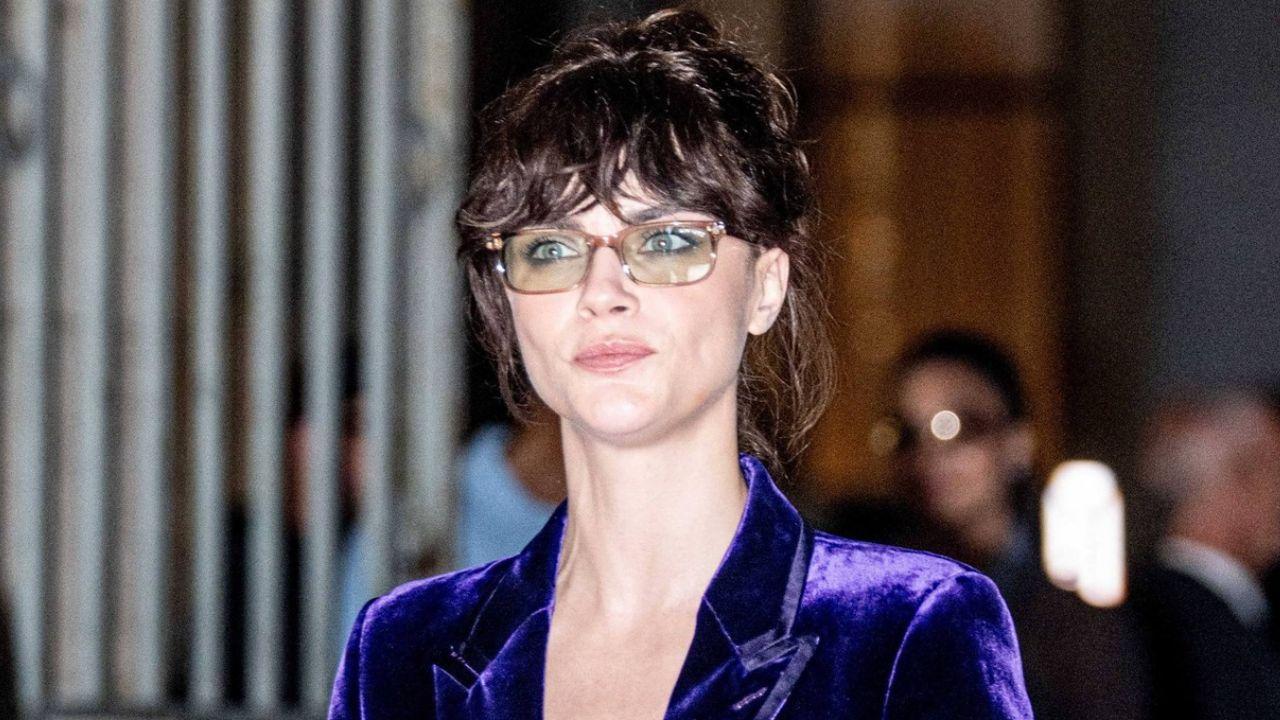
Cara Delevingne revealed how addiction fueled her battle with self-hatred.
The 34-year-old British supermodel and actress, who has spoken openly about her battles with substance abuse, has now revealed her deteriorating self-image prevented her from pursuing a music career despite achieving international fame.
Speaking to Bustle following the September release of her debut album, Not Normal, Delevingne explained how addiction, insecurity and the pressures of celebrity had left her unable to cope with criticism.
She said: "Not being a sober person, I was so all over the place, and was on the edge of so much self-hatred, that putting out music and people having judgement on that – I just wouldn't have been able to handle it."
Her admission offers a revealing insight into the psychological difficulties that accompanied her extraordinary rise through the fashion and entertainment industries.
Overcoming Addiction And Public Scrutiny
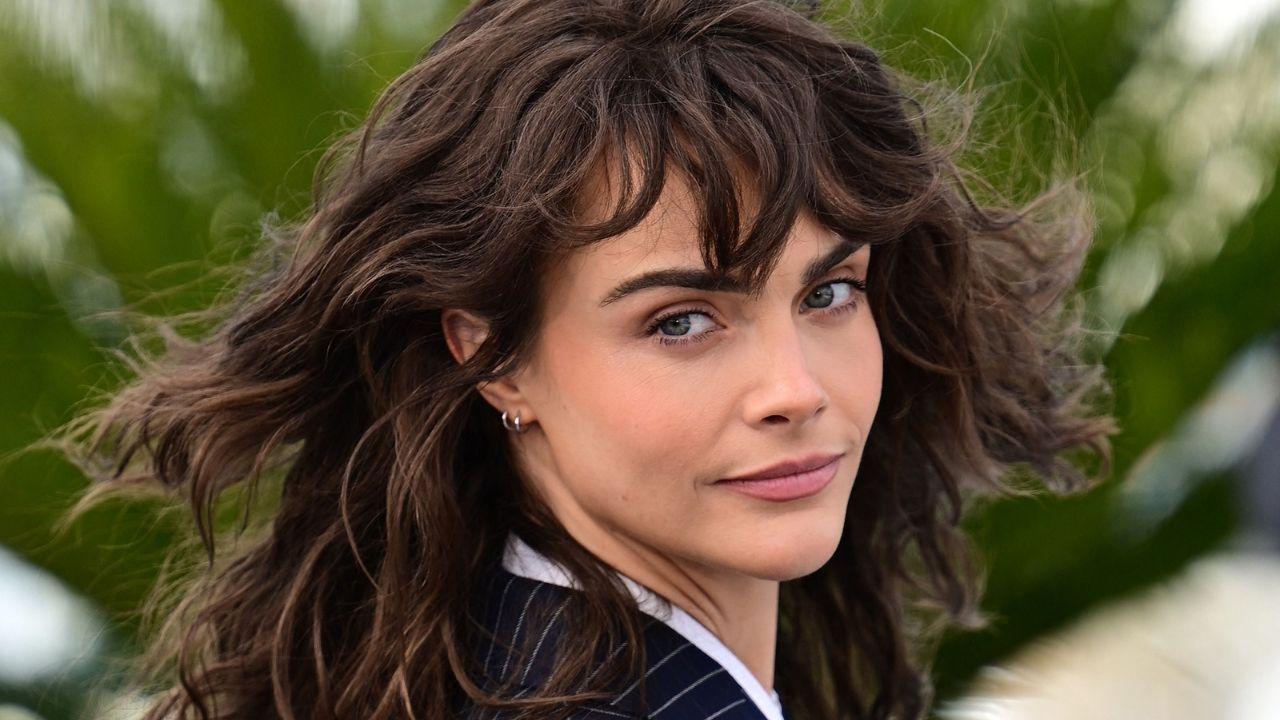
The model revealed how fame took a toll on her mental health.
Delevingne, who began experimenting with illegal drugs during adolescence, also suggested her emotional vulnerability had become particularly pronounced when contemplating the release of her own music.
She said: "Back then, I could just about cope with people telling me I'm not pretty or ugly or not good at acting, but I couldn't deal with (scrutiny over my music.) I just wouldn't have been able to hack it."
The London-born star's comments underline the contrast between her confident public persona and the insecurities she experienced privately.
Despite becoming one of the world's most recognizable models and establishing a successful acting career, Delevingne admitted the relentless scrutiny accompanying fame had taken a significant emotional toll.
She previously explained substance abuse had become a means of escaping feelings she struggled to confront.
Speaking to ELLE, she said: "I numbed myself for a pretty long time and felt numb in general, even if I wasn't numbing myself to what I was doing. I didn't feel as grateful as I do now because it was just so intense, and I found that whirlwind of being recognised quite difficult. I'm just open to anything at this point."
Fiona Apple Helped Inspire Delevingne's Debut Album

Delevingne credited Fiona Apple as a major artistic inspiration.
Her decision to now finally release music represents a significant development in her creative career.
Delevingne collaborated with acclaimed singer-songwriter Fiona Apple, 49, on her new album, describing the musician as a major personal and artistic influence.
Discussing their unusual songwriting process, she said: "The verses of (Need It) were written through us sending pictures of Post-it Notes back and forth to each other, which is now a weird thing to think about.
"Why did we not just send a Notes app screenshot? But we were like, 'I need to write this down on a Post-it Note and send it!'"
Delevingne added: "You can't really hear her as much in the music, but she's just been an inspiration to me as a person and as an artist. I absolutely adore her."
Never Miss an

Daily updates from the heart of Hollywood, right to your inbox
By entering your email and clicking Sign Up, you’re agreeing to let us send you customized marketing messages about us and our advertising partners. You are also agreeing to our Terms of Service and Privacy Policy.
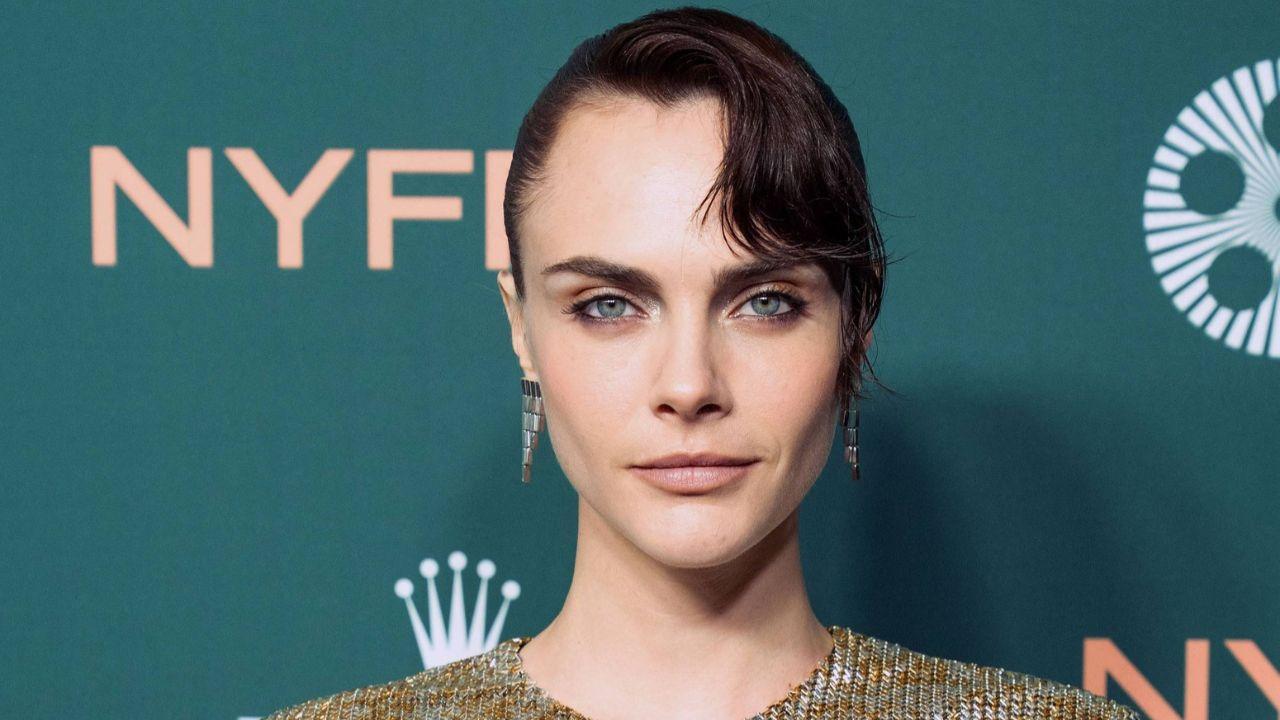
Delevingne reflected on her recovery after years of addiction and scrutiny.
Reflecting on her changed outlook, Delevingne added to ELLE: "I feel so much more excited and open about everything at this stage in my life."
Delevingne rose from London's fashion scene to become one of the world's most successful supermodels, before establishing a Hollywood career with the films Suicide Squad and Paper Towns.
Behind her glamorous image, she battled addiction, mental health struggles and intense public scrutiny, before eventually embracing sobriety, personal recovery and music.
