


EXCLUSIVE: Revealed — The Huge Sign British Establishment is Finally Turning on Scandal-Swamped Royal Family

One major sign has officially shown the British establishment turning against the royal family amid intense scandals.
March 16 2026, Published 9:00 a.m. ET


King Charles is facing an embarrassing blow to royal tradition after the BBC dropped its live broadcast of the annual Commonwealth Day service – a move critics have told RadarOnline.com signals the British establishment may finally be turning on the scandal-swamped monarchy amid renewed scrutiny surrounding Andrew Mountbatten Windsor.
Cancer-battling Charles, 77, attended the Commonwealth Day service at Westminster Abbey on March 9 alongside Queen Camilla, 78, and William, Prince of Wales, 43, and Catherine, Princess of Wales, 44.
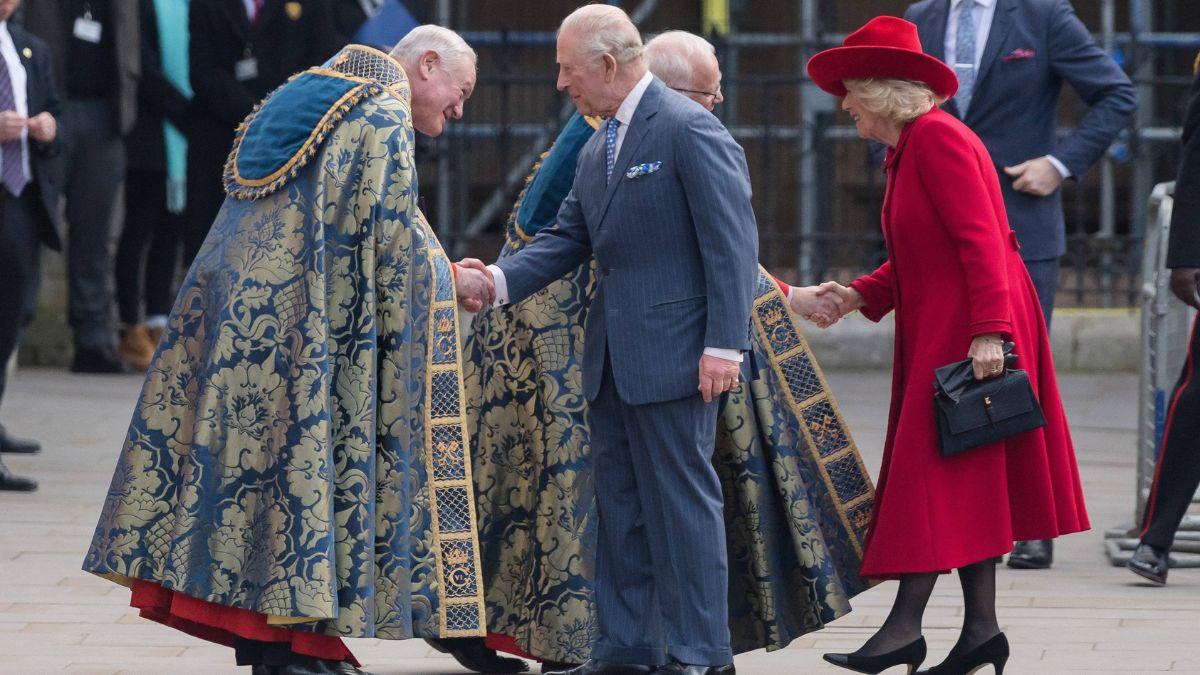
King Charles faced an awkward moment after the BBC dropped a royal broadcast.

The ceremony, a longstanding celebration of the Commonwealth's 56 member nations and their 2.7 billion citizens, has been broadcast live on British television since 1989.
This year, however, BBC One did not air the event live, instead screening an episode of the property show Escape to the Country, featuring a Canadian couple searching for homes in Scotland's Central Lowlands.
One royal expert slammed the broadcaster's decision.
They said: "This was an astonishing and deeply disappointing decision. For decades the BBC has broadcast the Commonwealth Day service as a matter of course because it is widely regarded as one of the most significant moments in the royal and diplomatic calendar, celebrating the ties between dozens of nations and billions of people."
"When a national broadcaster that has traditionally championed the event decides it is no longer worth showing live, it sends a troubling signal about how the Commonwealth and royal family themselves are being valued."
"If the BBC no longer sees the occasion as important enough to highlight in full, despite its historic and cultural significance for member countries and the monarchy, there is a real risk that the relevance of the Commonwealth will slowly erode in the public consciousness with each passing year."
BBC Blames Budget Pressures For Change
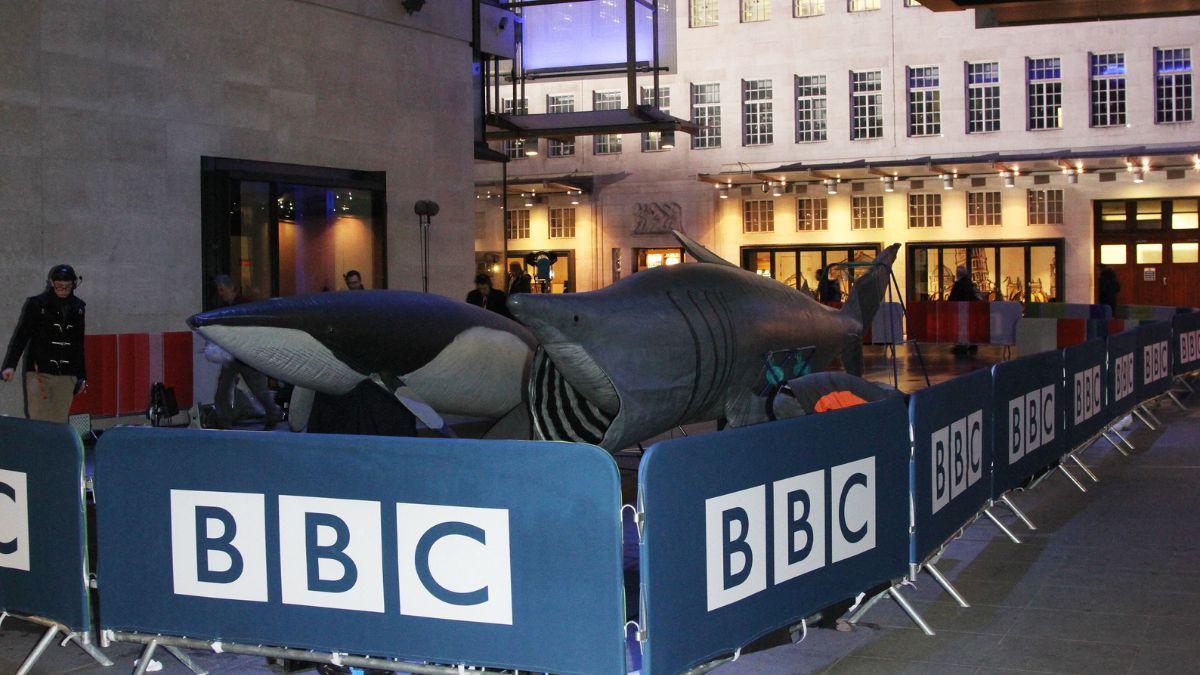
The BBC said the change was due to budget pressures.
The BBC has attributed the decision to financial pressures, saying the move reflects broader budget constraints affecting programming choices across the network.
A spokesperson for the broadcaster said: "Our decision not to broadcast the Commonwealth Day ceremony in the same way we've done in previous years reflects the difficult choices we have to make in light of our funding challenges."
The spokesperson added: "BBC News plans to cover the service across its platforms, including the BBC One bulletins and rolling news channel."
Palace Sources Furious Over 'Public Snub'
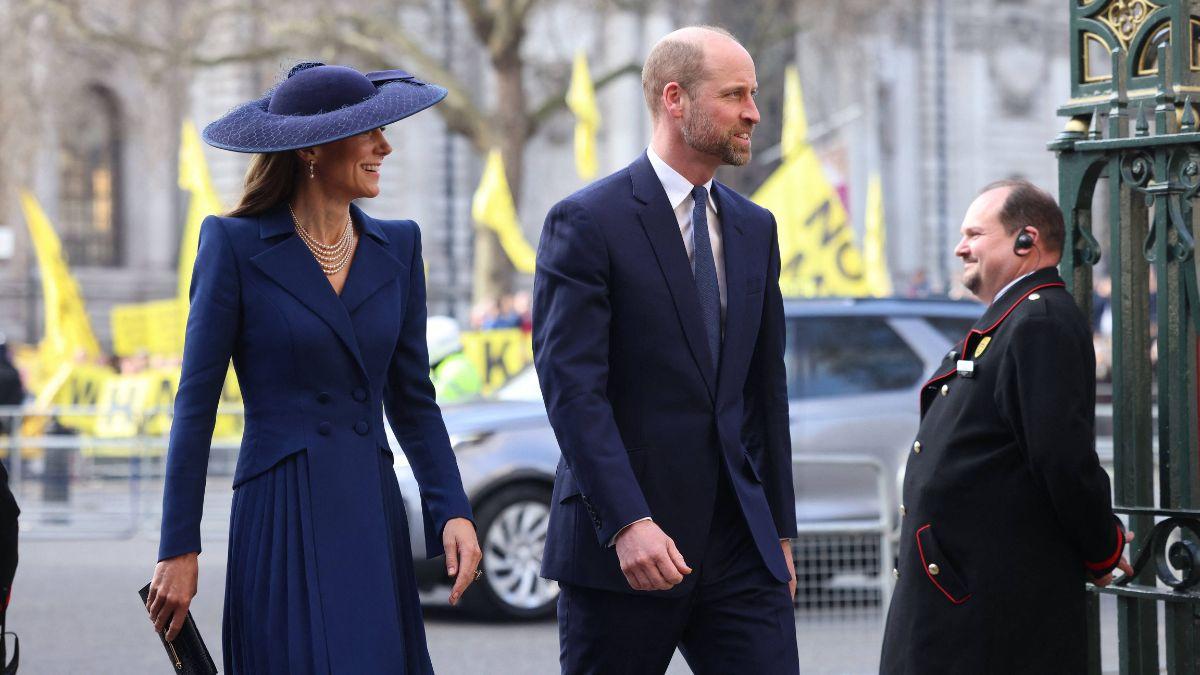
Palace insiders reportedly reacted with anger to the decision.
Behind the scenes, however, royal insiders said the decision has triggered anger within palace circles, who see the snub as symbolic of shifting attitudes toward the monarchy.
One source close to the royal household said: "There is real fury about this decision. For decades the Commonwealth Day service has been treated as a central event in the royal calendar, so the BBC dropping its live broadcast feels like a very public snub."
"Many inside the palace view it as a sign the establishment is beginning to turn on the royal family, particularly as the fallout from the Andrew Windsor scandal continues to damage the monarchy's reputation."
A palace aide added the timing of the decision has heightened tensions.
They said: "At one point this would have been unthinkable. The BBC has historically been very careful about maintaining its relationship with the monarchy, so removing the live broadcast now is being interpreted by some as evidence that the mood around the royals is changing."
"There is a growing feeling within royal circles that institutions which once protected the monarchy are now distancing themselves, and this move has only reinforced that perception."
Commonwealth Day has been marked annually since 1972 and remains the only yearly event dedicated to celebrating the ties between the Commonwealth nations, which include countries such as Australia, Canada and India.

Never Miss an

Daily updates from the heart of Hollywood, right to your inbox
By entering your email and clicking Sign Up, you’re agreeing to let us send you customized marketing messages about us and our advertising partners. You are also agreeing to our Terms of Service and Privacy Policy.
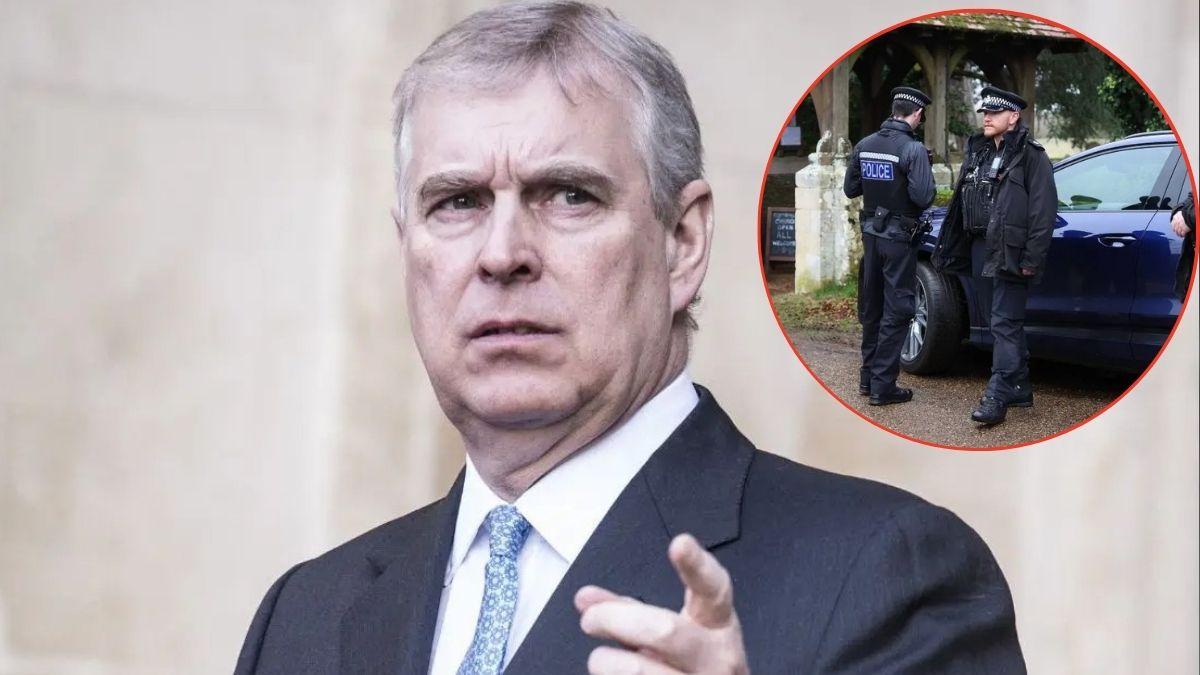
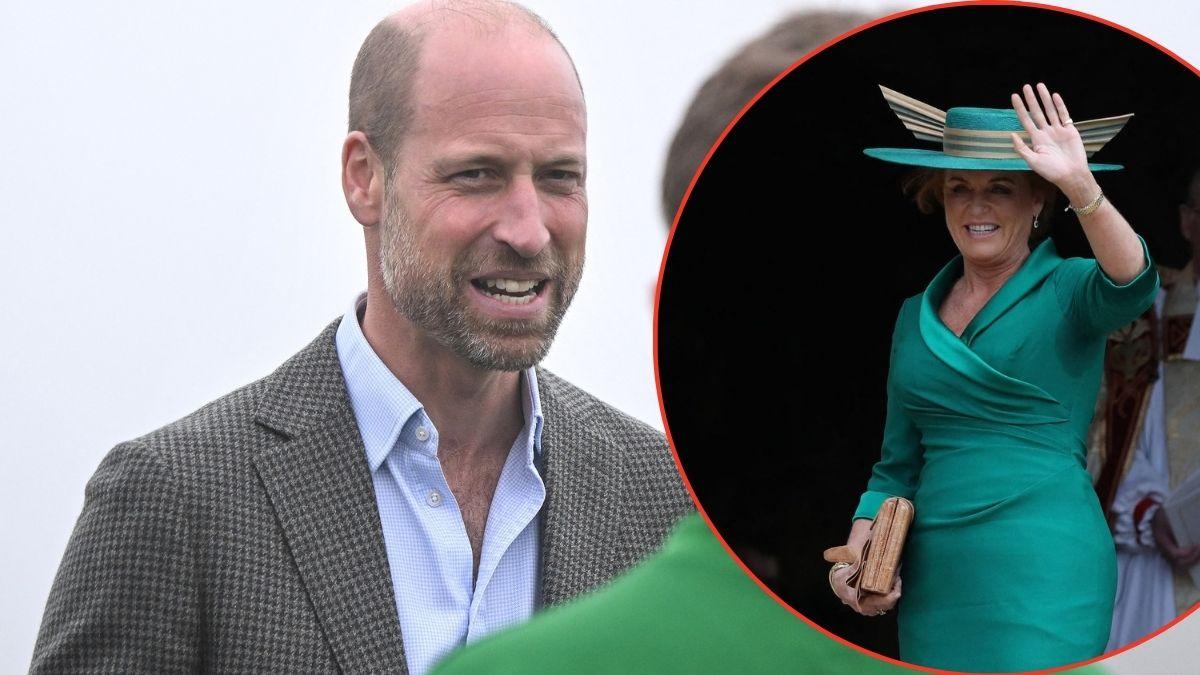
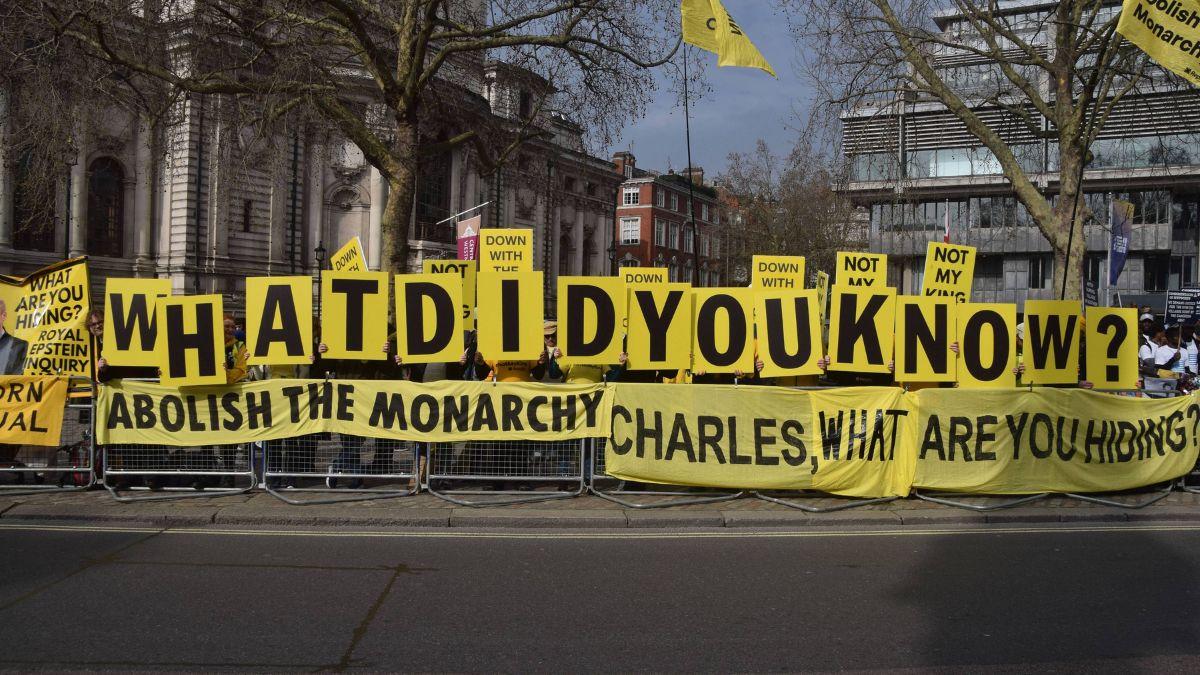
The controversy surrounding Andrew Mountbatten Windsor has intensified scrutiny.
The service at Westminster Abbey typically brings together around 1,800 guests from across politics, diplomacy and public life.
This year's ceremony included readings from Geri Halliwell-Horner, the former Spice Girls singer, and Oti Mabuse a former Strictly Come Dancing reality show professional dancer.
While the event was still be covered through news bulletins and online reporting, the absence of a live television broadcast marks the first time in decades that the ceremony will not be aired in full to a national audience on BBC One.
One royal watcher said the symbolism has not gone unnoticed.
They said: "For many observers this feels like a significant moment, when even institutions that once amplified the monarchy's role appear less willing to place it front and center."
