


EXCLUSIVE: Brigitte Bardot's Biggest Controversies Revealed — Including Homosexuality, Islam and #MeToo Scandals

Brigitte Bardot’s controversial past is under the spotlight following her death.
Dec. 29 2025, Published 6:00 p.m. ET


Brigitte Bardot was a figure who seemed to court outrage as readily as adoration – an actress RadarOnline.com can reveal whose sexual liberation shook up the 1960s while her outspoken views on homosexuality, Islam, and #MeToo ensured controversy dogged her until her death at 91.
Bardot, born in Paris on September 28, 1934, died in Saint-Tropez on December 28, having lived a life that traced the arc of postwar celebrity culture.
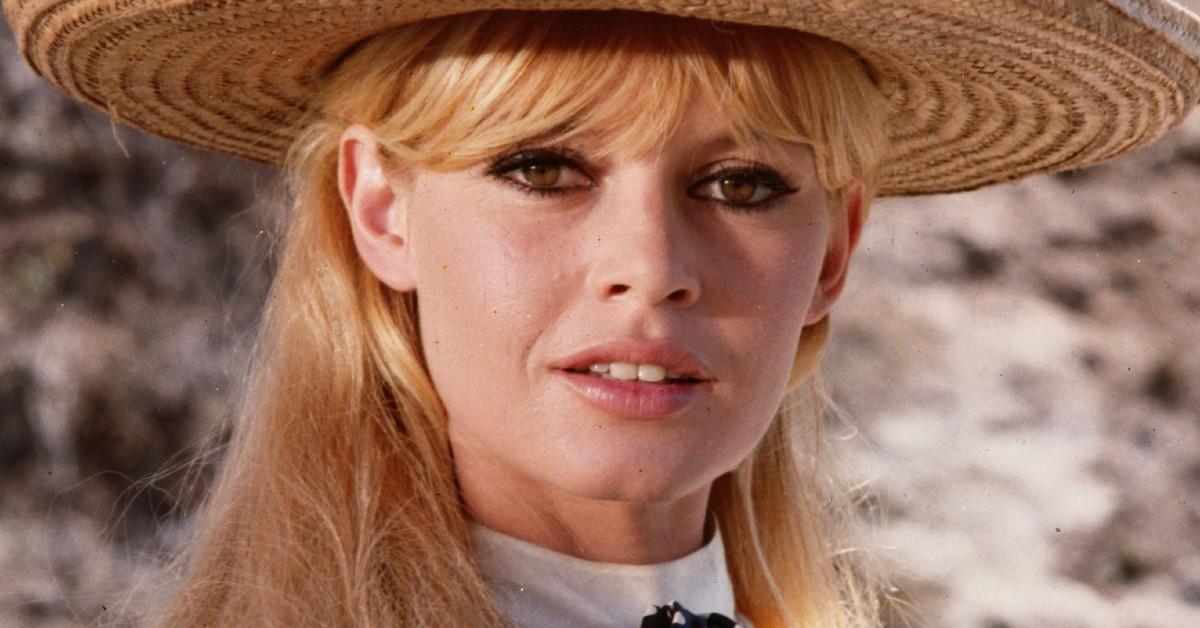
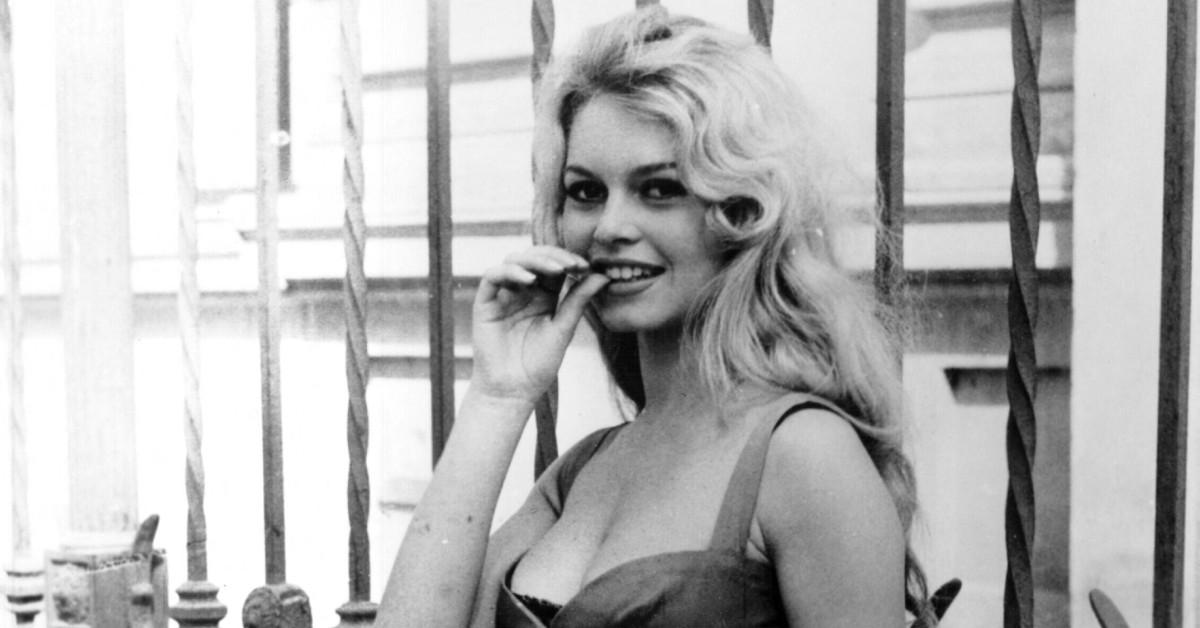
Bardot shocked the world with her unapologetic love of sexual freedom.

She rose to global fame as a symbol of erotic freedom, then withdrew from film before the age of 40 to devote herself to animal activism – while repeatedly igniting public anger through remarks that brought fines and condemnation in France.
The backlash began early. In 1958, an article in the L.A. Mirror asked: "Should we ban Brigitte Bardot?"
Columnist Dick Williams complained: "Every time I pick up a newspaper or go by a theatre marquee there she is, blasted all over the place with her stringy, unkempt hair, her plunging necklines, her bare feet, her vapid eyes and her half-opened mouth."
He added the casual's casual attitude towards marriage was both shocking and immoral.
But that criticism only amplified Bardot's appeal. The bombshell had become an international sensation two years earlier with And God Created Woman (1956), playing a teenage orphan with an unapologetic attitude to s--.
The film made $4million in the U.S., a record for a foreign-language release, and was banned in several states. A Philadelphia district attorney branded it "lascivious, sacrilegious, obscene, indecent, or immoral nature" – in a judgment that drew audiences in droves.
'I Gave My Youth and Beauty to Men'
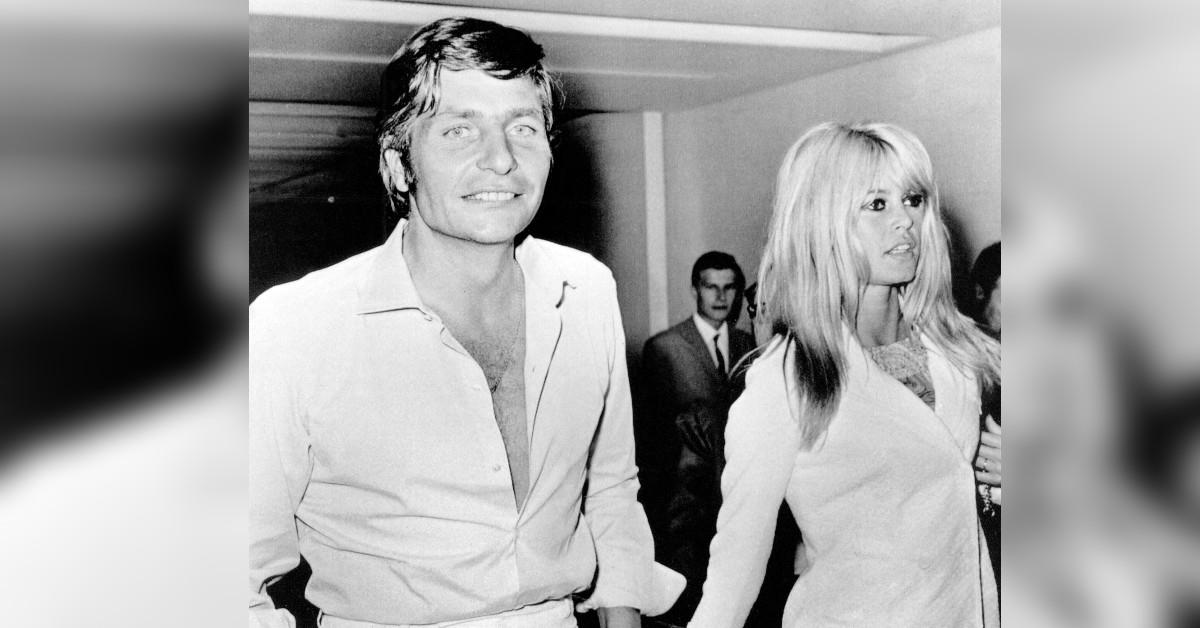
The actress refused Hollywood contracts and walked away while still on top.
The philosopher Simone de Beauvoir framed Bardot's impact in an essay titled The Lolita Syndrome, writing, "a saint would sell his soul to the devil merely to watch her dance."
Her image helped ignite the sexual revolution on both sides of the Atlantic, earning her the label "s-- kitten," a term coined specifically for her.
Yet Bardot refused Hollywood contracts, quit acting before 40, and insisted on personal autonomy over industry expectations.
In later life, the controversies shifted from sexuality to the cancel culture world.
Bardot was fined by French courts for remarks in her memoir about wanting to abort her son, Nicolas-Jacques Charrier, now 65, and for comments deemed to incite racial hatred.
Since retiring, she devoted herself to the Brigitte Bardot Foundation for animal welfare. "I gave my youth and beauty to men," she once said – before adding: "I am going to give my wisdom and experience to animals."
Bardot's Shocking Statements Exposed
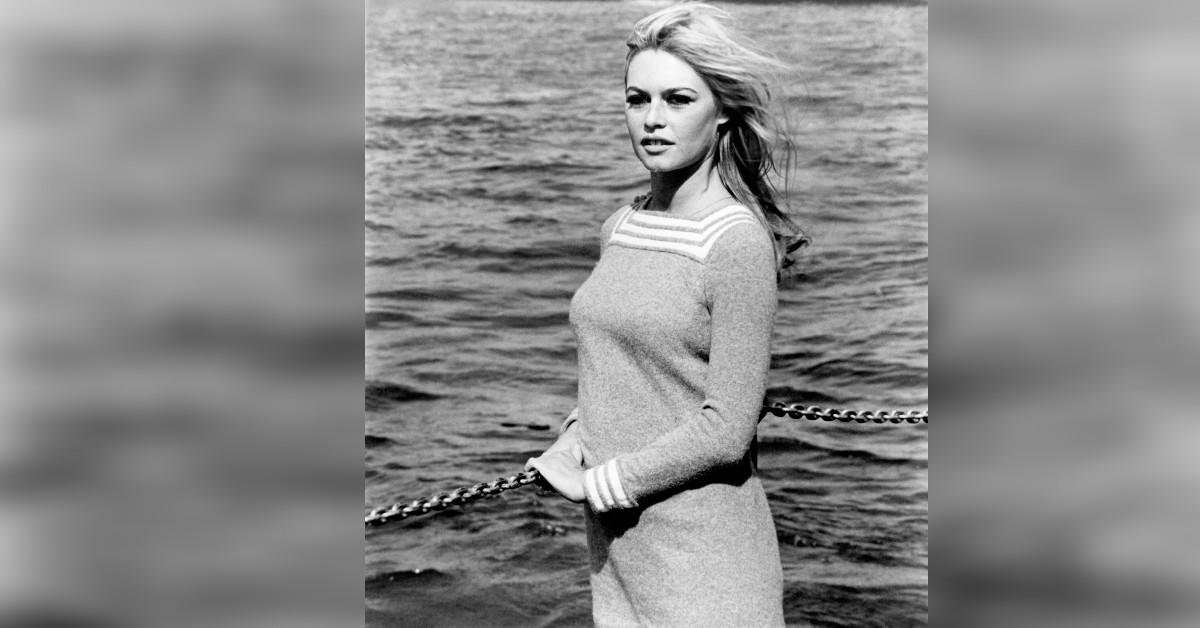
Bardot scandalized critics by comparing her unborn child to a tumor.
Her personal life was turbulent. She married actor Jacques Charrier in 1959 and gave birth to her son the following year.
In her 1996 memoir, she described pregnancy in extreme terms, calling her unborn child a "cancerous tumor," saying she punched herself in the stomach and asked for morphine.
She later told a press conference she would have "preferred to give birth to a little dog," remarks that led to a court-ordered damages payment in 1997.
Professionally, Bardot delivered acclaimed performances in La Vérité (1960) and Jean-Luc Godard's Le Mépris (1963).
In a 2004 book, Bardot called gay people "fairground freaks," moaned about the "scandal" of unemployment benefits, and claimed France was being "infiltrated" by "sheep-slaughtering Muslims."
She also recorded music, collaborating with Serge Gainsbourg on songs including Bonnie and Clyde and Je t'aime... Moi Non Plus, with the latter initially withheld at the demand of her then-husband Gunter Sachs.
Defiance and Activism

Never Miss an

Daily updates from the heart of Hollywood, right to your inbox
By entering your email and clicking Sign Up, you’re agreeing to let us send you customized marketing messages about us and our advertising partners. You are also agreeing to our Terms of Service and Privacy Policy.
Bardot sent France into uproar when she blasted #MeToo and defended Depardieu.
After retiring in 1973, Bardot settled in Saint-Tropez and intensified her activism.
Her fourth marriage, in 1992, to Bernard d'Ormale connected her to France's far right.
Between 1997 and 2008, she was convicted five times for inciting racial hatred, including a $18,000 fine for saying: "I am fed up with being under the thumb of this population (the Muslim community) which is destroying us, destroying our country and imposing its acts."
She remained defiant to the end.
In a May 2025 television interview, she dismissed #MeToo, defended Gérard Depardieu, and declared: "Feminism isn't my thing. I like guys."
Reflecting on her withdrawal from fame, she said: "I had nothing more to say. I am aware that not everyone liked it. In my life, I was often photographed and filmed. Now I love nature, peace. Many people were angry with me for that."
