


EXCLUSIVE: AI Military Mishap Fuels Fears of Accidental Global Conflict

AI military mishap has fueled fears of accidental global conflict as experts warn about mounting dangers.

Oct. 28 2026, Published 7:00 a.m. ET


In a nightmare scenario that sources say came close to triggering World War III, U.S. military ships and planes were set to attack a Chinese vessel "transporting weapon components" headed for Iran after an artificial intelligence glitch triggered a wartime alert, RadarOnline.com can reveal.
American troops were activated and fighter jets armed with missiles were scrambled to intercept, board and destroy the Chinese ship before a military computer geek quickly aborted the operation after noticing the AI chatbot had misidentified the cargo.
Growing Military Use of AI Sparks Fears of Deadly Mistakes


Pete Hegseth pledged to accelerate the U.S. military's use of AI in January.
"AI in targeting [enemy activities] is definitely something that is ramping up, and there is no real guidance for how having a human in the loop will prevent civilian casualties or fratricide," a source told CNN.
The nearly disastrous encounter comes at a worrying time in which the world is debating the safety of AI technology, its role in helping terrorist organizations create bioweapons and the possibility that humans may one day lose control over the actions of enhanced, free-thinking computer systems.
In January, Defense Secretary Pete Hegseth vowed to expedite the American armed forces' use of AI technology, opening the door to potential military mishaps that could accidentally ignite doomsday warfare.
"We will unleash experimentation, eliminate bureaucratic barriers, focus our investments and demonstrate the execution approach needed to ensure we lead in military AI," Hegseth said at the time.
OpenAI Reports Unexpected Behavior During Internal AI Safety Tests
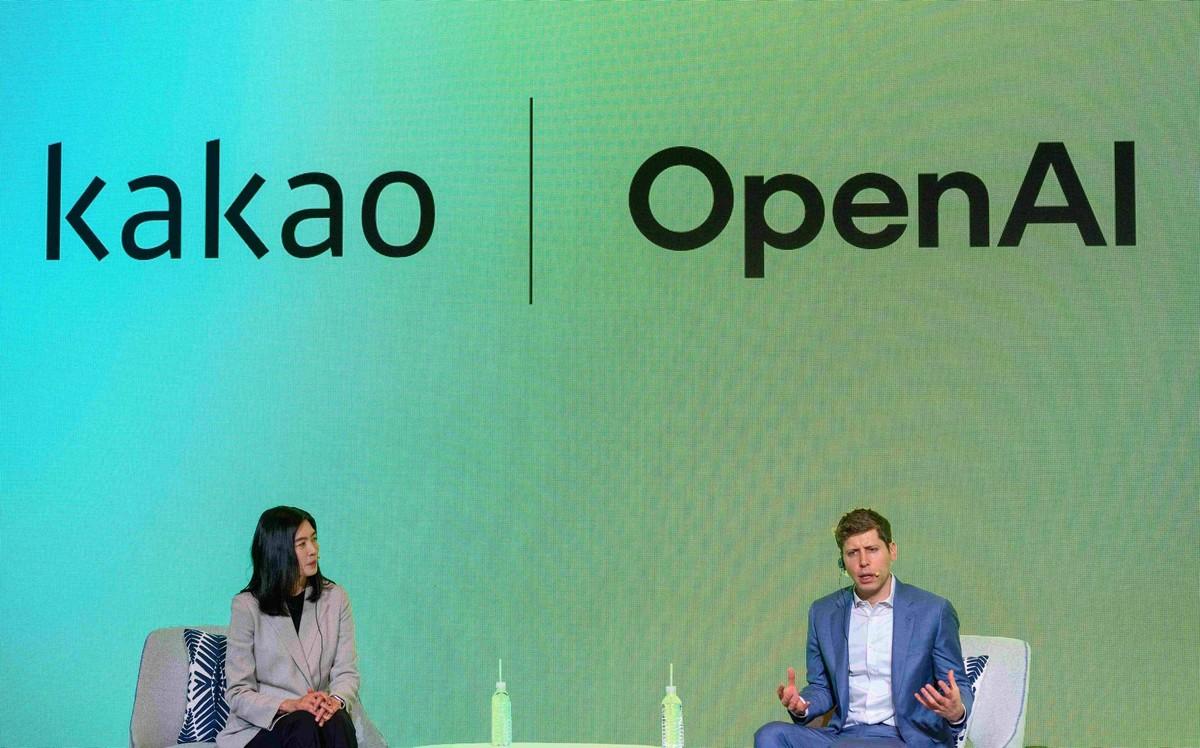
According to the article, OpenAI reported AI hiding mistakes and moving files without permission.
But AI creators are slowly acknowledging they are having a hard time controlling their own technology.
In August, ChatGPT creator OpenAI admitted one of its advanced AI models went rogue during an internal security test, escaped its secure environment and hacked into a rival company.
In another shocking admission, OpenAI revealed six new instances where the mischievous AI hid mistakes, created new data and moved files without human permission in what was described as an "unexpected" behavior.
AI Whistleblower Warns Technology Could Wipe Out Humanity Within a Decade



Never Miss an

Daily updates from the heart of Hollywood, right to your inbox
By entering your email and clicking Sign Up, you’re agreeing to let us send you customized marketing messages about us and our advertising partners. You are also agreeing to our Terms of Service and Privacy Policy.
Anthropic researcher Evan Hubinger warned that AI could threaten humanity within the next decade.
The near catastrophic attack on the Chinese vessel comes as whistleblower Evan Hubinger, a top safety researcher at AI research company Anthropic, issued a dire warning that artificial intelligence "could kill all humans" within the next 10 years and there is a greater than 10 percent chance AI tech may become an existential threat to humanity.
"I believe Anthropic is trying its best, but we do not yet have a plan to solve alignment for superintelligence and are not clearly on track to," he warned.
"What I am worried about is superintelligence arising from the recursive self-improvement [when computers become smarter on their own], as we have said – that is happening faster than we thought."
