


Woman Pays $2,000 Monthly For Health Insurance And Gets A '$0' Colonoscopy Promise. Then A $2,300 Bill Arrives: 'That Is Outrageous'

The woman claimed that she paid $2,000 for health insurance per month
Nov. 23 2026, Published 8:00 a.m. ET


A woman who says she was assured her colonoscopy would be fully covered by health insurance is disputing a $2,300 bill she received after the procedure.
The woman, who pays approximately $2,000 a month in insurance premiums, shared her frustration in a TikTok video posted by @jennaleighstl. "That is outrageous," she said, reacting to the unexpected charge.
According to a November 19 report by We Got This Covered, she underwent the procedure before turning 45 because of her family's medical history. She said doctors recommended the earlier screening because of her elevated risk.
Woman Says Her Colonoscopy Was Supposed to Be Free

The woman was told that her colonoscopy will cost $0
The woman explained that she scheduled the procedure as preventive care rather than because she was experiencing symptoms.
Before making the appointment, she said she contacted the relevant providers to confirm her insurance coverage. She also claimed to have written confirmation from both the hospital and her insurance company stating that she would not owe anything.
"I have documentation from the hospital, from my insurance company, that this is preventative and it's going to be zero dollars," she said in the video.
The written assurances reportedly influenced her decision to proceed with the colonoscopy.
Woman Receives Unexpected $2,300 Medical Bill

The woman said that she received a bill of $2,300 after the procedure
Despite the promised $0 cost, the woman said she received a $2,300 bill after completing the procedure.
She questioned why she was being asked to pay thousands of dollars on top of her substantial monthly insurance premiums.
In the video, she emphasized that she had already been told the procedure would be covered, making the unexpected charge particularly frustrating.
However, the distinction between preventive and diagnostic colonoscopies can affect insurance billing. The American Gastroenterological Association explains that correct procedure and diagnosis codes are important when submitting claims for preventive screenings.
Woman Refuses to Pay While Insurance Appeal Is Pending
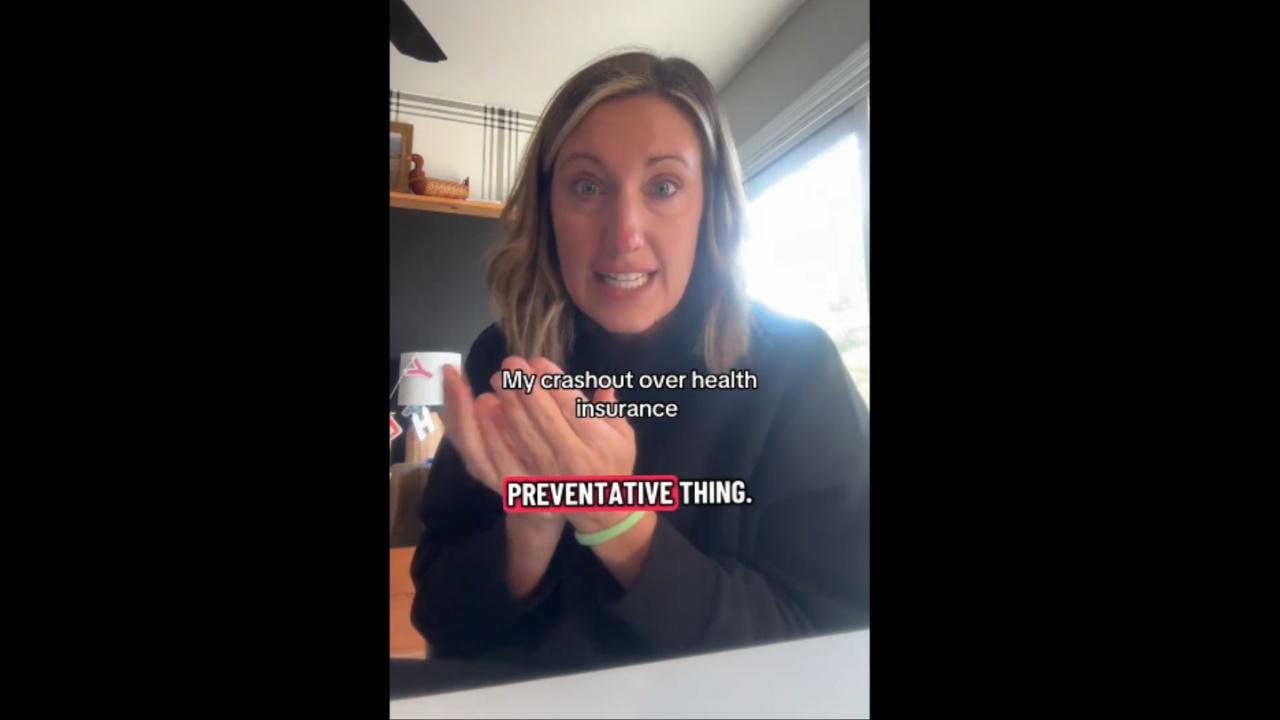
The lady alleged that she received calls asking her to pay the bill in full
The woman also described receiving repeated calls from billing representatives demanding payment.
According to her account, she was contacted daily and asked to either pay the outstanding balance or establish a payment plan. She said representatives warned that the account could eventually be sent to collections.
Rather than making a payment, she decided to challenge the charge through her insurance company.
She confirmed that she had filed an appeal and did not intend to pay the disputed amount while the review was ongoing.
When discussing the possibility of collections, she reportedly told the callers to "send it to collections" rather than pay a bill she believes contradicts the original coverage agreement.


What Happens Next With the Insurance Dispute?

Never Miss an

Daily updates from the heart of Hollywood, right to your inbox
By entering your email and clicking Sign Up, you’re agreeing to let us send you customized marketing messages about us and our advertising partners. You are also agreeing to our Terms of Service and Privacy Policy.

The woman questioned the reasons behind the insurance premium, claiming that the screening was supposed to be fully covered
The woman's appeal was still pending when she shared her experience, according to the November 19 report. No outcome had been reported.
She also compared the situation to purchasing something after being assured it was free, only to receive an unexpected charge afterward.
There is an important distinction in how preventive colonoscopies are covered. Under Affordable Care Act requirements, eligible preventive screenings generally receive coverage without patient cost-sharing. However, coverage depends on applicable recommendations, insurance rules and how the procedure is classified and coded.
The American Gastroenterological Association also notes that certain surveillance colonoscopies can be classified as diagnostic procedures, potentially resulting in out-of-pocket costs.
Neither the woman's insurance policy nor her medical billing records have been independently verified, so it is unclear why the $2,300 charge was issued or whether the insurer will overturn it.
