


EXCLUSIVE: Why 'The Simpsons' Almost Never Happened — As Creator's Net Worth Hits $600MILLION

The longest running American animated show almost never happened.
June 14 2026, Published 12:00 p.m. ET


Matt Groening's estimated $600million fortune may have been built on one of the most successful television franchises ever created, but the cartoonist has revealed The Simpsons almost never existed after he nearly pitched an entirely different idea instead.
The 72-year-old creator reflected on the origins of the animated phenomenon by explaining the concept behind The Simpsons emerged only moments before a pivotal meeting with producer James L. Brooks.
The Last-Minute Choice That Changed TV

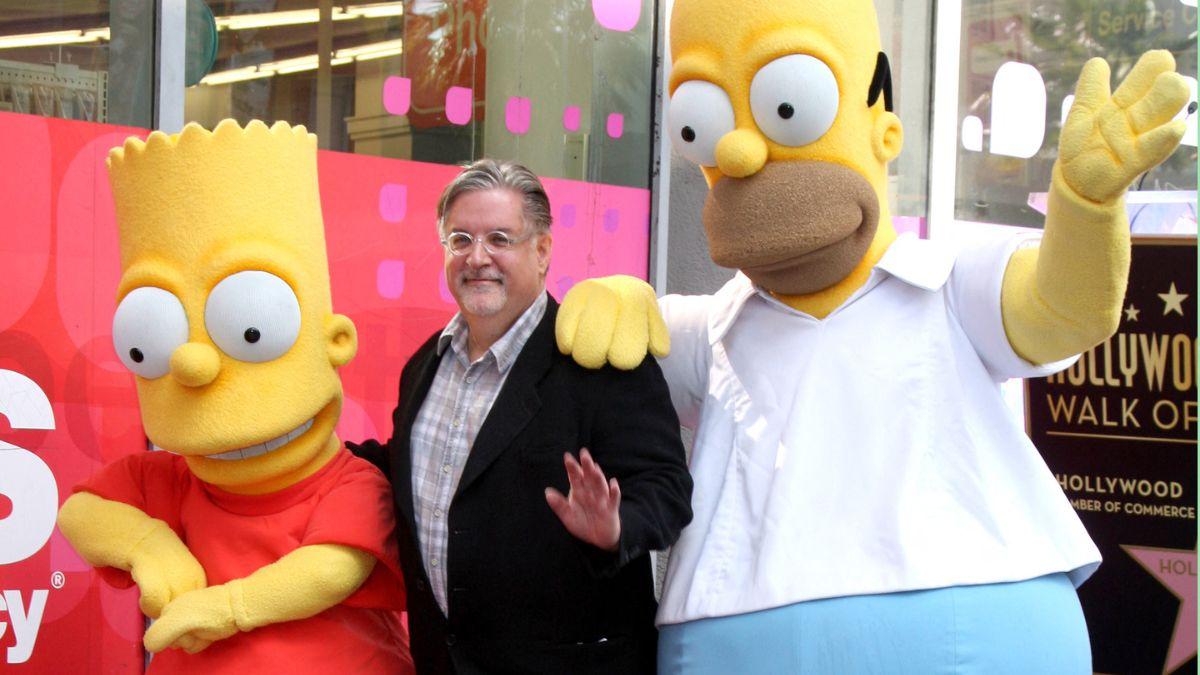
Cartoonist Matt Groening built an estimated $600 million fortune.
At the time, Groening had planned to present another project for a series of animated shorts on The Tracey Ullman Show, but concerns about the future of the then-fledgling Fox network prompted him to change course at the last minute.
The decision ultimately led to the creation of a television institution that has run for decades and generated vast wealth through syndication, merchandise, theme parks, and spin-off projects.
A source familiar with the history of the show told us: "It's remarkable, and a bit hilarious, to think that one of the biggest entertainment properties in history came together because Matt made a split-second decision. Had he gone into that meeting with his original pitch, television history could have looked very different."
Another industry insider added: "The irony is that concerns about Fox surviving pushed him to create the very property that would later become one of the network's defining successes."
Why Matt Groening Ditched His Original Pitch

Groening invented the concept for the show just moments before a meeting.
Speaking about the moment that changed his career, Groening explained why he abandoned his original idea.
He said: "I was going to do something else, and just before I met with Jim… I thought to myself, 'You know, this is a Fox network, it's brand new, it's probably going to fail. I'd better make up something new so that if it doesn't work out, I have something else to fall back on.'"
Asked whether characters such as Homer Simpson or Bart Simpson had already been developed before the meeting, Groening made clear they had not.
He said: "No, not at all."
According to Groening, the concept that would become a global cultural phenomenon was effectively invented on the spot, a recollection later echoed by Brooks.
The producer said Groening pitched the idea "on the spot," launching what would become one of the most influential animated series in television history.
How 'The Simpsons' Was Born Overnight
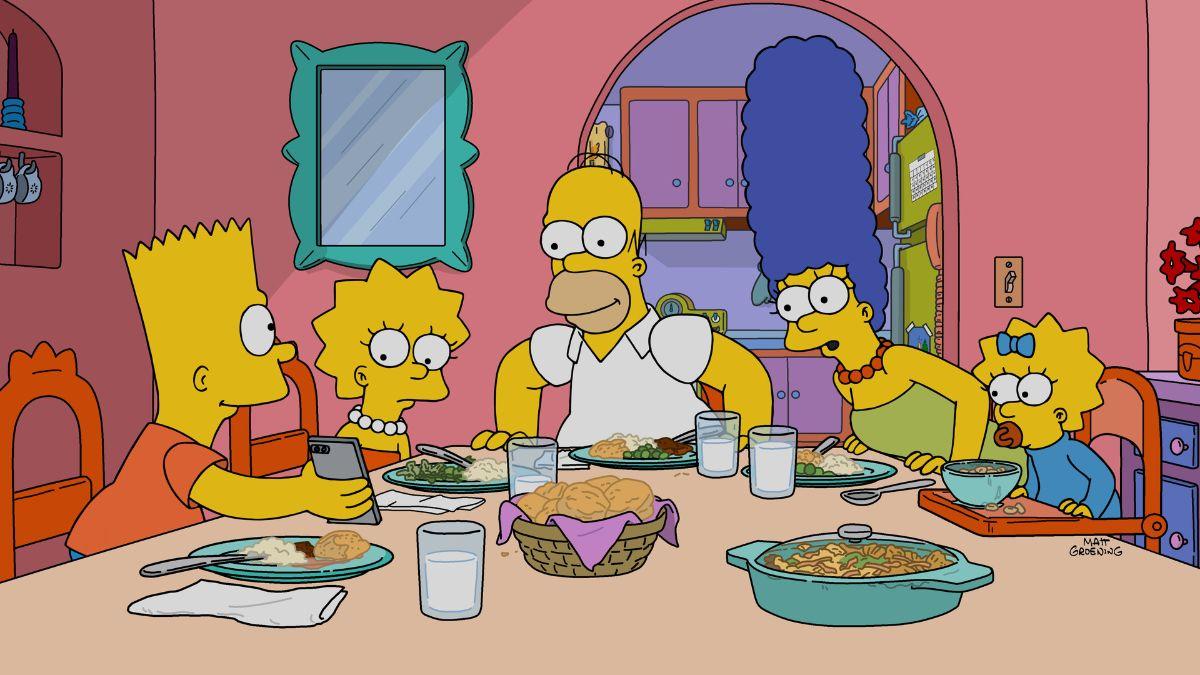
'The Simpsons' debuted as short segments on 'The Tracey Ullman Show' in 1987.


Groening also recalled how the format for the original shorts kept shrinking as plans evolved.
He said: "The first thing he said was, 'You've got two minutes per episode.' And I went, 'Oh my gosh, how can you tell a story in two minutes? That's impossible.'
"And then he called me back and said, 'I'm sorry, it's one minute.' And then he called me back and said, 'It's not one minute, it's four 15-second clips.'
"So the whole success of the Tracey Ullman Show shorts was based on 15-second cartoons."
The Simpsons debuted as animated shorts on The Tracey Ullman Show in 1987 before launching as a standalone primetime series in December 1989.
It has since become the longest-running scripted television show in US history, recently celebrating its 800th episode.

Never Miss an

Daily updates from the heart of Hollywood, right to your inbox
By entering your email and clicking Sign Up, you’re agreeing to let us send you customized marketing messages about us and our advertising partners. You are also agreeing to our Terms of Service and Privacy Policy.
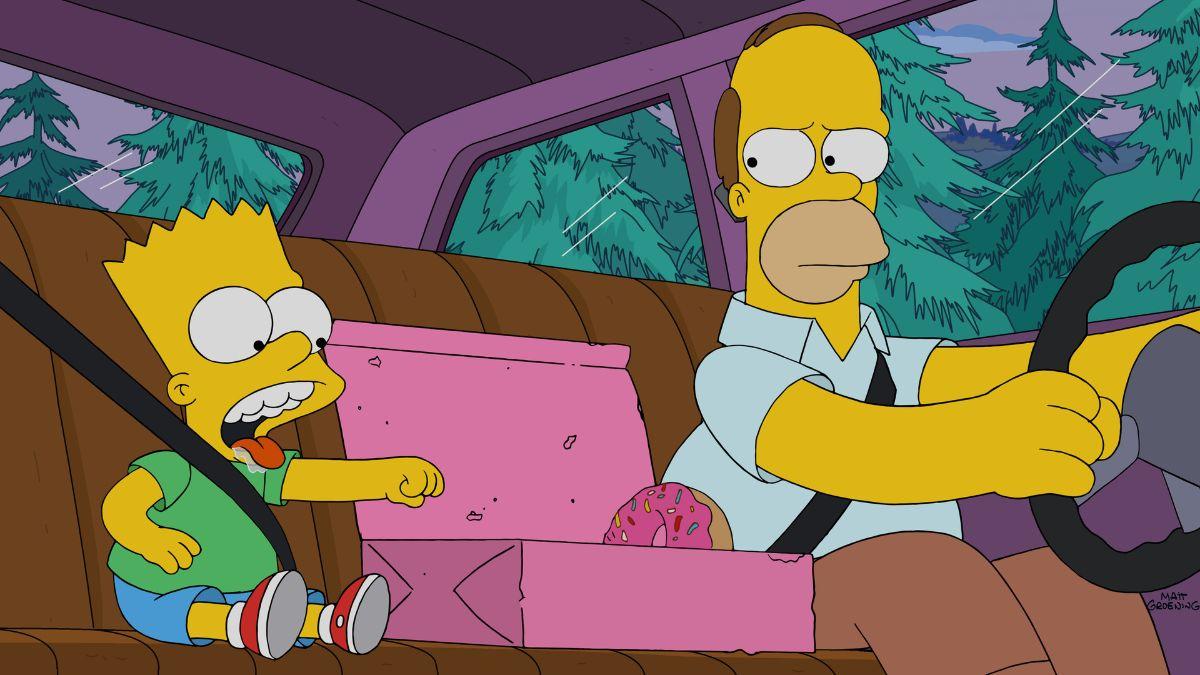
The creator developed characters like Homer and Bart Simpson right on the spot.
Earlier this year, Groening reflected on the program's longevity.
"You like to think that something's going to last forever, but in our case, apparently it does," the animator noted. "So it's really wild. Could not have anticipated this amount of longevity, attention, and enthusiasm."
Today, Groening's estimated $600million fortune has been fueled not only by The Simpsons, but also by Futurama, Disenchantment, and his early comic strip Life in Hell, cementing his status as one of the most successful figures in modern animation.
