


EXCLUSIVE: Tylenol Murders Mystery Deepens After 'New Identity Revealed'

The Tylenol Murders mystery intensifies as new claims emerge about a suspect's hidden identity.

Oct. 21 2026, Published 6:00 a.m. ET


The "Unknown Wanderer," a man found dead in a Boise, Idaho, church in 1982, may be the psychopath who laced Tylenol pills with cyanide, killing seven people in the Chicago area that year, RadarOnline.com can reveal.
Dr. Mathew Francis Betkouski was found dead Dec. 4, 1982, inside the Sacred Heart Catholic Church in Boise, but his identity was just established.
Detectives Reveal Troubling Details About Tylenol Murders Suspect

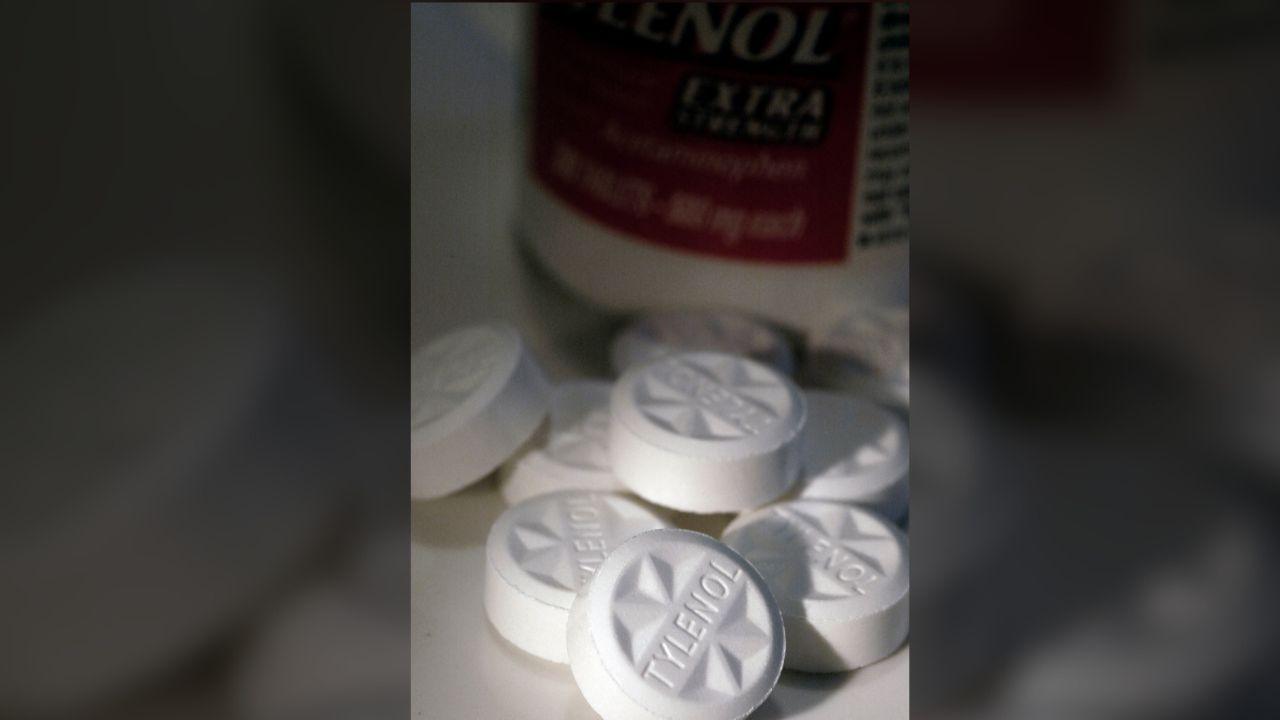
Dr. Mathew Francis Betkouski has been linked to the 1982 Tylenol murders, though investigators have not named him a suspect.
Although he died by suicide via cyanide, no link has ever been made between his death and the Tylenol murders until now.
"Dr. Betkouski had a documented fascination with chemistry and the use of explosives from a young age, and did put others at risk on more than one occasion," Ada County Sheriff's Office Detective Tim Cooper said at a press conference.
"This is a case that involved mental illness and there were many who tried to get Dr. Betkouski help during his life," Cooper added.
He was a brilliant organic chemist who hailed from Los Angeles, but he sustained a traumatic brain injury in 1974, "which caused his problems to manifest in more concerning ways than they had before," Cooper said.
Betkouski Made Disturbing Remarks About Cyanide and Poisoned Capsules

A fellow scientist at Lockheed Martin recalled Betkouski discussing how poison could be introduced into over-the-counter capsules.
While working at a "flavors and fragrances company" in Jacksonville, Fla., in 1975, coworkers reported Betkouski for remarking "how cyanide could be used as a less messy means of taking one's life."
He also exhibited signs of paranoia and received treatment, though it doesn't appear his condition improved.
The sheriff's department said he later worked at Lockheed Martin's White Sands test facility in New Mexico, with a fellow scientist recalling Betkouski making a comment about "how poison could be introduced into over-the-counter capsules if a person wished to do so."
Betkouski was let go by Lockheed after an "incident" at a local pharmacy where he "attempted to obtain some type of pills or capsules... for an experiment."
Authorities Stop Short of Naming Betkouski a Suspect


Never Miss an

Daily updates from the heart of Hollywood, right to your inbox
By entering your email and clicking Sign Up, you’re agreeing to let us send you customized marketing messages about us and our advertising partners. You are also agreeing to our Terms of Service and Privacy Policy.
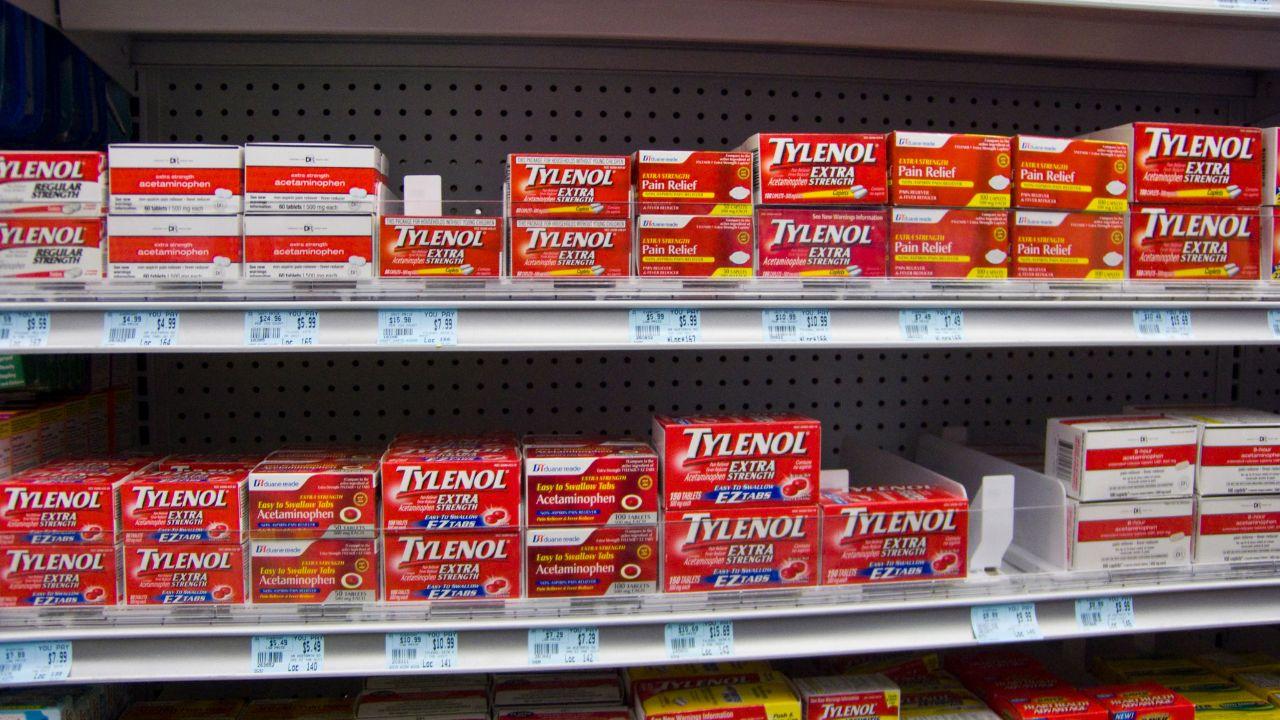
Johnson & Johnson recalled Tylenol nationwide after seven people died from cyanide-laced capsules in 1982.
Cooper pointed out that while there may be a connection between Betkouski and the Tylenol killings, "we're not naming him as a suspect, and we cannot say he was in Chicago during the final week of September 1982.
"More information does exist in this case that we won't be releasing today," he added.
After the seven people died of the cyanide-laced pills, Johnson & Johnson, the maker of Tylenol, issued a recall, ordering shelves cleared of the medication nationwide. Consumers were told to throw out any Tylenol they had.
The murders prompted consumer product companies to develop tamper-resistant packaging.
