


Trump Administration Revives USAID Website With Over 200 Internal Files and 'Radical Agenda' Claims in New Push to Expose Alleged 'Weaponization'

Documents include emails, memos, agendas, concept notes and webinars.
Nov. 28 2026, Published 2:50 p.m. ET


The Trump administration has brought the U.S. Agency for International Development (USAID) website back online with 248 internal documents detailing the agency's work combating foreign disinformation and its communications with major technology companies.
The Nov. 25 release includes allegations that USAID was used to advance an agenda contrary to American values. RadarOnline.com can reveal.
The relaunched USAID.gov features a 1.1-gigabyte archive titled "The USAID Files" under a section called "Transparency and Accountability." The collection includes emails, internal memos, meeting records, concept notes, and recorded webinars.
The administration claims the documents expose how the agency operated under previous administrations. However, the publication provides little explanatory context alongside the records, leaving their significance open to interpretation.
Much of the material focuses on USAID's efforts to counter foreign misinformation and disinformation, including communications involving technology companies such as Meta, Google, and YouTube.
Website Returns After 2025 Overhaul

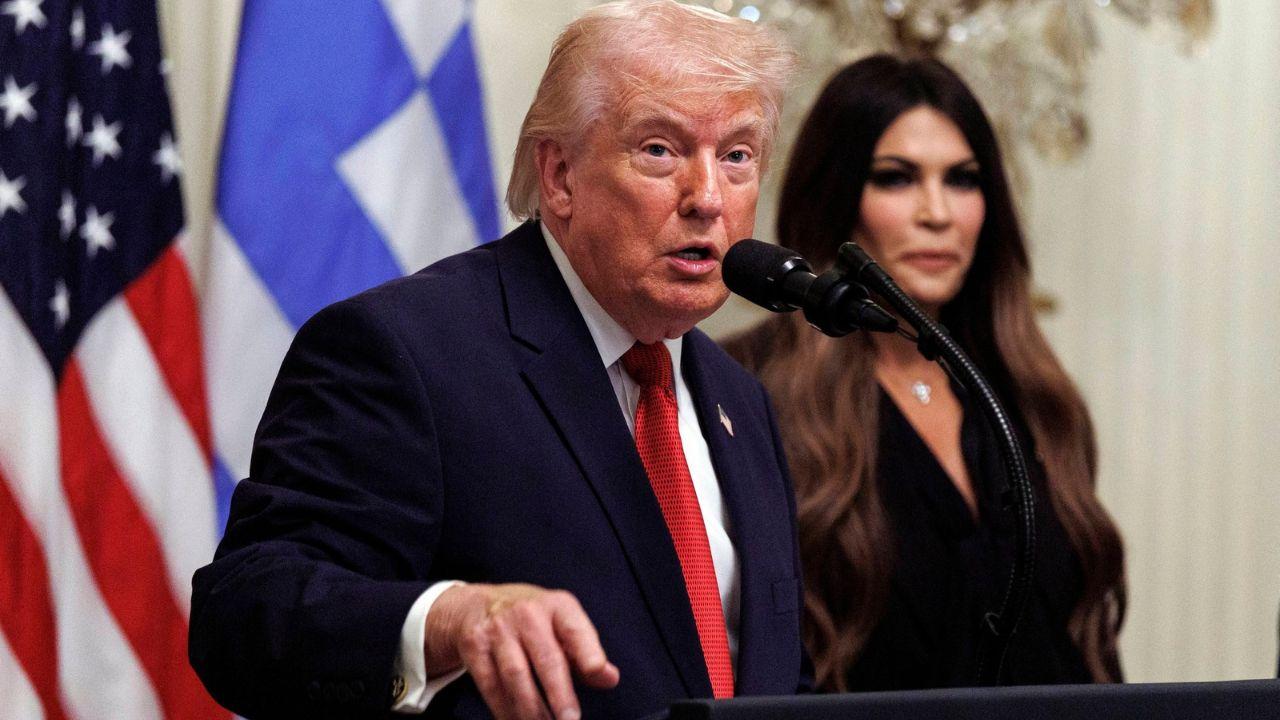
Many files concern efforts to counter foreign misinformation and disinformation.
The website explains the administration's motivation for publishing the records, stating: "Under previous administrations, USAID was weaponized to advance a radical agenda fundamentally at odds with American values. In the interest of transparency and accountability, we are publishing files, memos, and internal communications detailing how the agency operated."
USAID's website had remained offline since February 2025, when the Trump administration began dismantling much of the agency's operations.
The overhaul, spearheaded by Elon Musk and the Department of Government Efficiency (DOGE), resulted in more than 80% of USAID's programs being shut down, with remaining operations transferred to the State Department, according to reporting by The Washington Post.
The administration describes the newly published archive as an effort to increase transparency and accountability. The release also suggests that additional documents could follow.
However, the publication of internal communications has raised questions about the selection of records and whether they provide a complete picture of the agency's activities.
Supporters Allege Pressure on Tech Companies
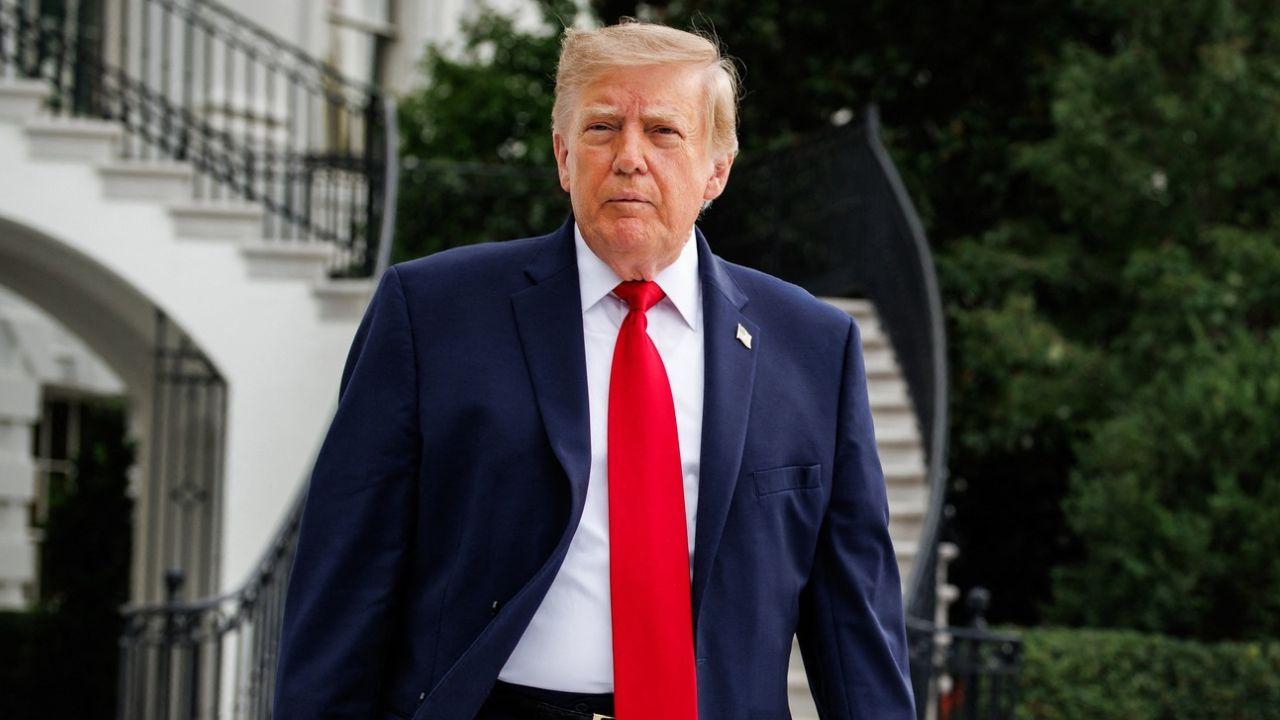
The records include communications with Meta, Google and YouTube.
White House budget director Russell Vought supported the release, The Washington Post reported, while conservative commentator Mike Benz has helped promote the documents.
Benz, a longtime critic of USAID, has argued that the communications demonstrate the agency's involvement in efforts to influence social media companies' content moderation policies.
The records include exchanges involving major technology platforms, but their publication does not independently establish that USAID improperly pressured companies to remove or restrict content.
The distinction is important because communications about countering misinformation do not, by themselves, establish whether government officials crossed legal boundaries or violated free-speech protections.
Former Officials Dispute Administration’s Framing
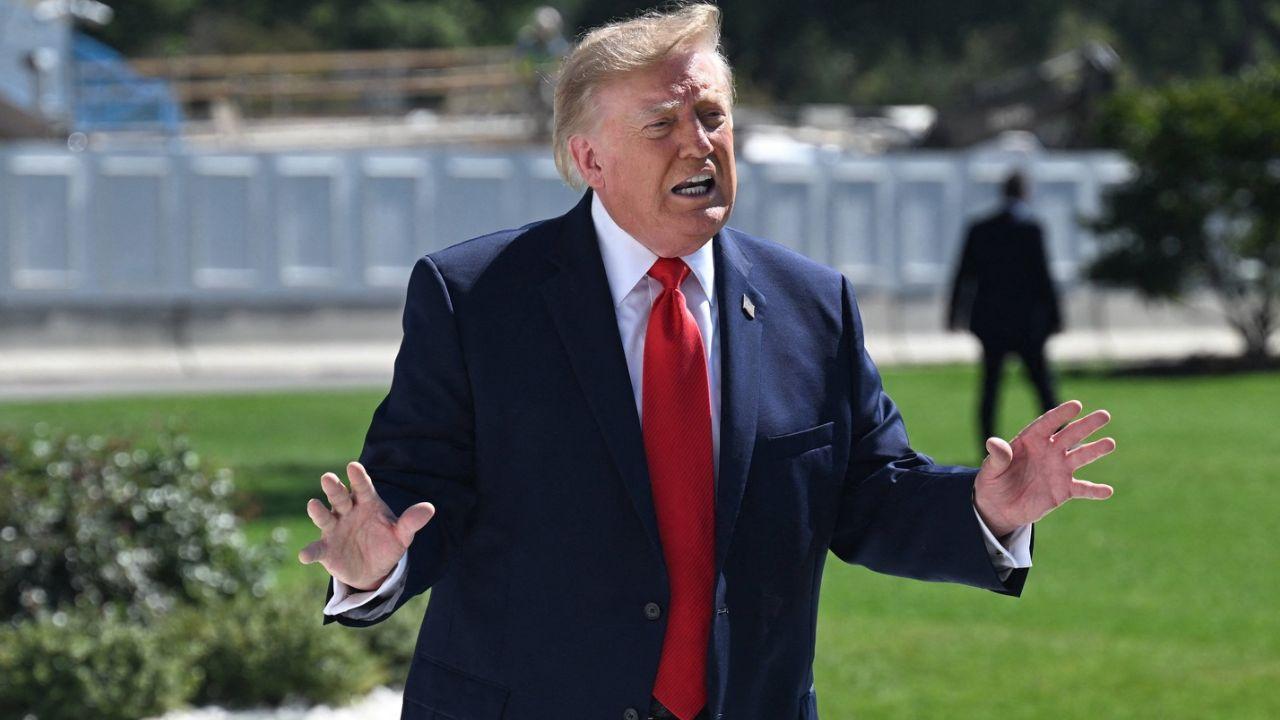
More than 80% of USAID programs were cut during the 2025 overhaul.
Former USAID Administrator Samantha Power strongly criticized the document release in an interview with Devex.
Describing the collection as a "baffling hodge-podge," Power argued that the selected records showed employees carrying out congressional directives to address foreign disinformation rather than evidence of the sweeping misconduct alleged by the administration.
Aid on the Hill, an advocacy organization formed by former agency employees, raised another concern: the potential exposure of unredacted names belonging to American and local staff members, technology companies and partner organizations.
The group warned that publishing identifying information without sufficient context could endanger people who previously worked in conflict zones and politically unstable regions.
Former officials have also argued that USAID's counter-disinformation efforts were rooted in bipartisan legislation passed in 2017, making congressional authorization an important part of the debate.
Aid Cuts Remain Part of Wider Debate
Never Miss an

Daily updates from the heart of Hollywood, right to your inbox
By entering your email and clicking Sign Up, you’re agreeing to let us send you customized marketing messages about us and our advertising partners. You are also agreeing to our Terms of Service and Privacy Policy.
Aid on the Hill warned that visible names could put people at risk.
The document controversy has also renewed attention to the consequences of the administration's foreign aid reductions.
A study published in The Lancet Global Health projected that severe reductions in international development assistance could contribute to approximately 22.6 million additional deaths worldwide by 2030, including 5.4 million children younger than 5.
The researchers also modeled a less severe funding scenario, which projected 9.4 million additional deaths. The figures concern international aid reductions broadly, rather than USAID cuts alone.
The competing arguments now center on the agency's past conduct, the safety of people identified in the released records and the wider humanitarian consequences of reduced foreign assistance.
