


Tiger Woods 'Lost Control of Something in His Life' After 2009 Crash — Expert Warns Repeated Incidents Aren't 'Bad Luck... They're a 'Signal'

Tiger Woods' latest crash has sparked renewed concern about a troubling pattern.

March 30 2026, Updated 5:45 p.m. ET


Tiger Woods' latest DUI arrest after a dramatic rollover crash is raising fresh concerns about a troubling pattern in the golf legend's life, RadarOnline.com can reveal.
With reports he appeared in a "trance-like" state and refused a drug test, experts say the incident may point to something deeper than a one-off mistake.
Troubling Pattern Emerges for Tiger Woods

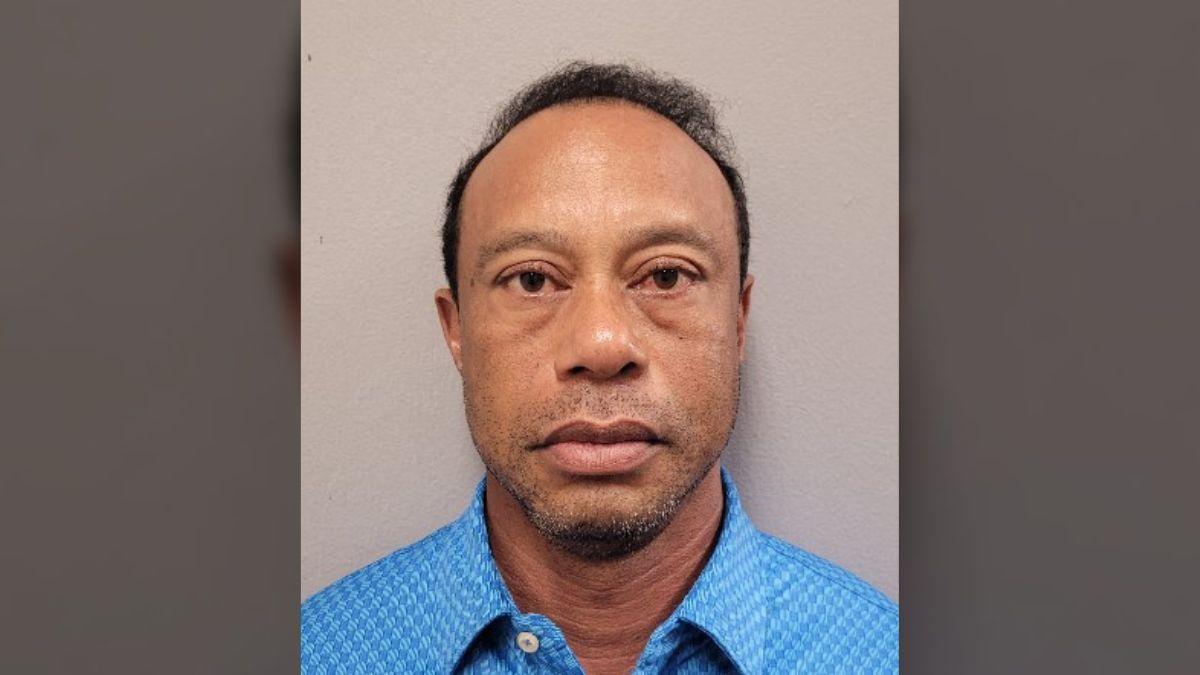
The golf legend's SUV flipped after colliding with a trailer in Florida.
Woods, 50, was taken into custody on March 27 following a rollover crash in Jupiter Island, Florida, after his SUV collided with a trailer on a residential road.
Authorities said he showed signs of impairment at the scene, though a breathalyzer test later registered 0.00% BAC.
Despite the lack of alcohol in his system, Woods declined to submit to a urine test, leading to charges of DUI, property damage, and refusal to comply with a lawful test.
The incident has reignited scrutiny over Woods' history behind the wheel, particularly after his infamous 2009 crash, which marked a turning point in both his personal life and career.
‘Not Bad Luck — A Signal’
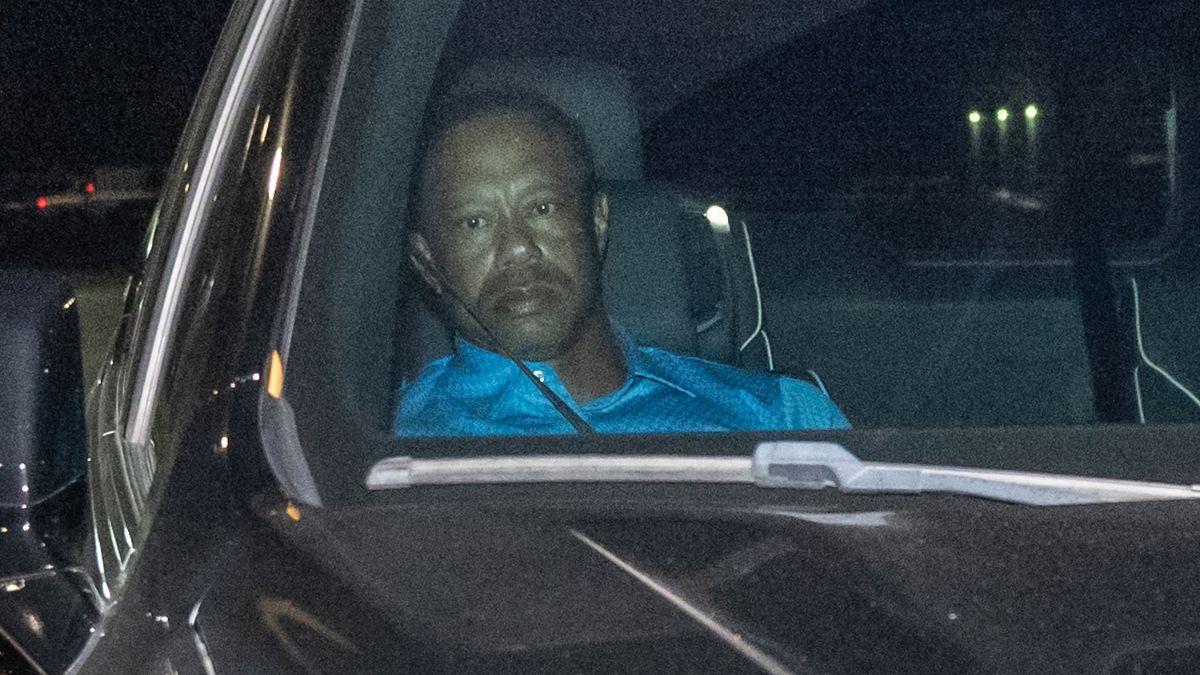
Officers noted signs of impairment despite Woods registering a 0.00% BAC.
Richard Taite, a longtime addiction specialist and founder of Carrara Treatment, believes the latest arrest fits into a broader pattern rather than an isolated lapse in judgment.
"Tiger didn't just lose his swing after 2009; he lost control of something in his life," Taite exclusively told Radar.
He continued: "Whether that's pain management, prescription medication, or something else, I'm not going to speculate beyond the facts. But when the same types of incidents keep happening, that's not bad luck. That's a signal."
Taite emphasized that repeated events like this often indicate an underlying issue that hasn't been fully addressed.
Questions Around Control
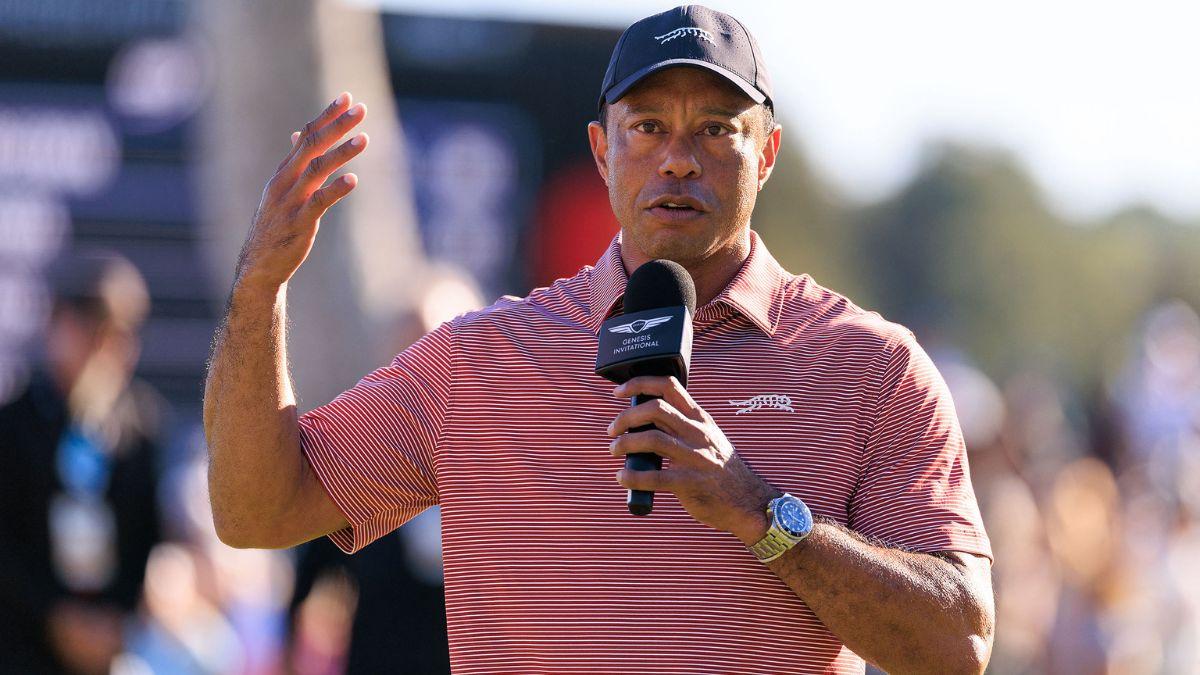
The sports icon refused a urine test, raising further questions about possible drug impairment.
While Woods has publicly battled injuries for years, undergoing multiple surgeries and often relying on medication to manage pain, questions have resurfaced about whether those struggles could be playing a role.
Officials at the scene reportedly leaned toward possible drug impairment rather than alcohol, citing Woods' condition and behavior immediately after the crash.
His refusal to provide a urine sample has only fueled speculation, as prosecutors may rely on officer observations, body camera footage, and the crash itself to build their case.

Never Miss an

Daily updates from the heart of Hollywood, right to your inbox
By entering your email and clicking Sign Up, you’re agreeing to let us send you customized marketing messages about us and our advertising partners. You are also agreeing to our Terms of Service and Privacy Policy.
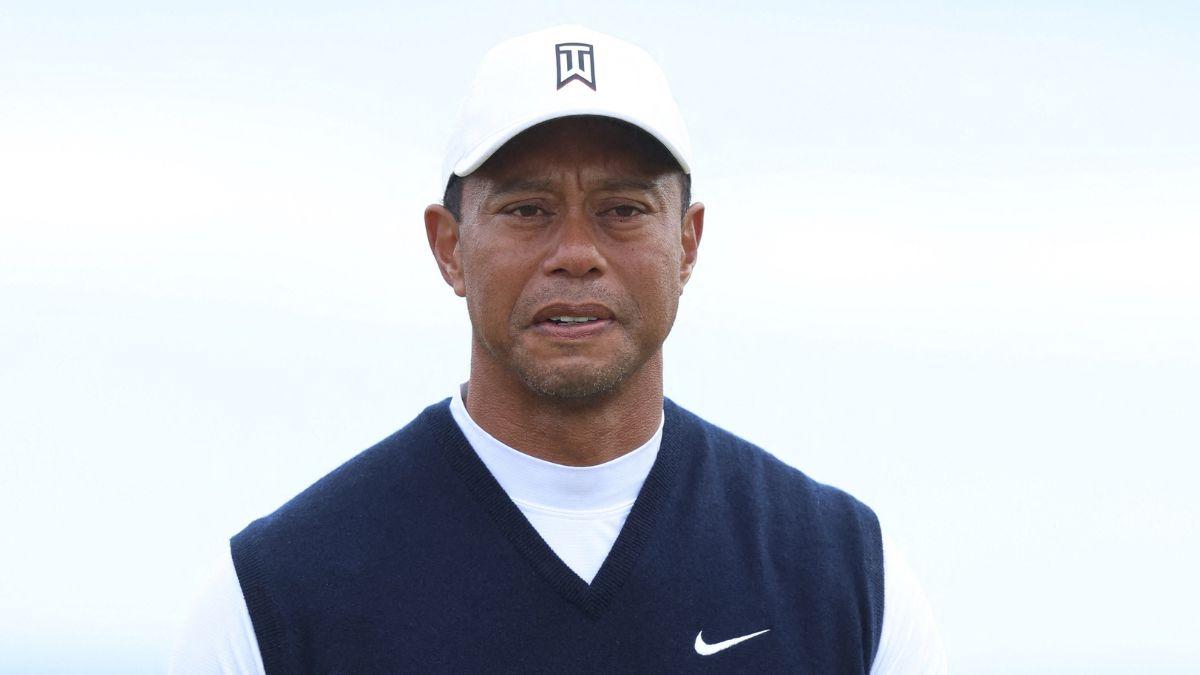
An expert said repeated incidents like this are 'not bad luck,' but a warning sign.
Despite the concerning pattern, Taite stressed that situations like Woods' are not without hope.
"I've spent my life helping people through exactly this kind of cycle," he explained. "It's not about being weak, it's about something getting a hold of you instead of you being in control."
"The good news is that it can be turned around. I've seen it thousands of times," he added.
