


The 'Ozempic Face' Problem Nobody Warned You About, and What Surgeons Are Doing to Fix It

Oct. 20 2026, Updated 12:12 p.m. ET


Millions of people have spent the last few years shrinking their bodies with GLP-1 medications like Ozempic, Wegovy, and Zepbound, and for many, the results have been exactly what they hoped for. But a growing number of those same patients are discovering that dramatic weight loss does not stop at the waistline. It reaches the face too, and the effect is rarely as flattering as the number on the scale.
Doctors are calling it "Ozempic face," a catchall term for the gaunt, deflated look that can follow rapid fat loss. The cheeks lose their fullness, the skin around the jaw begins to sag, and features that once looked youthful can suddenly read as tired or years older than the person actually is. It has become common enough that facial plastic surgeons say it now shows up in consultations on a near-weekly basis.
“Ozempic face is complex in that it’s superimposed on your normal aging process,” Dr. Steven R. Cohen, founder of Faces Plus in La Jolla, said in a recent Instagram reel. “What’s happening is you’re losing specific types of fat, especially the fat just under the skin that supplies the stem cells.”

The science behind it is straightforward once explained. The face relies on small, evenly distributed pockets of fat to hold its shape, much the same way a couch relies on its cushions. When someone loses weight quickly, that fat disappears from the face along with everywhere else, but the skin does not always shrink back at the same pace. The result is a structural mismatch, where the framework underneath changes faster than the covering on top can adjust, leaving folds, hollows, and a general loss of definition. And because that layer of fat just under the skin is also a source of stem cells, losing it can affect more than volume alone.
It is a strange twist for medications that were designed to make people feel more confident in their bodies. The GLP-1 boom has also subtly redefined the demographic that is walking into a plastic surgeon's office in the first place. Many of these patients never considered cosmetic surgery before losing weight, and they are arriving with a different set of expectations than the typical facelift candidate of a decade ago. They are often younger, and they are looking to restore a version of their face they recognize rather than to reverse the clock in any dramatic way like many other facial surgery candidates.
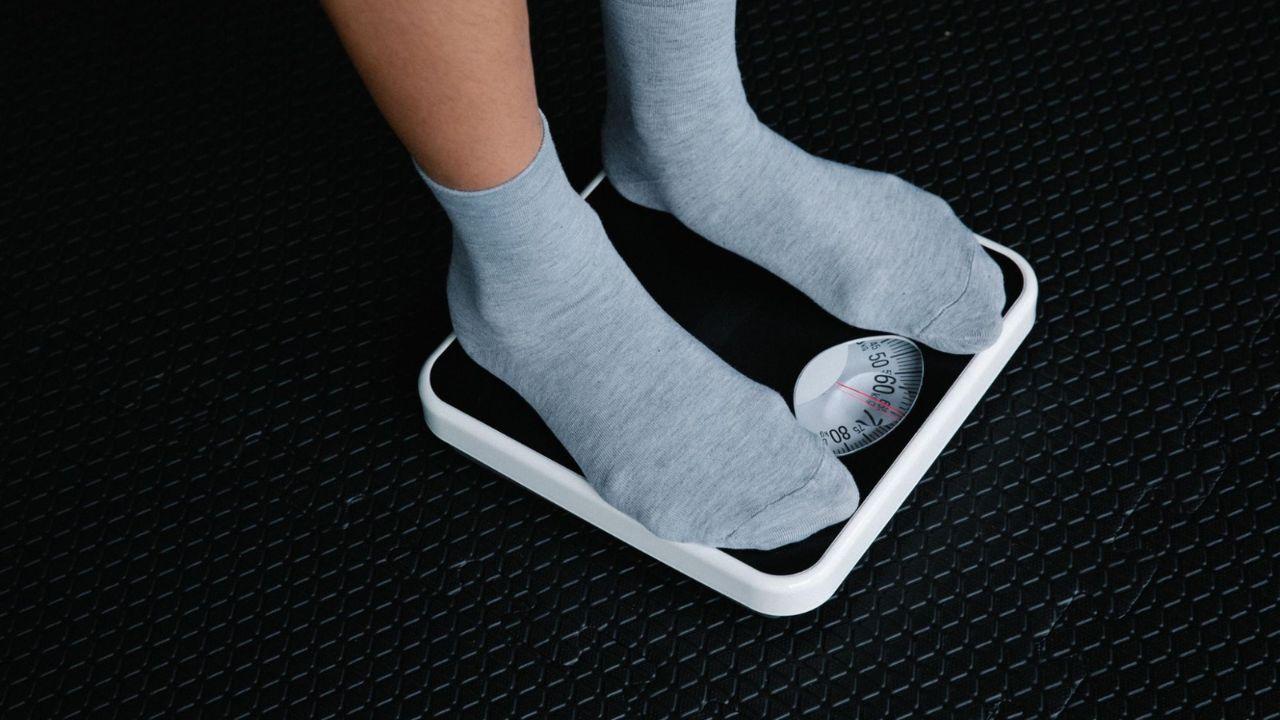
For a while, the only real conversation around GLP-1 drugs centered on the number on the scale. What once circled communities that experienced specific complications and frustrations with stubborn fat related to obesity and conditions like diabetes has taken off as an almost-recreational way to treat dissatisfaction with any slight display of puffiness.
Now, a second quieter industry is emerging, in hopes of fixing what the rushed bandwagoning has left behind. Patients who once considered a facelift or fat transfer purely a matter of aging are increasingly seeking those same procedures for a very different reason, and surgeons say the profile of the patients walking through the door has shifted along with it.
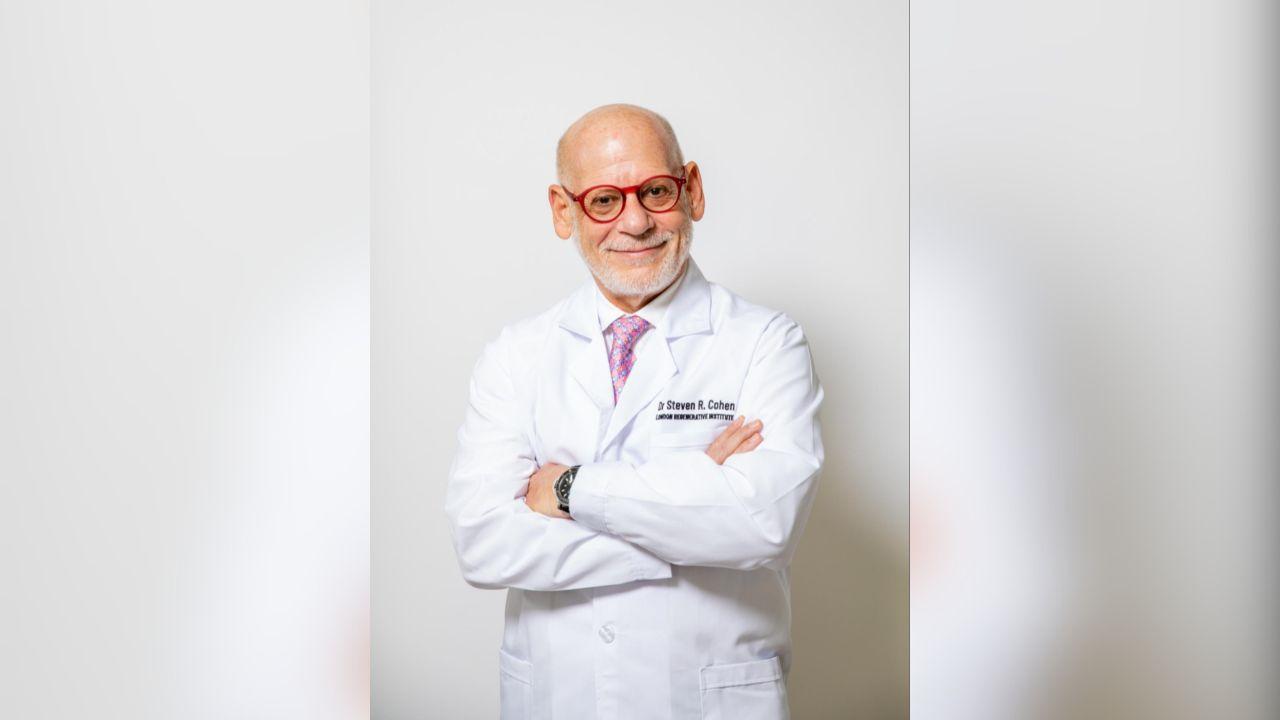
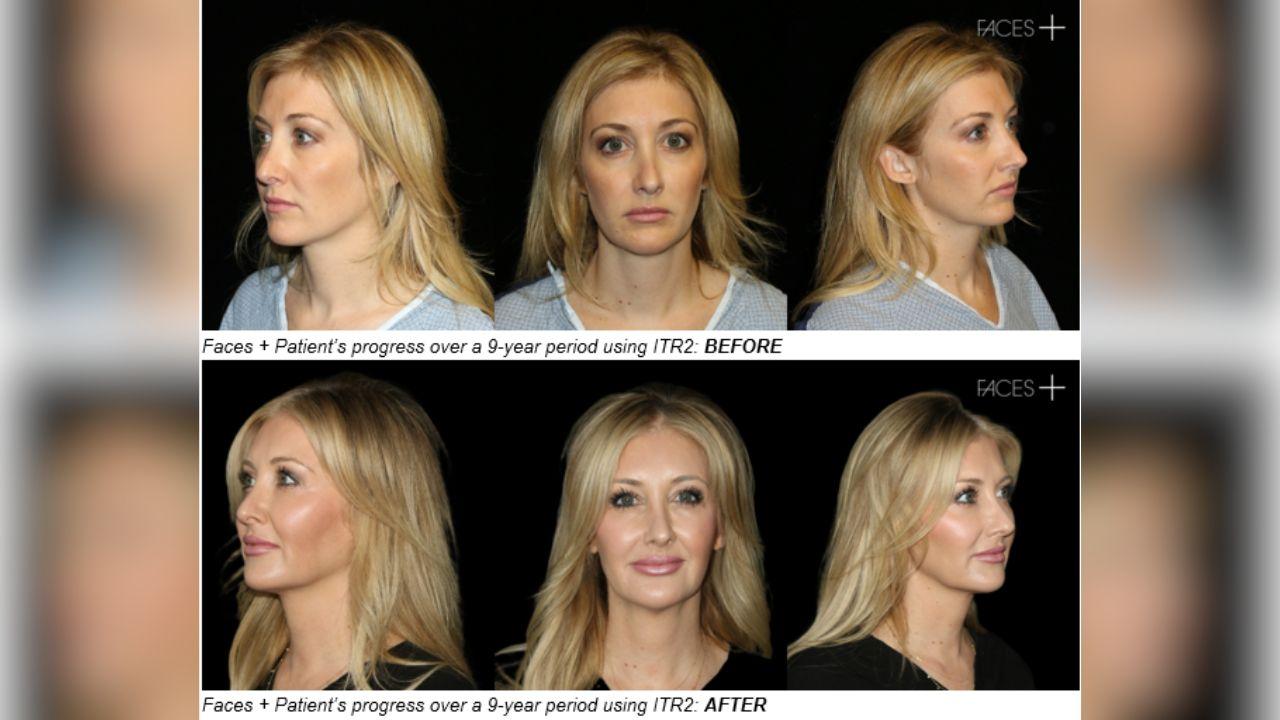
Fat grafting has become one of the more popular solutions, since it uses a patient's own fat, harvested from elsewhere on the body, to rebuild volume in the cheeks and temples rather than simply pulling the skin tighter. Most fat grafting treats the harvested fat as a single filler. Dr. Cohen, who developed the Lipocube fat-processing device now used by surgeons worldwide, filters it into three grades, each matched to a different layer of the face: coarser fat to rebuild deep structure, finer fat to smooth surface contours, and a highly refined “nanofat” delivered into the skin itself to support regeneration.
These techniques have shown close to an 80% improvement in facial volume at two years. Others are turning to a more traditional facelift, sometimes paired with fat transfer, to address both the sagging and the hollowing at once. There is even renewed interest in restoring buccal fat, the pad in the lower cheek that plenty of people paid to have removed just a few years ago and are now paying to put back.



Never Miss an

Daily updates from the heart of Hollywood, right to your inbox
By entering your email and clicking Sign Up, you’re agreeing to let us send you customized marketing messages about us and our advertising partners. You are also agreeing to our Terms of Service and Privacy Policy.
Age, skin quality, and genetics play a role as well, which is part of why an in-person evaluation matters more than anything found through a quick search or a social media trend. As awareness of Ozempic grows, more doctors are promoting solutions on social media, but not all providers have the same level of experience with facial volume restoration.
There is even a rather surprising reason this conversation tends to pick up in the fall season, and it has to do with downtime. Both facial fat transfer and a facelift typically call for about two weeks away from social settings, since most patients experience mild swelling, bruising, and tightness through the first one to two weeks before it gradually subsides. Many return to light daily activities within 10 to 14 days, though strenuous exercise should be avoided for about four to six weeks. Cooler months make that recovery easier to manage, with looser layers, scarves, and less pressure to show face in public, making autumn and winter a popular window for people to schedule a procedure and be fully healed well before spring and summer arrive.
Whether Ozempic Face ends up being a passing phase or a permanent fixture of the weight-loss conversation, it has already transformed what a lot of people are consulting their doctors about. The medications solved one problem for millions of patients, and in doing so, they created a second one that a growing number of surgeons, including the team at Faces Plus in La Jolla, are now being asked to solve as well. Regardless of how the weight came off, those seeking a solution are recommended to consult with a board-certified surgeon with the right expertise and care for artistry who can evaluate skin quality, bone structure, and overall health, rather than jumping on the next trend.
