


EXCLUSIVE: Why 'Silence of the Lambs' is at Center of Trans Row Over Portrayal of Skin-Slicing Serial Killer

'Silence of the Lambs' star Ted Levine has revisited his role.
Feb. 22 2026, Published 4:00 p.m. ET


Ted Levine has said The Silence of the Lambs "vilified" trans people, calling aspects of his portrayal of the serial killer Buffalo Bill in the horror flick "f------ wrong" as the Oscar-winning thriller finds itself at the center of a renewed cultural row over transgender representation.
RadarOnline.com can reveal Levine, 68 – who was 33 when he starred opposite Jodie Foster and Anthony Hopkins in Jonathan Demme's 1991 shocker – made the remarks in an interview marking the 35th anniversary of the movie's release.
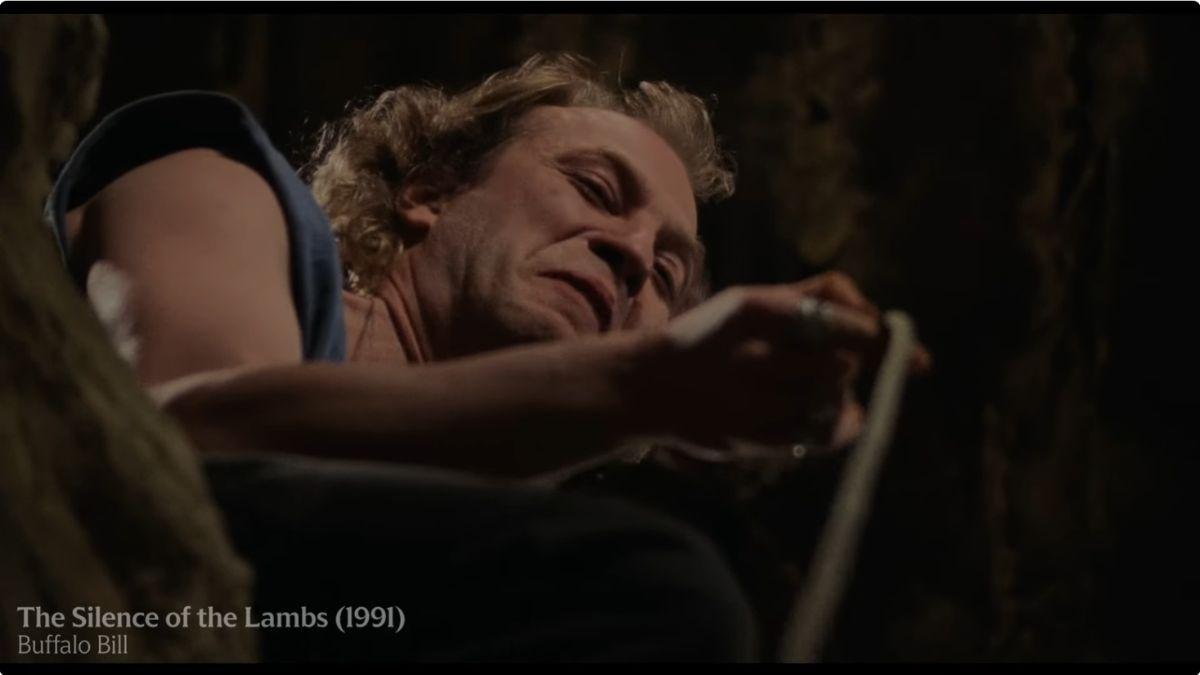
Actor Ted Levine criticized his own portrayal of the serial killer Buffalo Bill in a recent interview.

In the film, Foster's FBI trainee Clarice Starling seeks help from Hopkins' incarcerated Hannibal Lecter to identify Buffalo Bill, a murderer who skins women in an attempt to fashion a "woman suit."
Though the script includes dialogue stating there is "no correlation... between transsexualism and violence" and that Bill is "not a real transsexual," critics have long argued the character reinforced harmful stereotypes.
Speaking about what he described as "transphobia criticism" surrounding the film, Levine has now said: "There are certain aspects of the movie that don't hold up too well.
"We all know more, and I'm a lot wiser about transgender issues. There are some lines in that script and movie that are unfortunate."
Ted Levine Admits Film 'Vilified' Gender Identity
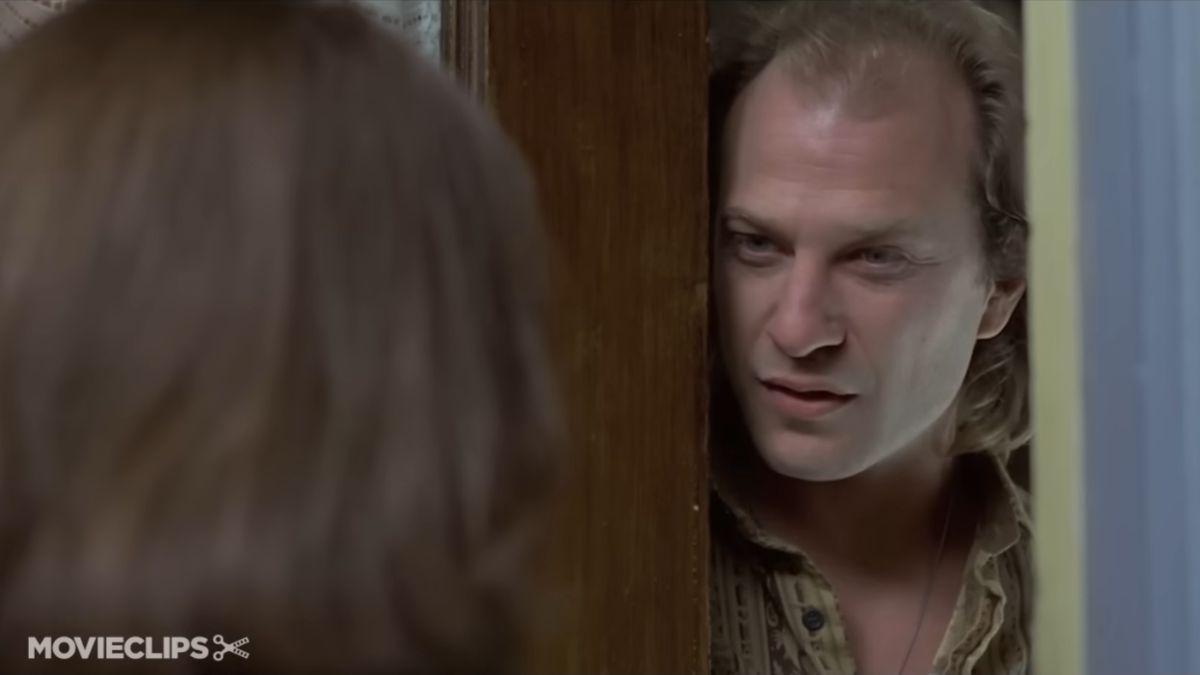
Levine admitted certain aspects of the film 'vilified' transgender people.
Levine went further, saying: "(It's) just over time and having gotten aware and worked with trans folks, and understanding a bit more about the culture and the reality of the meaning of gender. It's unfortunate that the film vilified that, and it's f------- wrong. And you can quote me on that."
Levine added he played Bill as a "f------ up heterosexual man" rather than as a "gay or trans" character. The distinction, he suggested, was clear to him then but may not have been to audiences.
Advocacy groups say Levine's comments reflect a broader reassessment in Hollywood.
One LGBTQ media campaigner said: "For decades, trans people have pointed out that Buffalo Bill became shorthand for a dangerous myth, that gender nonconformity is linked to violence. Even if that was not the filmmakers' intention, the cultural impact was real."
A film historian added, "The movie is a landmark of American cinema, but it also sits in a lineage of thrillers that used gender variance as shorthand for deviance. That tension is why it remains controversial."
'We Weren't Sensitive Enough'
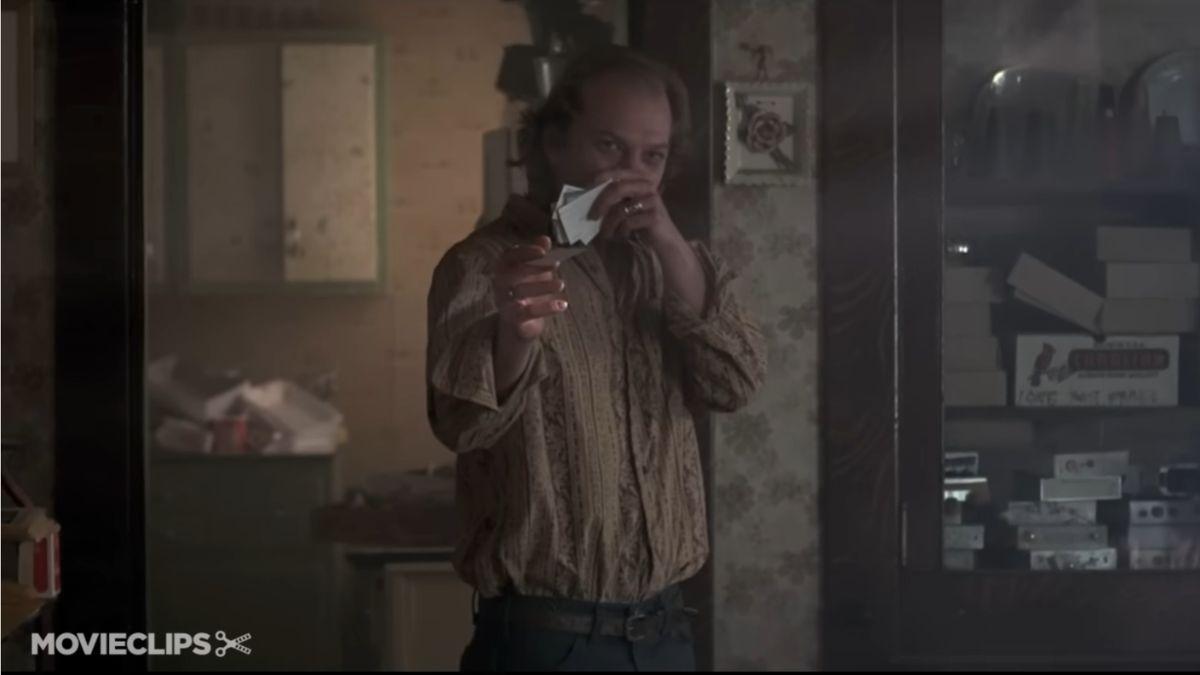
Critics argued for decades the film reinforced harmful stereotypes about gender nonconformity.
Edward Saxon, one of the film's producers, also acknowledged missteps but denied Buffalo Bill was written as transgender.
He said: "We were really loyal to the book. As we made the film, there was just no question in our minds that Buffalo Bill was a completely aberrant personality, that he wasn't gay or trans. He was sick. To that extent, we missed it. From my point of view, we weren't sensitive enough to the legacy of a lot of stereotypes and their ability to harm."
Saxon added, "There's regret, but it didn't come from any place of malice. It actually came from a place of seeing this guy. We all had dear friends and family who were gay. We thought it would just be very clear that Buffalo Bill adapts different things from society, from a place of an incredibly sick pathology."

Never Miss an

Daily updates from the heart of Hollywood, right to your inbox
By entering your email and clicking Sign Up, you’re agreeing to let us send you customized marketing messages about us and our advertising partners. You are also agreeing to our Terms of Service and Privacy Policy.

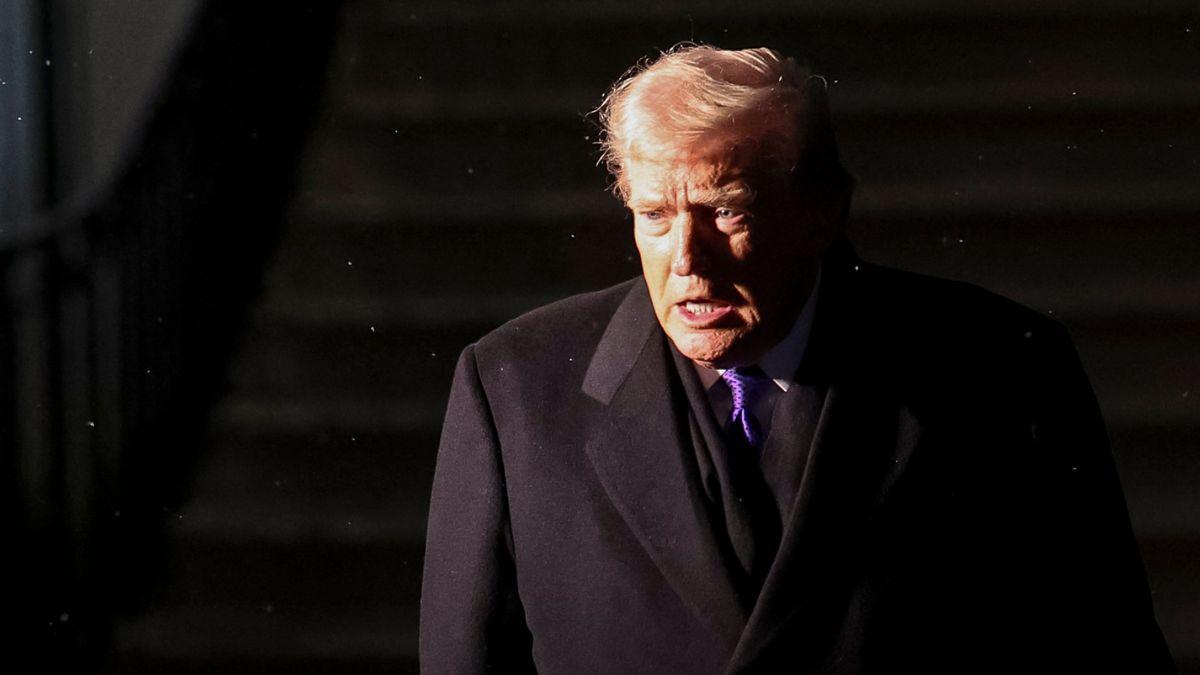
Donald Trump referenced the character Hannibal Lecter during several of his campaign rallies.
The film, released on Valentine's Day in 1991, won five Academy Awards, including best picture, best director, best actor for Hopkins, and best actress for Foster.
In recent years, Donald Trump, 79, has repeatedly referenced the "late, great Hannibal Lecter" at campaign rallies, sometimes comparing him to illegal migrants.
Saxon said of those remarks: "To compare people who are looking for a better life coming over the border to Hannibal Lecter is about as perverse as anything we were able to come up with in the film."
