


Sacred Bones of Saint Who Inspired Santa Claus Destroyed in Disturbing Church Raid

A fragment attributed to Saint Nicholas was allegedly stolen from a French basilica, burned and crushed.
Nov. 10 2026, Published 4:18 p.m. ET


Bone fragments attributed to Saint Nicholas have been stolen and destroyed, RadarOnline has learned.
The relics of the fourth-century bishop, who inspired the modern Santa Claus tradition, were taken from a church in France in early November, just weeks before the saint’s December 6 feast day.
Theft & Destruction

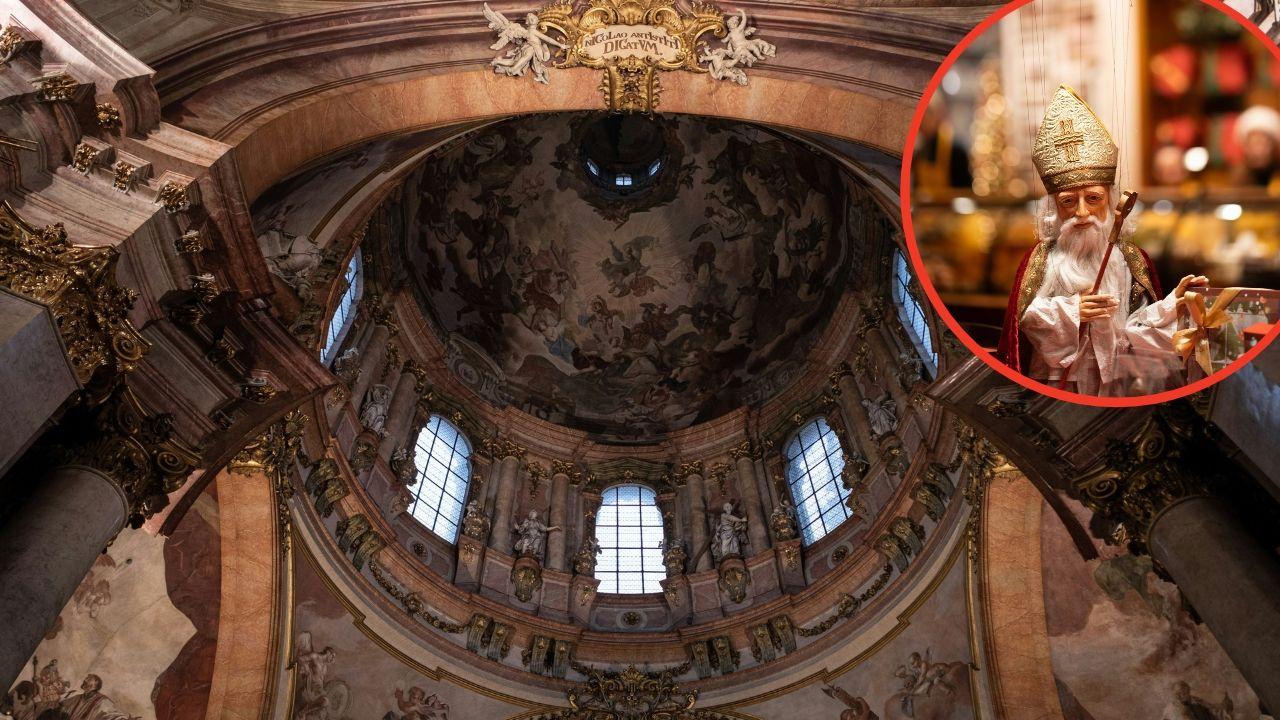
The basilica’s main relic, housed in an arm-shaped reliquary in the treasury, was not taken or damaged.
Priests at the Basilica of Saint-Nicolas-de-Port in Lorraine reported the theft on November 2.
Police later identified and arrested a suspect who, according to the parish, admitted to breaking the case, taking the relic, burning the fragment and crushing its remains. The suspect allegedly acted spontaneously out of a desire to destroy the object, viewing devotion to the saint’s remains as a form of idol worship.
Priests with the Saint Nicolas in Lorraine Parish confirmed the arrest and confession in a statement.
“The police investigation made it possible to identify and arrest the perpetrator," the statement read. "He admitted having broken the display case, then burned and crushed the relic.”
They described the incident as more than a loss of heritage, but "a profound attack on our history, our faith and the devotion of generations of pilgrims."
The destroyed fragment had been installed beneath a statue of Saint Nicholas in the basilica’s patronal chapel in the early 2000s. The basilica’s principal relic, housed in an arm-shaped reliquary in the church treasury, was not stolen or damaged.
A Nearly Thousand-Year Pilgrimage Tradition Gone Forever
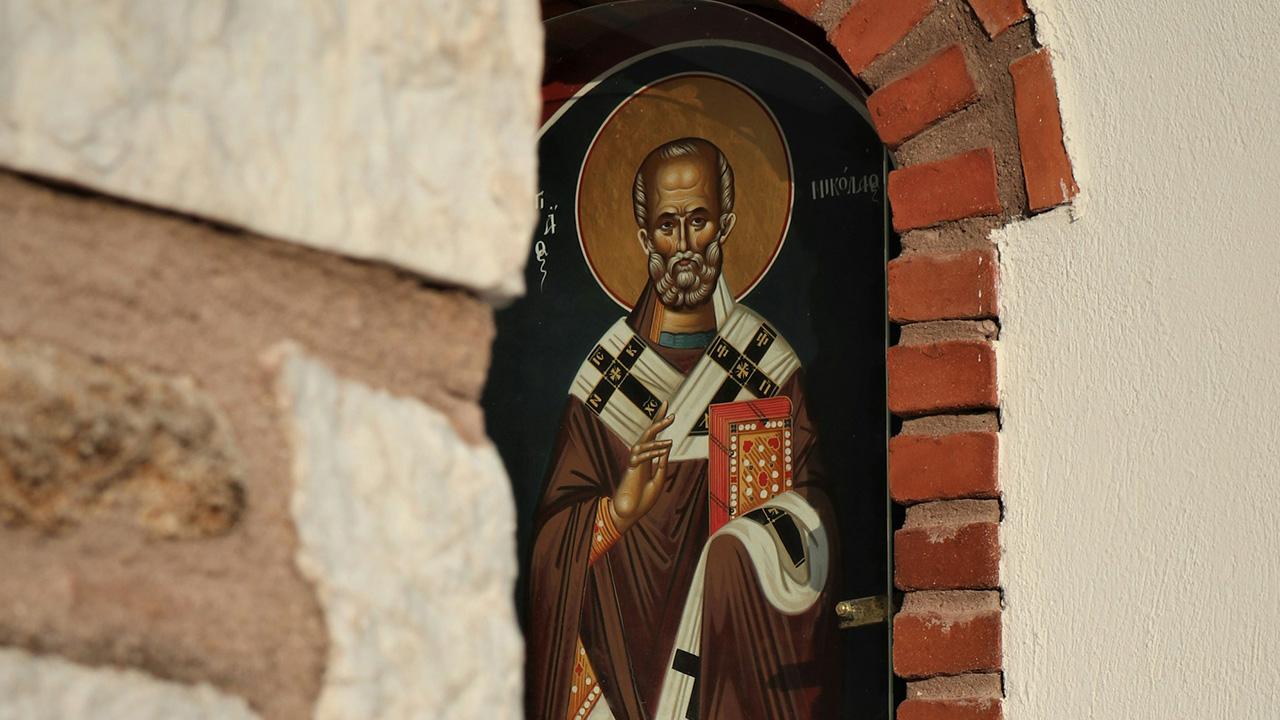
Saint-Nicolas-de-Port has been a major pilgrimage destination.
Saint-Nicolas-de-Port has been a major pilgrimage destination for nearly 1,000 years.
In 1087, Italian sailors transported Saint Nicholas’ remains from Myra (modern Demre, Turkey) to Bari, Italy. In 1098, a knight named Aubert de Varangéville brought a bone fragment – traditionally identified as a finger bone from the saint’s right hand, known as the dextre bénissante or “blessing right hand” – from Bari to Lorraine.
The arrival of the relic helped establish the town as an important medieval pilgrimage center.
Joan of Arc is said to have visited the sanctuary in 1429 before traveling to Chinon to meet the Dauphin.
After Duke René II defeated Charles the Bold at the Battle of Nancy in 1477, he designated Saint Nicholas the patron saint of Lorraine and commissioned the elaborate Gothic basilica to house the relics.
The building survived the Thirty Years’ War, the French Revolution (when gold reliquaries were melted, and the church temporarily became a “Temple of Reason”), and both world wars.
The Historical Saint Behind Santa Claus
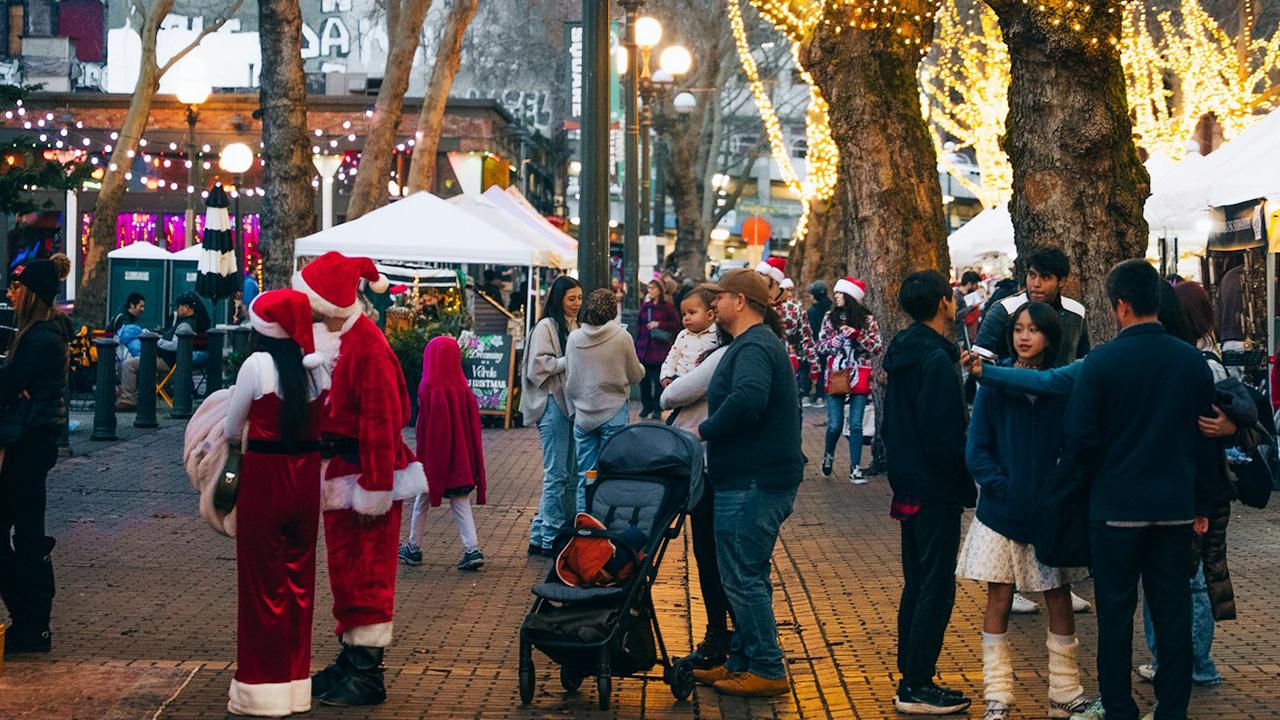
Saint Nicholas lived roughly from 270 to 343 AD as bishop of Myra.
Saint Nicholas lived roughly from 270 to 343 AD as bishop of Myra. He is the historical figure whose legendary generosity inspired the Santa Claus tradition and is recognized as the patron saint of children.
Tradition holds that he came from a wealthy family, inherited his parents’ fortune after their deaths in an epidemic, and distributed the wealth to the poor, sick and needy.
One of the best-known legends describes him secretly providing three impoverished girls with bags of gold to prevent them from being forced into prostitution. Stories of his charity spread across Europe and eventually merged with folklore surrounding Santa Claus.


Ongoing Archaeological Search in Turkey

Never Miss an

Daily updates from the heart of Hollywood, right to your inbox
By entering your email and clicking Sign Up, you’re agreeing to let us send you customized marketing messages about us and our advertising partners. You are also agreeing to our Terms of Service and Privacy Policy.
Saint Nicholas, a fourth-century bishop known for secret acts of charity, became the historical inspiration for Santa Claus.
Archaeologists in Demre, Turkey, have spent years investigating the possible original burial site of Saint Nicholas beneath the 11th-century Church of St. Nicholas.
In 2019, researchers using ground-penetrating radar reported discovering what they believed was an intact temple beneath the church. In 2022, excavations uncovered flooring from an earlier church, with officials stating they had reached “the remains of the first church and the floor on which Saint Nicolas stepped.”
The findings have not conclusively authenticated any recovered remains as belonging to the saint, and the traditional association of his remains with Bari remains the prevailing historical narrative.
The theft occurred shortly before the annual Feast of Saint Nicholas on December 6 and the basilica’s traditional torchlight procession on December 5, a cultural and religious significance of the destroyed fragment for generations of pilgrims.
