


EXCLUSIVE: One of the World's Greatest Rockers, 80, Hammered for Making This One Claim About Women

Pete Townshend is facing a backlash after claiming being a young man today is harder than being a young woman.
Jan. 19 2026, Published 8:36 p.m. ET


Pete Townshend is facing a backlash after claiming being a young man today is harder than being a young woman, remarks critics tell RadarOnline.com reveal a dated and misogynistic worldview.
The Who guitarist Townshend, 80, made the comments while reflecting on masculinity, youth and cultural change, arguing modern society fails to appreciate men and the emotional burdens they carry.
Tougher To Be A Man: Townshend Sparks Gender Firestorm


Pete Townshend said being a young man today is harder than being a young woman.
His remarks, delivered as the band approaches retirement after six decades, have reignited debate about gender, privilege and whose struggles are heard.
The Who musician said men have long been conditioned to suppress emotion and endure pain without complaint, a pattern he suggested continues today.
He framed his argument through personal anecdotes and memories from his early career, insisting that expectations placed on young men have rarely been acknowledged.
Townshend said: "I grew up in this strange period, but I think even today I am going to stretch it out here. I am going get into politics and sociology, it is tough being a young man. It is tougher to be a young man than being a young woman. Sorry to say that. We are not appreciated. People do not realize that we hide so much of our emotions."
Sports, Pain And Masculinity Myths

Townshend argued society overlooks men’s emotional struggles.
Expanding on the point, he linked masculinity to physical endurance and sports.
"We get involved in sports as a way of validating ourselves, and if we are in sports, we are told to take the pain," he added.
Townshend then recalled an incident on stage in New York, saying: "I remember gashing my hand at Madison Square Garden on a guitar and the ice hockey guy came up and went, 'You want me to fix that?'
"And he got out a staple gun and went 'Budum, budum, budum,' and the next day it was fixed. That is what young men are saddled with."
Women Campaigners Blast Out Of Touch View
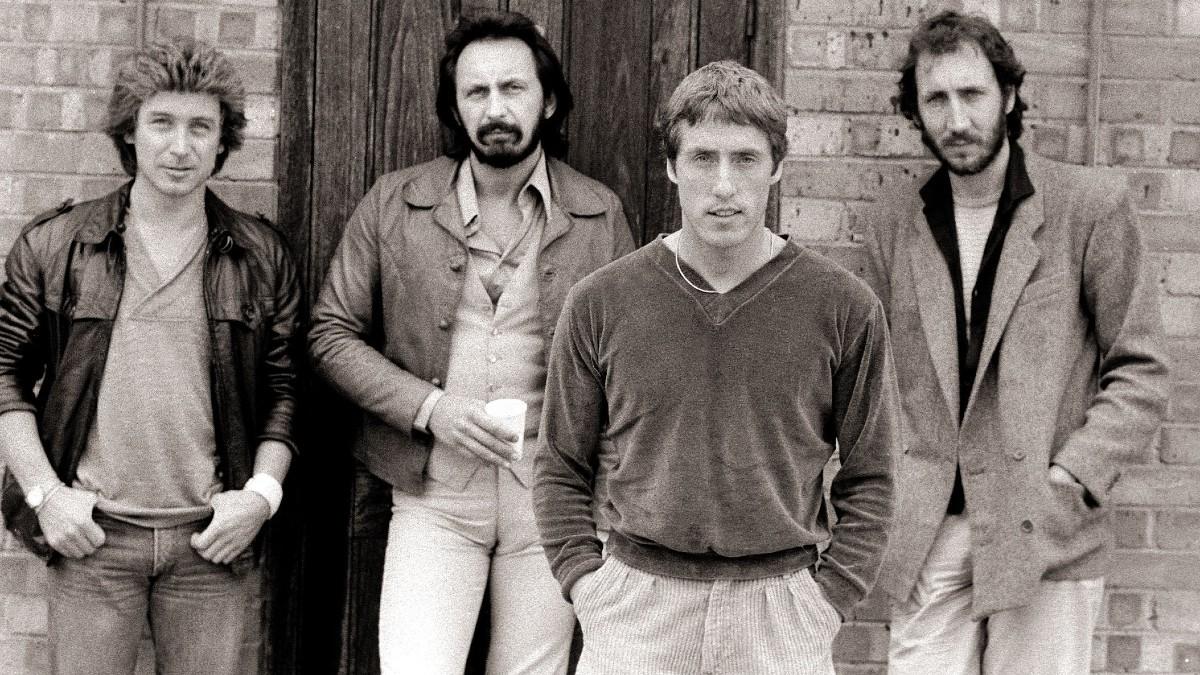
The backlash comes as The Who approach retirement.
Women's campaigners have reacted angrily, saying the comments ignored structural inequality faced by females.
A spokesperson for a UK-based feminist advocacy group told us: "These remarks are deeply out of touch and read as misogynistic. To suggest young men have it harder than young women dismisses ongoing issues around pay gaps, violence and reproductive rights."
Another campaigner added Townshend's framing "centers male discomfort while erasing women's lived realities."

Sex, The Sixties And A Band For Boys

Never Miss an

Daily updates from the heart of Hollywood, right to your inbox
By entering your email and clicking Sign Up, you’re agreeing to let us send you customized marketing messages about us and our advertising partners. You are also agreeing to our Terms of Service and Privacy Policy.

Townshend linked masculinity to endurance and sports.
Townshend also revisited the cultural upheaval of the 1960s, arguing the introduction of the contraceptive pill reshaped gender dynamics and popular music at the time.
Reflecting on his youth, he said: "Something else happened… 1966 I think it was… girls got the pill. Suddenly every female in London changed. They all became different people."
He continued: "They became interested in boys, each other, life and having fun before they got married and had kids. It made a big difference."
The guitarist said these shifts influenced his songwriting, steering him away from the romantic themes of earlier generations.
He added: "The music of my dad's era was, 'Let's fall in love, let's be in love.' It was all romantic. And so, for me in the work I was doing, I was trying to write music for the kids that I grew up with. So The Who became a band for boys, and Quadrophenia is about boys."
The rock opera Quadrophenia, written solely by Townshend, follows a young mod named Jimmy grappling with identity and self-worth and became one of the band's defining albums.
The comments come as Townshend and his bandmates prepare for their final North American tour dates, announced last year, bringing to a close a 60-year career that has repeatedly intersected with debates about youth, rebellion and social change.
