


EXCLUSIVE: Robin Williams' Daughter's AI Plea 'Could Spark Social Media Regulation'

Robin Williams' daughter has issued a powerful plea against AI deepfakes.
Sept. 22 2026, Published 5:01 p.m. ET


Robin Williams' daughter's furious plea for people to stop using artificial intelligence to recreate her late father Robin Williams could add fresh momentum to demands for tighter regulation of AI-generated material on social media, RadarOnline.com can reveal.
Filmmaker Zelda Williams, 37, recently condemned a fake video purporting to show Robin, who died aged 63 in 2014, discussing conspiracy theories.
'Have Some Shame'

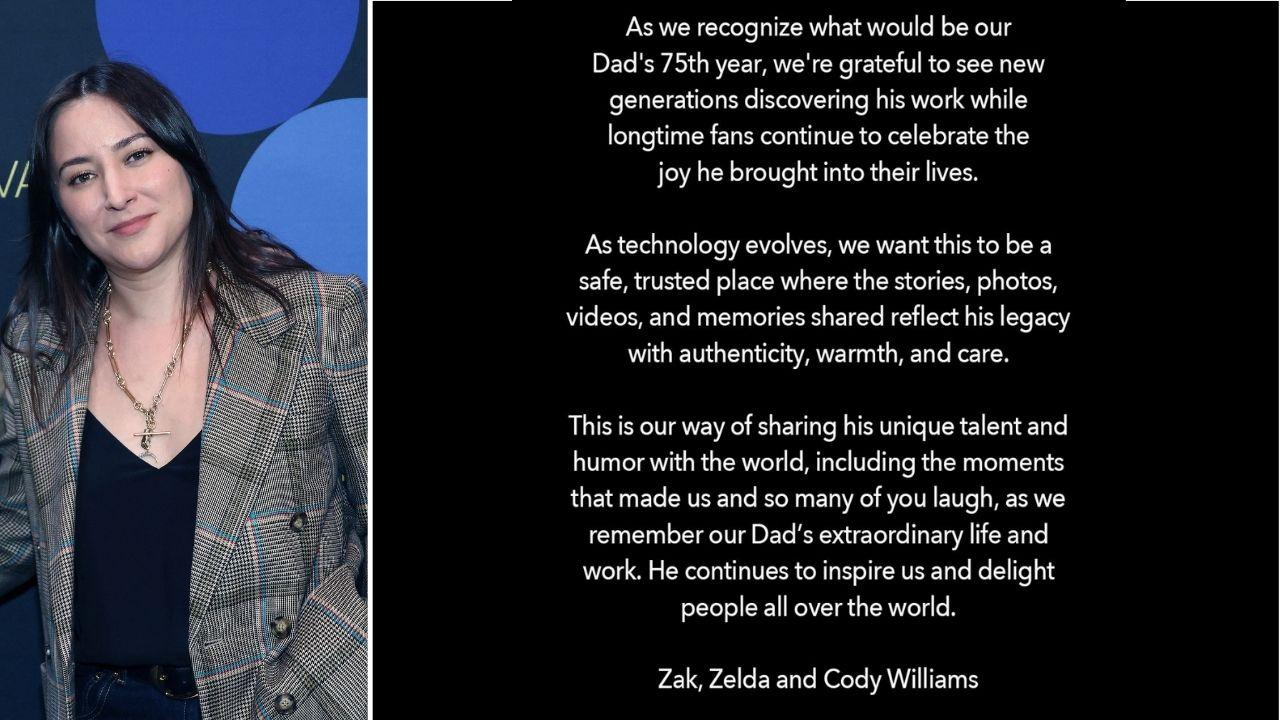
Filmmaker Zelda Williams blasted fake AI videos of her late father.
Her intervention comes after Zelda and her brothers Zak Williams and Cody Williams revived their father's Instagram account to provide fans with authentic material amid what they described as "rampant AI abuse" of his likeness.
Writing on Instagram, Zelda hit out: "That supposedly 'private video' of dad that I've been shown talking about conspiracies is clearly Al, and not even particularly convincing Al.
"Anyone who claims to be a fan who believes it clearly listened to his movies on mute because that voice is robotic and terrible.
"That said, a human made a robot create it, and to you I say: Leave him out of your delusional bulls--- and let him rest.
"If you cannot make your case without making a dead man make it more convincing for you, then tell me: who's the one manipulating the public (through) media now?"
Zelda, whose filmmaking work includes Lisa Frankenstein, also described X as a "cesspool of an app" containing "bots and people willingly being duped by bots."
She added: "Just because he's gone does not mean he's now your puppet. Have some shame."
Zelda Raises Consent Concerns Over AI
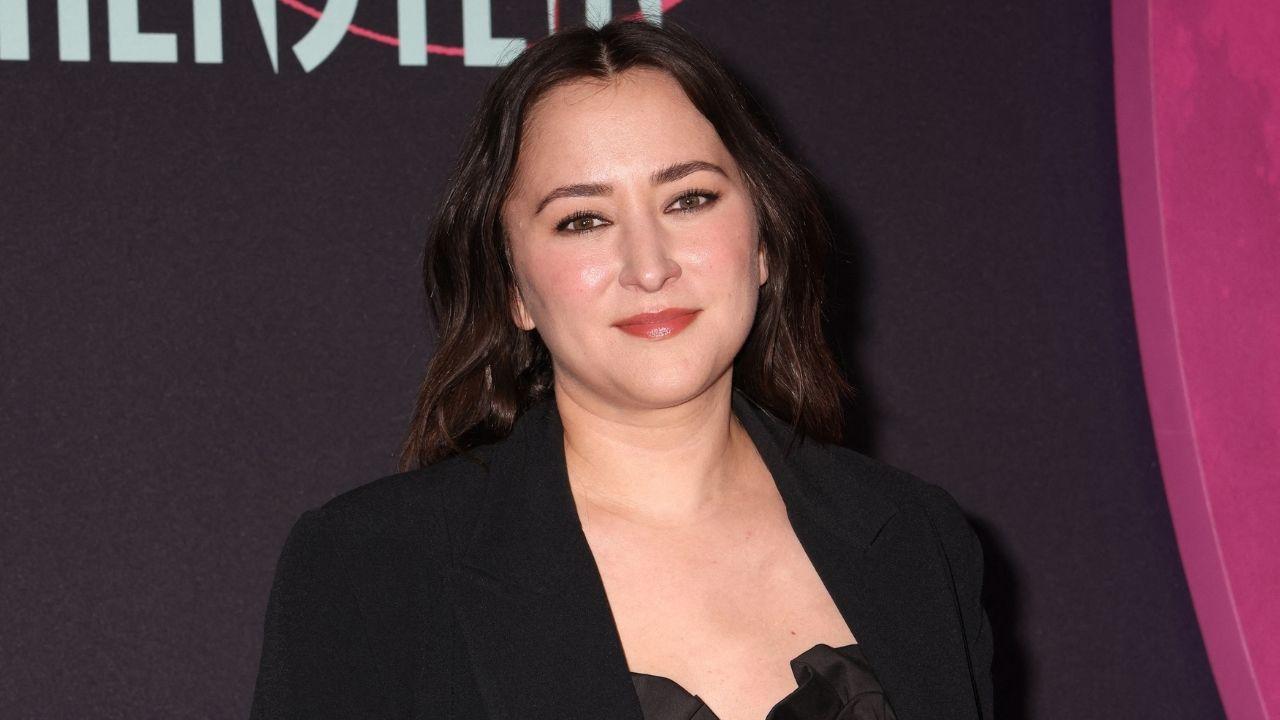
Zelda Williams said AI could strip people of their identity and choice.
Zelda said although she "abhors AI in every form," using technology to digitally recreate real people raised a "particular moral point" around consent.
She continued: "If you use these 'tools' to recreate real people and make them do whatever you'd like, you are very much removing their consent from the equation.
"If they, as human beings, would not or cannot make the choice to perform these acts for you in reality by their own free will, then you are actively manipulating their visage, voice or body to do so, likely against their wishes, and that means you are denying another person their autonomy and humanity solely for your entertainment.
"Don't become those petulant hated kings whose jesters only danced because they did so at the end of a sword."
The Williams siblings revived their famous father's Instagram account last month, saying they wanted to create a reliable archive where admirers could distinguish genuine footage from synthetic imitations.
Zelda said: "Believe me, I know it's a little strange.
"Making that space into one where people can find authentic clips and photos of him is one of the best ways we've now found to fight back against rampant AI abuse of his voice and likeness on here."
Robin Williams' Children Protect His Legacy
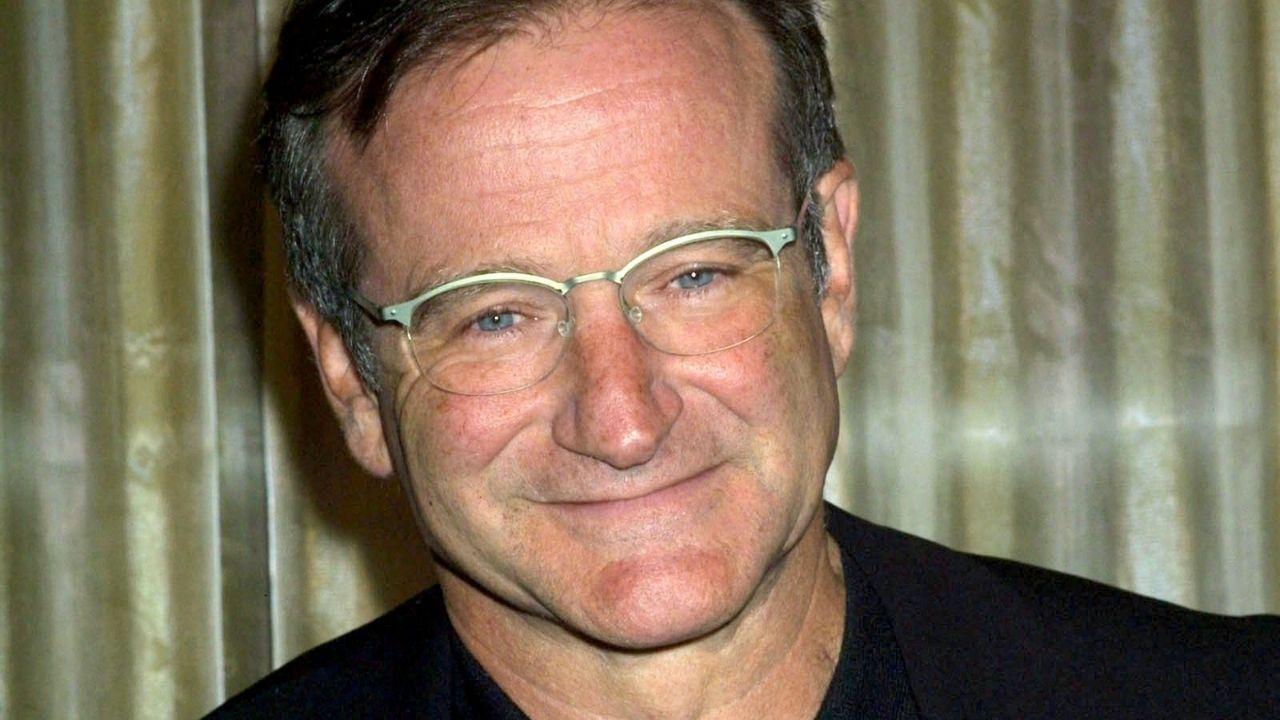
Robin Williams' children sought to protect his legacy from AI abuse.
Robin, known for films including Aladdin, Hook, Mrs. Doubtfire and Good Will Hunting, would have turned 75 in July.
His children said they wanted his account to become a "safe, trusted place" where photographs, footage and memories reflected his legacy with "authenticity, warmth, and care."
They said: "This is our way of sharing his unique talent and humor with the world, including the moments that made us and so many of you laugh, as we remember our Dad's extraordinary life and work."
A technology industry source exclusively told Radar: "Zelda's intervention goes to the heart of an issue regulators and social media companies are going to have to confront – what rights people retain over their face and voice after they have died.
"This is bigger than one disturbing video. AI is making it increasingly easy for somebody to put words into the mouth of a recognizable person and then distribute the result to millions of people before their family has any realistic opportunity to respond.
"High-profile cases such as Robin's could ultimately accelerate calls for tougher rules. When the family of somebody known around the world is publicly saying that his identity is being used without consent, it makes what can seem like an abstract debate about AI suddenly very human.

AI Regulation Debate Grows Over Digital Identity

Never Miss an

Daily updates from the heart of Hollywood, right to your inbox
By entering your email and clicking Sign Up, you’re agreeing to let us send you customized marketing messages about us and our advertising partners. You are also agreeing to our Terms of Service and Privacy Policy.
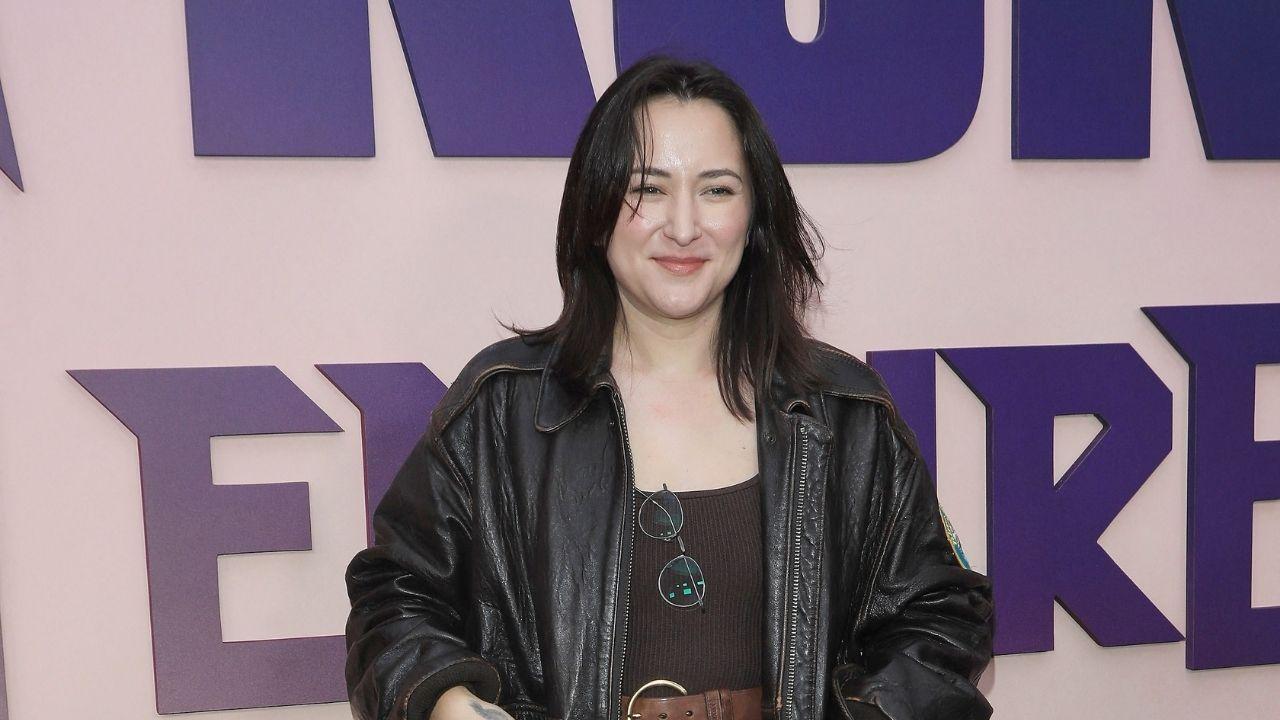
Unauthorized synthetic media sparked widespread debates over digital rights.
"The question for social media companies is whether simply labeling synthetic material will be enough. Families may increasingly argue that there should be circumstances in which unauthorized AI recreations of deceased people are removed altogether.
"Zelda's point about consent is particularly important. A person who has died cannot approve a new performance, challenge what they have apparently been made to say or explain to an audience that the material is false.
"That creates obvious opportunities for misinformation and manipulation. The more convincing this technology becomes, the harder it will be for an ordinary social media user to distinguish an authentic recording from something generated on a computer.
"The Williams family's decision to create a trusted archive of genuine material is one way of fighting back, but families cannot realistically be expected to police the entire internet themselves.
"This debate is only going to become more urgent. Cases involving globally recognized figures could become important pressure points as lawmakers consider where AI innovation ends and the protection of identity, consent and authenticity begins – which is all social media regulation that is desperately needed."
