


EXCLUSIVE: Prince Harry Savaged Over Claim His Full-Time Job is 'Prince of England' — As Title Doesn't Even Exist

Prince Harry's claim he's the 'Prince of England' has ruffled feathers.
July 25 2026, Published 3:00 p.m. ET


Prince Harry has been savaged after describing himself as the "Prince of England" during a podcast appearance, as it's a title that does not exist.
RadarOnline.com can reveal the Duke of Sussex's statement has also prompted accusations he has grown detached from his own royal and historical identity.

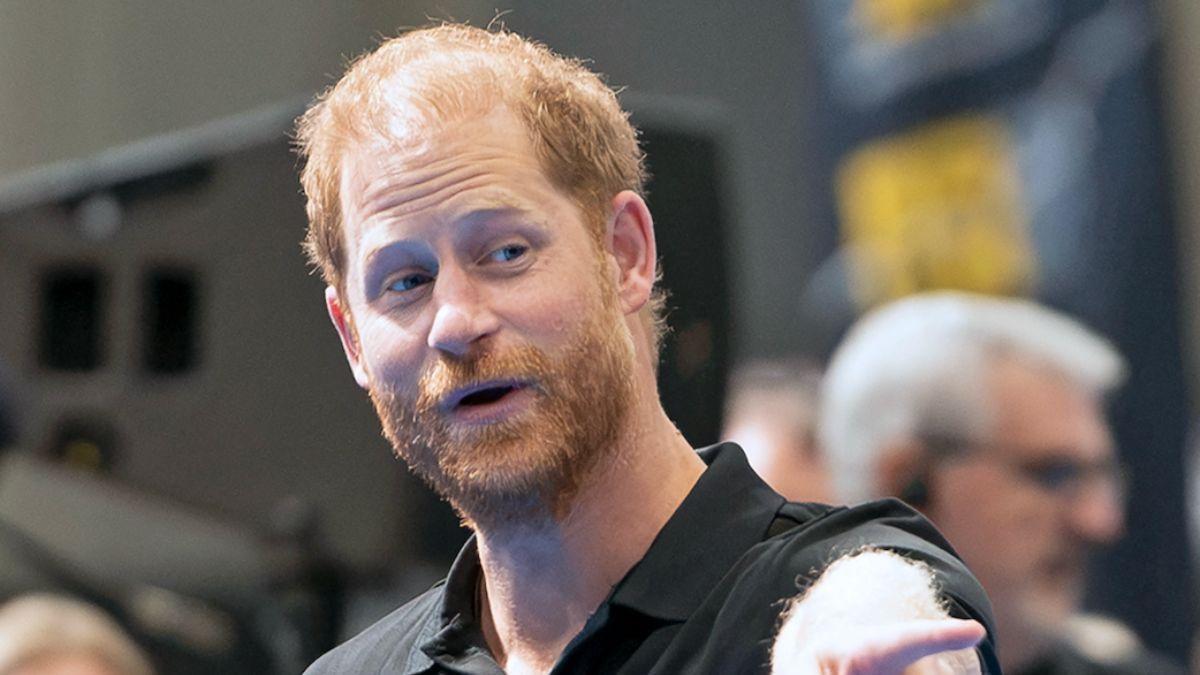
Prince Harry claimed he was the 'Prince of England.'
Harry, 41, made the remark while appearing on a podcast hosted by former England rugby player Joe Marler, in what was intended to be a relaxed, humorous conversation.
During the exchange, Marler asked about the royal exile's occupation, leading Harry to reply he was a "full-time dad," a "British Army veteran," and "Prince of England" – before adding he was also a "Duke."
The comments quickly drew attention, given no such "Prince of England" title formally exists within the constitutional framework of the United Kingdom, where royal titles are tied to the broader entity of Great Britain and Northern Ireland.
Harry, who stepped back from senior royal duties in 2020 and now lives in California, has since built a media-facing life in the United States alongside his ambitious wife, Meghan Markle.
'There Has Never Been a Formal Title of Prince of England'
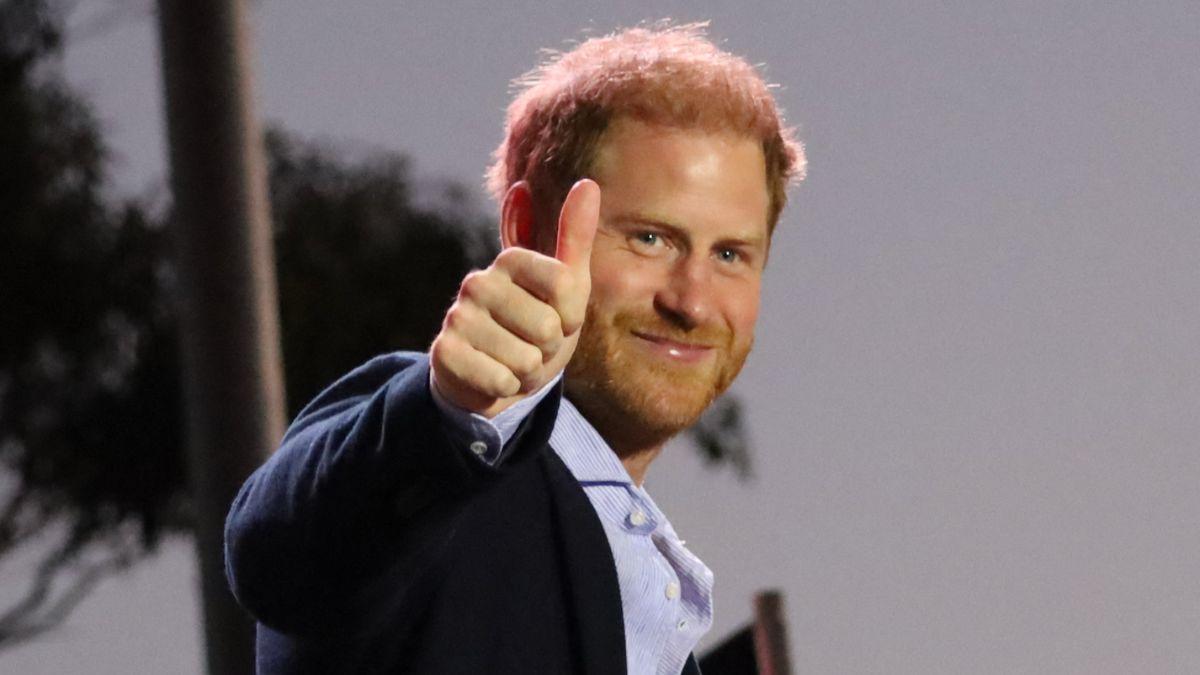
The title 'Prince of England' doesn't appear to exist.
A source familiar with royal protocol claimed: "The phrase Harry used is not just informal – it is entirely inaccurate in a constitutional sense, and that is why it has raised eyebrows among those who follow these distinctions closely.
"There is a long-established structure to royal titles, and they carry specific historical and political meaning. Referring to himself in that way suggests either a casual approach to those conventions or a growing distance from them."
Another insider said: "It may have been an offhand remark, but it reflects how easily the nuances between England and the United Kingdom can become blurred, particularly for someone now living abroad.
"For critics, it feeds into a broader perception that he is increasingly shaped by American shorthand, where those distinctions are often overlooked.
"Historically, there has never been a formal title of 'Prince of England.'"
The Royal Titles Explained
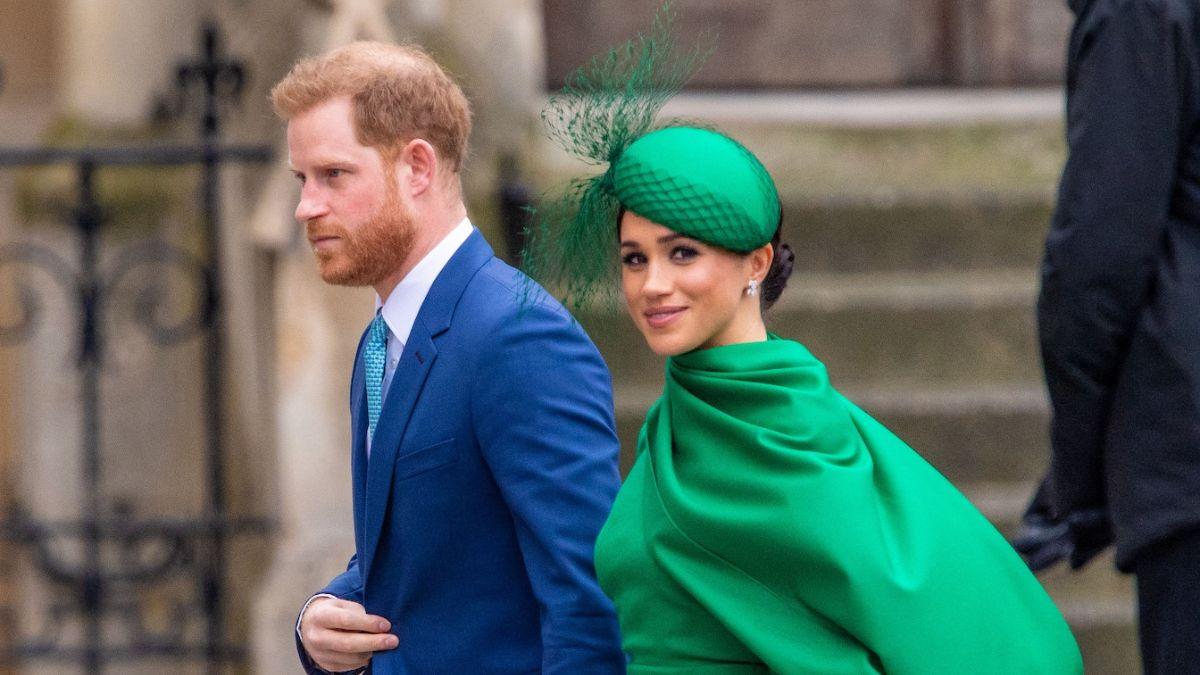
Harry stepped back from senior royal duties in 2020 and moved to California with Meghan Markle.
Following the Acts of Union in 1707, the Kingdom of England ceased to exist as a separate entity, becoming part of the Kingdom of Great Britain.
Even before that, royal titles were structured differently, with the heir traditionally named Prince of Wales and other sons granted peerages such as Duke of York.
The convention of styling royal children as princes and princesses developed under the Hanoverian dynasty from 1714, by which time the appropriate designation would have been Prince of Great Britain.
The distinction remains significant within the modern monarchy, where titles are understood to represent all nations within the United Kingdom – England, Scotland, Wales, and Northern Ireland.
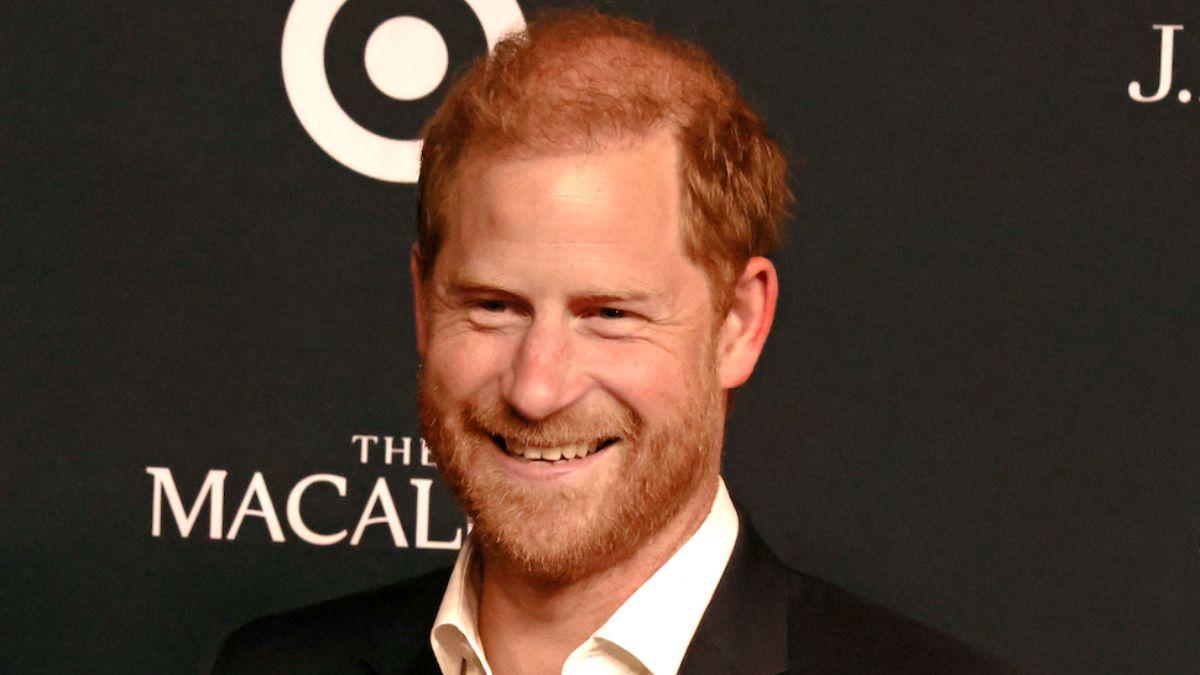
The 41-year-old has found himself in hot water ever since leaving the royal family.
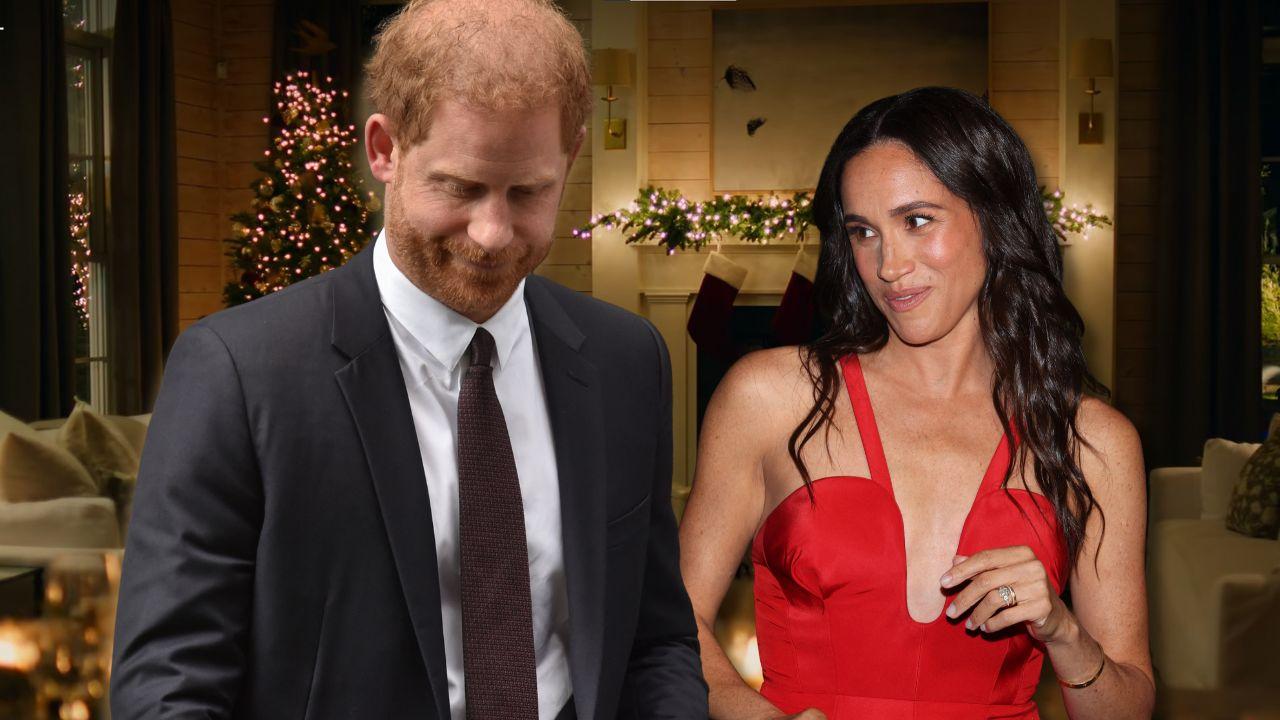
By contrast, the phrase used by Harry refers only to England, omitting the broader constitutional framework that defines the royal family's role.
The comment has also been interpreted by some observers as reflecting the linguistic habits of his adopted home in the United States, where "England" is often used interchangeably with "Great Britain."
While such usage is common in casual conversation, it carries different implications when applied to formal titles with centuries of historical precedent.
Harry's appearance on the podcast otherwise focused on light-hearted topics, including personal anecdotes and self-deprecating humor.

Never Miss an

Daily updates from the heart of Hollywood, right to your inbox
By entering your email and clicking Sign Up, you’re agreeing to let us send you customized marketing messages about us and our advertising partners. You are also agreeing to our Terms of Service and Privacy Policy.
However, the remark about how he views his "job" has drawn disproportionate attention, with critics arguing it underscores a wider tension between his royal background and his current life outside the UK.
The Duke, who served in the British Army and remains sixth in line to the throne, has not publicly addressed the reaction to his comment.
