


Pete Hegseth's Secret Canada Military Memo Branded a 'Slap in the Face' as Defense Minister Says He Knows Nothing About It

The reported memo’s restrictions have not been publicly detailed.
Nov. 21 2026, Published 3:25 p.m. ET


Canadian defense officials say they have not seen a reported U.S. military directive that could limit aspects of cooperation between the two countries, raising questions about a possible shift in the longtime defense partnership.
The Washington Post reported on November 20 that Defense Secretary Pete Hegseth had circulated a classified memo outlining new restrictions on military ties with Canada.
According to the report, which cited unnamed U.S. officials, the guidance could affect military exchange programs. However, the document's full contents have not been made public.
One U.S. official reportedly warned that the move could be viewed in Canada as a "slap in the face." The Pentagon has acknowledged issuing new guidance but maintains that key areas of the partnership remain unaffected.
Canadian Defense Officials Say They Have Not Seen the Memo

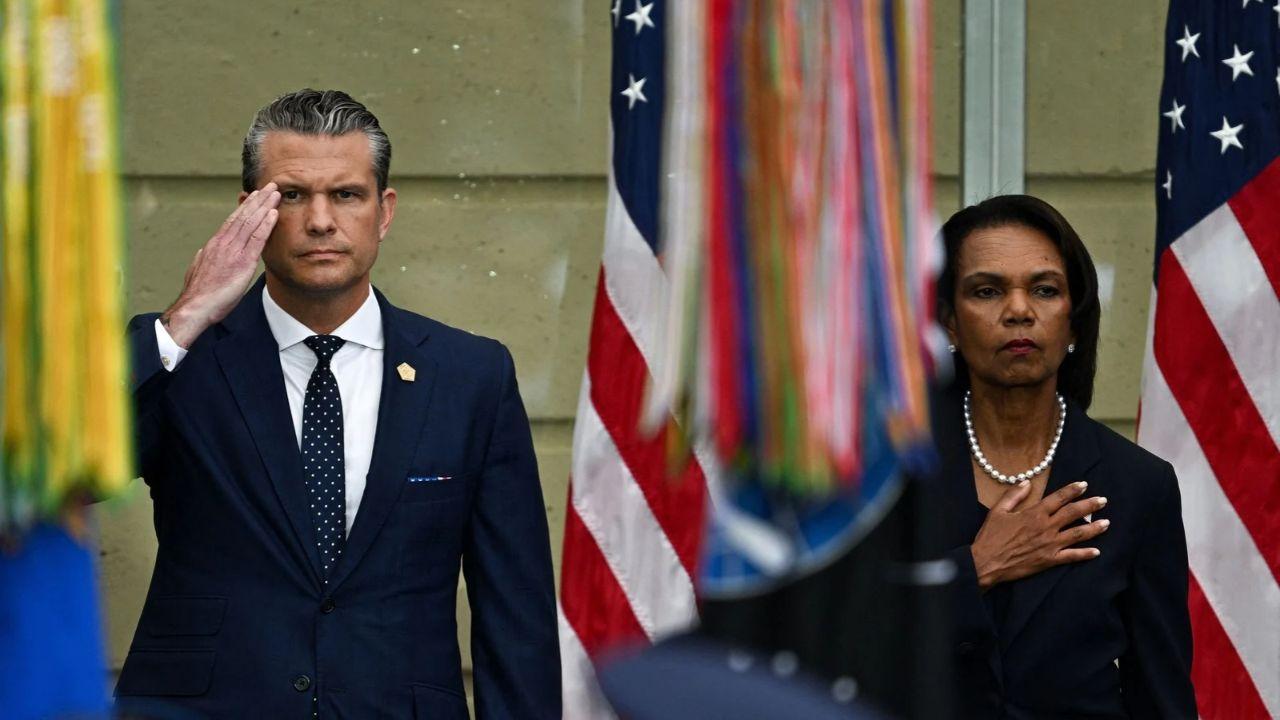
McGuinty said Nov. 21 that Canada had not seen the directive.
Defense Minister David McGuinty addressed the report Saturday, November 21, at the Halifax International Security Forum, saying Canadian officials had neither received nor reviewed the reported directive.
McGuinty described the two countries' military relationship as continuing "hand in glove," pointing to their cooperation on joint missions, including air defense and counternarcotics operations.
Gen. Jennie Carignan, Canada's chief of the defense staff, also indicated that routine military interactions had continued without changes.
Their comments suggest that Canadian officials have not identified an immediate disruption to military operations. However, they have not clarified what restrictions the reported document may contain.
Pentagon Says Intelligence Sharing and NATO Cooperation Are Unaffected
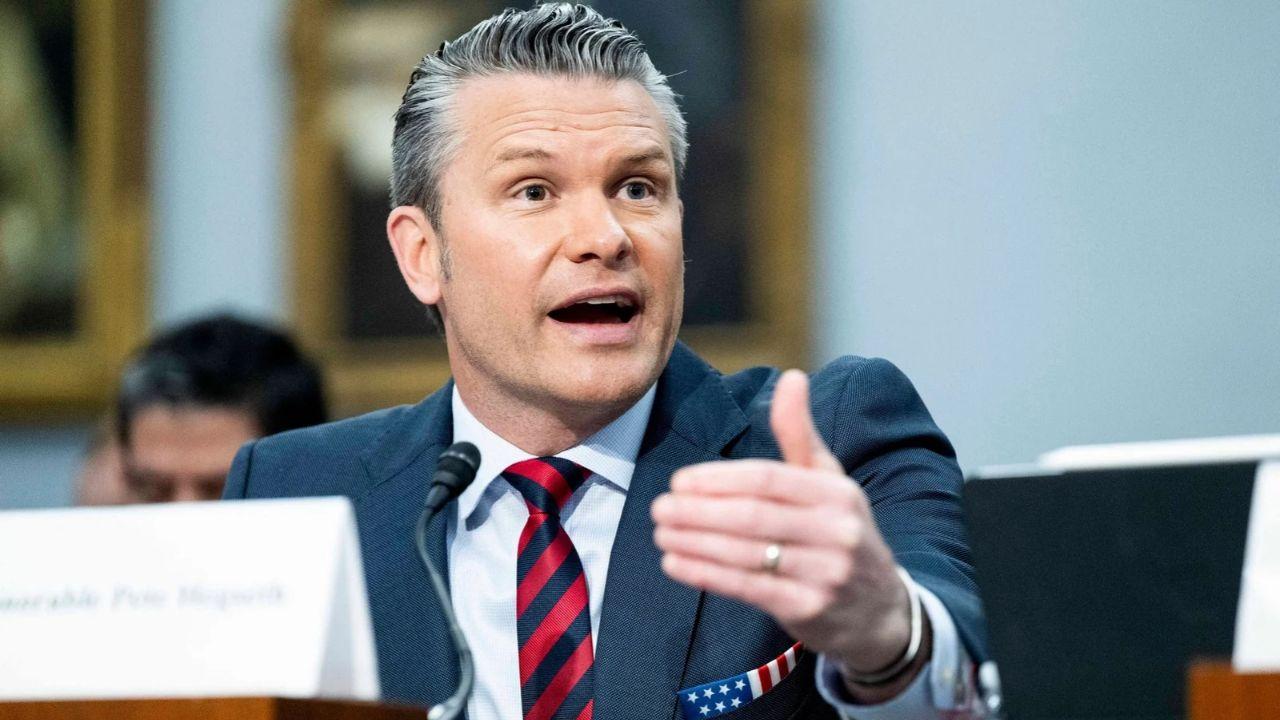
The Pentagon said the guidance does not affect intelligence sharing, NORAD or NATO collaboration.
Pentagon chief spokesman Sean Parnell said the department is focusing on partnerships that support U.S. defense priorities, homeland and hemispheric security, and NATO commitments.
Parnell also said the new guidance does not affect intelligence sharing or cooperation through NATO. His statement confirmed that the Pentagon had issued guidance concerning Canada, although it did not provide a detailed account of which military programs could face restrictions.
The distinction leaves questions about whether personnel exchanges and other bilateral initiatives could be affected.
Mike Rounds Offers More Details About the Restrictions
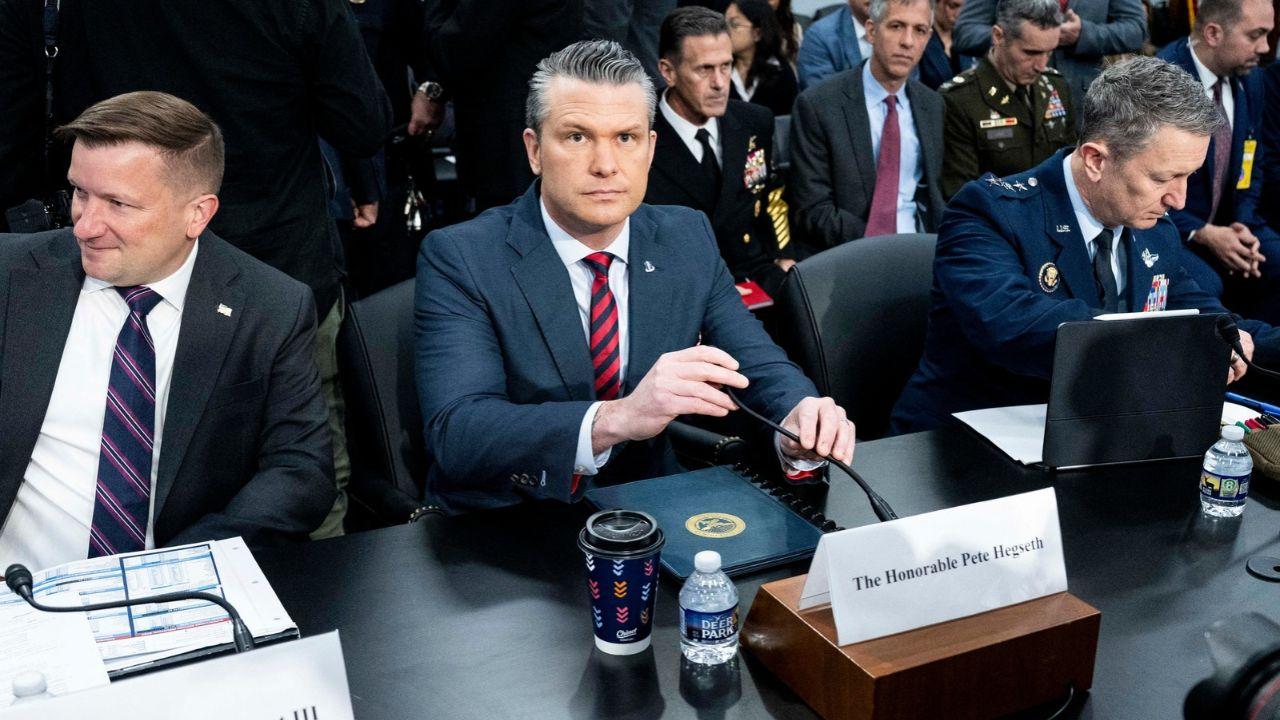
Gen. Jennie Carignan said daily military interactions had not changed.
Republican Sen. Mike Rounds provided further insight into the reported directive during the Halifax forum, suggesting that its restrictions may focus on informal military engagements rather than operational cooperation.
According to The Canadian Press, Rounds said U.S. military officials would need approval to attend Canadian think tank events, conferences and social gatherings. He also said the guidance would not affect NORAD, NATO operations or the Five Eyes intelligence alliance.
Rounds indicated that the measures did not introduce major changes to existing practices. He said Canadian officials who heard his explanation viewed the restrictions as consistent with arrangements that had already been in place.
His comments offer a more specific picture of the memo's potential reach, although the classified document itself has not been independently reviewed by the news outlets reporting on it.
Trump's Comments and Defense Spending Add to Tensions
Never Miss an

Daily updates from the heart of Hollywood, right to your inbox
By entering your email and clicking Sign Up, you’re agreeing to let us send you customized marketing messages about us and our advertising partners. You are also agreeing to our Terms of Service and Privacy Policy.
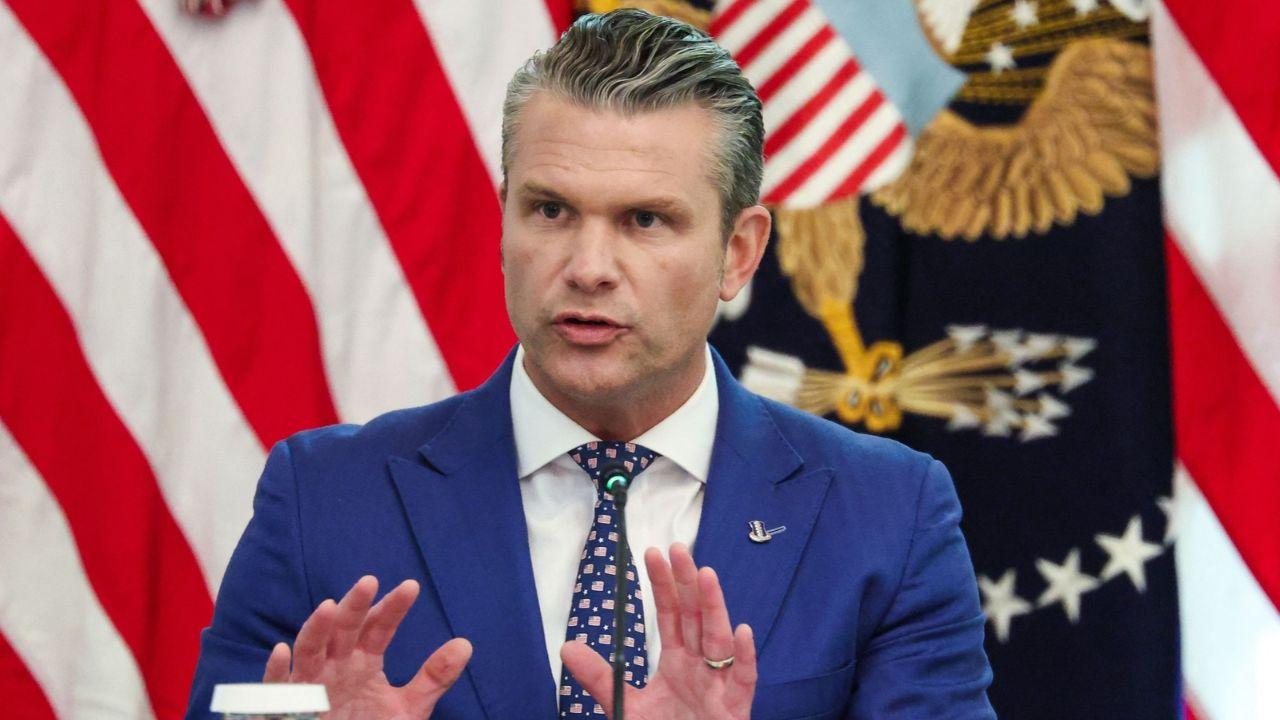
The report comes amid broader tensions over defense ties and Canada’s F-35 review.
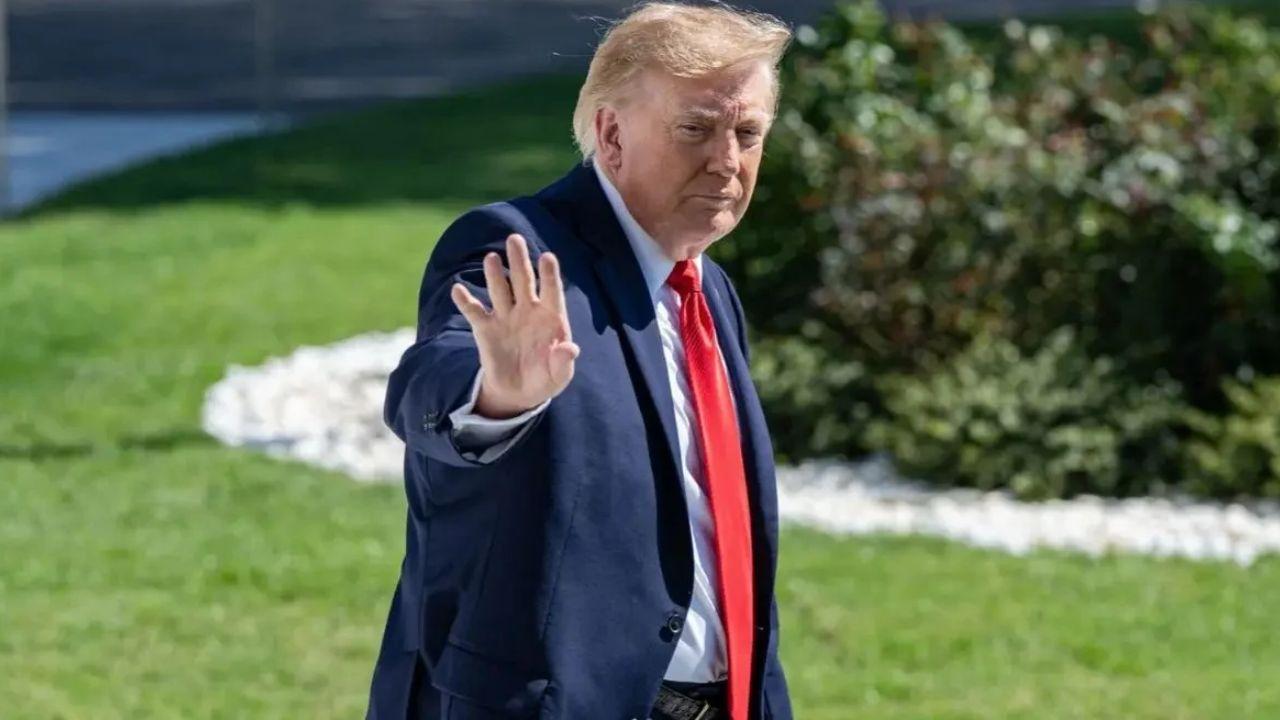
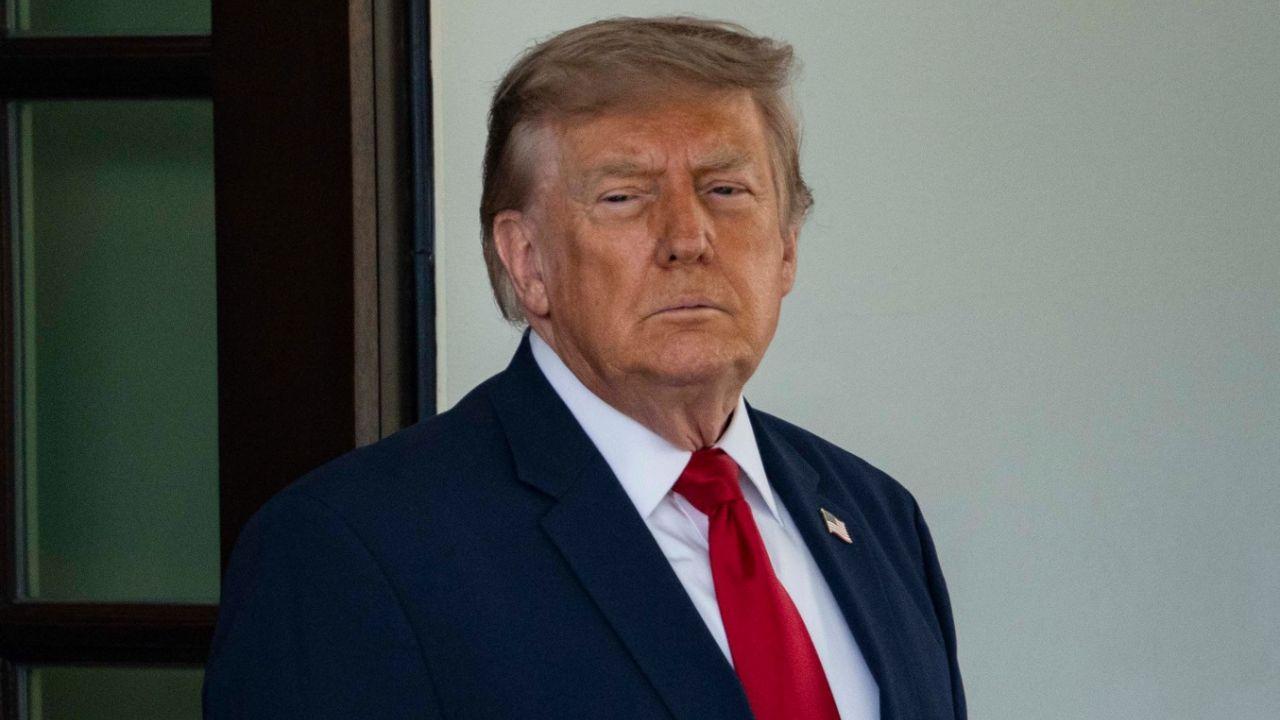
The reported guidance comes against a backdrop of growing disagreements between Washington and Ottawa over military spending, defense procurement, and President Donald Trump's repeated comments about making Canada part of the United States.
Tensions had already surfaced in May, when the Pentagon announced a pause in U.S. participation in the Permanent Joint Board on Defense, a bilateral military advisory body established in 1940. The decision was linked to Washington's concerns about Canada's defense commitments.
Canada's review of its planned purchase of F-35 fighter jets has also drawn scrutiny from U.S. officials. Ottawa announced plans to acquire 88 aircraft in 2023 but began reviewing the decision in 2025.
The latest memo report adds another complication to the relationship. However, the available information does not establish that the reported restrictions have affected joint military operations.
