


Nationwide Fire Watch Guards: Scaling Fire Safety Coverage with AI-Driven Dispatch Systems
Jan. 15 2026, Published 1:48 a.m. ET


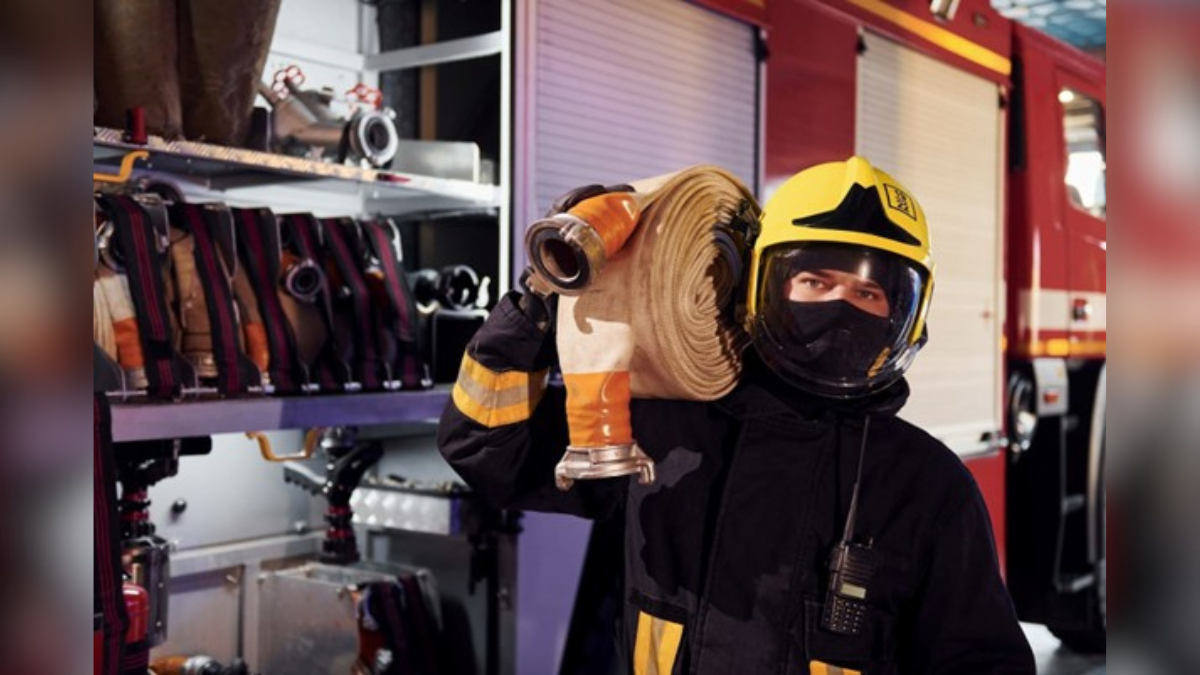
In a world that’s becoming faster, smarter, and more connected, safety shouldn't fall behind. Fire incidents can turn catastrophic in mere minutes, and relying on outdated systems can mean the difference between minor damage and total devastation. This is why Nationwide Fire Watch Guards, supported by AI-driven dispatch systems, are becoming the frontline heroes in modern fire safety.
Imagine a system that doesn’t sleep, doesn’t make human errors, and dispatches help before you even finish dialing. That’s what happens when artificial intelligence meets traditional fire watch services. It’s not just innovation, it’s a revolution in how we scale fire safety across vast geographies.
The Growing Demand for Fire Watch Services
Fire watch services have gone from being an optional precaution to an absolute necessity in today’s world. Why? Because the risks are escalating fast.
Urban expansion means more construction sites, more industrial zones, and more complex buildings, all of which are hotbeds for potential fire hazards. Add in climate change, which is drying up forests and intensifying heatwaves, and you've got a recipe for disaster. It's no surprise that insurance companies, city officials, and property managers are all increasing their fire safety requirements.
Here’s the thing: any time a fire alarm system goes down, or when sprinklers aren’t functional, fire watch guards need to step in. Whether it’s a short-term issue during maintenance or a long-term compliance concern on a job site, having someone physically monitor the premises for fire risks becomes essential.
But with hundreds of locations across the country and rising service requests, how can any single provider respond quickly, efficiently, and reliably? The answer lies in scaling operations smartly, and that’s where AI comes in.
Understanding Fire Watch Guards: Who They Are and What They Do

So, what exactly do fire watch guards do? These aren't just people walking around with flashlights. They are trained professionals who are responsible for detecting early fire risks and ensuring everything remains under control until proper fire systems are back online.
A fire watch guard’s typical duties include:
Patrolling high-risk areas on a strict schedule
Monitoring for signs of smoke, sparks, or unusual smells
Logging activity in detailed reports
Alerting fire departments immediately if a threat is detected
Ensuring safety compliance with local and national fire codes
This is critical work. When systems fail or buildings are under construction, fire watch guards serve as the human safety net. They're eyes and ears on the ground, and often the first line of defense.
But even with the best training, humans have limits, especially when dispatch processes are slow or disorganized. That’s why pairing skilled guards with AI-enhanced systems makes so much sense.
Why Traditional Fire Watch Systems Fall Short
Let’s be honest: traditional dispatch methods can be clunky. Think call centers, pagers, spreadsheets, and manual coordination. Sure, it works to a degree, but when you're trying to manage guard deployment across multiple states, time zones, and emergencies, the cracks start to show.
Here’s what often goes wrong:
Dispatch Delays: It can take hours to find available guards and route them to a location. Every minute counts in a fire emergency.
Coverage Gaps: Without real-time data, guards might not be where they're most needed.
Human Errors: Double-bookings, wrong locations, missed check-ins, all common when systems aren’t automated.
Traditional systems simply don’t scale well. And when you’re dealing with life-or-death situations, "good enough" isn't good enough.
This is exactly why companies are turning to AI-driven solutions to streamline and enhance their fire watch operations.
The Rise of AI in Emergency Services
AI is no longer just about smart assistants or sci-fi robots. It’s being used to predict wildfires, analyze emergency response times, and now, optimize fire watch deployments.
In the world of emergency services, AI is making huge strides. For example:
Predictive analytics help forecast when and where fire risks are most likely.
Image recognition is used in surveillance systems to detect smoke or heat patterns.
Machine learning algorithms continuously improve dispatch strategies based on historical data.
And guess what? This tech isn’t just for firefighters. Private security firms, property managers, and construction companies are now leveraging AI to make their fire watch programs smarter and more efficient.
What Are AI-Driven Dispatch Systems?
An AI-driven dispatch system is like a brain that never sleeps, constantly analyzing incoming data to make smart, real-time decisions.
Here’s what these systems typically include:
Real-time GPS tracking of fire watch guards
AI-based scheduling algorithms that match the right guard to the right job instantly
Automated alerts triggered by sensor input or incident reports
Mobile apps for check-ins, status updates, and instant communication
Data dashboards that give supervisors full visibility across locations
Instead of waiting for someone in a call center to assign guards manually, the system does it automatically, based on proximity, availability, skill level, and urgency. This slashes response time and ensures nothing falls through the cracks.
How AI Enhances Fire Watch Guard Deployment
Here’s where it gets exciting. AI doesn’t just make dispatch faster, it makes it smarter.
Faster Response Times AI can analyze who’s closest to an emergency and dispatch them within seconds. No more phone trees or delays.
Predictive Analytics By reviewing patterns like weather data, previous incidents, and construction activities, AI can anticipate risks and deploy guards before incidents occur.
Smarter Resource Allocation With limited human guards, AI helps assign them where they’ll be most effective. This avoids overstaffing low-risk zones while high-risk areas go uncovered.
It’s like switching from a flip phone to a smartphone, a complete game-changer in how fire watch is done.
Continued in next response…
continue and conclude without FAQs
Nationwide Coverage: Breaking the Geographical Barrier
One of the biggest challenges in fire safety is coverage at scale. Picture this: a company managing hundreds of sites across the U.S., from dense city centers to remote industrial zones. Ensuring a fire watch guard is in place at every location, exactly when and where needed, is a logistical nightmare without the right tools.
Enter AI.
With AI-powered dispatch systems, geographical limitations are no longer a roadblock. These systems can instantly identify guard availability nationwide, calculate response times, and deploy personnel to the correct site within minutes. No more relying on regional managers juggling spreadsheets or last-minute calls to nearby vendors.
Let’s break down how AI makes this possible:
Real-Time Location Awareness: AI tracks every available guard across the country using GPS.
Dynamic Routing: Dispatch systems calculate the fastest travel routes and reroute guards in real-time based on traffic or emergencies.
Auto-Scheduling Across Time Zones: AI eliminates scheduling mishaps caused by time differences, especially useful for companies operating in multiple states.
Nationwide AI-driven fire watch isn’t a distant dream. It’s already here, quietly revolutionizing fire safety logistics and removing the guesswork from guard deployment.
Case Studies: AI in Action Across the Nation
It’s one thing to talk about AI in theory. But let’s look at how it’s being used on the ground, right now.
Case Study #1: High-Rise Construction Site in Manhattan
During a scheduled fire alarm system shutdown in a 50-story tower, AI dispatched the nearest certified fire watch guard within 12 minutes, cutting what typically took hours. The system automatically rotated guards every 8 hours, ensuring no lapse in coverage, and the entire shift log was generated digitally for compliance.
Case Study #2: Wildfire Response in Northern California
During a high wildfire risk week, AI analytics flagged a spike in risk for an industrial plant based on heat maps and weather forecasts. The system proactively deployed two additional guards to the site before any incident occurred. Those guards later reported smoldering debris near a generator, preventing a major event.
Case Study #3: National Retail Chain in 12 States
A retail company with stores across the Midwest integrated an AI dispatch system to manage 24/7 fire watch in locations undergoing sprinkler retrofits. The system saved them over $100,000 in labor by optimizing schedules, reducing idle time, and automating reports.
These examples prove a point: AI isn’t just faster, it’s smarter, proactive, and cost-efficient.
Benefits of AI-Driven Fire Watch Dispatching
Let’s pull everything together. What exactly do businesses gain from using an AI-driven dispatch system for their fire watch needs?
1. Ultra-Fast Response Times
AI pinpoints the closest available resource and deploys in real-time. Response that used to take hours now happens in minutes or less.
2. Increased Coverage and Consistency
AI doesn’t forget or get tired. It ensures 100% compliance with patrol schedules, check-ins, and site-specific instructions, every single time.
3. Real-Time Data and Visibility
From one dashboard, supervisors can monitor every guard, every location, and every shift in real-time. No more chasing down reports or phone updates.
4. Cost Savings
AI reduces administrative overhead, eliminates manual errors, and optimizes guard allocation. You save money while improving safety.
5. Scalability
Whether it’s 10 or 1,000 locations, AI scales effortlessly, perfect for growing businesses or those with national footprints.
6. Automated Compliance
Logs, incident reports, shift changes, all recorded automatically. This makes audits and inspections a breeze.
Put simply, AI transforms fire watch from a reactive service into a predictive safety system that prevents fires before they happen and ensures full preparedness if they do.
Compliance and Legal Considerations
Fire watch services aren't just a best practice, they're a legal requirement in many scenarios.
Key Regulations Include:
OSHA (Occupational Safety and Health Administration) mandates fire watch personnel when hot work is performed or when fire protection systems are impaired.
NFPA (National Fire Protection Association) outlines requirements for fire watch in their codes (especially NFPA 101 and NFPA 25).
Local Fire Marshals and Building Codes often have region-specific compliance rules regarding guard qualifications, patrol frequency, and documentation.
AI-driven systems help in meeting and exceeding these compliance requirements by:
Automatically scheduling patrols per code standards
Generating digital logs with timestamps, GPS data, and guard credentials
Sending alerts for any missed patrol or late check-in
Not only do these systems ensure legal compliance, they make the process audit-proof and transparent, which can save companies from fines, legal trouble, or worse, liability in case of a fire.
Choosing a Nationwide Fire Watch Provider with AI Capabilities
Not all fire watch providers are created equal. If you’re looking to upgrade to an AI-enhanced service, here’s what to look for:
1. National Presence with Local Response
Make sure the provider has a wide network of guards and can respond in both metro and remote areas.
2. AI-Integrated Dispatch System
Ask for a demo. A quality provider will have a real-time dashboard, mobile apps for guards, predictive analytics, and automated scheduling.
3. Certified and Trained Guards
AI is powerful, but only when paired with skilled human professionals. Ensure the guards are licensed, trained in fire watch protocols, and background-checked.
4. Transparent Reporting
Look for providers offering digital logs, incident reports, and audit-friendly documentation. Bonus points if you can access it all in a client portal.
5. 24/7 Support
AI doesn’t sleep, but humans still need support. Your provider should have a 24/7 hotline for emergencies or service requests.
Partnering with the right fire watch provider can mean total peace of mind, knowing your sites are protected no matter the hour or location.
Integration with Other Smart Safety Systems

AI doesn’t live in a vacuum. When it works alongside other technologies, the result is a fully integrated safety ecosystem.
Imagine this setup:
IoT-enabled smoke detectors feeding data into the dispatch system
Smart surveillance cameras using computer vision to detect flames or heat
Mobile alert apps notifying building occupants in real-time
Digital lock systems that allow instant access to fire watch personnel
When these systems talk to each other, response becomes not just faster, but intelligent. AI can recognize a heat spike in one zone, confirm it with visual data, and deploy guards to investigate, all without human intervention.
This kind of integration creates layered protection, turning buildings from passive structures into active, responsive environments.

Never Miss an

Daily updates from the heart of Hollywood, right to your inbox
By entering your email and clicking Sign Up, you’re agreeing to let us send you customized marketing messages about us and our advertising partners. You are also agreeing to our Terms of Service and Privacy Policy.
Challenges and Limitations of AI in Fire Watch
No system is perfect, even AI has its flaws. It's important to stay realistic about what it can and can't do.
1. Data Accuracy
AI is only as good as the data it’s fed. Poor input (wrong GPS, outdated maps, incorrect schedules) can lead to poor outcomes.
2. Training Requirements
Guard teams and managers must be trained on how to interact with the new system. There's a learning curve involved, especially for teams used to manual methods.
3. Upfront Investment
AI systems aren’t cheap. There’s a significant initial cost to develop, license, or implement the software, especially if you’re building a custom solution.
4. Tech Dependence
If systems go offline due to a cyberattack or power outage, you need backup plans in place. AI can't replace human intuition in crisis moments.
Still, these are solvable challenges. With the right provider and strategy, the benefits far outweigh the limitations.
The Future of Fire Safety: What’s Next?
We’re just scratching the surface. As AI matures, the future of fire safety looks even more promising.
Here are some trends to watch:
Autonomous Drones: Patrolling construction sites or industrial areas to detect fire risks from the sky.
AI-Driven Risk Maps: Continuously updated maps showing real-time fire risks across the country.
Voice-Activated Emergency Systems: Buildings that can "talk" to occupants, guiding them during an evacuation.
Machine Learning Enhancements: Systems that improve the more they're used, eventually predicting and preventing fires before any human detects danger.
The future isn’t just safe, it’s smart, scalable, and proactive.
Conclusion: Smarter, Safer, and More Scalable
Fire doesn’t wait. And in today’s fast-moving world, your fire safety systems shouldn’t either.
Nationwide fire watch guards are critical to keeping people and property safe, but pairing them with AI-driven dispatch systems changes the game. It’s no longer about simply responding to emergencies, it’s about preventing them, staying one step ahead, and doing it all with speed, accuracy, and scale.
By embracing AI, companies can achieve better coverage, faster response times, full compliance, and reduced costs, all while enhancing the safety of every building, site, or zone they manage.
Whether you're overseeing a single construction site or managing facilities across 30 states, one thing is clear: the future of fire safety is here, and it's powered by artificial intelligence.
