


Melania Trump's Immigration Pathway Faces Major Shake-Up as The Don's Administration Rejects More 'Einstein Visa' Applicants

Melania Trump's immigration pathway is facing a major shake-up
Nov. 27 2026, Published 10:57 a.m. ET


RadarOnline.com reports that the elite immigration program that helped Melania Trump secure her U.S. green card is facing a sharp rise in rejections under President Donald Trump's administration, with approval rates falling to their lowest levels in recent years.
Federal immigration figures show that approval rates for the EB-1A extraordinary ability category dropped from approximately 75% near the end of former President Joe Biden's term to 32% in the third quarter of fiscal 2026, according to The Washington Post.
The figures reflect a growing challenge for applicants seeking permanent residency through the prestigious program, often nicknamed the "Einstein Visa."
Immigration attorneys say even candidates with impressive professional achievements are struggling to convince adjudicators they meet the requirements.
Dramatic Drop In Approvals

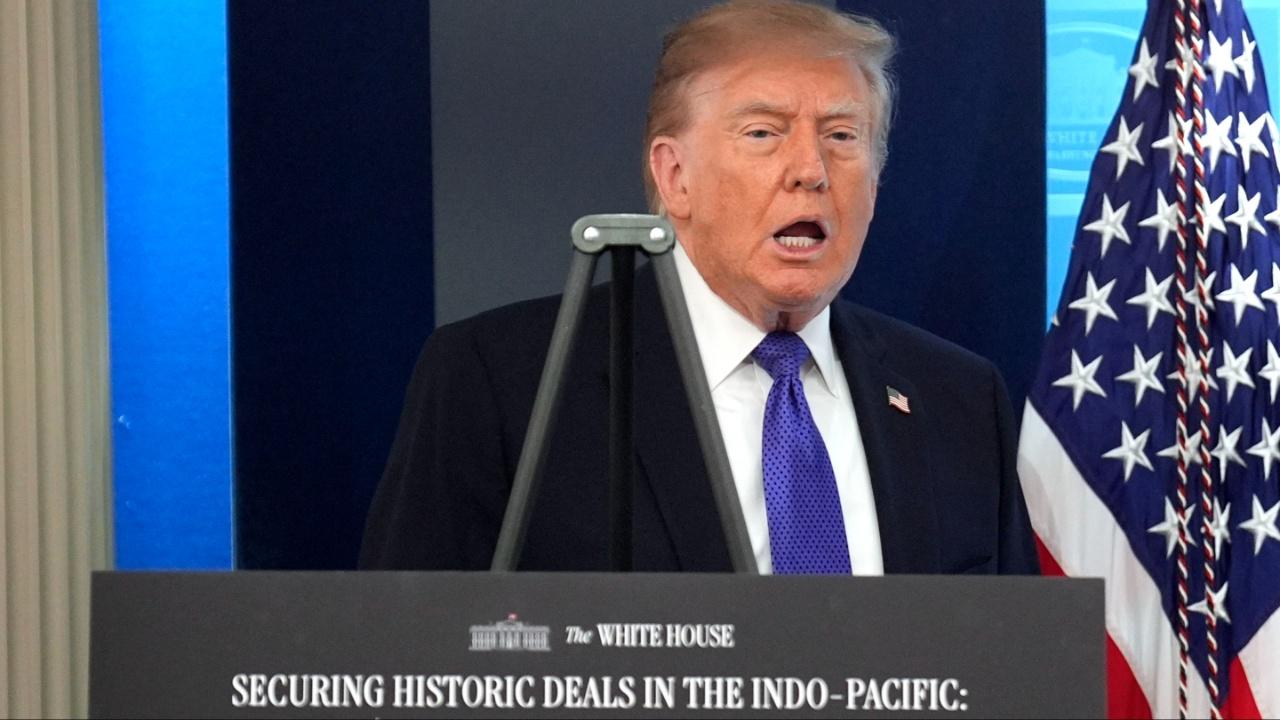
Immigration officers under Donald Trump have denied a growing share of EB-1A petitions
The EB-1A category is designed for individuals who can demonstrate extraordinary ability in fields including science, business, education, athletics and the arts.
According to federal figures cited by The Washington Post, approximately 5,200 applicants received approval during the first nine months of fiscal 2026, compared with nearly 8,900 during the same period in fiscal 2024.
Immigration data firm Lawfully projected that the approval rate could fall further, reaching approximately 27% in the final quarter of fiscal 2026.
However, there is no evidence that the administration issued a formal directive ordering immigration officers to reject more applications.
Kate Angustia, a former immigration officer now with the American Immigration Lawyers Association, described the decline as significant.
"It's a huge, huge drop," she told the Post. She also questioned the trend given the administration's stated interest in attracting highly skilled workers.
Melania's Past Credentials Under Spotlight
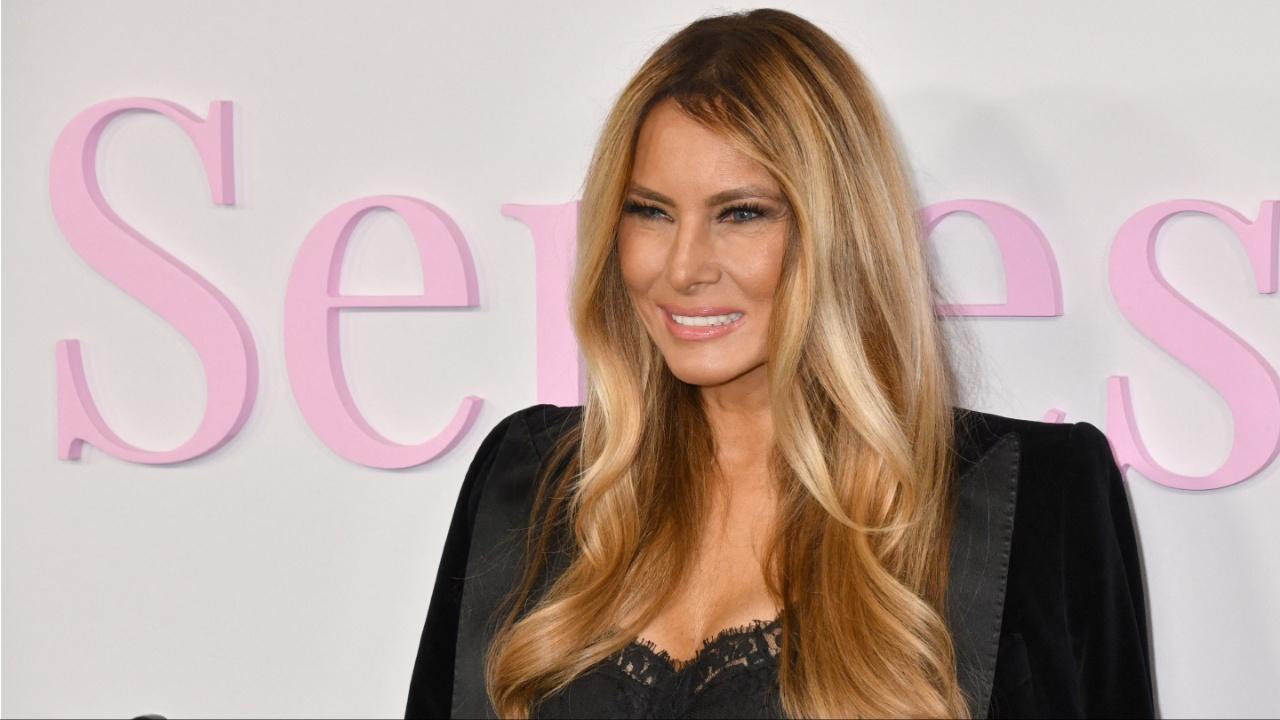
Melania's modeling portfolio included a Sports Illustrated swimsuit appearance
Melania received her green card through the EB-1 program in March 2001, following a modeling career that included international runway appearances and a feature in Sports Illustrated's swimsuit edition.
She subsequently became a naturalized U.S. citizen in 2006.
Her immigration history has previously attracted attention because the EB-1 extraordinary ability category is intended for individuals who can demonstrate sustained national or international acclaim.
The program is not limited to Nobel Prize winners, Olympic medalists or Oscar recipients. Applicants can qualify by meeting specific professional achievement criteria, with immigration officers also evaluating their overall standing in their field.
Melania's immigration attorney, Michael Wildes, previously defended her eligibility, telling the Post she was "more than amply qualified and solidly eligible."
Tech Founders Hit Hardest

Attorneys said technology entrepreneurs have been hit by the tighter scrutiny
Technology entrepreneurs are among those reportedly facing increased scrutiny, despite the administration's stated ambition to strengthen America's artificial intelligence industry.
Memphis attorney James Hollis told the Post about a client who had raised more than $60 million in venture capital, sold businesses and received coverage in approximately 20 news articles.
Despite those accomplishments, the applicant was reportedly found not to have satisfied any of the relevant criteria.
"They're killing AI entrepreneurs," Hollis said. "They're absolutely annihilating them."
Why Denials Are Surging Now

Never Miss an

Daily updates from the heart of Hollywood, right to your inbox
By entering your email and clicking Sign Up, you’re agreeing to let us send you customized marketing messages about us and our advertising partners. You are also agreeing to our Terms of Service and Privacy Policy.
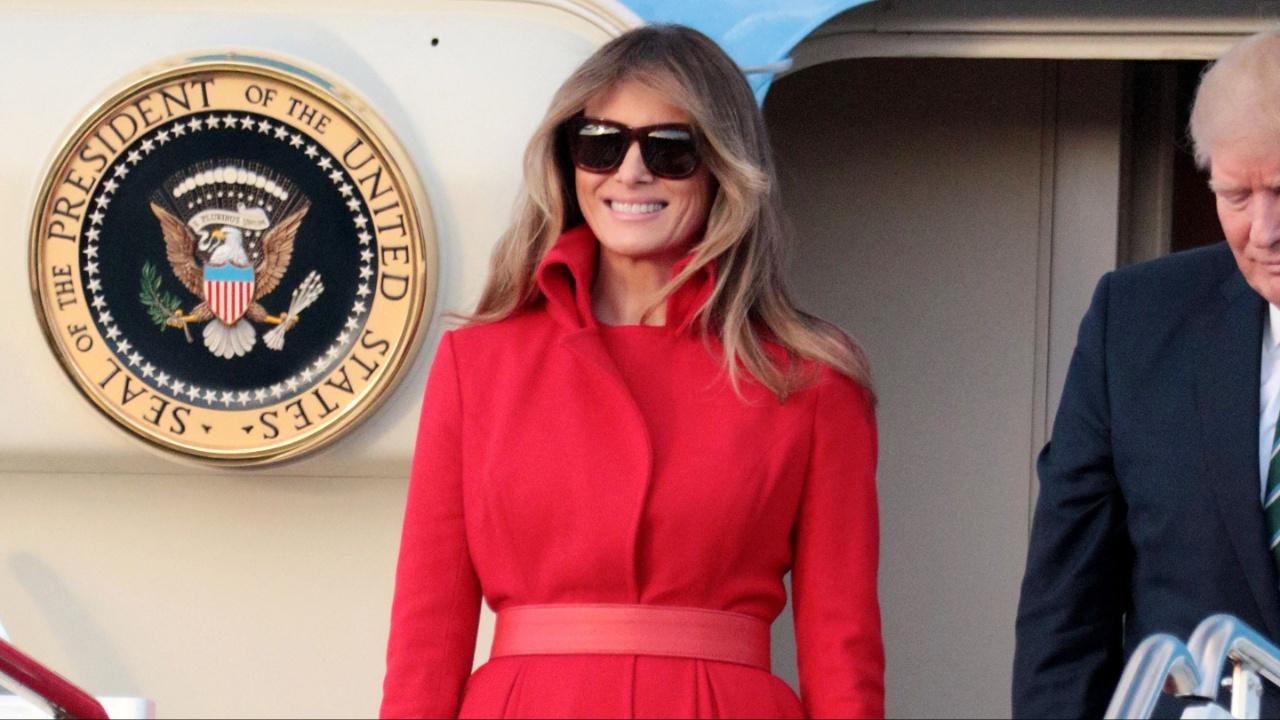
Melania Trump received her green card through the EB-1 program in March 2001
Immigration experts have identified several possible explanations for the increase in rejected applications.
Finn Reynolds of Lawfully attributed the trend partly to tougher scrutiny from immigration officers and partly to a rise in weak, template-driven applications, including those prepared using artificial intelligence.
Staffing shortages may also be contributing to the problem. The Washington Post reported that buyouts and departures associated with the Department of Government Efficiency initiative had reduced the number of experienced immigration officers.
George Fishman of the Center for Immigration Studies offered a different perspective, suggesting that some adjudicators may previously have been too lenient.
The administration has not publicly provided a specific explanation for the falling approval figures.
