


EXCLUSIVE: Liza Minelli Fake Signature Scandal — Furious Fans Demand Cash Back After They Claim Diva 'Used Autopen' to Sign $250 Copies of Her New Memoir

Liza Minelli is in hot water over her new memoir.
March 20 2026, Published 12:45 p.m. ET


RadarOnline.com can reveal Liza Minnelli is facing mounting backlash from collectors who claim the 79-year-old star's $250 "signed" memoirs may have been produced using an autopen, with furious buyers now demanding refunds.
The controversy centers on premium editions of 80-year-old Minnelli's newly released memoir, marketed as hand-signed collectibles, which began arriving at customers early last week.
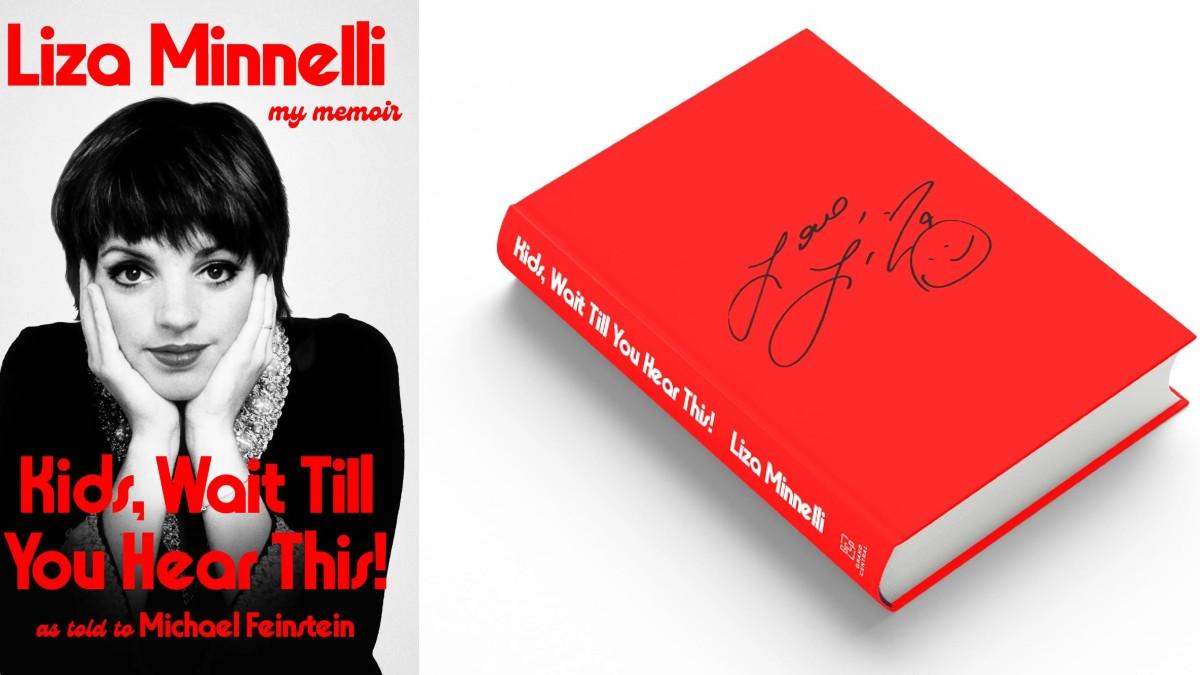
Autograph collectors have raised concerns about the consistency of the signatures.

Within days, members of the autograph-collecting community raised concerns about the consistency of the signatures.
The issue quickly gained traction on prominent collectors' online forums, where users compared copies and flagged what they described as identical markings unlikely to occur in genuine handwriting.
Their claims echo a similar scandal involving 84-year-old Bob Dylan in 2022, when machine-generated signatures were discovered on limited-edition books that had been sold as hand-signed.
Collectors Analysis Reveals Identical Patterns
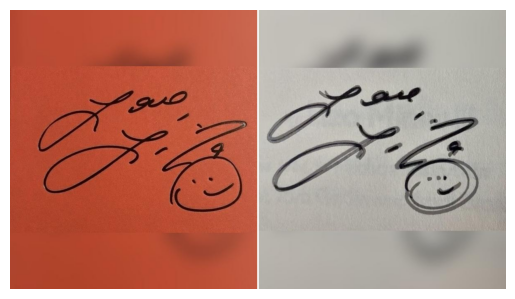
Collector Matt Mayo created visual overlays to compare handwriting on the book covers.
Matt Mayo, a seasoned celeb signature hunter and member of collectors' forum Autograph Live, told us: "When the Liza books started being received early last week, members on the site started noticing potential problems. I took the lead in creating a thread dedicated to the topic. I created and presented a number of overlays showing the issues involved."
Mayo added the findings were not the work of one individual, but a coordinated effort among collectors.
"It sits at the center of the autograph hobby," he said of the forum. "There's a large group of members, and we share various information, opinions, tips, etc."
According to Mayo, detailed visual comparisons revealed striking similarities between signatures across multiple copies of Minnelli's autobiography.
He said: "I've created visual overlays comparing signatures from the covers and inside the books, which highlight the precise geometries and spacing that are extremely unlikely to occur naturally."
These overlays were measured against verified examples of Minnelli's handwriting from earlier decades, further fueling suspicions a mechanical device may have been used.
'Something Very Strange Going on With Liza'
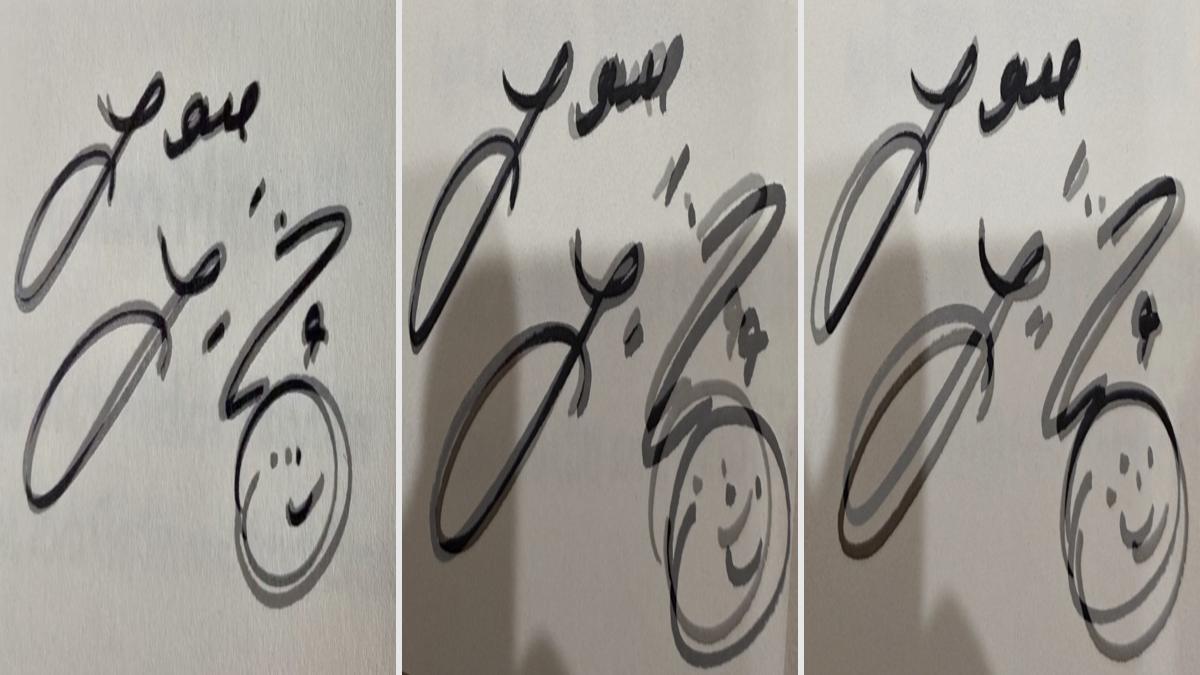
Collectors have flagged identical markings across multiple copies of the autobiography.
Collectors involved in the investigation said they hope the growing attention will pressure publishers or distributors to respond.
"We're hoping this might gain some attention to help give leverage to those that are being denied refunds, and as a deterrent for this happening in the future," Mayo said.
He also raised concerns about Minnelli's awareness of the situation, noting: "There is also something very strange going on with Liza, as I'm sure you've seen. We're not sure that she's even in a position to be aware of what's going on."
Radar reached out to Minnelli's rep for a comment, but we did not receive a response at the time of publication. However, the memoir's publisher, Grand Central Publishing, hit back at claims.
"All copies of KIDS, WAIT TILL YOU HEAR THIS! were signed by the author," they responded.
Bob Dylan Case Comparison and Autopen Controversy

Never Miss an

Daily updates from the heart of Hollywood, right to your inbox
By entering your email and clicking Sign Up, you’re agreeing to let us send you customized marketing messages about us and our advertising partners. You are also agreeing to our Terms of Service and Privacy Policy.

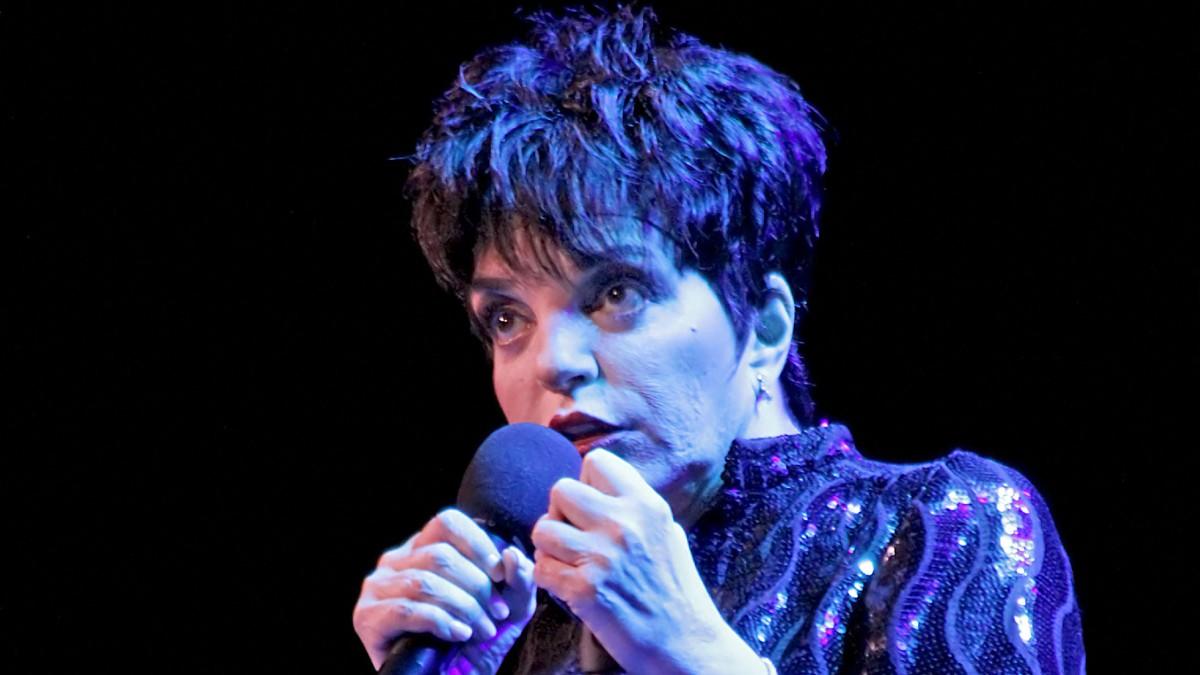
Minnelli’s team has been accused of using a mechanical device to replicate her signature.
The allegations draw comparisons to the Dylan case, in which fans who purchased $600 copies of The Philosophy of Modern Song discovered identical signatures.
Initially, publisher Simon & Schuster insisted the books were authentic, but later admitted they contained a "penned replica" and issued full refunds.
Dylan himself said in a rare statement at the time: "I've hand-signed each and every art print over the years, and there's never been a problem.
"However, in 2019, I had a bad case of vertigo, and it continued into the pandemic years. It takes a crew of five working in close quarters with me to help enable these signing sessions, and we could not find a safe and workable way to complete what I needed to do while the virus was raging."
He continued: "So, during the pandemic, it was impossible to sign anything, and the vertigo didn't help. With contractual deadlines looming, the idea of using an auto-pen was suggested to me, along with the assurance that this kind of thing is done 'all the time' in the art and literary worlds.
"Using a machine was an error in judgment, and I want to rectify it immediately. I'm working with Simon & Schuster and my gallery partners to do just that."
Autopen devices, first patented in the US in 1803, are widely used to replicate signatures, particularly in high-volume scenarios.
While their use is not inherently controversial, problems arise when items are marketed as personally signed.
Other artists, including Sinead O'Connor, have acknowledged using the technology, though typically at lower price points.
