


EXCLUSIVE: How King Charles Controlled Media With 'Kim Jong-Un Style Iron Fist'

King Charles is said to have gone out of his way to keep the media in line.
March 19 2026, Published 6:00 p.m. ET


RadarOnline.com can reveal King Charles imposed what critics described as a "Kim Jong-Un style iron fist" on media access during his time as Prince of Wales, according to documents revealing strict pre-interview contracts that allowed his household to control questions, edits, and even whether footage could be broadcast.
The arrangements date back to 2015, when Charles, now 77, required broadcasters to sign detailed 15-page agreements before securing interviews.
'The Level of Oversight Being Demanded' Went Overboard

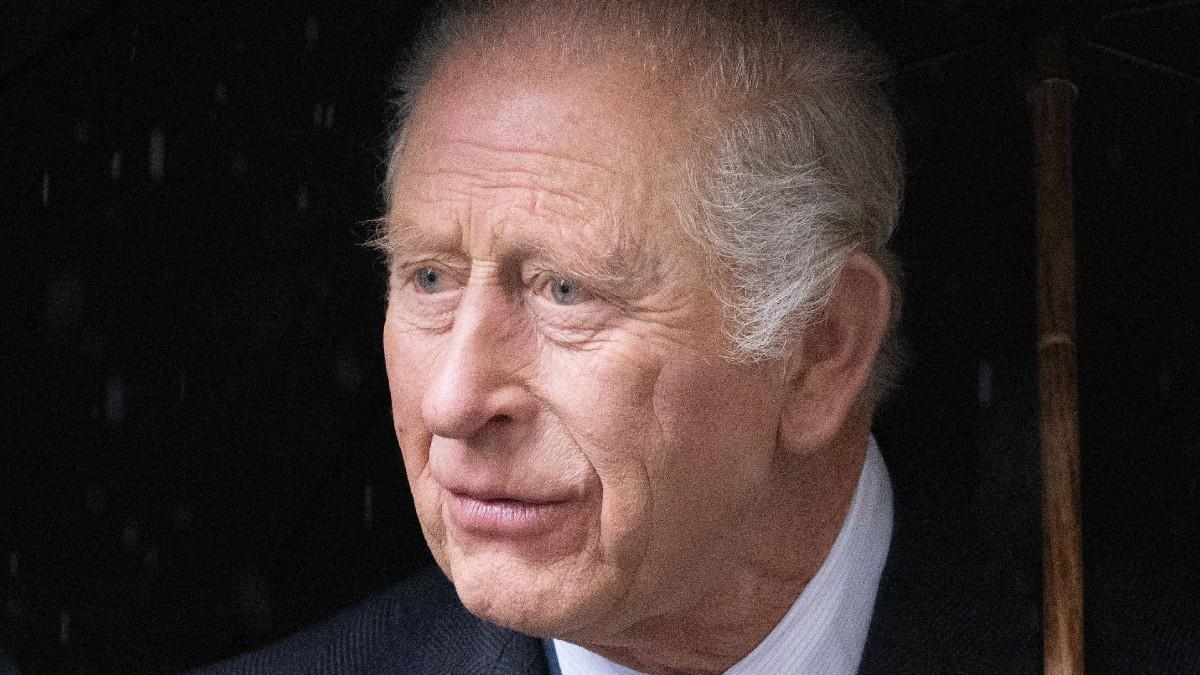
King Charles is said to have controlled the media when he was the Prince of Wales,.
The contracts, issued via Clarence House, set out conditions including prior approval of every question, oversight of both rough and final edits, and the right to remove his contribution entirely if dissatisfied.
The measures have re-emerged amid wider scrutiny of Charles' influence over the royal family's public relations in the wake of him trying to control the Andrew Windsor scandal by stripping his younger brother of his royal titles due to his links to pedophile Jeffrey Epstein.
Media insiders say the scale of control outlined in Charles' contracts was highly unusual.
One senior broadcast source said: "This was described internally as a Kim Jong-Un style iron fist approach to media control – the level of oversight being demanded went far beyond normal access agreements."
'Every Question Be Submitted in Advance'
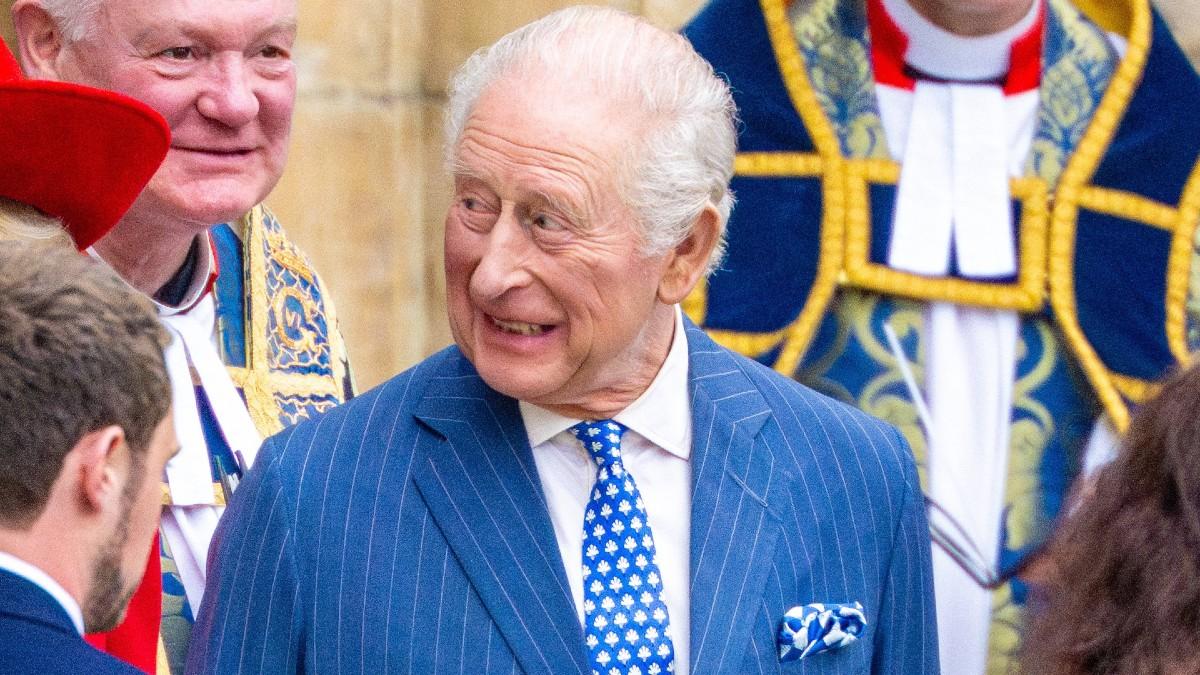
King Charles is said to have wanted to know all of the media's questions beforehard.
Another journalist familiar with negotiations said: "What was being proposed went well beyond standard access arrangements – it amounted to handing over meaningful editorial control before an interview had even begun.
"The requirement that every question be submitted in advance, drafted in full and signed off line by line, fundamentally alters the dynamic of any journalistic exchange. That is not a condition most broadcasters would tolerate when dealing with senior elected officials who are accountable to the public, so applying it in this context, where there is no democratic mandate, raised even deeper concerns about independence and scrutiny."
The contracts stipulated interviewers could "solely ask questions" agreed in advance, with Clarence House retaining the power to halt filming if any deviation occurred.
In such cases, broadcasters would have "no right to use or exploit" the footage. Representatives of the royal household were also permitted to attend editing sessions and raise concerns about "fairness, balance, confidentiality or security" – with the ability to demand changes or withdraw the material entirely.
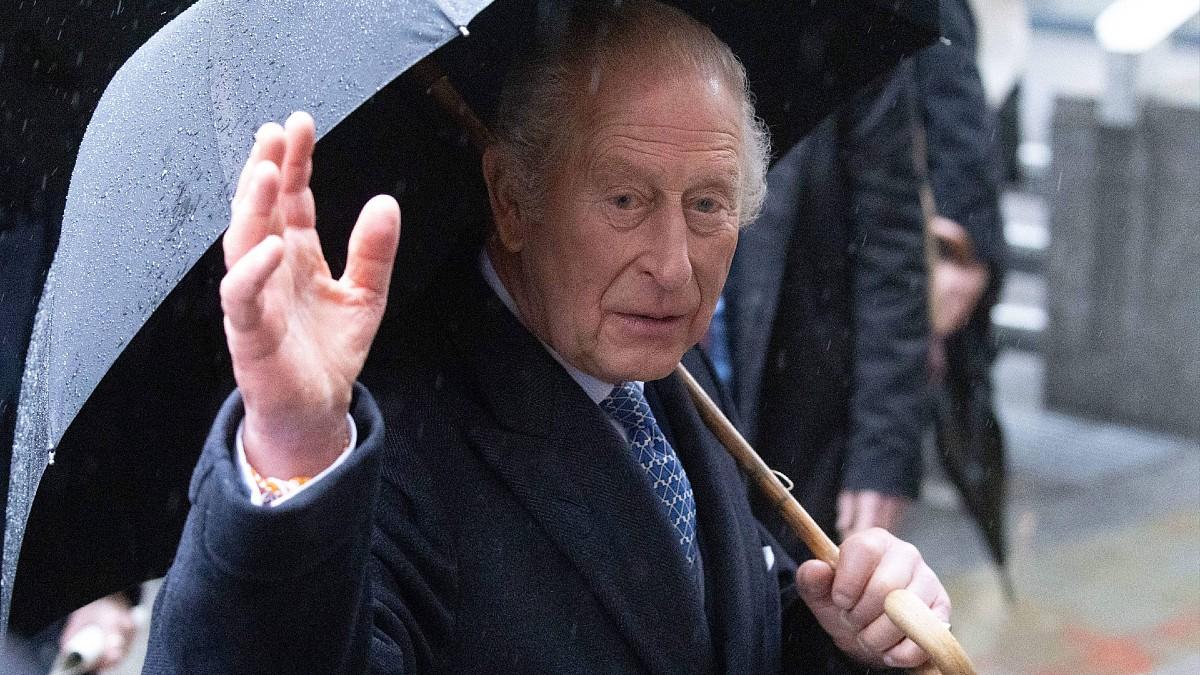
The now 77-year-old's style was compared to Kim Jong-Un, according to sources.
Critics argued the contracts risked undermining journalistic standards.
One former editor said: "The real issue is that arrangements like this start to erode the boundary between independent journalism and managed messaging. When an interview subject is in a position to influence not only what is asked but how the material is ultimately edited, framed, and presented to the audience, it shifts the process away from scrutiny and toward something much closer to public relations. That inevitably raises deeper concerns about transparency, because viewers are no longer seeing a genuinely open exchange but a version that has been carefully controlled behind the scenes."
Another source added: "Calling it a Kim Jong-Un style iron fist is provocative, but it reflects genuine unease about how much leverage was being exercised."
Clarence House defended the practice.

Never Miss an

Daily updates from the heart of Hollywood, right to your inbox
By entering your email and clicking Sign Up, you’re agreeing to let us send you customized marketing messages about us and our advertising partners. You are also agreeing to our Terms of Service and Privacy Policy.
Clarence House defended the practice, saying such agreements were standard across royal households and were designed to ensure accuracy.
A spokesperson said: "The issuing of broadcast contracts is standard practice across the royal households.
"All broadcasters who enter into them are keen to ensure that they do not breach any of the relevant broadcast rules and go to great lengths to protect their independence in this regard. The contracts are put in place to ensure factual accuracy and protect the broadcaster as well as the interview subject."
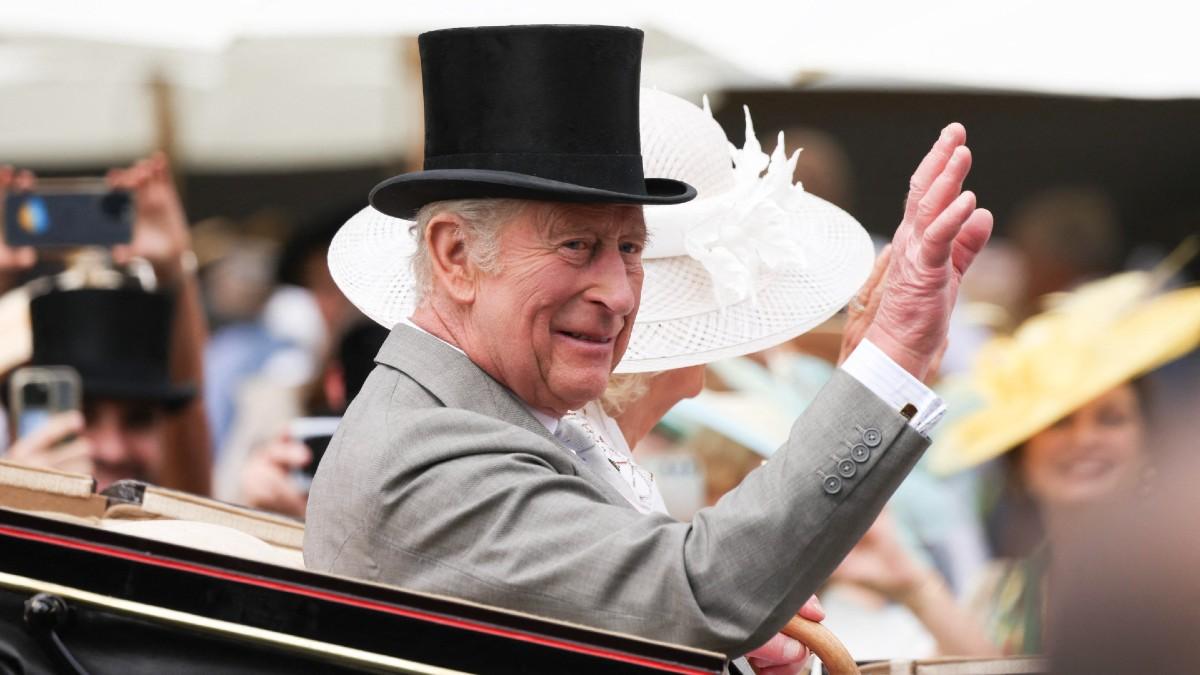
King Charles' demands were deemed unusual.
The documents also required prior approval of trailers, press releases, and promotional material, as well as disclosure of other contributors appearing in a program.
Broadcasters were instructed to keep all footage and related information confidential unless authorized to release it.
