


Is a Second-Hand Car Parts Marketplace the Future of Auto Repairs? Here Is What Experts Think
June 4 2026, Updated 1:01 p.m. ET


Few questions in the automotive world generate more interesting debate right now than this one. The traditional model of car repair, where a garage diagnoses a problem, orders a new part from a supplier and charges the customer a marked-up price for the privilege, has been the default for decades. But a growing body of evidence, expert opinion and market data suggests that this model is under serious and sustained pressure from an alternative that is proving difficult to ignore. Second-hand car parts marketplaces have grown from niche platforms serving a small community of budget-conscious buyers into sophisticated, large-scale ecosystems that are reshaping the economics of vehicle maintenance across Europe. Whether they represent the future of auto repairs is a question worth examining carefully, and the people best placed to answer it are those who work closest to the industry every day.
The Scale of the Shift Already Under Way

Before examining what experts think about where the market is heading, it is worth establishing the scale of the shift that has already taken place. The numbers alone tell a compelling story about how significantly the landscape has changed in a relatively short period of time.
The European automotive aftermarket is one of the largest consumer markets on the continent, and within it the second-hand parts segment has been growing at a rate that significantly outpaces the overall market. Digital platforms have been the primary engine of this growth, transforming what was once a fragmented and locally constrained market into a genuinely pan-European ecosystem accessible to any driver with an internet connection. Platforms offering Ovoko used parts and millions of similar references from thousands of verified sellers across the continent have demonstrated that the demand for second-hand components at scale is real, growing, and showing no signs of plateauing.
According to the European Automobile Manufacturers Association (ACEA), the average age of passenger vehicles in Europe has been rising consistently for over a decade and now exceeds twelve years in several member states. This aging fleet is one of the structural drivers of demand for the second-hand parts market, as older vehicles require more frequent parts replacement and their owners are more motivated to seek cost-effective alternatives to expensive new components. As the fleet continues to age, this structural demand driver will only intensify.
What Independent Mechanics Are Saying
The views of independent mechanics are particularly valuable in assessing the future of second-hand parts marketplaces, because these professionals sit at the intersection of parts sourcing and repair execution and have direct, practical experience of how the availability of used components affects the economics and outcomes of the repairs they carry out.
The consensus among independent mechanics who have engaged with the second-hand parts market is broadly positive, with several recurring themes emerging from their experiences. The first is the quality of the components available through established platforms, which many mechanics report as meeting or exceeding their expectations, particularly for OEM components sourced from low-mileage donor vehicles. The instinctive skepticism that some mechanics brought to their first experience of sourcing used parts online has, in many cases, been replaced by a pragmatic appreciation of the value these components offer.
The second theme is the impact on their ability to make repairs economically viable for customers. For a significant proportion of the vehicles that arrive at an independent garage, particularly older models and those with lower market values, the cost of new parts at retail prices makes certain repairs financially questionable for the customer. The availability of quality used components at a fraction of the new price changes this calculation, allowing mechanics to offer their customers a viable repair option where previously the only honest advice might have been to consider replacing the vehicle.
As the Independent Garage Association (IGA) has noted in its industry publications, the ability to offer customers cost-effective repair solutions using quality second-hand components has become an increasingly important competitive differentiator for independent garages operating in a market where franchise dealerships dominate the premium end of the service sector.
What Automotive Industry Analysts Are Saying
Industry analysts who track the automotive aftermarket professionally offer a broader and more data-driven perspective on the trajectory of second-hand parts marketplaces, and their assessments are generally consistent in pointing towards continued and accelerating growth.
The structural case for growth is strong across multiple dimensions. Rising new vehicle prices are increasing the average age of the fleet and extending ownership periods, generating more demand for maintenance and repair. Rising new parts prices are increasing the financial incentive to seek second-hand alternatives. Growing environmental awareness is shifting consumer preferences towards circular economy solutions that reduce waste and resource consumption. And continued improvement in the technology and user experience of digital platforms is progressively removing the practical barriers that previously limited the market's reach.
According to research published by McKinsey and Company on the future of the automotive aftermarket, digital platforms that aggregate used parts supply and make it accessible to buyers at scale represent one of the most significant structural disruptions currently reshaping the industry. The report identifies the second-hand parts segment as a high-growth area within the broader aftermarket and predicts that its share of total parts transactions will continue to increase as platform quality improves and consumer confidence grows.
The analyst community is also paying close attention to the impact of vehicle electrification on the second-hand parts market. Electric vehicles bring a different set of high-value components to the reclaimed parts supply chain, most notably battery packs, electric motors, and power electronics, which will generate a substantial and valuable second-hand market as the first generation of electric vehicles begins to reach the end of its first ownership cycle. Several analysts have identified this emerging segment as a significant growth opportunity for established platforms that are already well-positioned in the conventional second-hand parts market.
What Environmental Experts and Policy Makers Are Saying
The environmental dimension of second-hand parts marketplaces has attracted growing attention from experts and policymakers working on sustainability and circular economy issues, and their perspective adds an important layer to the discussion about the future of this market.
The European Union's circular economy agenda, which has been a central pillar of environmental policy for several years, explicitly identifies the reuse of automotive components as a priority area for action. The logic is straightforward and well-supported by lifecycle analysis data: manufacturing a new automotive component generates substantially more environmental impact than reusing an existing one, across virtually every relevant metric, including carbon emissions, raw material consumption, water use, and waste generation.
According to the Ellen MacArthur Foundation, extending the service life of automotive components through reuse is one of the highest-impact circular economy interventions available in the transport sector, given the volume of vehicles in use globally and the material intensity of automotive manufacturing. The Foundation's research suggests that a systematic shift towards component reuse in the automotive aftermarket could avoid tens of millions of tonnes of CO2 equivalent emissions annually across the European economy alone.
Policy makers at both the EU level and in individual member states are increasingly aligned with this perspective and are developing regulatory frameworks that encourage and in some cases mandate greater reuse of automotive components. This policy environment creates supportive conditions for the continued growth of second-hand parts marketplaces, which are the primary commercial mechanism through which component reuse at scale is currently being delivered.
What Consumer Behaviour Experts Are Saying
Consumer behavior experts who study purchasing patterns in the automotive aftermarket offer a perspective that is particularly relevant to the question of whether second-hand parts marketplaces represent the future of the industry, because ultimately, the answer depends on whether consumers continue to adopt this channel at scale.
The evidence from consumer research is broadly encouraging for the second-hand parts market. Studies consistently show that price sensitivity in automotive repair decisions is high and increasing, driven by the combination of rising repair costs and pressure on household budgets across much of Europe. When consumers become aware that quality used parts are available at significantly lower prices than new equivalents, and that established platforms offer buyer protections that make the transaction safe and low-risk, adoption rates tend to be high, and repeat purchase behavior is strong.
According to the European Consumer Organisation (BEUC), consumer confidence in online purchasing of significant goods has grown substantially across Europe over the past five years, and automotive parts are explicitly identified as a category where online purchasing offers consumers meaningful advantages in terms of price, choice, and transparency compared to traditional retail channels. The BEUC's research also highlights the importance of clear return policies and verified seller ratings in driving consumer confidence, both of which are now standard features of established platforms in the second-hand parts market.
Trust, once established, tends to be durable in this category. A driver who has a positive experience sourcing a used part online at a significant saving compared to the new price equivalent is highly likely to return to the same channel for future repairs, and to recommend the approach to others in their personal network. This word-of-mouth dynamic has been an important and cost-effective driver of market growth, particularly among demographic groups that might otherwise have been slow to engage with online parts sourcing.
What the Repairability Movement Is Saying
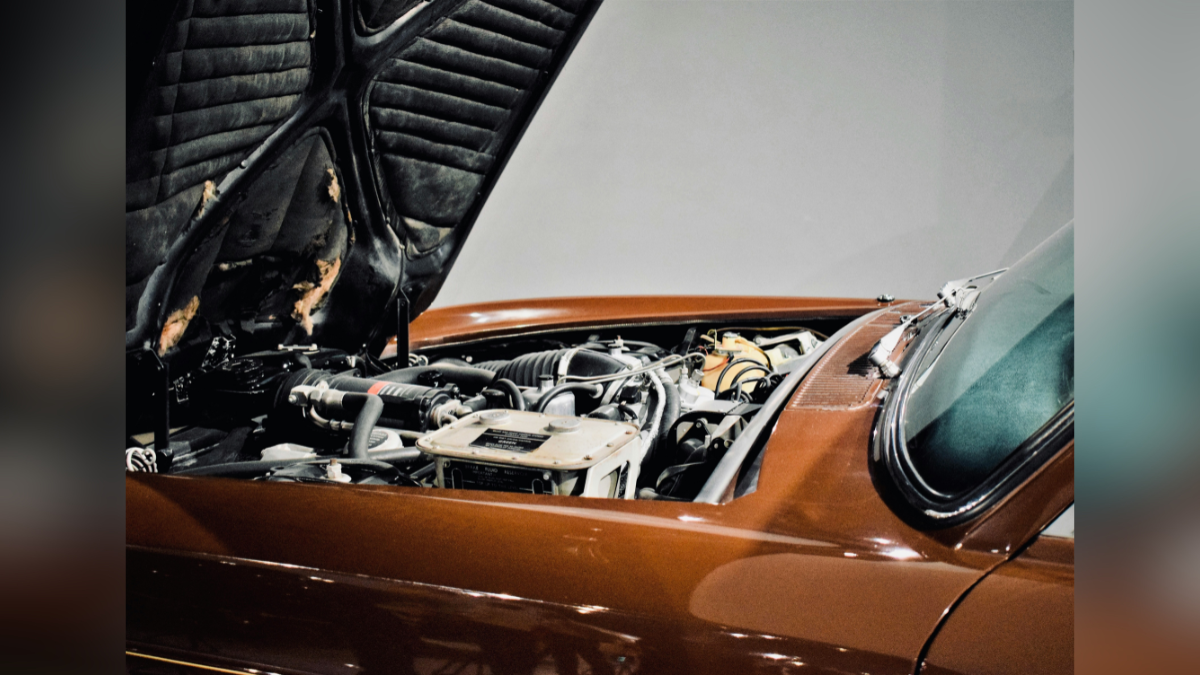
One of the most interesting perspectives on the future of second-hand parts marketplaces comes from the growing repairability movement, a broad coalition of consumer advocates, environmental activists, independent technicians, and policy campaigners who are pushing for a right to repair across a wide range of product categories, including vehicles.
The right to repair movement argues that consumers should have the legal right and practical ability to repair products they own using independent repairers and non-proprietary parts, without being forced to use manufacturer-approved channels that may be significantly more expensive. In the automotive context, this means pushing back against practices that restrict access to technical information, diagnostic software, and spare parts through independent channels.
Second-hand parts marketplaces are a natural ally of the repairability movement, because they increase the practical accessibility of repair by reducing the cost of components and expanding the range of vehicles for which economically viable repairs are available. As the European Consumer Centre Network has noted, the availability of affordable replacement parts through independent channels is one of the most important practical enablers of the right to repair, and the growth of digital second-hand parts platforms has materially advanced this cause in the automotive sector.


Challenges That Experts Acknowledge

Never Miss an

Daily updates from the heart of Hollywood, right to your inbox
By entering your email and clicking Sign Up, you’re agreeing to let us send you customized marketing messages about us and our advertising partners. You are also agreeing to our Terms of Service and Privacy Policy.
A balanced assessment of the future of second-hand parts marketplaces requires acknowledging the challenges that experts identify alongside the growth opportunities, because no market transition of this scale is without its complications.
The increasing electronic content and software integration of modern vehicles present a genuine challenge for the second-hand parts market. Many late-model electronic components require programming or calibration to function correctly in a new vehicle, and in some cases, this programming can only be performed with manufacturer-proprietary tools that are not available to independent repairers. This creates a practical limitation on the usability of certain reclaimed electronic components that the market will need to address as the average age of the electronically complex vehicle fleet increases.
Quality consistency across a large and geographically dispersed seller network is another challenge that platforms must manage actively. While leading platforms have made significant investments in seller verification, condition reporting standards, and buyer protection mechanisms, the inherent variability of a second-hand goods market means that individual transactions will occasionally fall short of expectations. Maintaining buyer confidence in the face of this variability requires ongoing investment in quality management and customer service that represents a real operational challenge for platforms operating at scale.
The transition to electric vehicles also introduces new complexities around battery safety, high-voltage component handling, and the specialist knowledge required to assess the condition and remaining capacity of used battery packs. These challenges are not insurmountable, but they will require investment in new expertise, testing infrastructure, and safety standards as electric vehicles become an increasingly significant part of the reclaimed parts supply.
The Verdict From the Experts
Pulling together the perspectives of independent mechanics, industry analysts, environmental experts, consumer behavior researchers and repairability advocates, a clear and consistent picture emerges. Second-hand car parts marketplaces are not just a growing niche within the automotive aftermarket. They are a structurally important and increasingly mainstream component of the European auto repair ecosystem, with strong tailwinds from multiple directions and a compelling value proposition that resonates across a wide and growing range of buyers.
Whether they will completely replace the traditional new parts supply chain is a question that most experts answer with a nuanced no, acknowledging that new parts will always have a role for certain applications, certain vehicle types, and certain buyers. But the consensus is equally clear that the share of repairs in which used parts represent the optimal choice, combining the best available balance of quality, cost, availability, and environmental impact, will continue to grow, probably significantly, over the coming decade.
For drivers, mechanics, and anyone with a stake in the future of vehicle maintenance, the message from the expert community is consistent: second-hand parts marketplaces are not the future of auto repairs in the sense of being a distant prospect. In many important respects, they are already the present, and the transition is accelerating.
