


EXCLUSIVE: Inside the Charity Program That Has Captured Portraits of Guantánamo Bay's Final 15 Prisoners — Including C.I.A.'s First Waterboarding Victim Who Will 'Never' Be Released

Guantánamo Bay was first established in 2002.
Jan. 2 2026, Published 7:00 p.m. ET


A charity program that has produced the only recent images of the final 15 prisoners held at Guantánamo Bay has become an unlikely visual record of America's longest-running war-on-terror detention operation, RadarOnline.com can reveal.
The collaboration brings together detainees, the U.S. military, and the International Committee of the Red Cross at the naval base in Cuba, where the United States has held wartime prisoners since 2002.
A Rare Look at Guantánamo Bay Prisoners

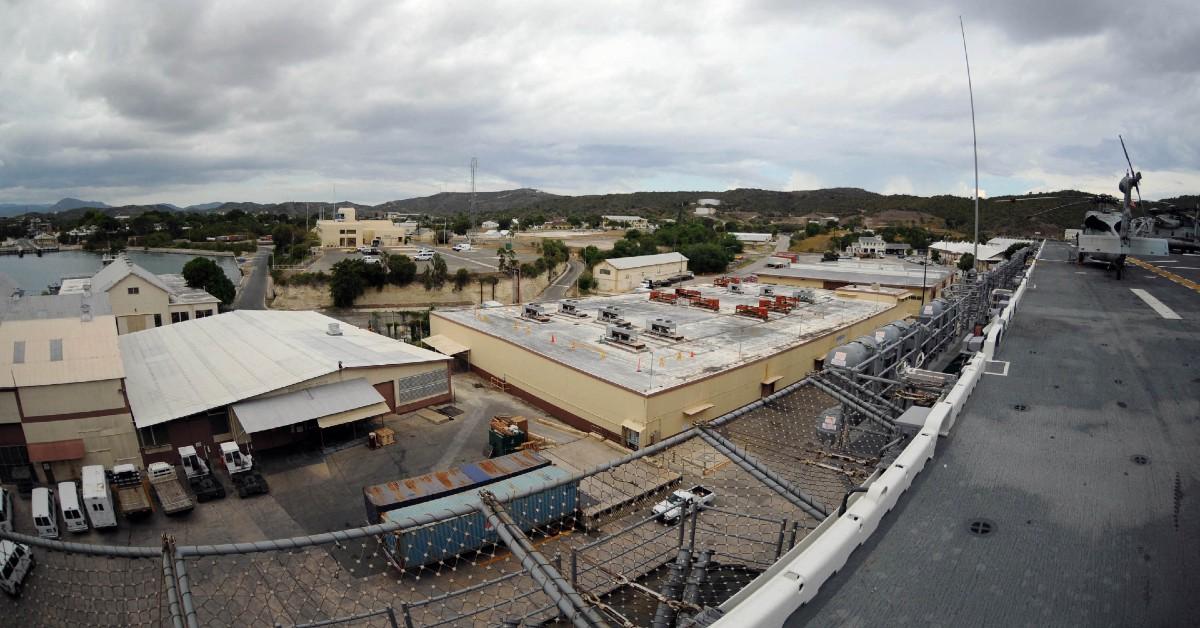
A charity program has created the only recent images of prisoners at Guantánamo Bay.
With media access to the prison barred since 2019, the portraits now provide the sole contemporary glimpse inside a facility that once held nearly 780 men and boys and today confines just 15.
Under the program, detainees pose voluntarily for photographs taken either by Red Cross representatives or, more recently, by military photographers.
The images are reviewed by the military for security concerns before being passed to families through the Red Cross, in line with communication rights outlined in the Geneva Conventions.
The initiative began allowing photographs in 2009, when roughly 240 prisoners were still held at the site.
Images Meant To Reassure Families
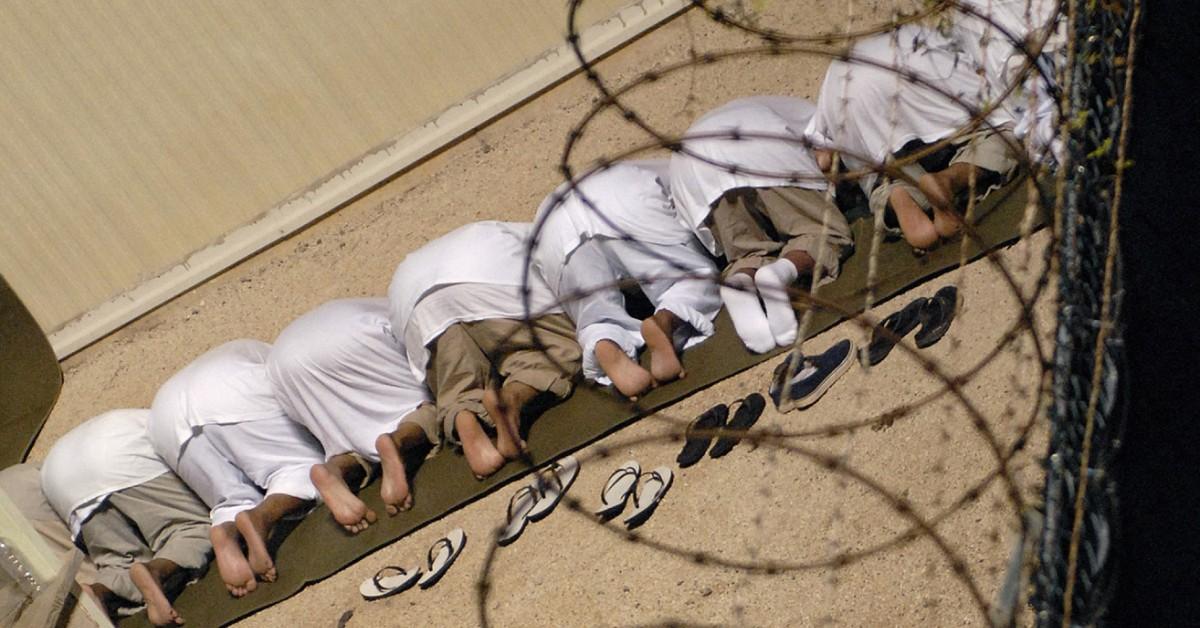
Families have received the photographs through the Red Cross.
The portraits show men dressed in civilian or traditional clothing, seated on prayer rugs or before makeshift backdrops hung in cells or recreation yards.
Former detainees have said the photos are meant to reassure relatives who have not seen them for years and, in some cases, once believed they were dead.
By the Red Cross' count, at least 169 former prisoners participated before being repatriated or resettled.
'Living Under Total Control'
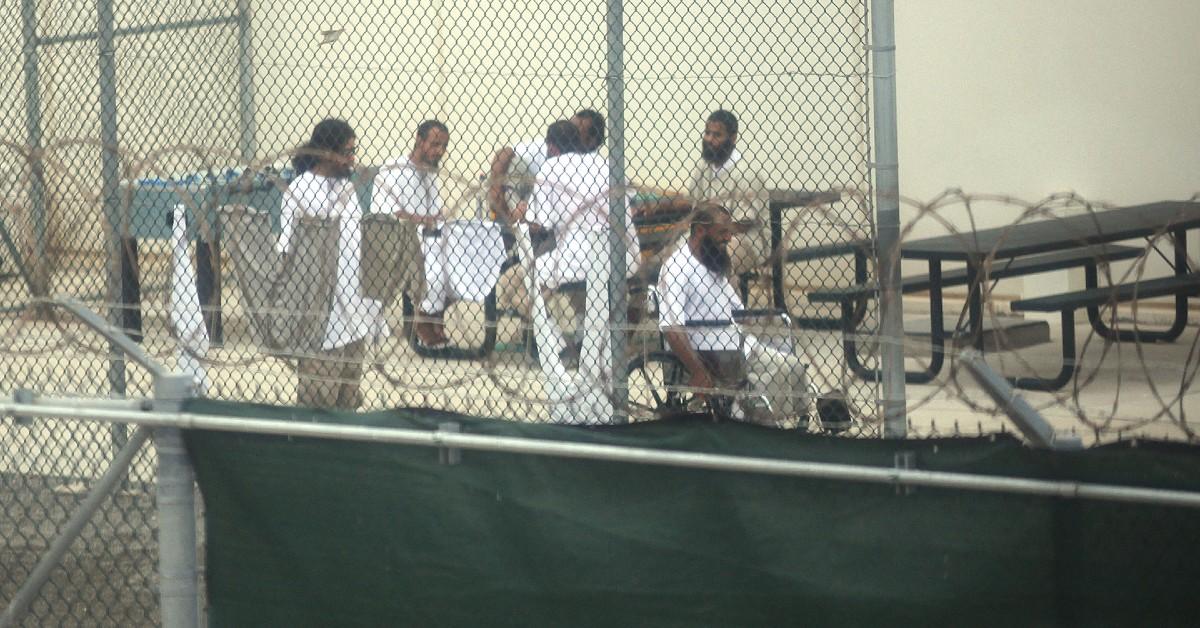
Khalid Shaikh Mohammed appeared in a recent portrait wearing a white robe.
Among the latest images is Khalid Shaikh Mohammed, accused of masterminding the September 11 attacks, pictured in a pressed white robe with a dyed beard.
Another shows his nephew, Ammar al-Baluchi, accused of assisting in the plot, seated on a prayer rug holding beads, his appearance markedly changed from once-classified images taken during his earlier C.I.A. detention.
The photographs fill what observers describe as a deliberate visual void.
"These portraits read differently depending on who is looking," said Debi Cornwall, a former civil rights lawyer turned photographer who documented the prison in her book Welcome to Camp America.
"For the inmates' families, these portraits can be reassuring, allaying their worst fears," she added. But for the wider public, Cornwall said, the images "give a false impression that these inmates have free will at Guantánamo Bay. They are living under the total control of the military."

Man Who Will 'Never' Be Free

Never Miss an

Daily updates from the heart of Hollywood, right to your inbox
By entering your email and clicking Sign Up, you’re agreeing to let us send you customized marketing messages about us and our advertising partners. You are also agreeing to our Terms of Service and Privacy Policy.
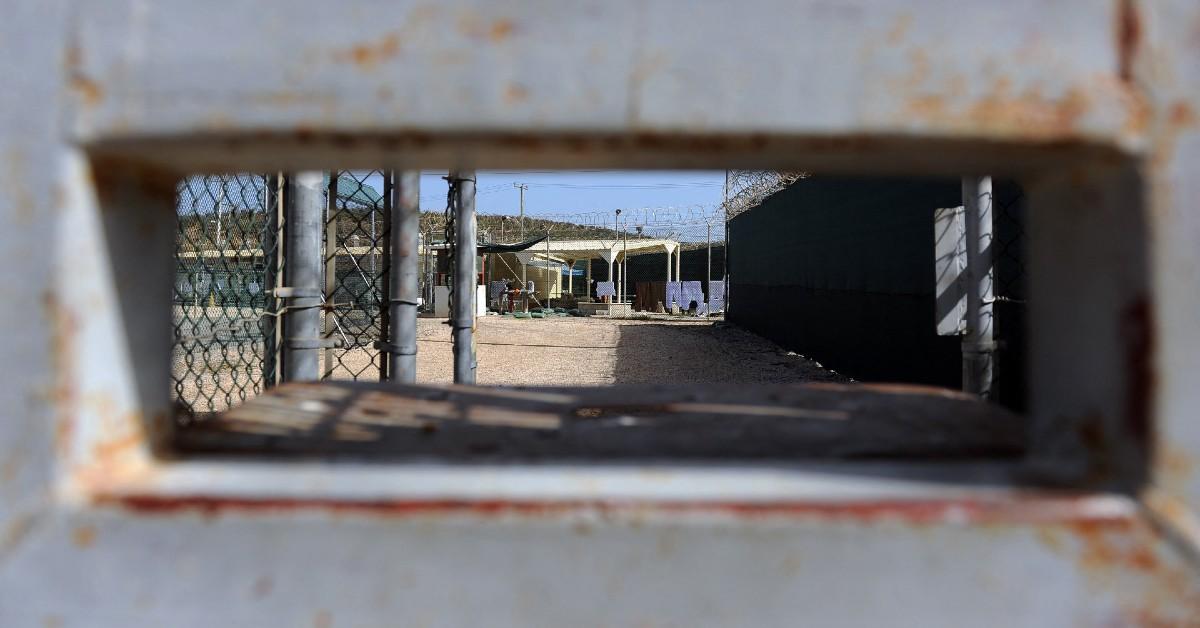
Observers said the portraits filled a visual void left by restricted media access.
By the time Red Cross visits were temporarily curtailed during the coronavirus pandemic, military photographers had already taken over the task of documenting the prisoners' changing faces.
Cells are now used as improvised studios, a stark contrast to the first images released in 2002 showing hooded prisoners kneeling in cages in orange uniforms.
Former detainee Sufyian Barhoumi, who was held for 20 years without trial, said from Algeria that prisoners worked to project calm.
"For them, even small things – for your mom, for your family – if they see you not in uniform, it is something," he said.
"The family does not know how you suffer just to take the picture," Barhoumi added, describing sessions where shackles were kept hidden from view.
The program has also produced striking images of Abu Zubaydah, born Zayn al-Abidin Muhammed Husayn, who has never been charged with a crime and was the first person waterboarded by C.I.A. operatives.
In a 2024 portrait, he appears in a navy blazer and civilian clothes, an accommodation afforded to detainees not convicted of crimes.
Cornwall said, "In his navy blazer, we could imagine passing that man on the street. Though as things stand, that will never happen."
