


EXCLUSIVE: 'Star Wars' Mastermind George Lucas Faces Backlash for Declaring 'AI is the Future of Filmmaking'

George Lucas is all on board for AI.
July 17 2026, Published 9:00 a.m. ET


George Lucas has ignited a fierce debate across Hollywood after declaring artificial intelligence represents the future of filmmaking, with critics accusing the legendary director of embracing technology that many fear could undermine the creative heart of the movie industry.
RadarOnline.com can reveal the Star Wars creator, 82, made the remarks during an interview with A Rabbit's Foot, where he reflected on the rapid rise of AI and argued that technological change is inevitable.
George Lucas Backs AI Future

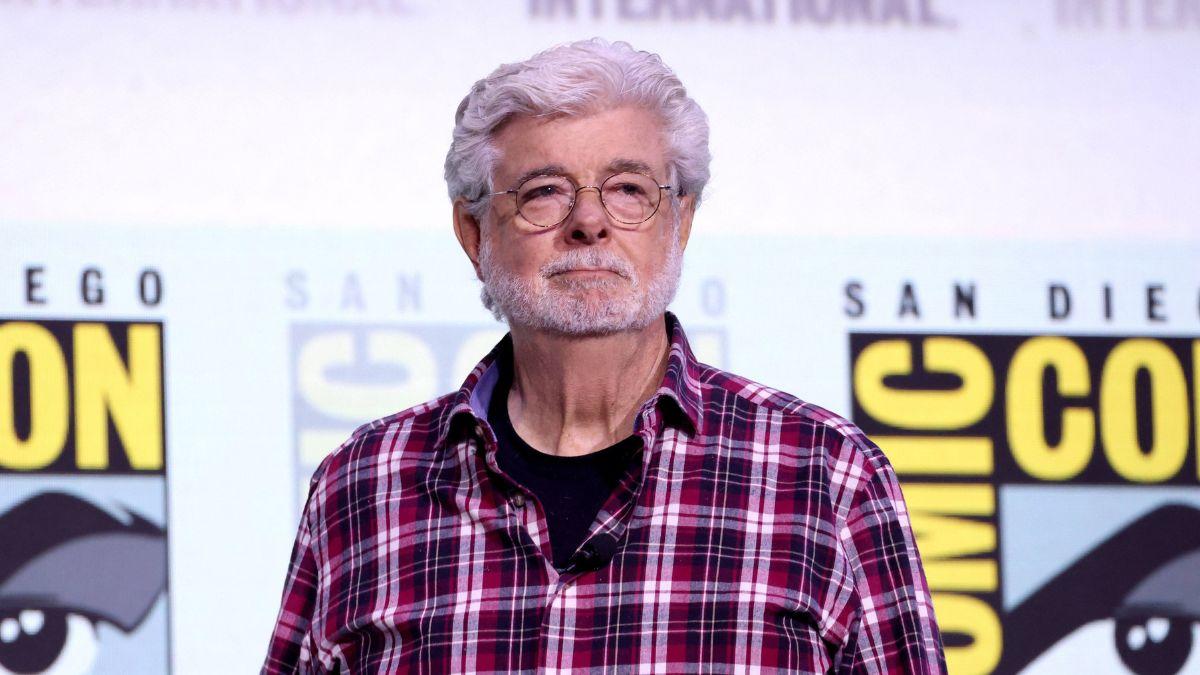
Lucas declared artificial intelligence the future of filmmaking.
Lucas, who stepped back from day-to-day filmmaking after selling Lucasfilm to Disney in 2012, also criticized the growing influence of audience feedback on studio productions, insisting filmmakers should not allow fans to dictate creative decisions.
His comments come as the entertainment industry remains deeply divided over AI's expanding role in scriptwriting, visual effects and production.
Lucas said, "Artificial intelligence means it's much easier for us to make movies.
"It's very much like sitting here saying, 'Well, I believe the horse and the buggy is really where it's at. These cars, they break down, they need gas, there's all kinds of problems with them, and pretty soon they'll be making them into tanks, and then they'll be killing people. It's terrible."
The icon added, "There's nothing you can do about it. That's progress, it's the future."
A veteran Hollywood source said: "George has always embraced technological innovation, but these comments have shocked many filmmakers who believe AI should remain a tool rather than become the driving force behind creative storytelling. His remarks have reignited concerns about where the industry is heading."
Another industry insider noted: "A lot of people respect George's record as an innovator, but saying AI is simply the future has upset artists who worry that studios will see it as a green light to replace human creativity with automation."
'The Audience Doesn't Know What They Want to See'
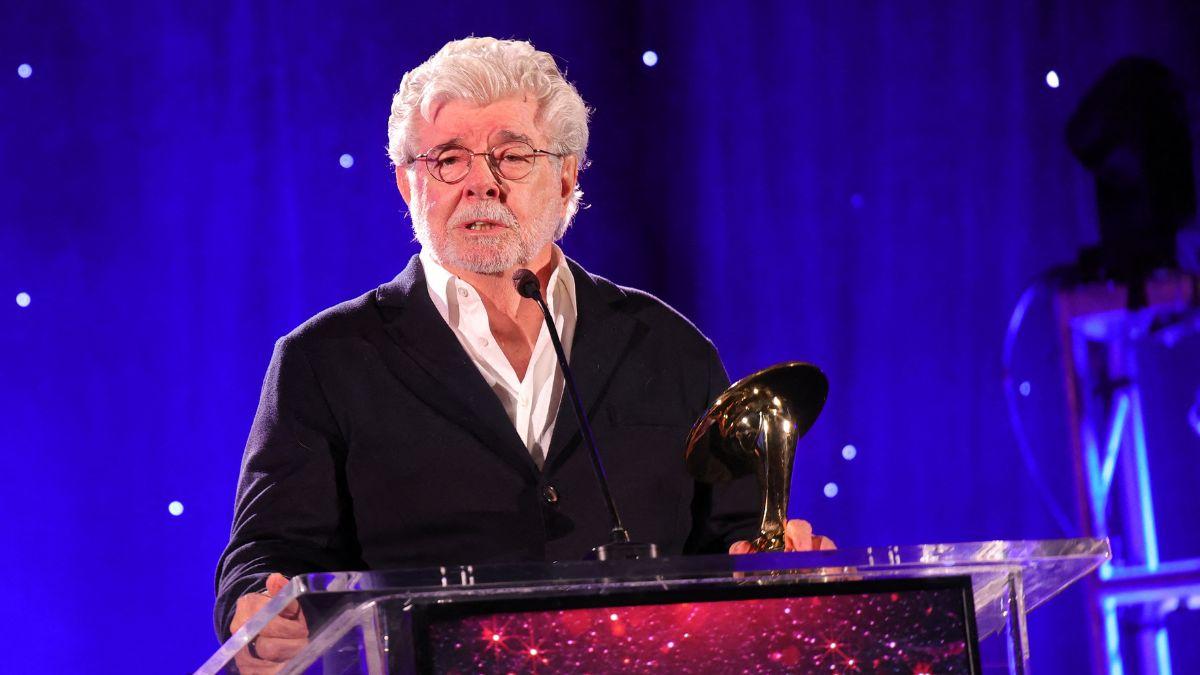
The 'Star Wars' creator stepped back from daily filmmaking in 2012.
Lucas also criticized Hollywood's growing dependence on audience research, arguing that studios increasingly mistake consumer feedback for creative direction.
He declared, "I don't like focus groups. The audience doesn't know what they want to see. If they don't like a character, that's interesting, and as a filmmaker, I want to find out why. But when the studios hear that, they take the wrong message.
"They let the audience actually make the movie. Of course, now they go crazy with that. Now, it's all about what the fans think. That isn't how you make the movie."
"You make a movie by finding someone that knows how to make movies, that has a story to tell, and is passionate about it," Lucas added.
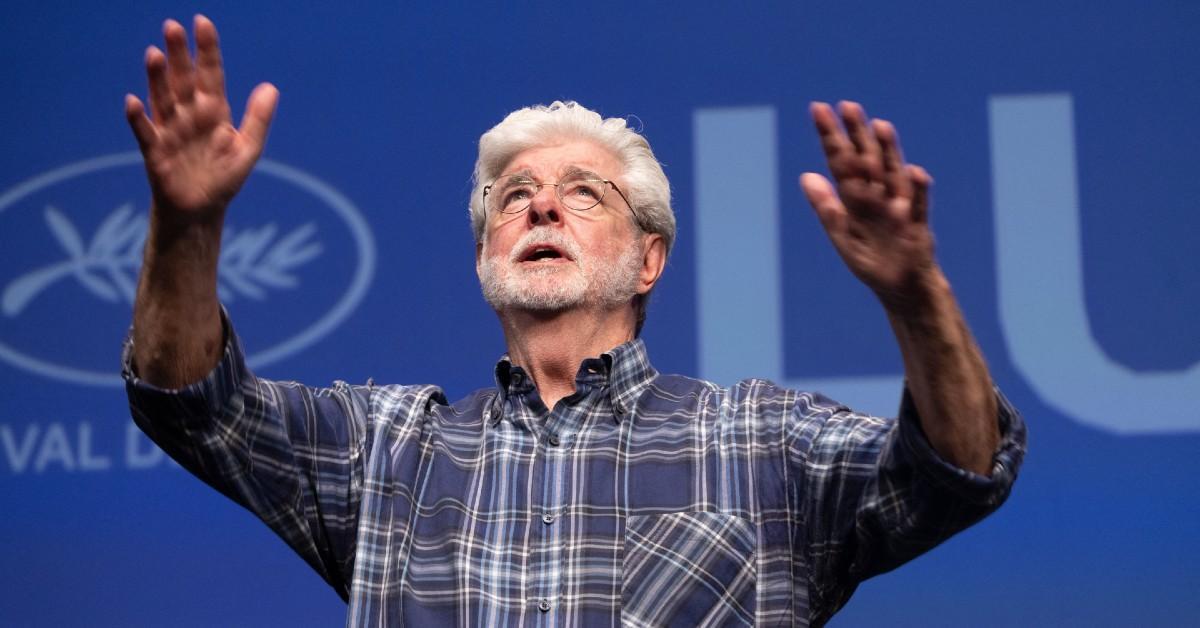
The veteran director pioneered digital visual effects through his company.
Lucas has long been associated with pushing technological boundaries, from pioneering digital visual effects through Industrial Light and Magic to championing digital cinematography long before it became an industry standard.
Supporters argue his latest comments reflect history, while detractors believe AI presents ethical and artistic challenges unlike previous filmmaking advances.
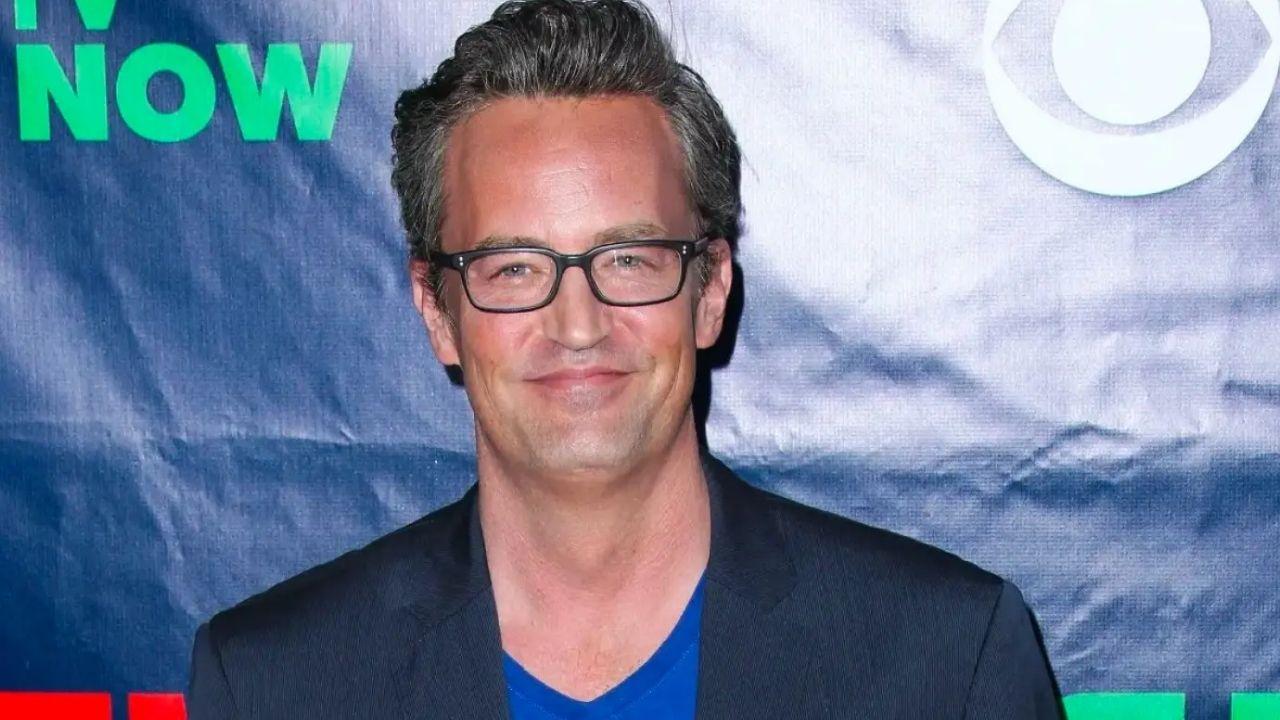
Christopher Nolan Fires Back

Never Miss an

Daily updates from the heart of Hollywood, right to your inbox
By entering your email and clicking Sign Up, you’re agreeing to let us send you customized marketing messages about us and our advertising partners. You are also agreeing to our Terms of Service and Privacy Policy.
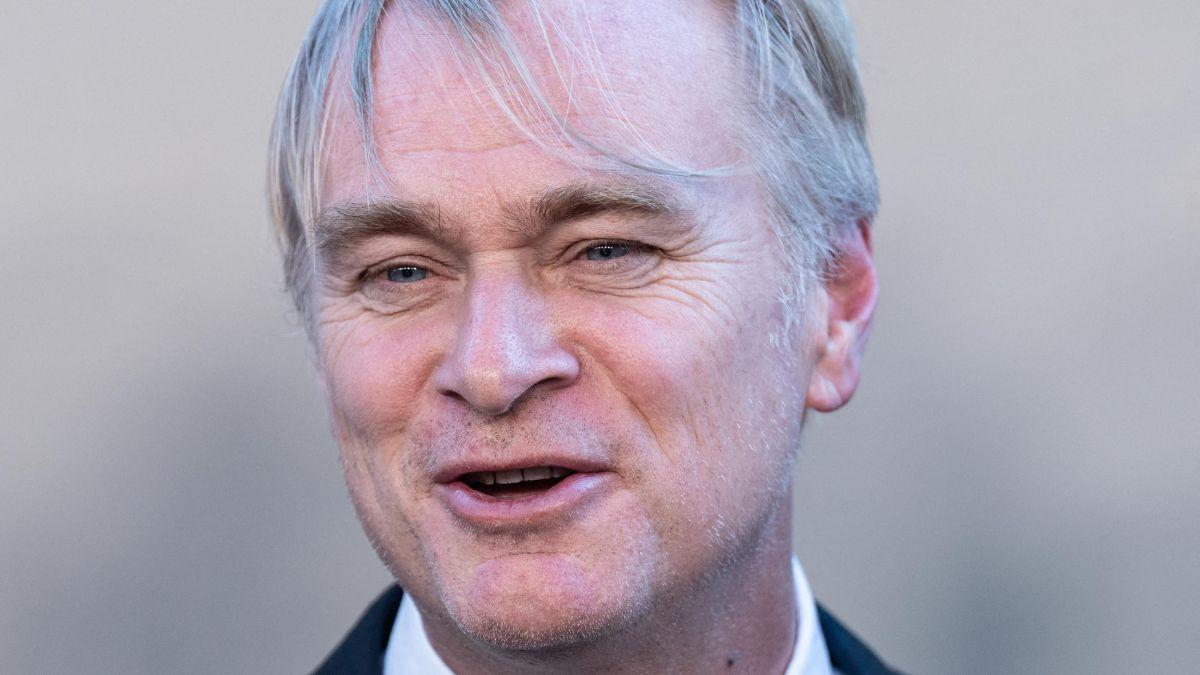
Fellow filmmaker Christopher Nolan suggested that younger audiences have rejected AI creations.
His remarks also contrast with those of filmmaker Christopher Nolan, 55, who recently suggested younger audiences are becoming increasingly skeptical of AI-generated creative work.
Nolan said, "I've never seen a more rapid wholesale dismissal of a supposedly foundational jump in technology in my lifetime."
Discussing the views of his own children, he added: "Their judgment of AI slop has been immediate and harsh. They see it for what it is very quickly – and it's much easier for them to identify it, because it grew out of an online world they know really well.
"And while that doesn't mean that every aspect of the technology is useless or meaningless, in filmmaking, it's hitting at exactly the wrong time."
The Odyssey director noted, "After years of driving towards heavily virtual environments, we're seeing a renewed interest in more tactile, more real forms of storytelling."
