


EXCLUSIVE: Why Stressed Farmers are Branding Prince William a 'Hypocrite' Over His Mental Health Drive

Prince William's mental health campaign is receiving backlash.
April 10 2026, Published 7:00 p.m. ET


Prince William is facing mounting fury from tenant farmers who accuse him of hypocrisy over his mental health advocacy, after plans to sell off farmland left families fearing for their futures and suffering what they described as sleepless nights.
RadarOnline.com can reveal the 43-year-old Prince of Wales, who controls the Duchy of Cornwall estate, has been criticized following the proposed sale of 10 farms on the Bradninch estate in Devon.
'A Growing Sense of Anger' Among Farmers

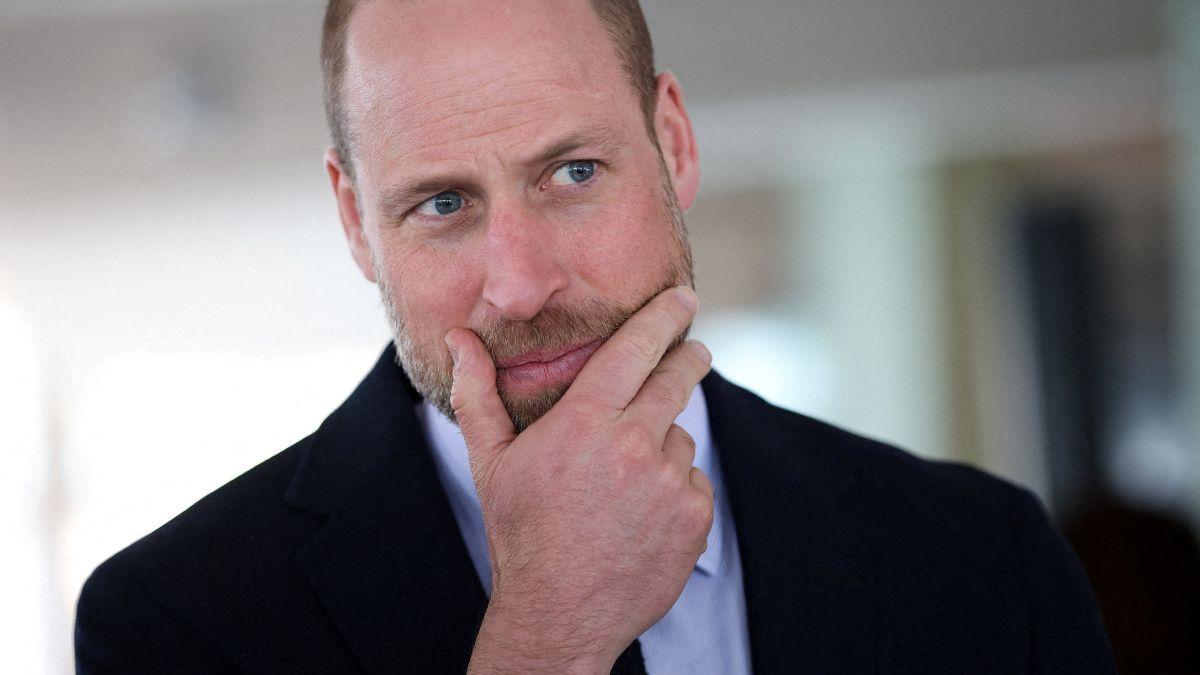
Tenant farmers have accused Prince William of hypocrisy regarding his mental health advocacy.
The duchy, a $1.4billion land portfolio spanning 23 counties, generated around $31million in private income last year. William, who inherited control of the estate when his father, King Charles III, 77, ascended the throne, has positioned himself as a modernizing figure – championing causes such as homelessness, rural isolation, and mental health.
However, tenant farmers said the planned sales have undermined those efforts, particularly given the uncertainty facing families who have worked the land for generations.
A rural affairs source said: "There is a growing sense of anger and disillusionment among farmers who feel the rhetoric around supporting mental health simply doesn't reflect the reality they're dealing with day to day.
"For many of these families, the farms aren't just assets – they represent generations of work, stability, and personal history. The idea that they could be forced to leave has created a level of anxiety that's hard to overstate."
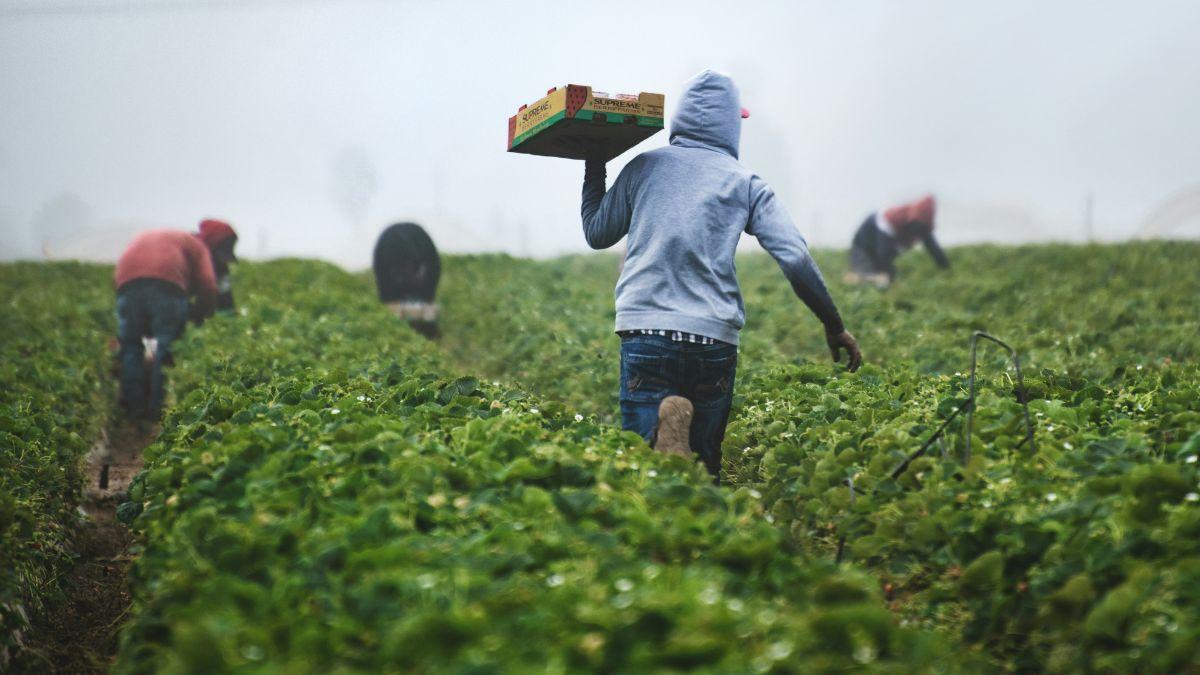
Farmers claimed the planned sales undermined Prince William’s public efforts to combat rural isolation.
"What has made the situation worse is the abrupt shift in messaging," the insider continued. "One moment, they were being reassured about the long-term security of the estate, and the next, they're facing the possibility of having to uproot their entire lives.
"That kind of uncertainty is incredibly destabilizing. This isn't a straightforward commercial transaction for them – it cuts to the core of who they are, where they belong, and how they see their future."
The duchy has said affected tenants will be offered the chance to purchase their farms at a discounted rate, describing the move as part of a broader strategy to focus resources on areas of greater social and environmental need. But critics argue the approach reflects a more commercial mindset under William's leadership, with some calling for greater scrutiny of the estate's finances and its tax advantages.
Land Decisions Crushes Farmer Mental Health
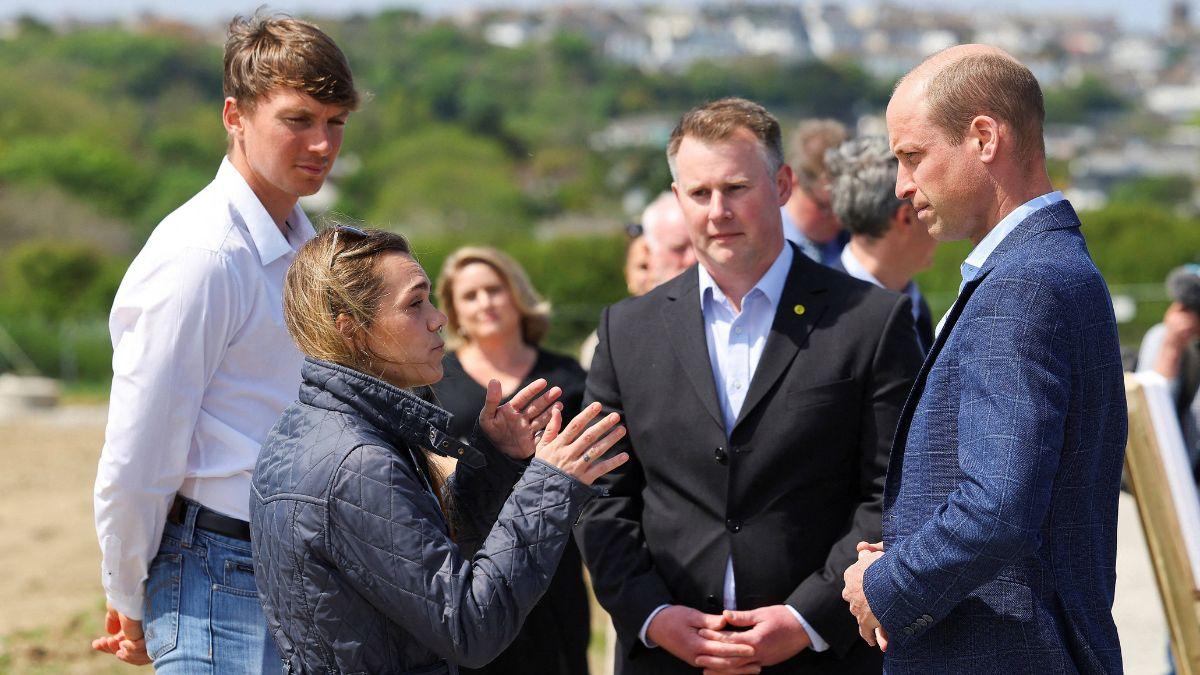
Local residents have criticized the move as a betrayal of long-standing community ties.
Another source said: "Viewed from the outside, it gives the impression of a move toward a more commercially focused approach, regardless of how it's being framed publicly. There's a strong emphasis on social impact in the messaging, but for the people directly affected, the day-to-day reality feels very different – it's about financial insecurity, tough decisions, and a growing sense of pressure.
"Farming is already an industry under strain, with rising costs, unpredictable markets, and long-term uncertainty. When you introduce changes like this, the impact isn't just practical – it becomes deeply personal. The added stress can take a real toll on mental health, which is why the reaction has been so intense. For many, it feels like the consequences haven't been fully understood or acknowledged."

Critics Question Duchy of Cornwall Tax Status

Never Miss an

Daily updates from the heart of Hollywood, right to your inbox
By entering your email and clicking Sign Up, you’re agreeing to let us send you customized marketing messages about us and our advertising partners. You are also agreeing to our Terms of Service and Privacy Policy.
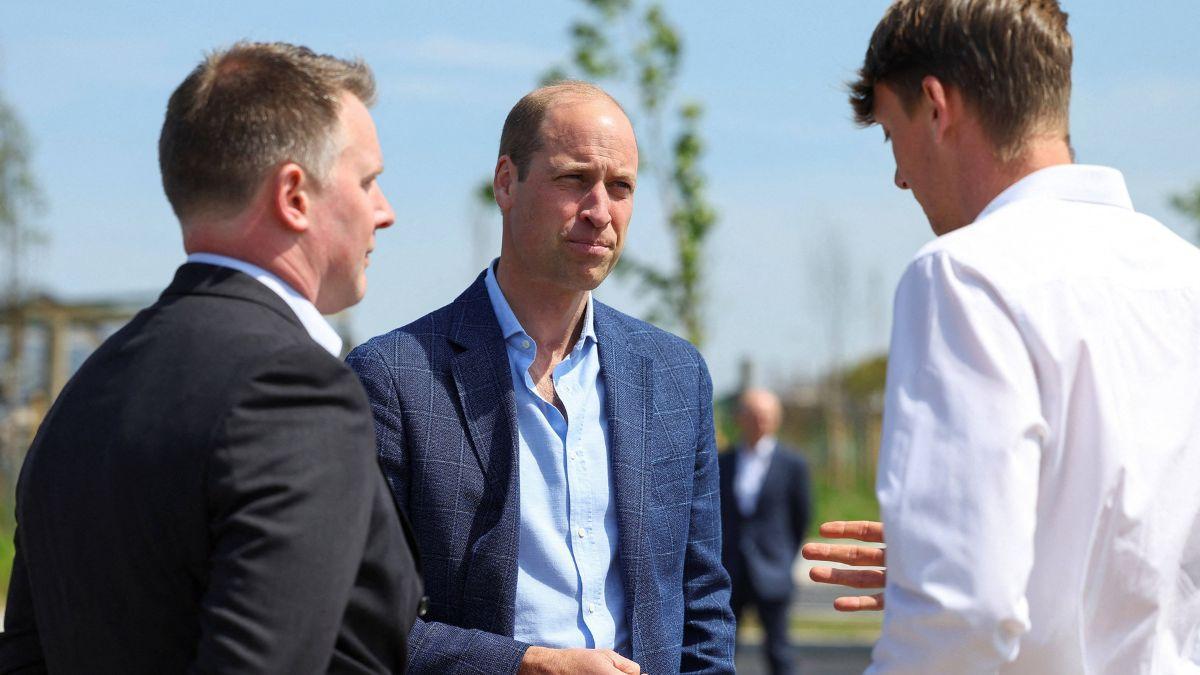
Duchy officials defended the strategy as a way to reinvest in social and environmental projects.
Concerns have also been raised by political figures and royal finance experts about the duchy's unique status, which allows it to operate as a commercial landlord while being exempt from corporation tax. Critics argued the arrangement gives it an unfair advantage and warrants closer public oversight, particularly as the income supports William's private expenses, staff, and residences.
Local reaction in Bradninch has been equally critical. Residents said the proposed sale has shaken confidence in the long-standing relationship between the duchy and the community. Some have questioned the optics of William retaining the title of Baron of Bradninch while divesting land in the area, describing the move as out of step with the duchy's historical ties.
Duchy officials have defended the strategy, insisting any proceeds from land sales will be reinvested into projects designed to deliver long-term social and environmental benefits. They also point to initiatives introduced under William's leadership, including dedicated mental health support for tenant farmers, as evidence of his commitment to rural communities.
Will Bax, chief executive of the Duchy of Cornwall, said: "We will be reinvesting significantly in areas where there is the greatest need and potential. To drive this social and environmental impact means making some very tough decisions. These decisions are made carefully and with a long-term view."
