


EXCLUSIVE: The Ex-Prince Andrew 'Bullying' Move That Ended Up Costing Hard-Up Taxpayers Millions
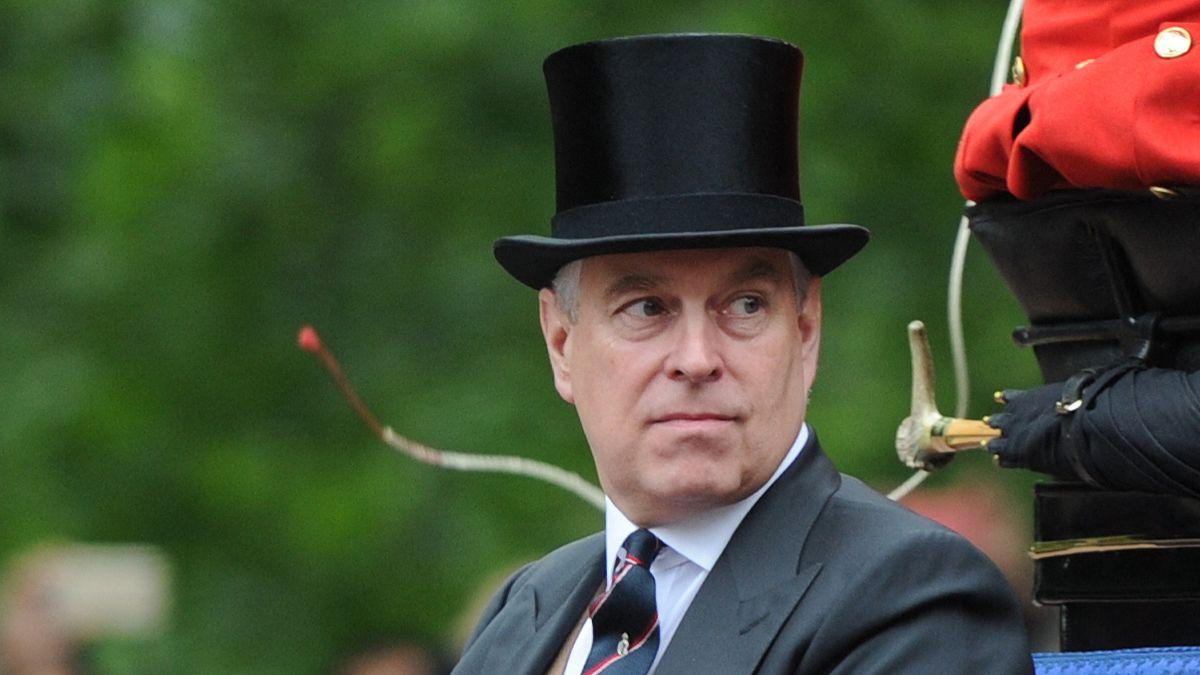
Andrew's alleged bullying move ended up costing taxpayers millions.
March 7 2026, Published 5:45 p.m. ET


Andrew Windsor's insistence his daughters receive round-the-clock police protection from birth is said to have triggered a security arrangement that cost British taxpayers hundreds of millions of pounds.
The controversy dates back to the late 1980s when Andrew, now 66, allegedly pushed senior police officers responsible for royal security to guarantee full-time protection for his future children even before they were born.
Prince Andrew Pushed for Taxpayer-Funded Security for Daughters

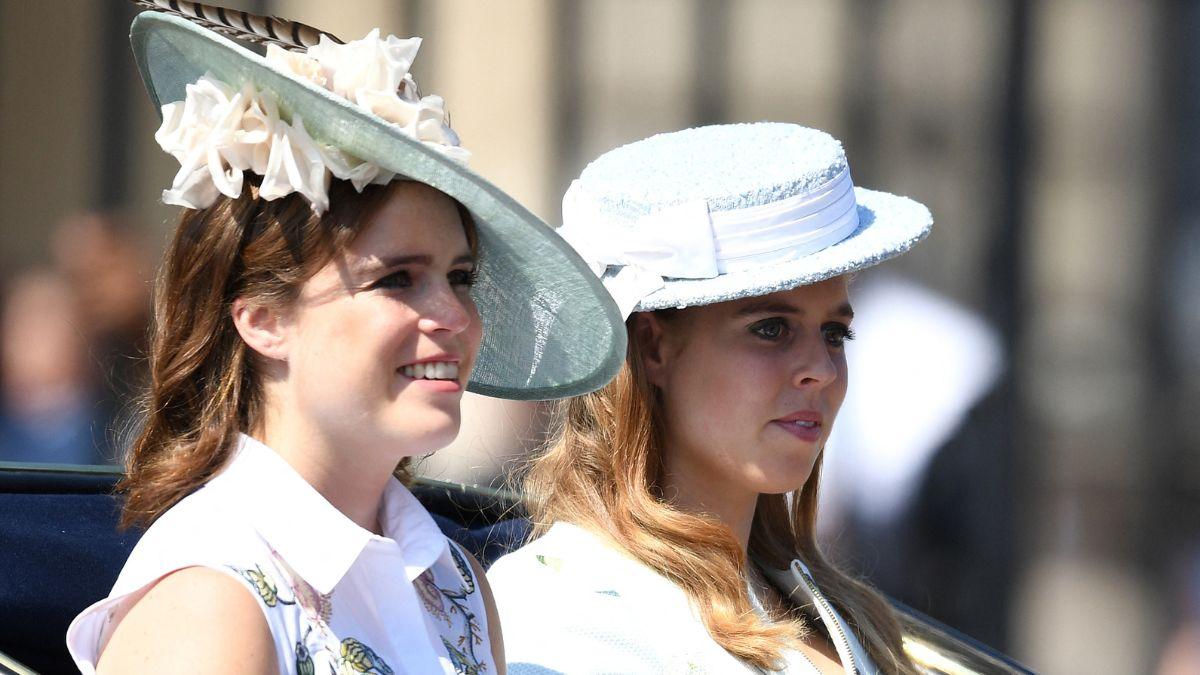
Andrew reportedly insisted on 24/7 police protection for his daughters since birth.
The apparent demand is said to have been made during a meeting at Buckingham Palace with the then head of Scotland Yard's Royalty Protection Command. Princess Beatrice, now 37, was born in 1988 and Princess Eugenie, 35, followed in 1990 – both subsequently receiving 24-hour police protection funded by public money for more than two decades.
Sources with knowledge of royal security arrangements say the meeting that set the policy in motion was unusually tense.
One palace source said: "Andrew was absolutely resolute that his daughters should be afforded the highest possible level of security from the moment they entered the world.
"In his mind they were members of the royal family and therefore entitled to the same protective arrangements as the most senior figures in the monarchy, regardless of the cost implications.
"Those present at the discussions came away with the sense that this was not a request open for negotiation but an expectation that the system would simply accommodate."
Palace Insiders Describe Tense Security Decision
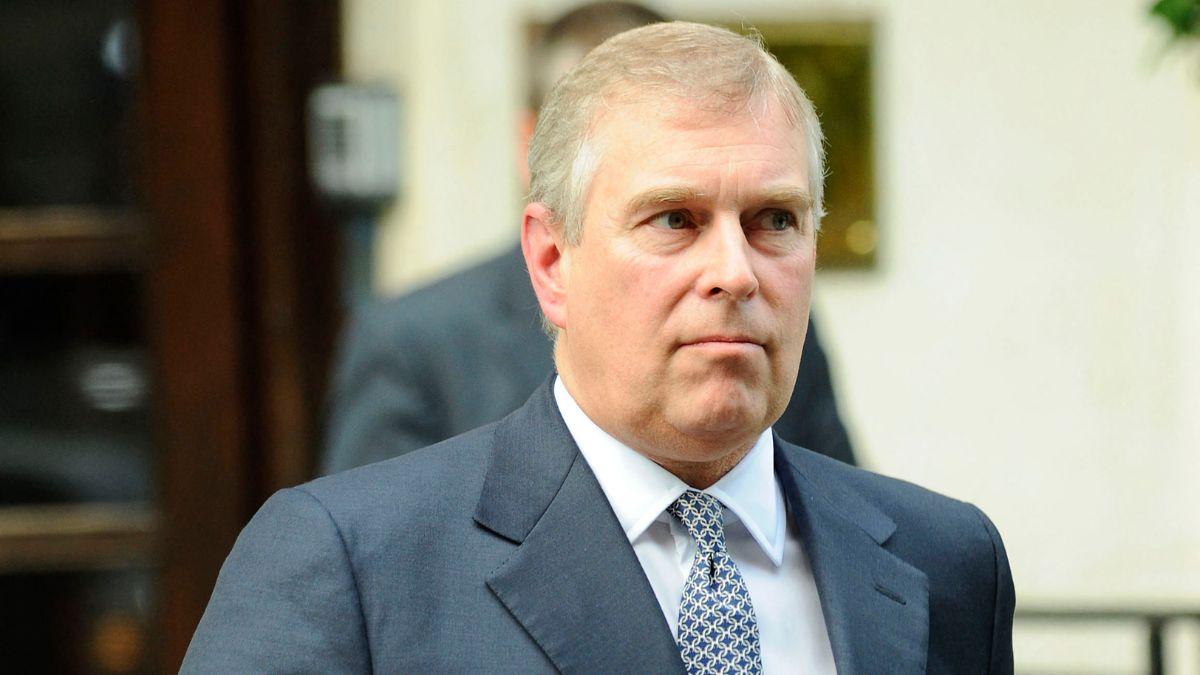
Andrew allegedly held a tense Palace meeting to demand full-time security.
The source added: "Among some of the officials responsible for royal protection there was quiet unease about how far the proposal stretched beyond established practice.
"Normally such extensive arrangements would have been carefully debated and justified, particularly given the huge financial burden involved. But in the context of the time, very few people within the hierarchy were willing to push back or challenge the insistence of a senior royal, especially when the matter ultimately intersected with the wishes of the wider royal household."
Another insider said: "After the decision was signed off, it effectively locked the authorities into a long-term commitment that few people had fully anticipated. Granting that level of protection set a precedent that was both difficult to reverse and extremely costly to maintain. But Andrew was renowned as a bully, so he got what he huffed and puffed about.
"From that point onward, teams of police officers had to be assigned to the princesses day and night for years at a time. Maintaining such an intensive security presence inevitably required significant manpower, travel and logistical resources – all of which were funded by taxpayers. Over time the cumulative expense became enormous, which is why the arrangement later attracted so much scrutiny."
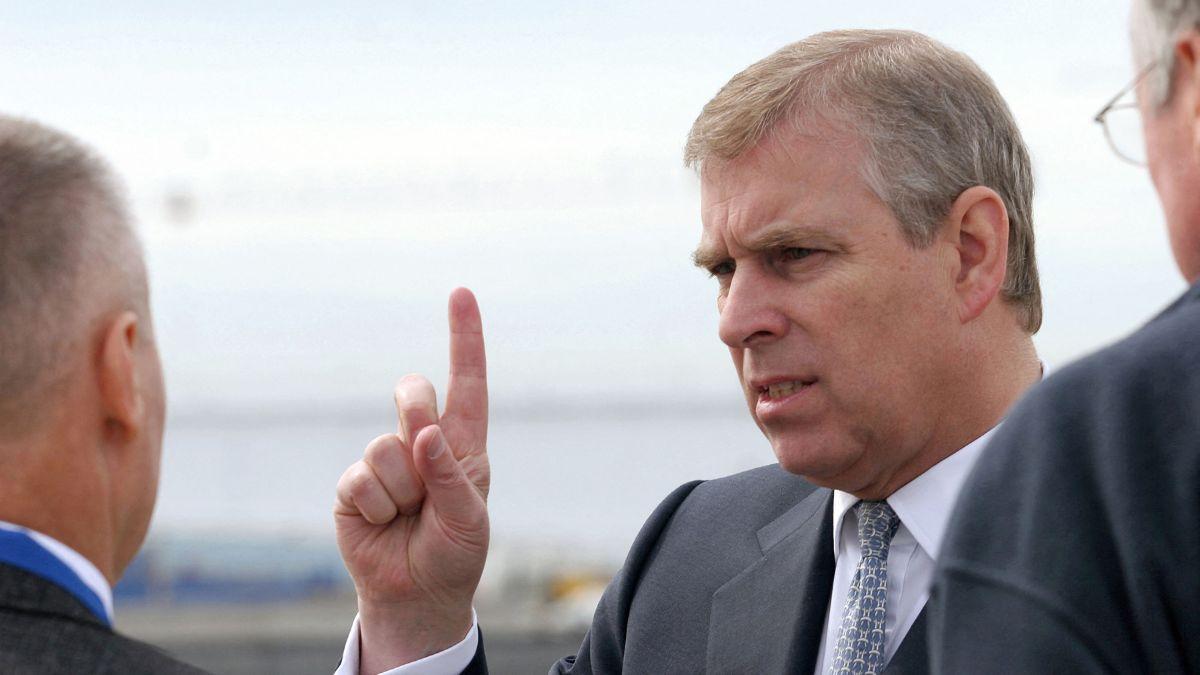
Authorities stood firm against Andrew's private appeals to reinstate the police protection for his family.
The extensive security arrangements continued until 2011, when the taxpayer-funded protection for the York sisters was controversially withdrawn. The decision followed mounting criticism after Eugenie's gap year abroad generated a security bill reportedly exceeding more than $133,000.
During the trip, Eugenie traveled to destinations including India, the United States, South Africa and Thailand while accompanied by police protection officers.
Reports at the time suggested that Charles, then Prince of Wales and now King Charles, 77, intervened to bring the spending under control.
York Sisters Now Rely on Private Security

Never Miss an

Daily updates from the heart of Hollywood, right to your inbox
By entering your email and clicking Sign Up, you’re agreeing to let us send you customized marketing messages about us and our advertising partners. You are also agreeing to our Terms of Service and Privacy Policy.
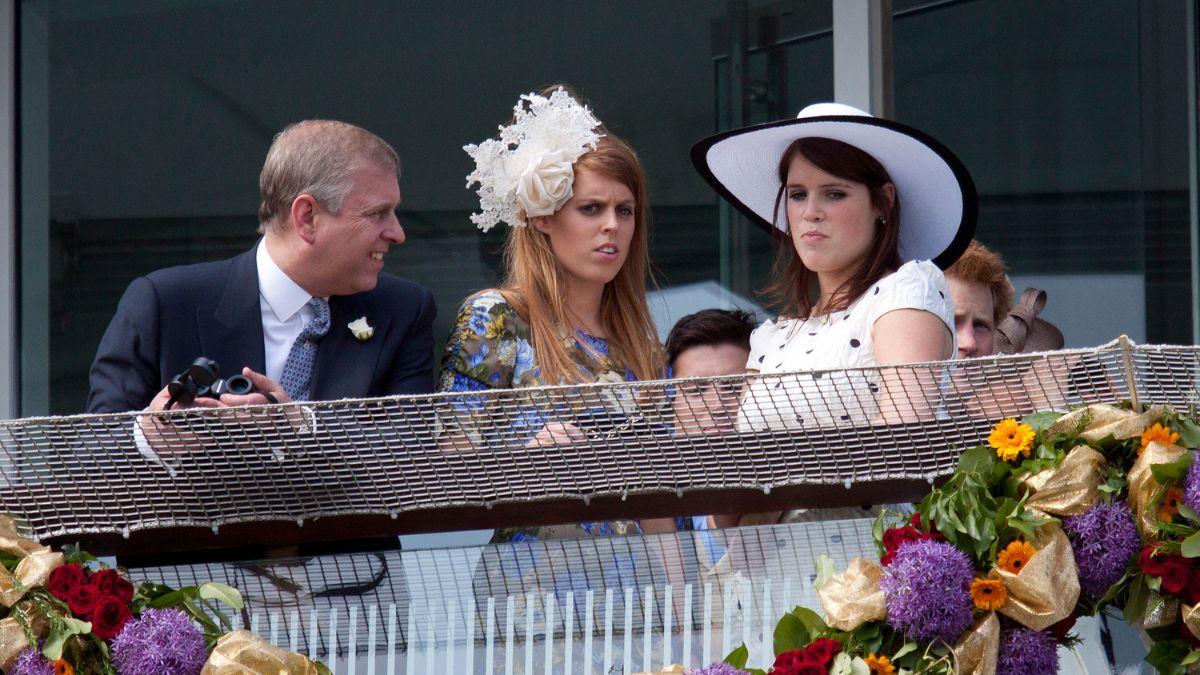
The York sisters toured the globe with taxpayer-funded police bodyguards.
The move is said to have infuriated Andrew, who is said to have strongly opposed the withdrawal of police protection for his daughters.
One source said: "Andrew has always viewed his daughters as integral members of the royal family and felt strongly that their status should be reflected in the level of protection they received. "In his eyes, scaling back their security suggested they were somehow less important than other royals, which he believed was both unjustified and potentially unsafe."
Andrew was deeply unhappy when the decision was made to withdraw the taxpayer-funded protection and made efforts privately to have the policy reconsidered. There were discussions and appeals behind the scenes aimed at overturning the move, but the authorities ultimately stood firm and the arrangement was not reinstated.
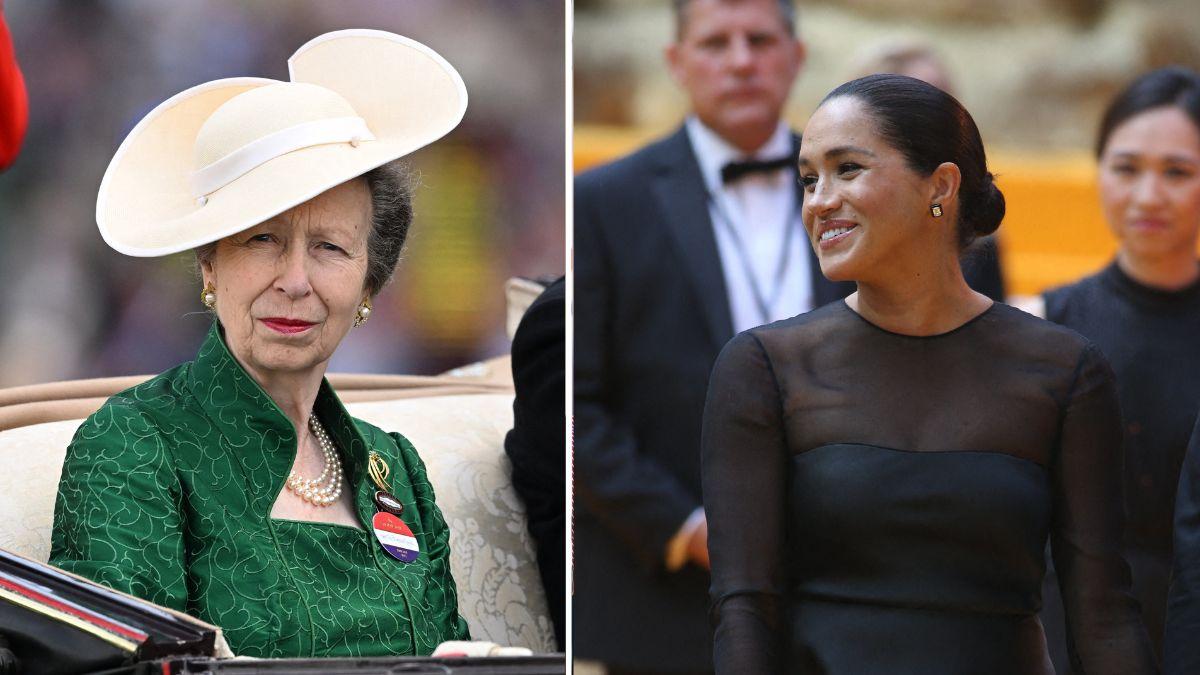
Today the system governing royal security has become more tightly restricted. Only the monarch, the Queen and the Prince and Princess of Wales receive full-time police protection.
Other senior figures – including Anne, Princess Royal, and Edward, Duke of Edinburgh, as well as Sophie, Duchess of Edinburgh – receive security when carrying out official duties rather than permanent protection.
Beatrice and Eugenie, who are not working royals, now rely on privately funded arrangements for any personal security they require.
