


EXCLUSIVE: Donald Trump's Venezuelan Gold Deal 'Leaves US Refiners Wary'

Trump's gold deal has left US refiners wary, according to insiders.
Oct. 9 2026, Published 12:25 p.m. ET


Donald Trump's ambitious plan to funnel hundreds of millions of dollars in Venezuelan gold into the United States has hit a major obstacle, RadarOnline.com can reveal – as American refiners are reluctant to handle shipments amid fears of links to organized crime and corruption.
The president, 80, opened a new gold trading pipeline after January's military operation, which removed Venezuelan leader Nicolás Maduro, 63, from power.
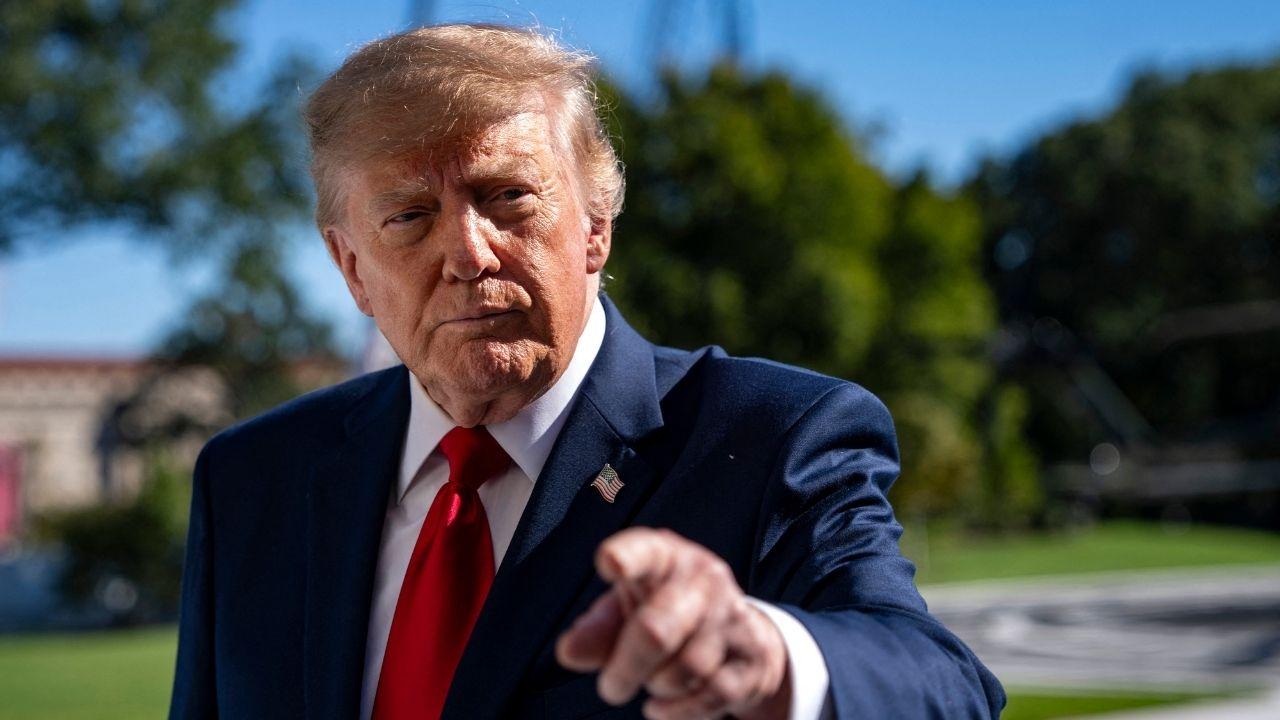
Trump has launched a new gold trading pipeline.

But six months after commodities giant Trafigura began importing the precious metal, substantial shipments remain in American warehouses, according to an investigation by a publication, with refiners concerned about meeting international sourcing standards.
The newspaper reported some gold entering the supply chain was connected to mining operations where workers paid protection money to criminal gangs.
The controversy threatens to undermine Trump's efforts to present Venezuela's mineral wealth as a commercial and strategic victory for Washington.
White House Celebrations and Policy Shifts
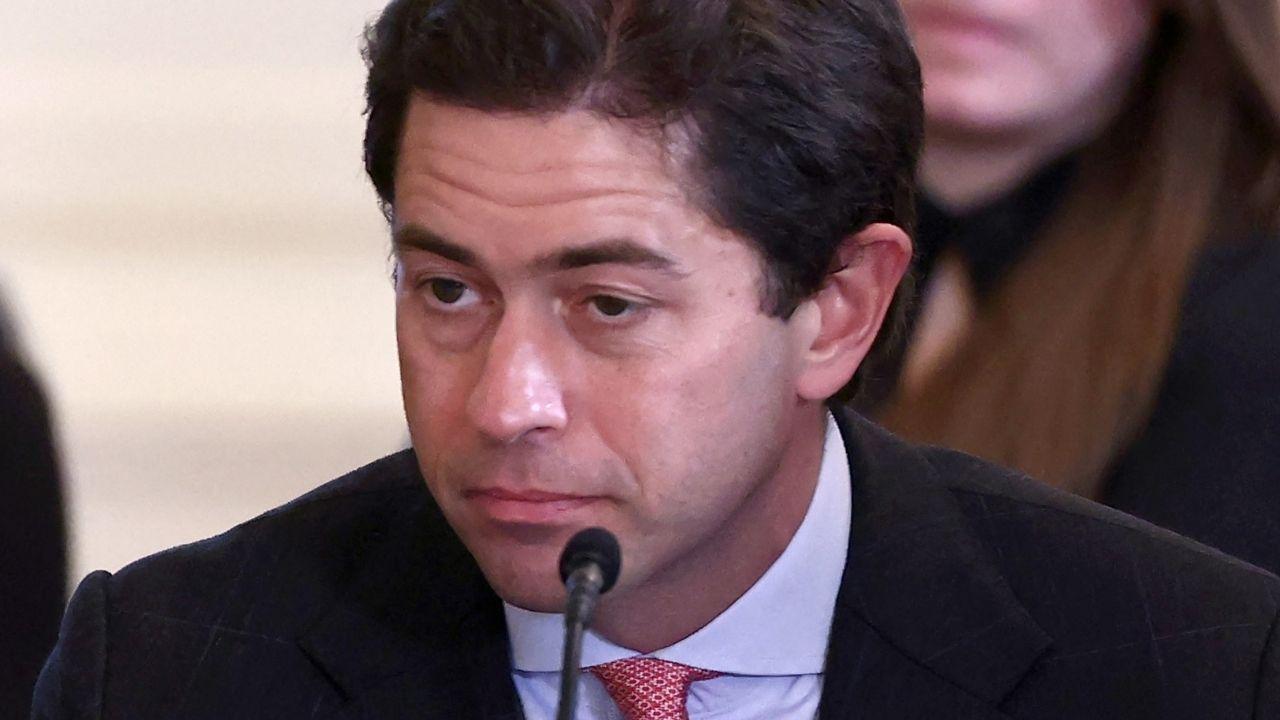
Trafigura chief executive Richard Holtum joined Trump at the White House to mark the gold deal.
In March, Trump welcomed Trafigura chief executive Richard Holtum and Interior Secretary Doug Burgum to the White House, where 10 Venezuelan gold bars were displayed during celebrations marking the first shipment.
Burgum subsequently told an energy conference: "Usually, you have to be in the Olympics to bring back the gold."
The administration had authorized Trafigura to purchase gold from Minerven, Venezuela's state-owned producer, despite its designation as a US national security threat.
The arrangement followed Trump's decision to redirect Venezuelan oil and mineral exports towards American markets rather than countries including Iran.
Criminal Extortion Raises Questions About Gold Origins
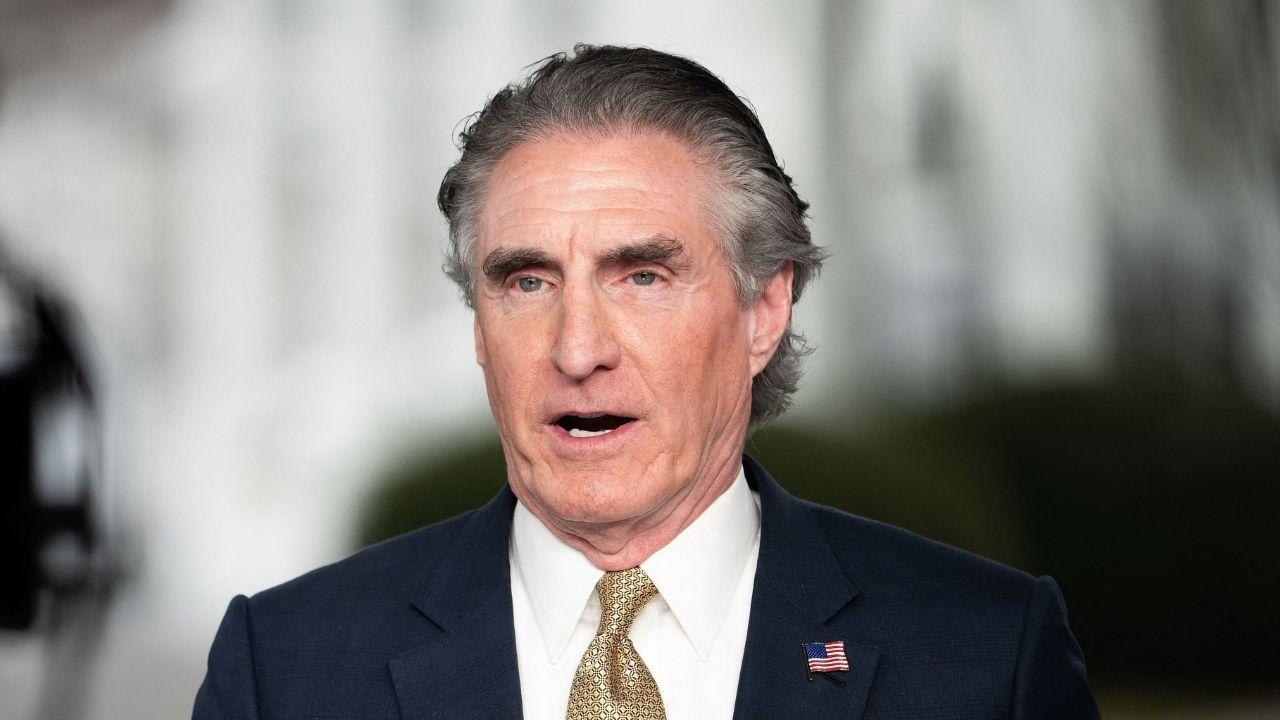
Doug Burgum joked that bringing back gold usually required the Olympics.
However, investigators found mining operations around El Callao remained vulnerable to extortion by Tren de Guayana, a criminal organization demanding payments from local producers.
One mining cooperative leader reportedly described surrendering 20% of production to the gang, while additional gold entered Minerven's processing facilities.
Those findings have intensified questions about whether imported bars can satisfy international requirements designed to prevent financing criminal activity.
The publication reported its account of "Mr. Trump’s gold rush" is "based on interviews with miners and refiners in El Callao, the heart of Venezuelan mining, as well as on interviews with White House and Venezuelan government officials, industry leaders and global commodities brokers."
It added: "Some spoke on the condition of anonymity, either because they were not authorized to speak publicly or because doing so would jeopardize their livelihoods or safety."
Simon Houghton-Dodd, of Asahi Refining, questioned the industry's willingness to accept the shipments.
He said: "Do we want to be the first refiner to publicly announce that we are receiving Venezuelan gold?"
Trafigura Defends Sourcing Procedures Amid Growing Scrutiny

Never Miss an

Daily updates from the heart of Hollywood, right to your inbox
By entering your email and clicking Sign Up, you’re agreeing to let us send you customized marketing messages about us and our advertising partners. You are also agreeing to our Terms of Service and Privacy Policy.
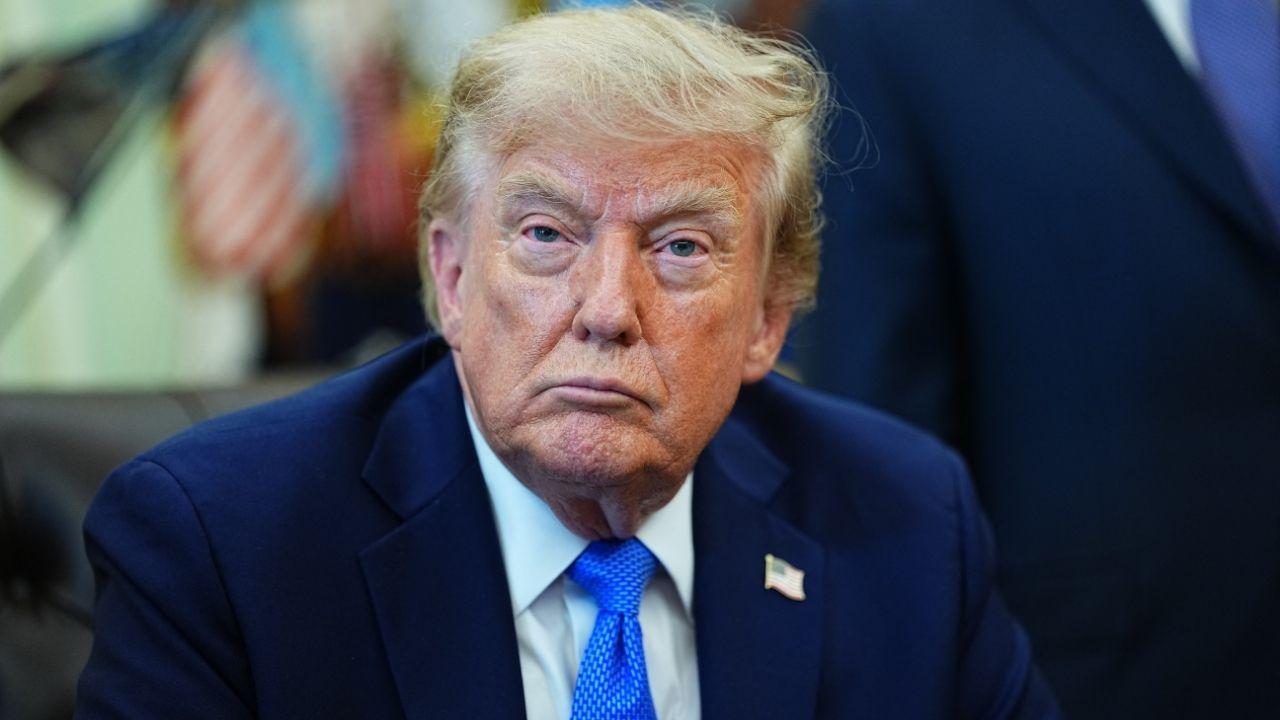
Democratic lawmakers questioned the legality of Trump's gold deal.
Trafigura maintains its responsible sourcing procedures are continuing and says independent inspections have not identified criminal involvement at its designated mining sites.
The company said: "To date, no human rights violations, conflict-financing, illegal taxation, extortion, or involvement of illegal actors have been identified at the sites."
But David Soud, a specialist investigating illicit gold who advises Trafigura, acknowledged the difficulties.
He said: "What I can say is that exploitation is deeply entrenched in the Venezuelan gold ecosystem."
Meanwhile, American investment firm Heeney Capital has pursued another Venezuelan mining agreement involving El Chocó, an operation whose contractors allegedly paid protection money.
White House spokeswoman Taylor Rogers defended the Trump administration's approach, arguing American investment would help reform the industry.
She said: "We are cleaning up Venezuela's mining industry. Western companies are improving and legitimizing it."
Democratic lawmakers have questioned the legality of the Trafigura arrangement and indicated that congressional scrutiny could intensify.
Trump's administration has nevertheless continued easing restrictions on Venezuelan mining, while refiners face unresolved questions over the origins of the gold already delivered to American storage facilities.
A source told us: "The problem for American refiners isn't whether Venezuelan gold is valuable – it's whether anybody can confidently establish where it came from and who benefited from extracting it.
"Gold doesn't suddenly become ethically acceptable because it has crossed an international border or because the White House has approved a commercial agreement.
"Refiners have spent years building compliance systems designed to keep conflict gold and criminal proceeds out of their supply chains. Nobody wants to jeopardize that work simply because the administration is determined to demonstrate that its Venezuelan strategy is delivering results, and that's why they are wary."
Trump is also facing mounting controversy over his immigration crackdown, economic policies, and increasingly confrontational approach to presidential power.
His administration has suspended major technology companies from a green card program, while fresh legal challenges question restrictions on press access to the White House.
