


EXCLUSIVE: Donald Trump 'Has Totally Turned on UK Over Iran Snub'

Trump has allegedly turned on the UK after officials snubbed him over Iran.
Sept. 4 2026, Published 1:58 p.m. ET


Donald Trump has dramatically hardened his stance toward Britain after accusing the UK of failing to support his campaign against Iran, raising fresh questions over whether Washington would back London in another Falklands crisis.
RadarOnline.com can reveal fresh fears have erupted over the UK and US' "special relationship" after Trump, 80, linked Britain's refusal to fully join US military action in the Middle East with his position on the Falkland Islands during an interview with GB News, as tensions surrounding the disputed South Atlantic territory intensified.
Trump Refuses To Defend Falklands

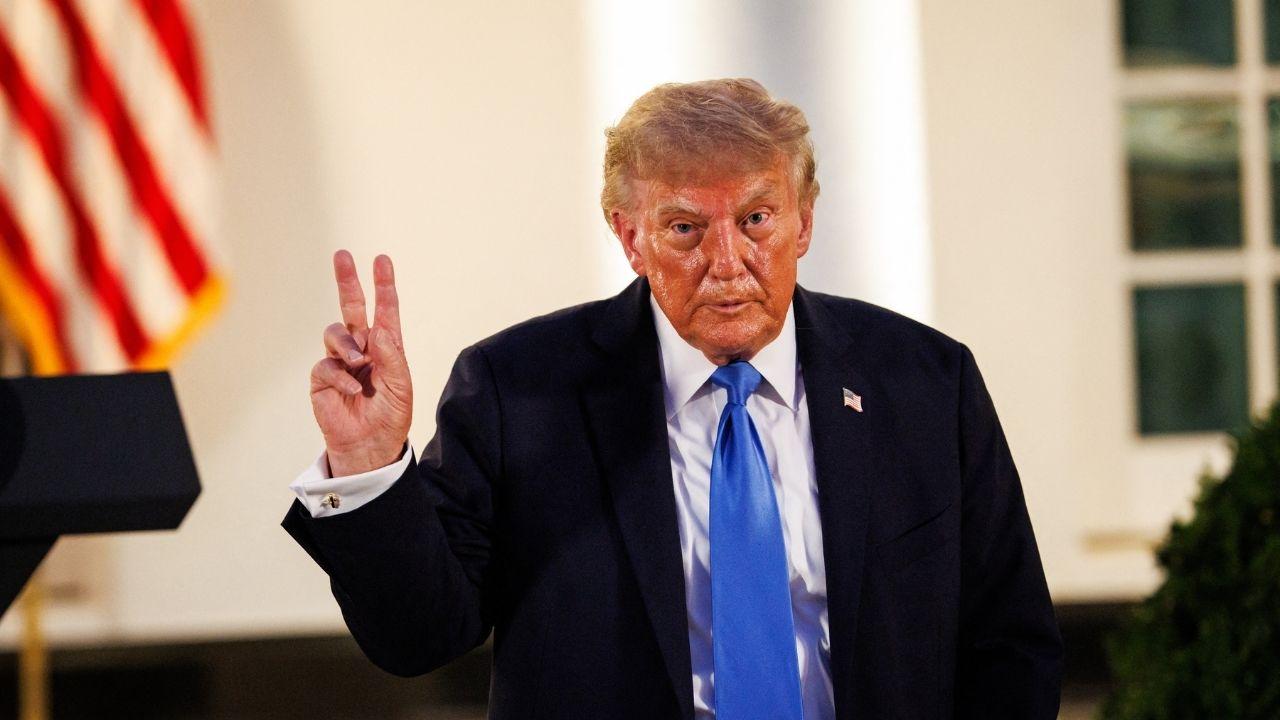
Trump accused Britain of failing to support his military campaign against Iran.
His comments came as Argentine President Javier Milei prepared to address his country on what he called the "sacred" issue of the Malvinas.
Asked whether the United States would come to Britain's aid if Argentina attempted another invasion, Trump pointedly declined to give an unequivocal commitment.
He said: "I was there when they had the first war, that was a long time ago... you comported yourself very well, took it back very shortly. But it is a long way away."
Trump then turned directly to Britain's record over Iran, saying: "So, your country's not doing well. Don't forget you get a big percentage of your oil from the Strait of Hormuz and you weren't there to help me. Your country was not there to help me."
The remarks suggested the President was willing to connect wider questions of US support for Britain with London's reluctance to play a larger role in Washington's military operations.
Inside Trump's Furious Iran Revenge
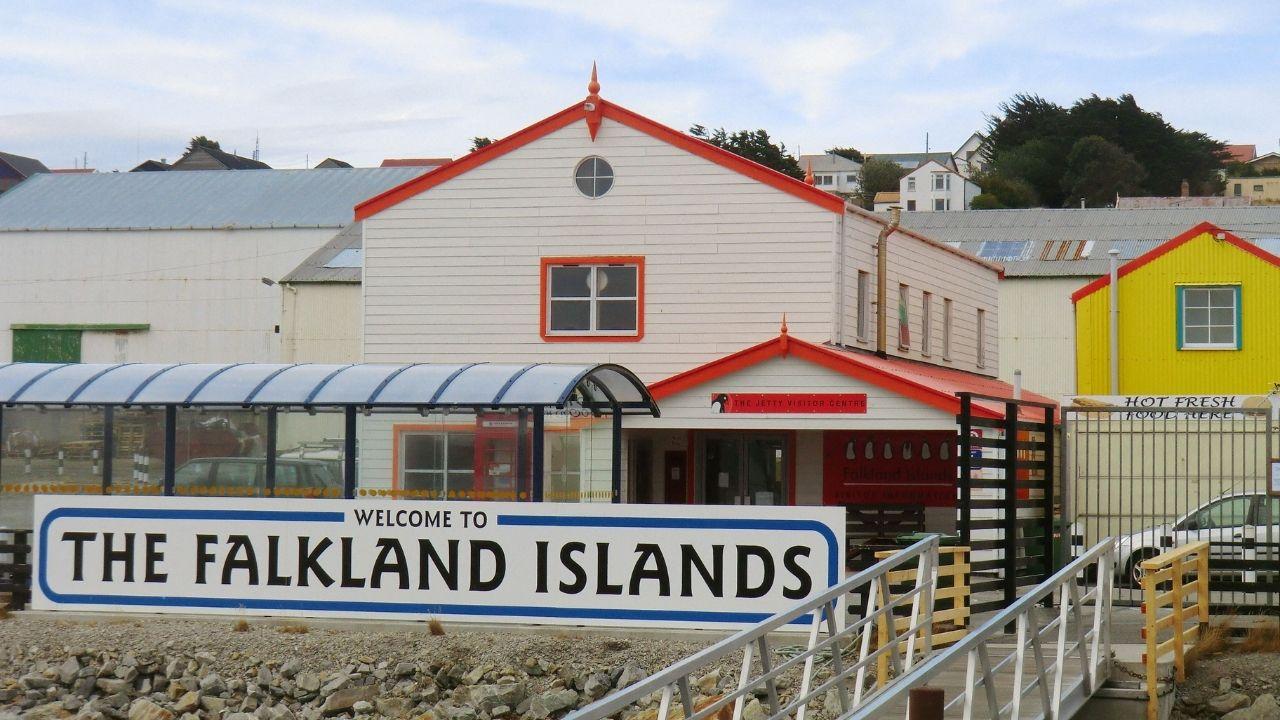
Trump explicitly linked his refusal to back Britain over the Falklands to the Iran dispute.
A high-ranking security source familiar with the tensions exclusively told Radar: "Trump has now totally turned on Britain over Iran. He believes America stepped up to confront a threat that affected its allies as much as the United States, and when he asked Britain to stand alongside him, he felt the answer was effectively no. He has not forgotten that.
"There is a real sense of anger behind what Trump is saying. In his mind, Britain wanted the benefits of its relationship with Washington while refusing to provide the level of military support he expected when America asked for it. The Falklands question has now given him an opportunity to make that frustration very public."
Another source said Trump's refusal to guarantee American assistance over the islands should be viewed in the context of the Iran dispute.
They added: "Trump sees international relationships as reciprocal. His attitude is essentially that if Britain would not come through for him over Iran, it should not automatically assume that America will come through for Britain whenever London needs Washington. That is why his Falklands comments were so pointed.
"This is also about applying pressure. Trump knows how important the Falklands are politically and symbolically to Britain, and raising doubts about American support sends an extremely powerful message. He wants Britain to understand that decisions over Iran have consequences for the wider relationship.
"The UK/US relationship has undoubtedly become more difficult because Trump believes Britain let him down. He expected much stronger backing, particularly when it came to the Strait of Hormuz, and Britain's refusal to provide what he wanted clearly irritated him enormously.
"Nobody around Trump is going to interpret his comments as accidental. He was directly asked whether America would help Britain over the Falklands and immediately brought the conversation back to Britain's failure to help him over Iran. The message could hardly have been clearer."
Trump Slams Starmer As 'No Churchill'

Trump publicly attacked Starmer by stating the Prime Minister is no Winston Churchill.
Under Prime Minister Keir Starmer, Britain initially declined to participate in the US-Israeli offensive against Iran.
Starmer later authorized British forces to support defensive strikes against targets including missile launchers, but resisted Trump's demand for the Royal Navy to help reopen the Strait of Hormuz.
Trump subsequently attacked Starmer as "no Churchill," underlining growing frustration in Washington over Britain's limited involvement.
The US has historically maintained a neutral position over sovereignty of the Falkland Islands, which Argentina calls the Malvinas, but Trump's comments have increased speculation the administration could reconsider how firmly it would support Britain during a future confrontation.
Britain insists sovereignty is not open to negotiation.
In a 2013 referendum, 99.8 percent of Falkland Islanders voted to remain a British overseas territory, on a turnout of 92 percent.
Argentina invaded the islands in 1982, prompting Prime Minister Margaret Thatcher to send a naval task force to retake them.
The conflict left 649 Argentines, 255 British personnel, and three islanders dead.


Argentina Vows To Reclaim Falklands

Never Miss an

Daily updates from the heart of Hollywood, right to your inbox
By entering your email and clicking Sign Up, you’re agreeing to let us send you customized marketing messages about us and our advertising partners. You are also agreeing to our Terms of Service and Privacy Policy.
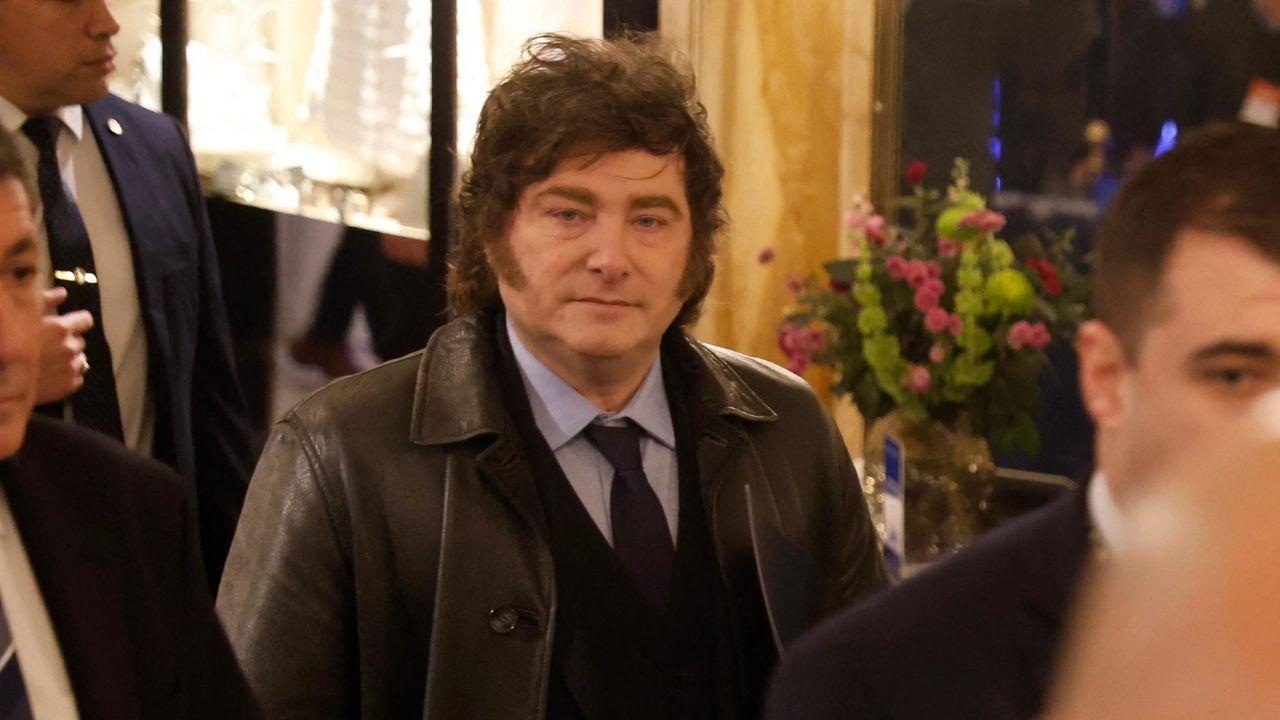
Argentine President Javier Milei prepared a televised address calling the Malvinas a sacred issue.
Milei added to the pressure in an online post ahead of a televised address, describing the islands as a "SACRED issue for Argentines: the Malvinas cause."
He added: "What cause more important and strategic for the vital interests of the Nation could there be than the Malvinas cause?"
The dispute could also complicate Britain's wider diplomacy with Trump as Starmer prepares for an expected visit to New York for the UN General Assembly, where he has indicated he will seek further American backing for Ukraine.
Separately, Argentine groups have announced legal action aimed at stopping development of the Sea Lion oil field, a British-Israeli project involving Rockhopper Exploration and Navitas Petroleum about 137 miles from the Falklands.
Tensions were further inflamed after Argentine soccer players displayed a banner reading "Las Malvinas are Argentine" following their World Cup semifinal victory over England in July.
A Downing Street spokesman responded: "The World Cup might not be ours, but the Falkland Islands definitely are."
