


EXCLUSIVE: Radar Reveals Why Donald Trump's Iran 'Peace Deal' is Hanging by a Thread — As It's Bashed as 'Typical Bluster' From Prez

The proposed Iran peace deal may have a few roadblocks.
June 16 2026, Published 1:00 p.m. ET


Donald Trump is hailing a surprise Iran peace agreement as a historic diplomatic triumph, but officials and analysts are warning RadarOnline.com the deal could unravel within weeks as major disputes over nuclear enrichment, sanctions, and Israel's military operations remain unresolved, prompting critics to dismiss the president's claims as another example of his bluster outrunning reality.
The 80-year-old president has announced the United States and Iran have reached an agreement aimed at ending months of conflict, which has destabilized the Middle East and disrupted global energy markets.
Trump Declares Iran Deal Victory

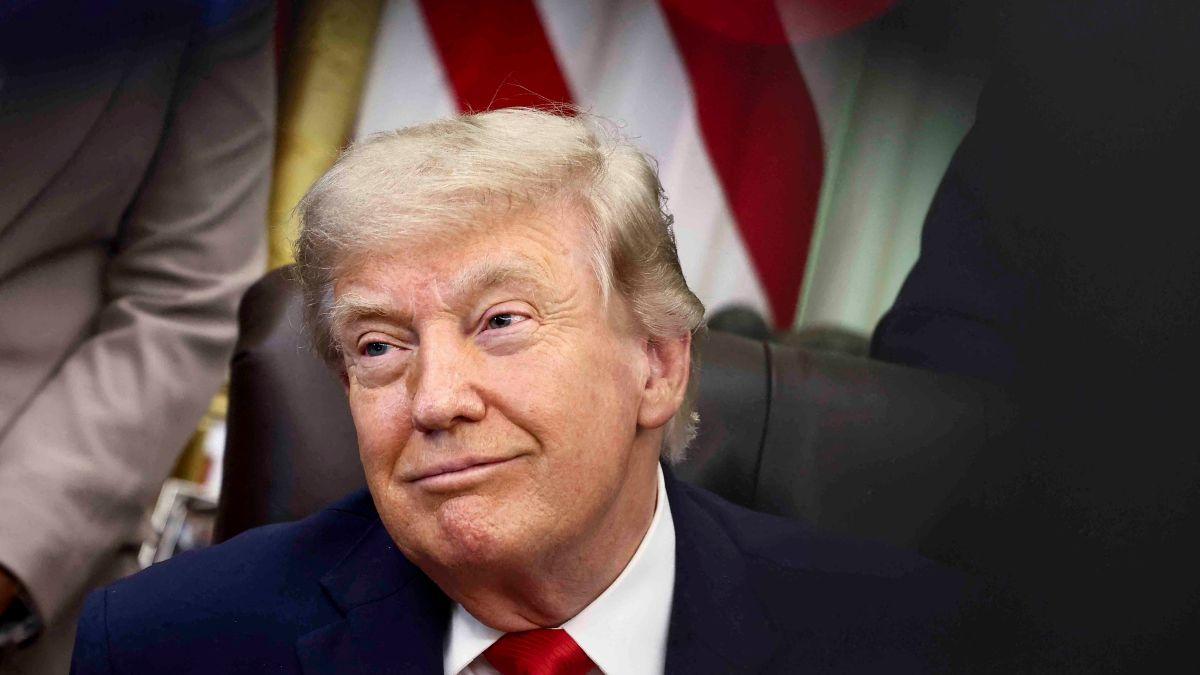
Trump has hailed a surprise Iran peace agreement.
The announcement came on Trump's 80th birthday and followed days of alternating threats against Tehran and optimistic predictions that a breakthrough was imminent.
Even though both sides have reportedly signed the framework digitally and a formal ceremony is expected in Geneva on Friday, June 19, the text of the agreement has not been released, leaving key questions unanswered about Iran's nuclear program, sanctions relief, and regional security arrangements.
A source familiar with the negotiations told us: "The White House wants to present this as a decisive victory, but many of the biggest issues have not actually been settled. There is concern that the president is describing concessions that Iran has not formally agreed to."
Critics Warn Deal Isn't Finished
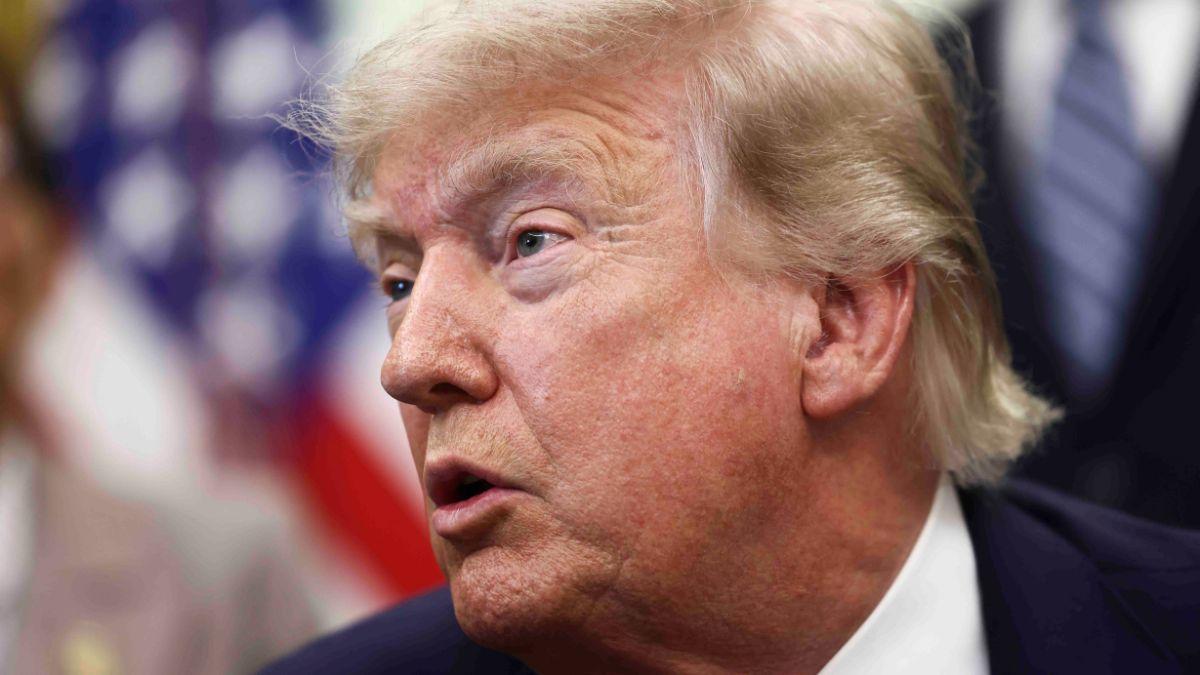
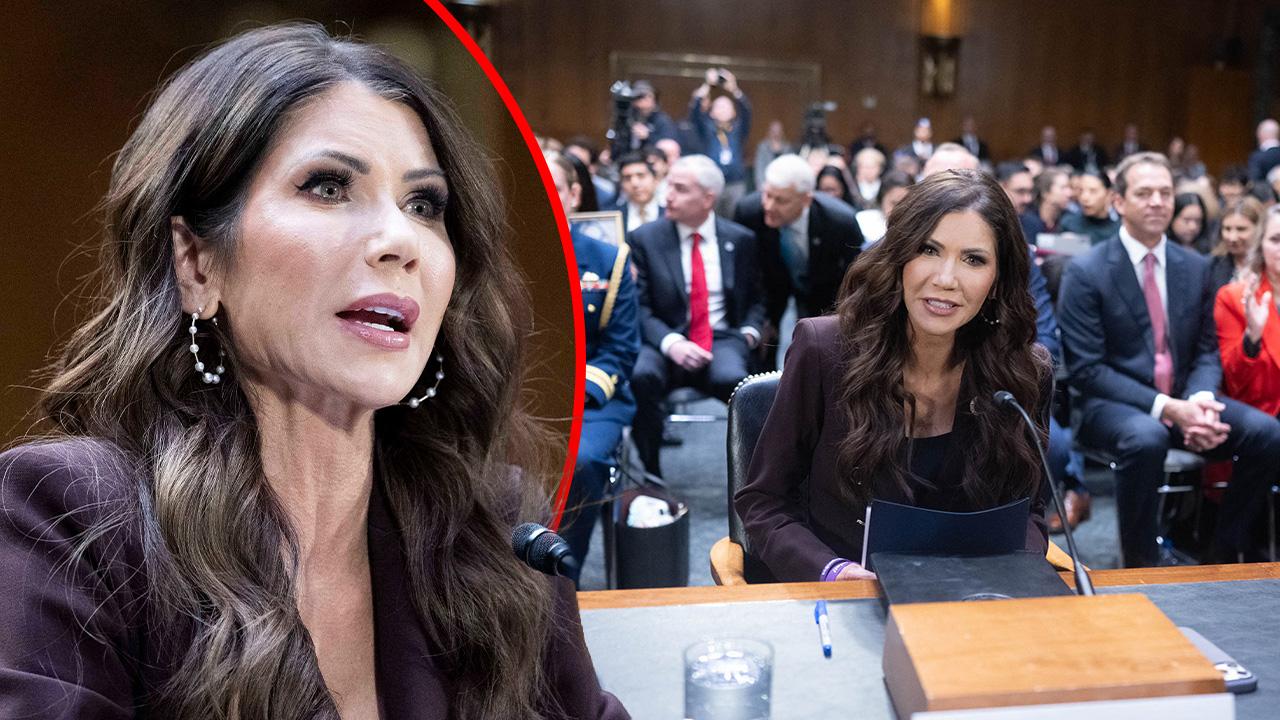
Trump has faced growing domestic pressure over the foreign war.
Another diplomatic insider said, "A lot of officials see this as typical Trump bluster. He wants to declare success immediately, but the difficult negotiations are only beginning, and several of the most contentious points remain unresolved. This could end up being another case of classic Trump bluster, where he claims victory where there isn't one."
But there are reasons negotiators believe the agreement could survive.
Both Washington and Tehran have paid a significant price during the conflict and have strong incentives to avoid a return to open confrontation.
One Trump administration source said, "Neither side wants to continue absorbing the economic and military costs of this war. The fighting has become painful, expensive, and politically difficult for everyone involved."
War Costs Push Both Sides
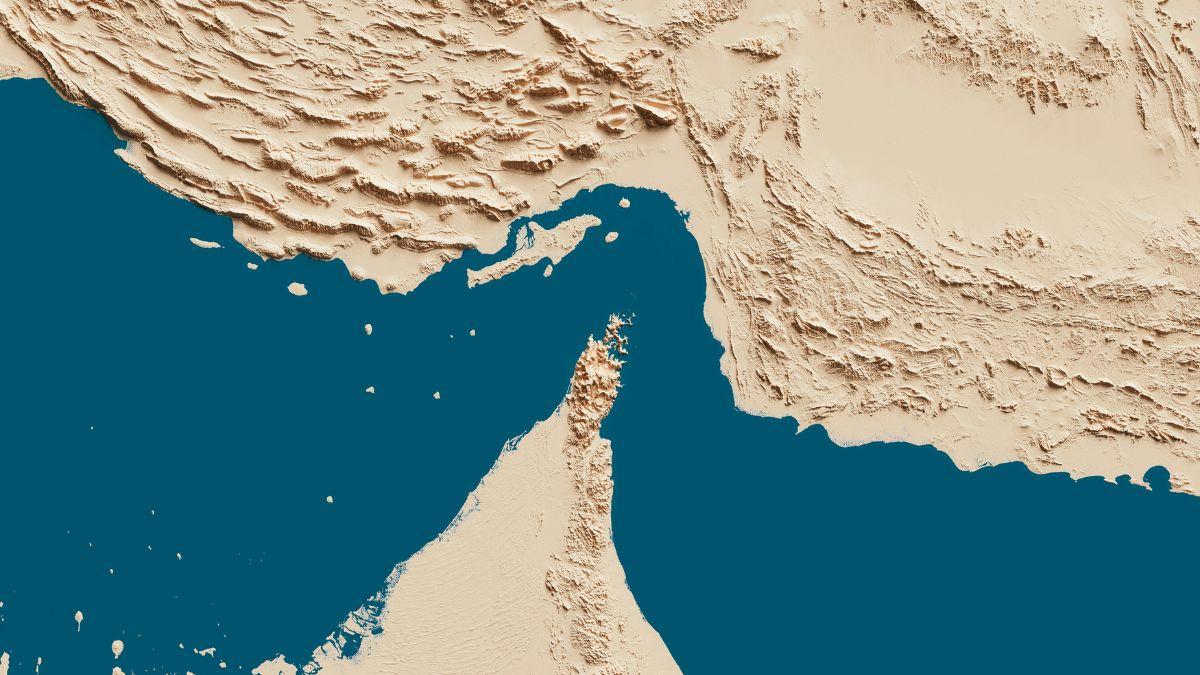
Iran restricted shipping through the vital Strait of Hormuz.
The Strait of Hormuz has emerged as a central factor.
Iran's restrictions on shipping through the vital waterway pushed up global energy prices and slowed economic growth, while US countermeasures disrupted Iran's own oil exports and threatened a key source of government revenue.
Military resources have also been stretched.
The US has deployed substantial forces and missile defenses across the Gulf, while Iran has reportedly launched thousands of missiles and drones during the conflict.
Officials on both sides privately acknowledge stockpiles have been depleted and strategic priorities elsewhere have been affected.
Trump also faces growing domestic pressure.
The conflict has become a political liability for a president who campaigned on ending foreign wars and who has faced criticism from some Republicans over the administration's handling of Iran.
Major Obstacles Still Remain

Never Miss an

Daily updates from the heart of Hollywood, right to your inbox
By entering your email and clicking Sign Up, you’re agreeing to let us send you customized marketing messages about us and our advertising partners. You are also agreeing to our Terms of Service and Privacy Policy.
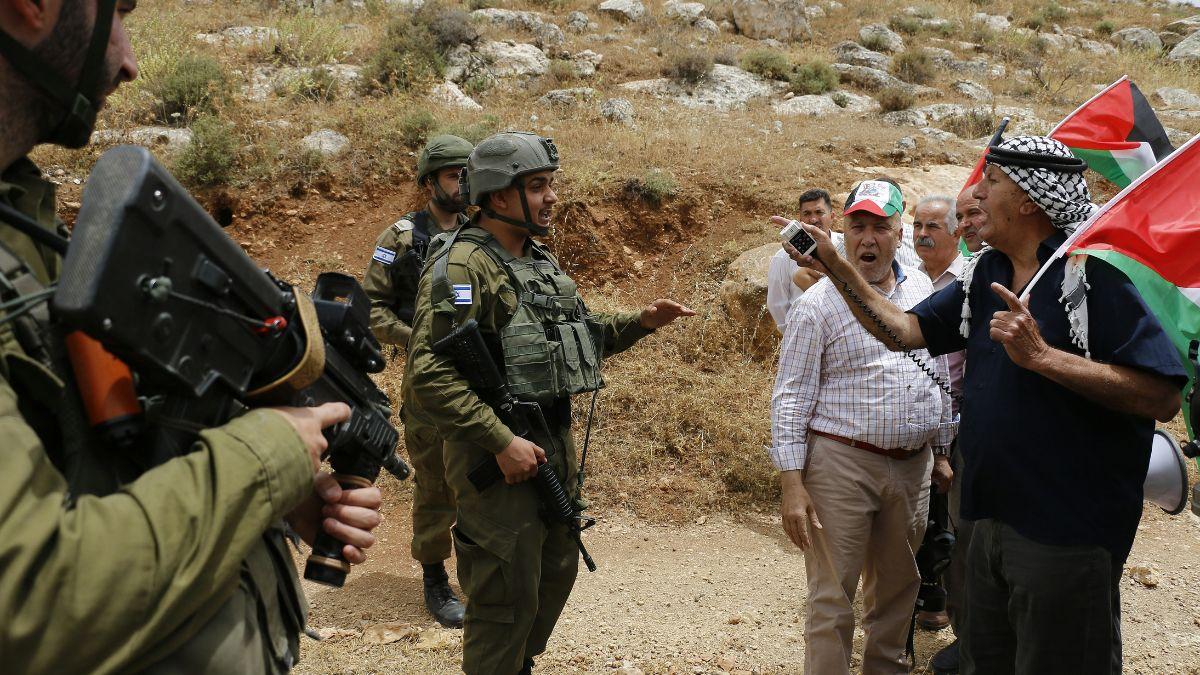
Israel has continued military operations in Lebanon.
Yet major obstacles remain to the deal's sticking.
Israel's government is reportedly unhappy with the framework and has continued military operations linked to Iran-backed groups in Lebanon. According to officials familiar with the talks, Tehran wants any long-term settlement to address the situation in Lebanon, while Israel opposes restrictions on its military freedom of action.
The future of Iran's nuclear program remains another huge unresolved issue. Negotiators have yet to determine whether Tehran will suspend uranium enrichment, for how long any pause would last, what enrichment levels may be permitted in the future, and how existing stockpiles of enriched uranium will be handled.
A senior diplomatic source warned: "These are not technical details. These are the core issues that determine whether there is a lasting agreement or merely a temporary pause in hostilities.
"Questions also remain over sanctions relief and frozen Iranian assets, subjects that have long divided Washington and Tehran and helped derail previous diplomatic efforts."
