


EXCLUSIVE: Donald Trump Defeat Sparks Fears of Global 'Revenge' Attacks

Trump's election defeat has sparked fears of potential retaliatory moves against governments worldwide.
Nov. 4 2026, Published 1:48 p.m. ET


Donald Trump's colossal midterm election defeat has sparked fears the US president could turn to more aggressive foreign policy moves in an attempt to reassert his authority, with governments around the world bracing for potential retaliation over the Democrats' victory.
RadarOnline.com can reveal the Democrats' takeover of Congress, following heavy losses among Trump's preferred Republican candidates, has prompted fresh uncertainty over the future of the war with Iran, international trade and America's relationships with its traditional allies.
Global Fears Of Unpredictable Foreign Policy Escalation

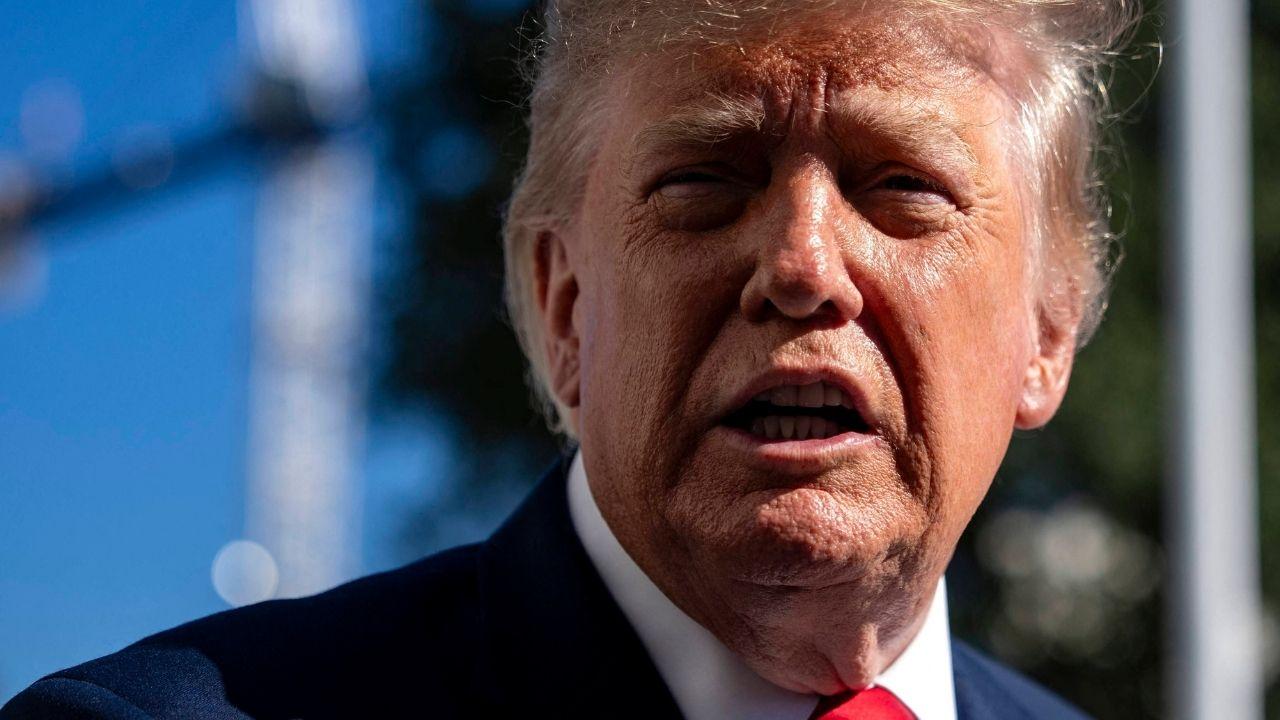
Trump's midterm defeat sparked fears of possible retaliation against global rivals.
While some hope the result will restrain the president, others fear he could respond by escalating tensions overseas.
For two years, countries have faced Trump's unpredictable approach to international relations, including sweeping tariffs, military action against Iran, aggression in Latin America and sudden changes in US policy towards Ukraine. His repeated demands of allies, including Canada, Germany and Japan have also unsettled governments across the globe.
Now, with Democrats controlling Congress, one major concern is whether Trump will seek distractions abroad rather than accept restrictions on his domestic agenda.
A political strategist told us: "A defeat of this scale could be seen by Trump as a direct challenge to his authority. There will be concern that he could look overseas for opportunities to demonstrate that he is still firmly in control.
"There is a genuine fear that domestic political pressure could translate into a more confrontational approach abroad, with the danger of Trump going completely berserk and launching a series of 'revenge' attacks and measures to reassert his feeling he is still a dominant power.
"America's allies are now watching very carefully. There is a feeling that nobody can afford to assume the United States will behave predictably, particularly when the president feels he has something to prove.
"Nobody should assume that a Democratic Congress also means an end to Trump's tariff threats. If anything, there may be concern that Trump will become even more determined to push through his brutal trade agenda.
"The biggest concern is uncertainty. Governments want stability and consistency, but they are preparing for the possibility of another period in which American foreign policy becomes increasingly difficult to predict.
"There is a real question about whether a weakened president becomes a more cautious president or a more unpredictable one.
"That is what governments around the world are trying to work out, and what they are fearful of."
Middle East Strike Fears And Persistent Tariff Threats
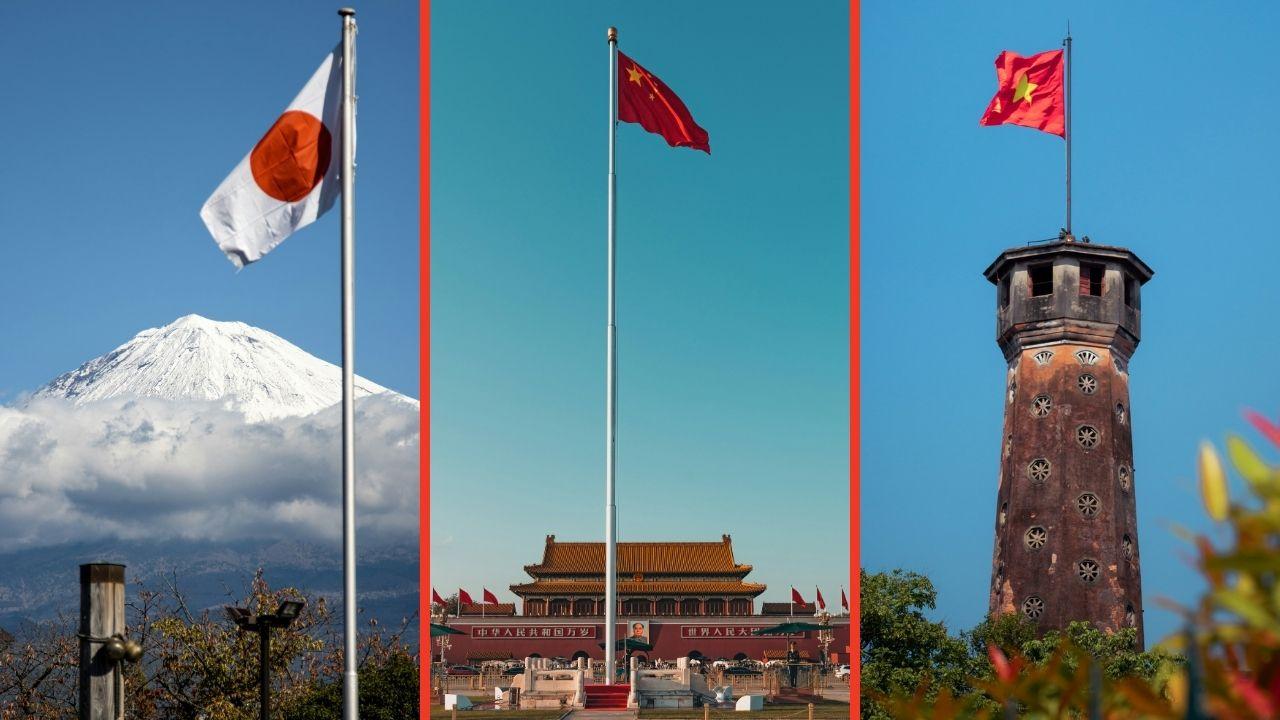
Japan, China and Vietnam faced fresh uncertainty over potential US tariffs.
Ja-Ian Chong, an associate professor of political science at the National University of Singapore, told the New York Times: "In response to a Democrat-controlled Congress, Trump could try to find distractions elsewhere, including on tariffs and the use of force."
The prospect of further military action against Iran is particularly worrying for Asian countries heavily dependent on Middle Eastern energy supplies.
Chong added: "In Southeast Asia, the main challenge has been inflationary pressure caused by the war in Iran. That's made everything a lot more expensive. Now there's hope for some sort of reprieve."
Concerns remain Trump could launch further strikes against Iran following the election, potentially worsening pressure on global oil and gas supplies.
Trade tensions are another major source of anxiety.
Japan, China and Vietnam are among the countries facing the prospect of additional US tariffs, with investigators already examining more than a dozen nations over alleged labor violations and overproduction.
Although Congress could use its budgetary and oversight powers to influence trade policy, Trump retains significant authority over tariffs.
Stephen Olson, a former US trade negotiator and visiting fellow at the ISEAS - Yusof Ishak Institute in Singapore, told the Times: "You might see Congress pushing for more tariff carve-outs and exceptions in categories that affect their constituents' pocketbooks."
Kazuhiro Maeshima, a professor of American politics and diplomacy at Sophia University in Tokyo, added to the publication: "People are deeply uneasy about the Trump administration's past actions and remain anxious about the future. While there is hope for change, whether that change will actually materialize is unknown."
US-China Strains And Taiwan Weapons Package
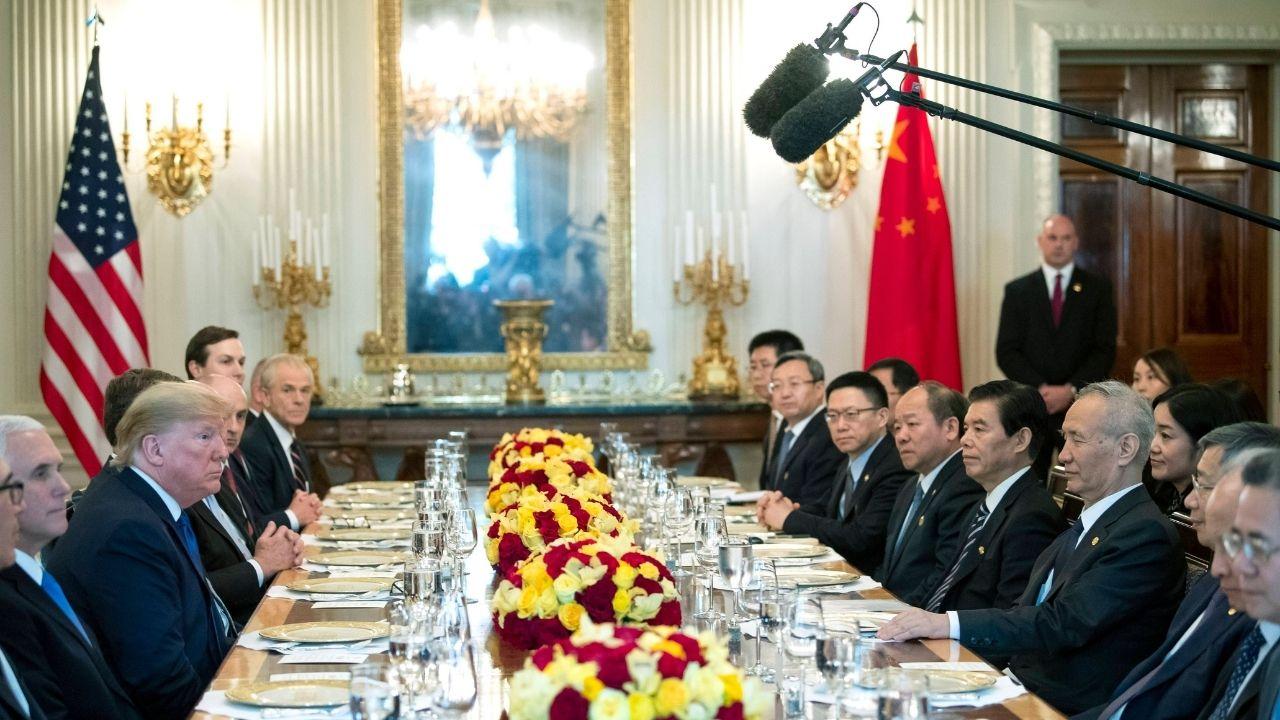
Experts warned the election results could complicate US-China relations.
Relations with China could also become more complicated.
Although both American political parties have increasingly adopted tougher positions towards Beijing, Chinese commentators have welcomed Trump's electoral setbacks.
Xu Shaolin, a commentator with nearly four million followers on Weibo, described the president as unreliable and suggested the congressional losses could leave him politically weakened.
Shi Yinhong, a professor of international relations at Renmin University in Beijing, has warned the Democrats' success could damage relations between Washington and Beijing, predicting an existing understanding between Trump and Chinese leader Xi Jinping could break down.
For Taiwan, however, the result could bring opportunities.
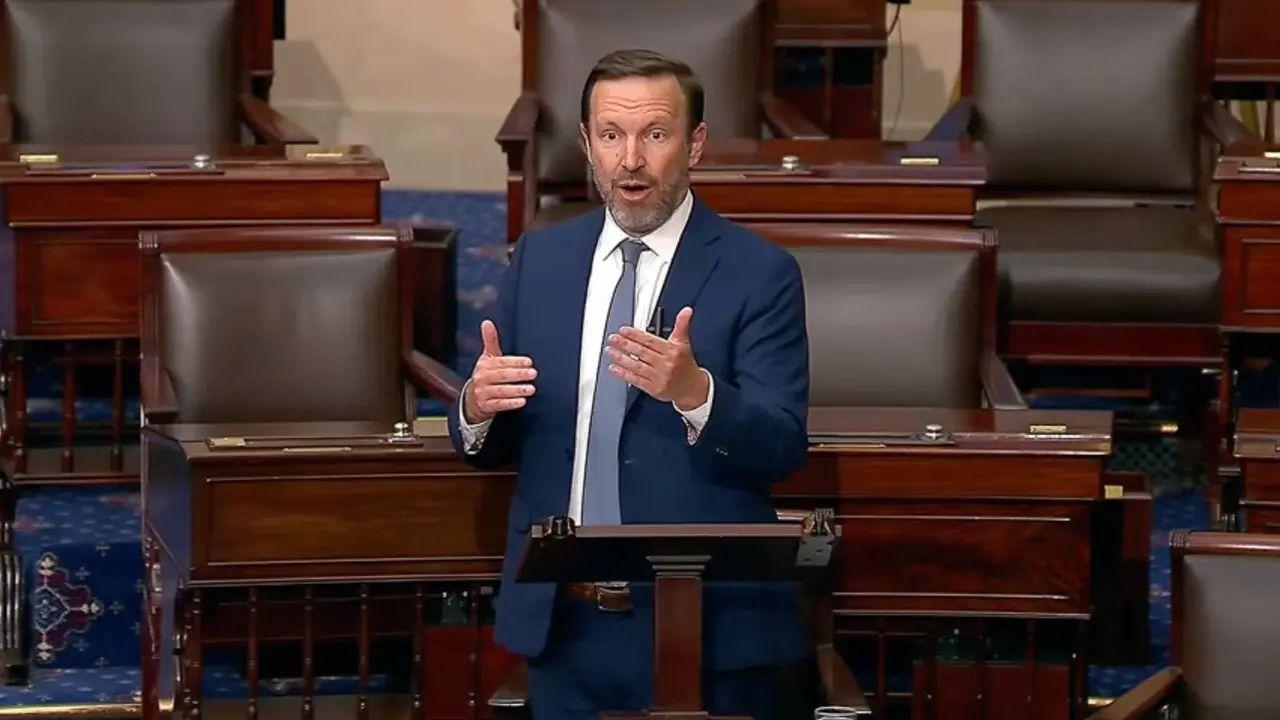
There are also fears a Democrat-led Congress might increase pressure on the White House to approve a long-delayed $14billion arms package to strengthen the island's defenses.

Allies Brace As Global Survey Reveals Low Trust
Never Miss an

Daily updates from the heart of Hollywood, right to your inbox
By entering your email and clicking Sign Up, you’re agreeing to let us send you customized marketing messages about us and our advertising partners. You are also agreeing to our Terms of Service and Privacy Policy.

Lawmakers weighed pushing a $14 billion arms package to protect Taiwan.
Meanwhile, traditional US allies are hoping for greater consistency from Washington.
Ryan Cox, a philosophy lecturer at the University of Sydney, said he hoped Democrats would "slow down the power of Trump" and accelerate "the end of the Trump era."
A Rockefeller Foundation poll covering 34 countries found that just 39 percent of respondents were comfortable with the United States leading on the world stage.
