


EXCLUSIVE: Danny Boyle Slammed After Revealing AI Use in His New Movie

Danny Boyle's new film, 'Ink,' is confirmed to feature AI.
Sept. 12 2026, Published 1:00 p.m. ET


Danny Boyle is facing savage criticism after revealing he embraced generative AI for his new movie Ink – despite publicly warning about the threat the technology poses to journalism, RadarOnline.com can reveal.
The 69-year-old Trainspotting director confirmed around 30 seconds of artificial intelligence-generated material appears in the film, which charts Rupert Murdoch's efforts to transform The Sun into a mass-market rival to the Daily Mirror, and the resulting rise of British tabloid journalism.
'There's About 30 Seconds of It in Our Movie...'

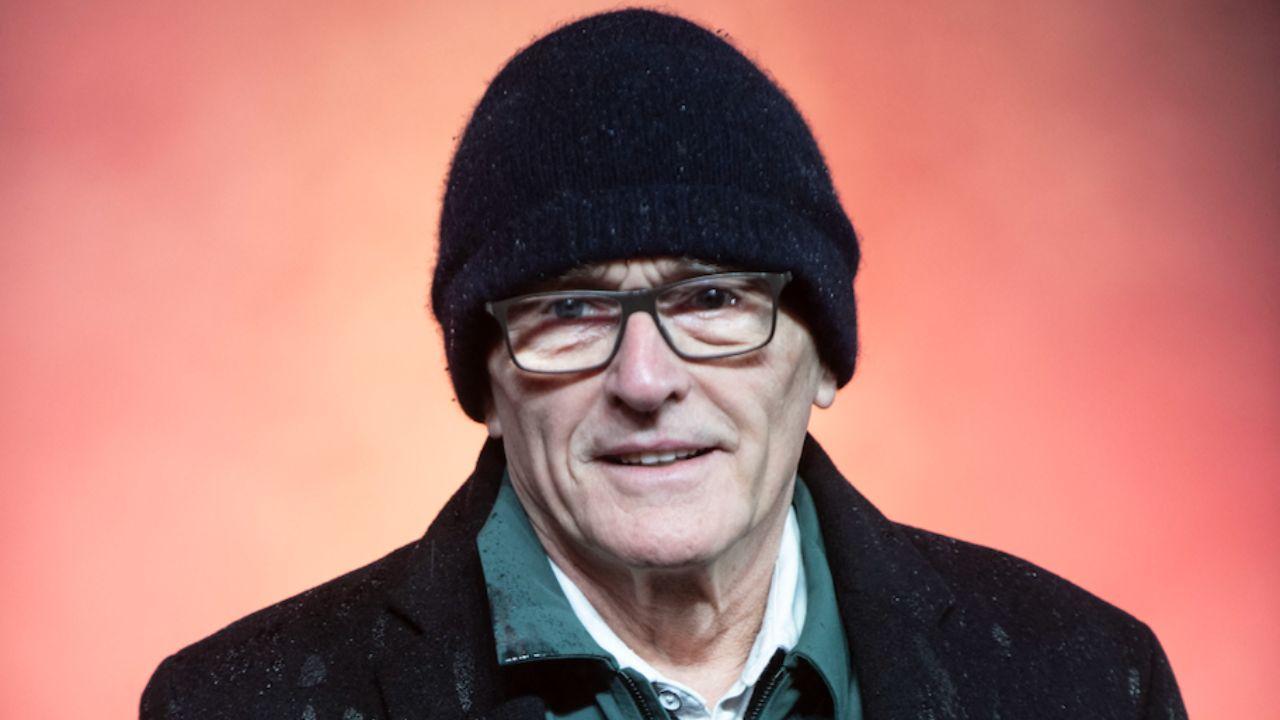
Boyle confirmed his new movie, 'Ink,' features AI.
AI was used to animate old photographs as well as create mice running through The Sun newsroom in Boyle's movie.
He told Vanity Fair: "There's about 30 seconds of it in our movie where we animate a couple of old photographs. Oh, and there's some mice. It's very good for animals, and we had some mice that run around The Sun newsroom."
His admission has proved hugely contentious because filmmakers' use of generative AI remains fiercely debated, particularly over its potential impact on creative jobs and performers.
A film industry source told Radar: "Danny's admission is going to disappoint people because he is exactly the kind of filmmaker audiences associate with human creativity and experimentation. Nobody is suggesting 30 seconds suddenly makes his new movie an AI movie, but critics will ask why those images and animals couldn't have been created by artists using established visual-effects techniques.
AI V. Hollywood
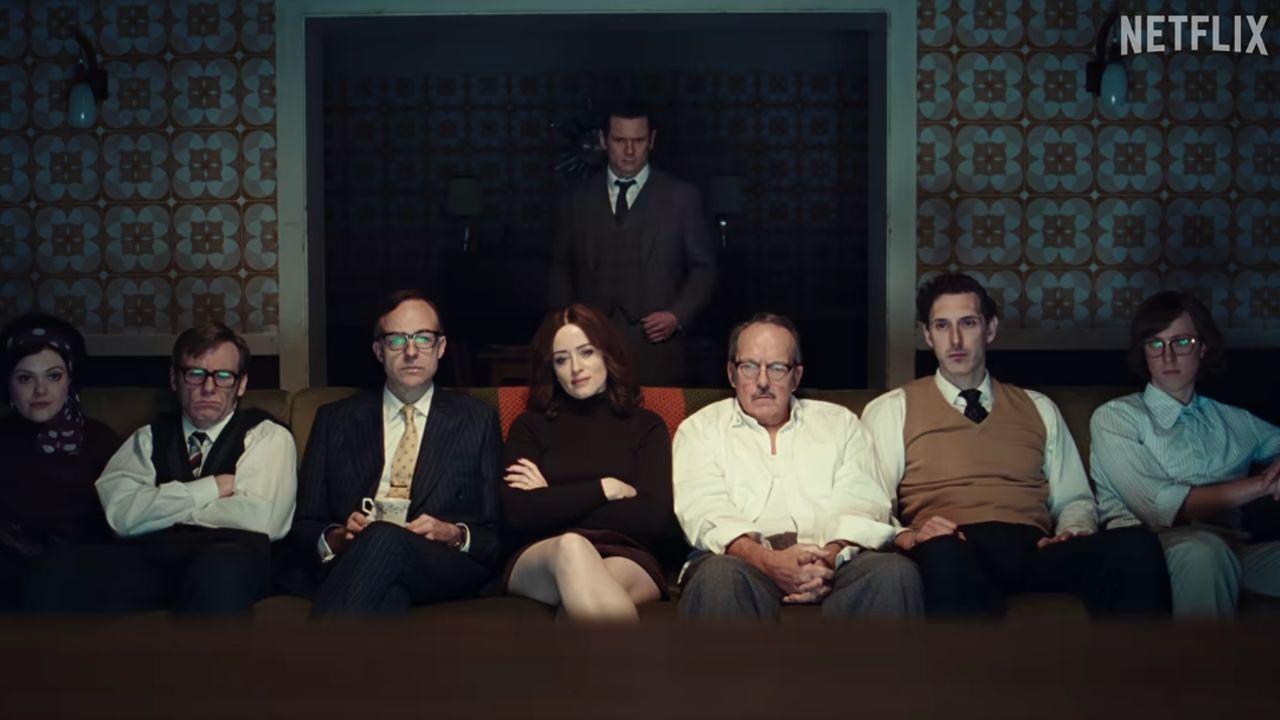
'There's about 30 seconds of it in our movie,' Boyle said of the film, 'Ink.'
"The uncomfortable part is that Danny is simultaneously warning about AI replacing journalists while describing it as a useful filmmaking tool. His position is more nuanced than simply being pro- or anti-AI, but that distinction may be lost when so many creative workers are worried about where this technology ultimately leads."
The insider continued, "For filmmakers, the argument is rapidly becoming less about whether AI can produce convincing images and more about what happens to the people who previously would have been paid to create them. Thirty seconds sounds insignificant, but opponents fear normalization starts with precisely these apparently minor uses.
"Danny has stressed that AI must be used respectfully and actors should be paid when their work is replaced. But the backlash demonstrates how little tolerance some audiences currently have for generative AI. For them, even limited use crosses a line."
Boyle's AI disclosure also creates a striking contrast with his warnings about the tech's possible effect on journalism.
Danny Boyle Defends Decision
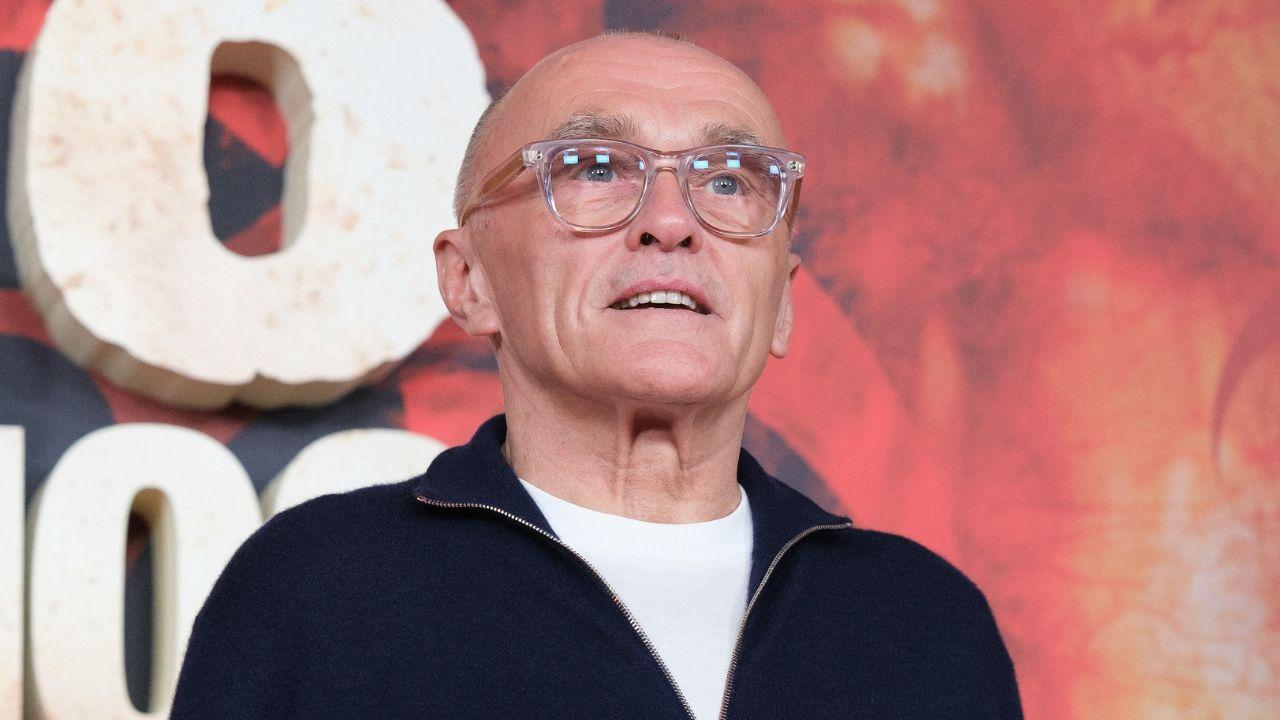
The director defended his decision, calling AI 'a 'useful tool.'
Speaking at the Venice Film Festival earlier in the week, Boyle said: "The danger with the tech giants and their AI is that they will be able to replace journalism. They'll be able to have an AI journalist who's much more efficient, cheaper, etcetera, etcetera, and will that AI journalist speak truth to the power that created it?"
But Boyle defended AI as a potentially valuable filmmaking tool when used responsibly – and stressed that actors should be compensated if their performances or likenesses are replaced.
He added: "It doesn't really matter what I think about AI. It matters what 20-year-olds think about it. Is the honest truth. My opinion of it is that it's a very useful tool in many ways, provided you use it respectfully and provided you pay actors if you're going to replace them with some kind of AI embodiment."
Boyle's use of the technology in his new film emerged following speculation that AI had helped reanimate archival photographs of notorious London gangsters Ronnie and Reggie Kray and former British prime minister Margaret Thatcher.

What Is 'Ink' About?

Never Miss an

Daily updates from the heart of Hollywood, right to your inbox
By entering your email and clicking Sign Up, you’re agreeing to let us send you customized marketing messages about us and our advertising partners. You are also agreeing to our Terms of Service and Privacy Policy.
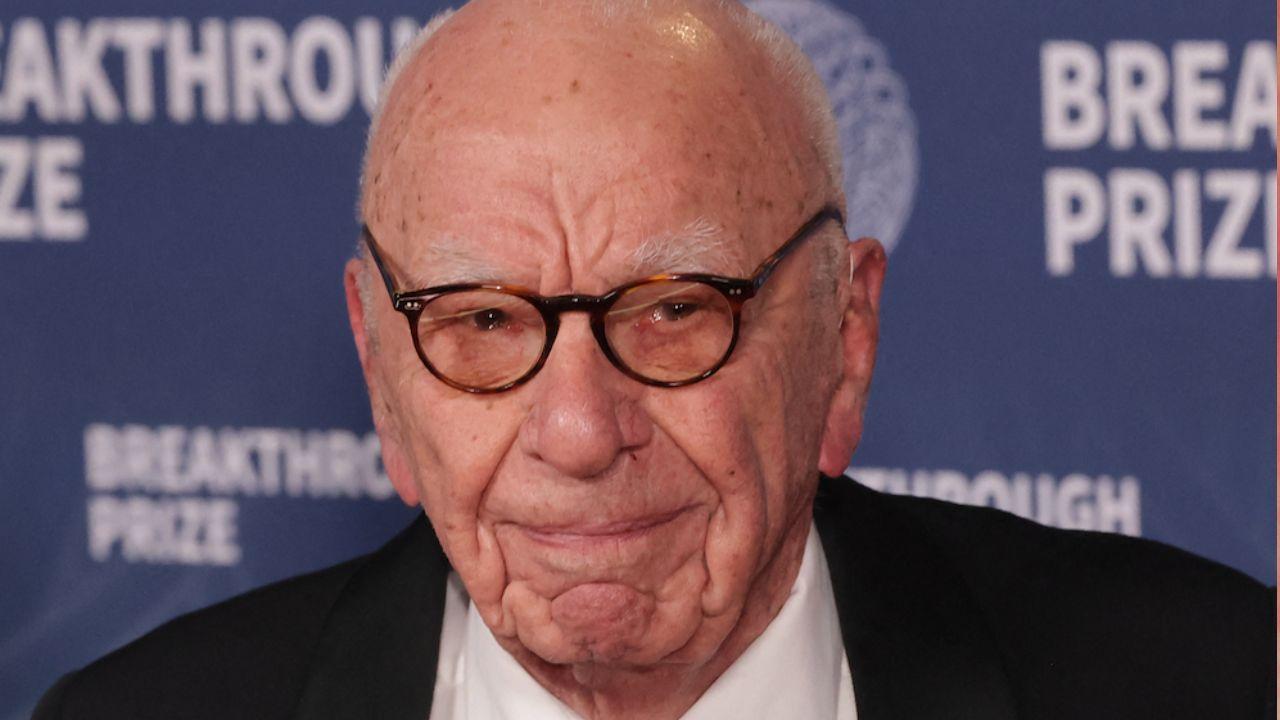
'Ink' follows the Britain's newspaper industry after Rupert Murdoch bought 'The Sun' in 1969.
Ink, adapted from James Graham's play of the same name, follows the transformation of Britain's newspaper industry after Murdoch bought The Sun in 1969.
Guy Pearce plays Murdoch, 95, while Jack O'Connell portrays Larry Lamb, the editor recruited to run the newspaper. Claire Foy plays Lamb's wife, Jules Davies.
A logline describes Ink as "an explosive cinematic rollercoaster about a group of visionaries and misfits who had an idea for a new kind of news – one that would give the people what they want and would change the face of the world we live in today."
Graham adapted his stage play for the screen. The project also reunites Boyle with Slumdog Millionaire producer Tessa Ross. Michael Ellenberg and Tracey Seaward are producing alongside Ross, with Tonia Davis serving as executive producer.
