


EXCLUSIVE: Clint Eastwood V John Wayne — We Go Inside Hollywood's Craziest Celeb Shoot-Out to Reveal Why the Biggest Western Icons of All Time Were Worlds Apart

Clint Eastwood and John Wayne became Western icons, but their lives and views differed greatly.

July 1 2026, Published 8:00 a.m. ET


In High Plains Drifter, a mysterious man arrives in a corrupt mining town and extracts a version of justice unlike that seen in most Western films of the past, RadarOnline.com can reveal.
In this 1973 film starring and directed by Clint Eastwood, there are few clear good guys and bad guys. There are only lawmen, gunslingers and townspeople out to serve their own interests.

Two Visions
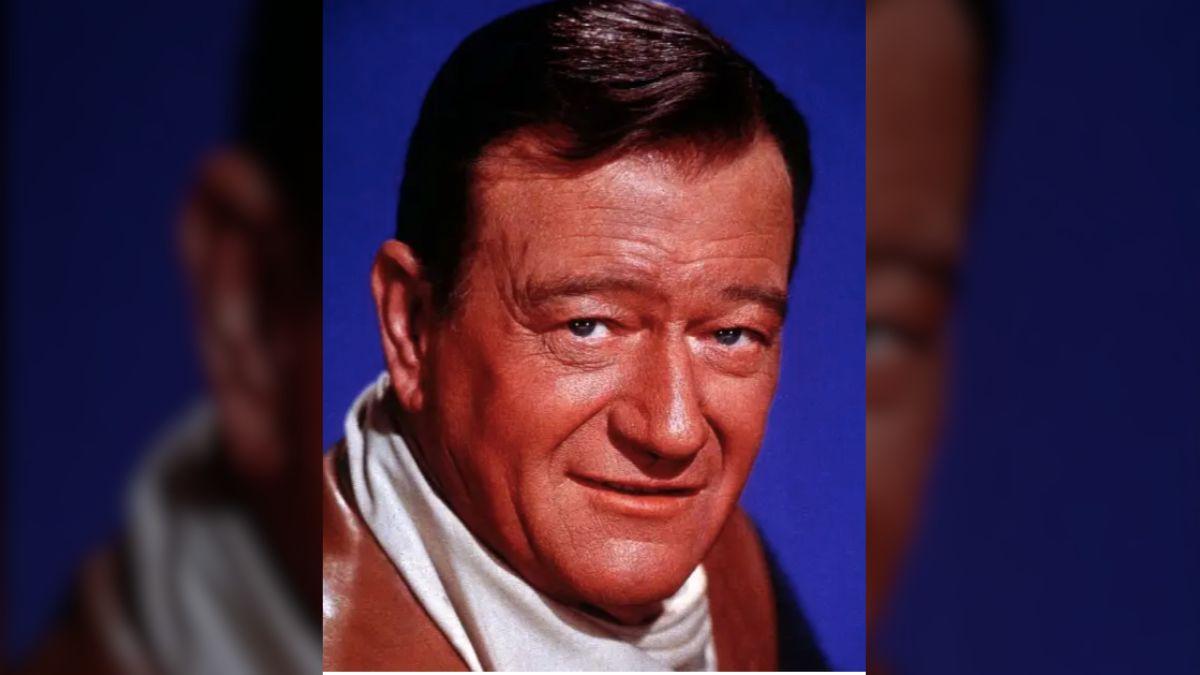
John Wayne wrote to Clint Eastwood criticizing 'High Plains Drifter,' saying it did not reflect the people who pioneered the American West.
It's no surprise that John Wayne, hero of the American Western, hated it. In fact, he disliked it enough to write a letter to the younger star telling him so. He said it wasn't really about the people who pioneered the West," Eastwood said, adding he meant his movie to be an allegory. "I realized that there's two different generations and he wouldn't understand what I was doing."
As America's most famous Western star, Wayne felt obliged to uphold certain ideals. "He was sensitive about the drift toward nihilism and probably felt a little threatened," said Scott Eyman, author of John Wayne: The Life and the Legend.
It also may have been a little personal. A few years earlier, Wayne turned down Dirty Harry, the 1971 film that made Eastwood a superstar.
"I thought Harry was a rogue cop," said Wayne. "I saw the picture, and I realized that Harry was the kind of part I'd played often enough – a guy who lives within the law but breaks the rules ... to save others."
The West Changed Forever

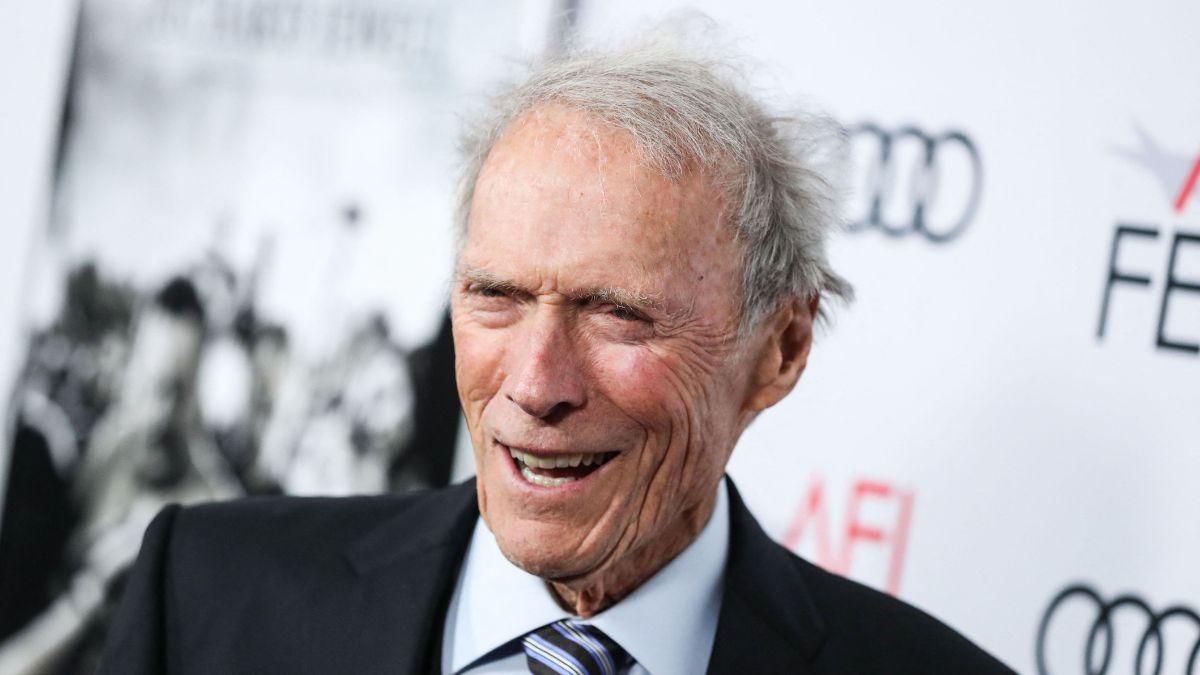
Scott Eyman said Wayne remained committed to traditional Westerns as audience tastes shifted during Eastwood's rise.

Never Miss an

Daily updates from the heart of Hollywood, right to your inbox
By entering your email and clicking Sign Up, you’re agreeing to let us send you customized marketing messages about us and our advertising partners. You are also agreeing to our Terms of Service and Privacy Policy.
Eastwood and Wayne never worked together, but they did meet when Eastwood visited the set of 1976's The Shootist.
"John persisted with 'comfort Westerns,' some of which made money," said Eyman.
But things were changing. "Different times, different audiences, different tastes."
