


Canada to End Border Permit Program Used by 10,000 Americans as New Entry Rules Take Effect December 1

Canada is ending a long-running border permit
Nov. 28 2026, Published 10:33 a.m. ET


Canada is preparing to shut down a decades-old border permit program used by nearly 10,000 Americans annually, replacing it with mandatory reporting requirements for travelers entering through remote northern areas.
RadarOnline.com reports that the Canada Border Services Agency (CBSA) will permanently close its Remote Area Border Crossing (RABC) Program on December 1, 2026, ending a system that allowed approved travelers to enter certain parts of Canada without reporting to a staffed border crossing.
The agency says approximately 11,000 people have historically participated in the program each year, with Americans accounting for roughly 90 percent.
Existing permits will remain valid until 11:59 p.m. on November 30, but new applications are no longer being accepted.
What The RABC Permit Allowed Before

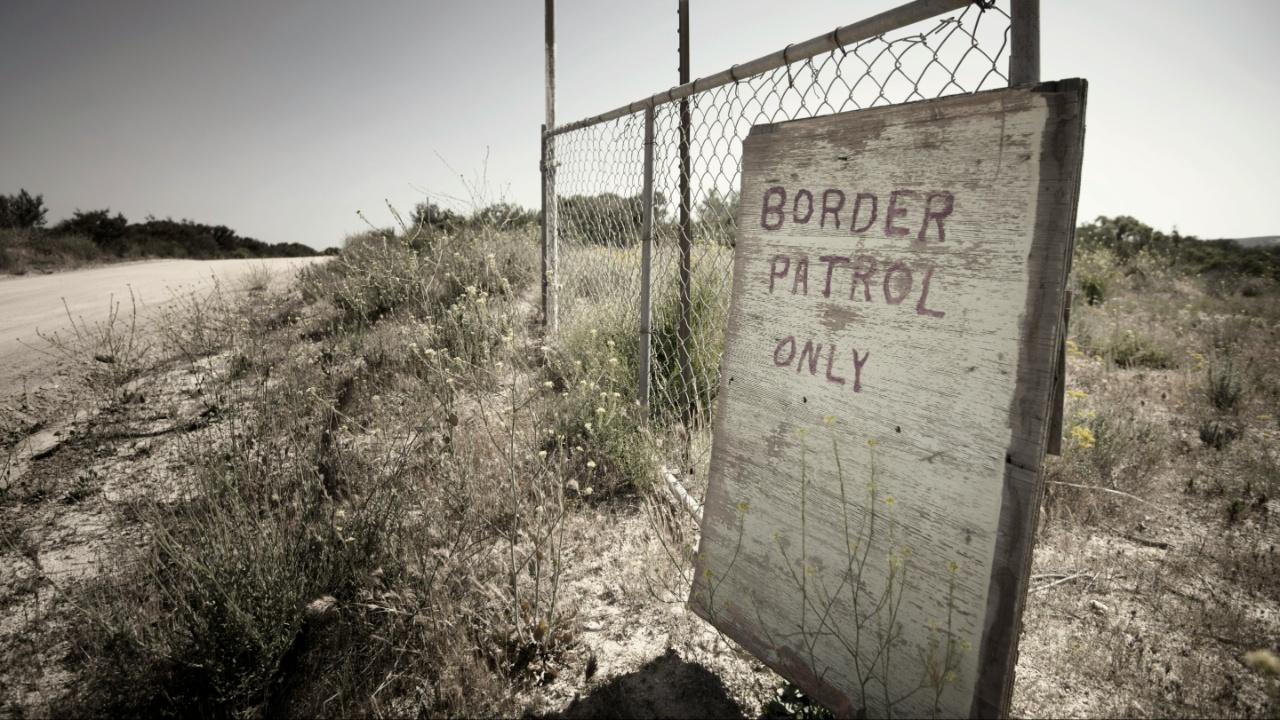
The RABC program allowed people to cross to Canada without reporting at a staffed port of entry
Introduced in 1991, the RABC program provided a simpler way for eligible Canadian and American citizens and permanent residents to enter designated remote areas without physically presenting themselves at a port of entry.
The arrangement was particularly useful for people traveling through isolated waterways and communities along the Canada-U.S. border.
Covered locations include the Northwest Angle, the route from Pigeon River through Lake of the Woods, the Canadian shore of Lake Superior, the upper lock system at Sault Ste. Marie and Cockburn Island.
Permit holders could travel within those designated areas without making a routine in-person border report. However, they were still required to carry their permits and declare goods brought into Canada.
What Changes From December 1

Travelers have to call the CBSA Telephone Reporting Centre
Starting December 1, travelers entering Canada through the affected remote areas will have to report to the CBSA at a port of entry or an officially designated telephone reporting site.
Unlike the previous arrangement, having an annual permit will no longer exempt travelers from reporting each time they cross the border.
Those using telephone reporting sites must contact a CBSA officer and provide information about their journey, passengers and vehicle or vessel. They must also declare everyone traveling with them and all goods being brought into Canada.
Travelers cannot simply make a call and continue their journey automatically. Border officers will determine whether they can proceed or need additional examination.
Why Canada Says It Is Ending The Program
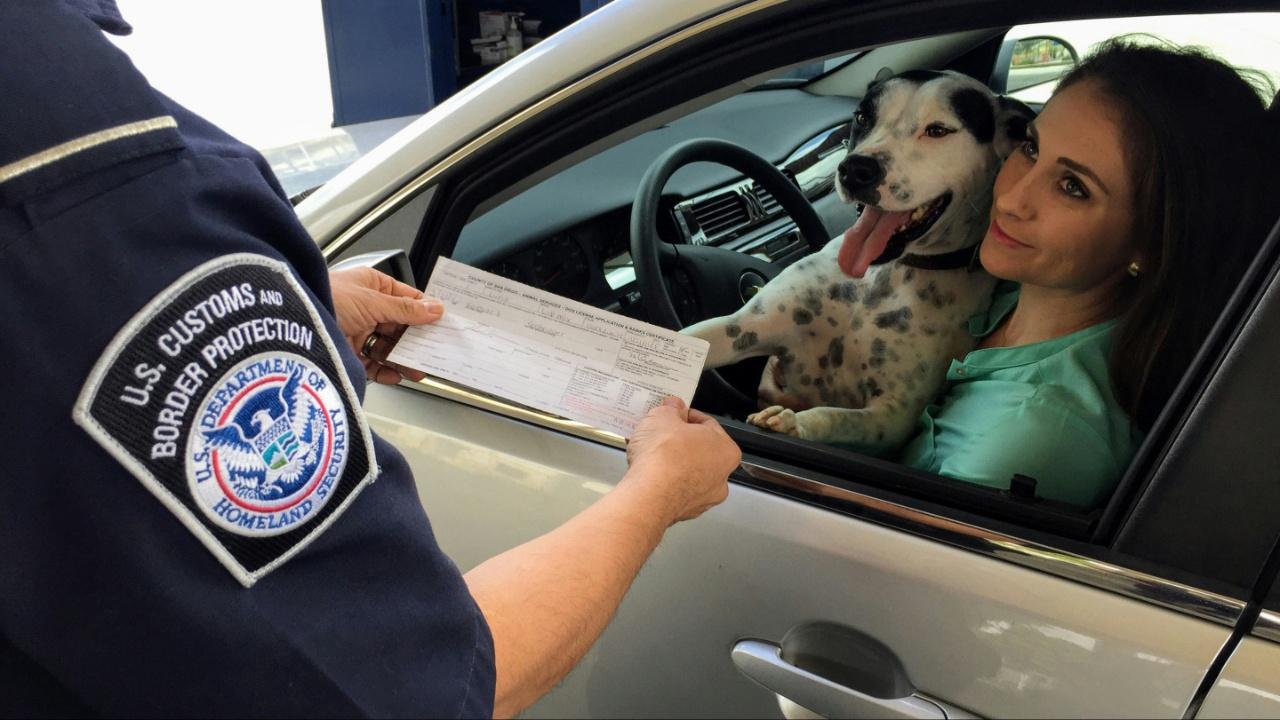
CBSA said it aligns with how travelers report to U.S. Customs and Border Protection
The CBSA says replacing the RABC system will strengthen border integrity and establish consistent reporting requirements for people entering Canada through remote locations.
The agency also says the change brings Canada's procedures more closely in line with those used by U.S. Customs and Border Protection in remote border areas.
In an August 10 announcement, the agency said it would consult Indigenous communities, local businesses and law enforcement partners before establishing new telephone reporting locations.
However, the transition has since progressed. In a November 25 update, the CBSA confirmed that 17 designated telephone reporting sites were already operational, with additional locations expected to be added as they become available.


What Happens If Travelers Do Not Report

Never Miss an

Daily updates from the heart of Hollywood, right to your inbox
By entering your email and clicking Sign Up, you’re agreeing to let us send you customized marketing messages about us and our advertising partners. You are also agreeing to our Terms of Service and Privacy Policy.

CBSA has warned that failing to report can lead to certain actions, including detention
The CBSA has warned that failing to report an arrival can trigger enforcement action, including monetary penalties, seizure of goods or vehicles, and possible criminal charges under the Customs Act.
The agency has not specified a universal $1,000 starting penalty for this particular change, so travelers should not assume that amount applies in every case.
Active permits remain valid through November 30, but previously expired permits cannot be extended under the new arrangements.
Travelers planning to use the affected crossings should check the CBSA's official directory for their designated reporting location and operating hours before setting out.
