


Can Lana Nusseibeh Bring the UN Back to the Heart of Global Diplomacy?

Oct. 29 2026, Published 12:08 p.m. ET


The United Nations is facing a difficult moment in its history. Wars are spreading, divisions among the major powers are blocking consensus, and financial crises are putting pressure on an organization that is being asked to do more with fewer resources.
In the United States, which hosts the organization's headquarters and is one of its largest funders, debate has resurfaced over the UN's efficiency and its ability to deliver tangible results.
But the question goes beyond the budget: how can international diplomacy regain its ability to function in a world of growing competition and declining trust?
With Secretary-General António Guterres's term due to end in late 2026, the choice of his successor is emerging as a test of the answer to that question. The post requires leadership able to manage divergent interests and turn the narrow spaces available for consensus into practical steps.
In a world of widening divisions and declining trust in international cooperation, does Lana Nusseibeh have the experience and vision to return the United Nations to the centre of global diplomacy?
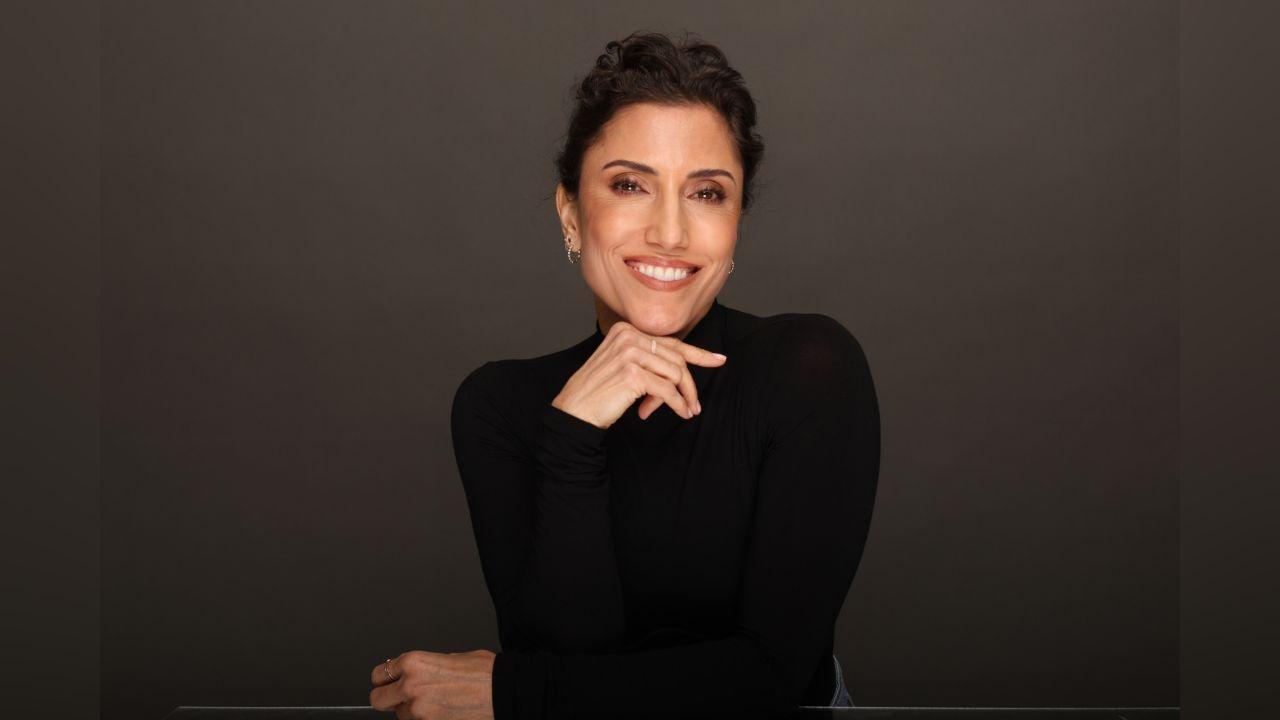
It is against this backdrop that Emirati diplomat Lana Nusseibeh has entered the race to lead the organisation, bringing more than a decade of experience in the corridors of the UN, including two years representing her country on the Security Council. Ms Nusseibeh believes that restoring trust depends on acting early in the face of crises and bringing different parties together around tangible results.

Experience Inside a Divided Institution
Ms Nusseibeh knows the UN from the position of a negotiator and consensus-builder. She served as the UAE's Permanent Representative to the organization from 2013 to 2024, and twice held the presidency of the Security Council during her country's membership in 2022 and 2023. She also took part in efforts to reform the council and revitalise the work of the General Assembly.
During that period, the council dealt with acute crises at a time when reaching agreement among its members had become more difficult. In such an environment, a candidate's experience in negotiating texts that can be agreed and implemented appears to be an important factor in assessing their ability to lead the organization.
One example is Resolution 2720 on humanitarian aid to Gaza, adopted by the Security Council in December 2023 after negotiations on a draft prepared by the UAE. The resolution called for the appointment of a senior UN coordinator for humanitarian affairs and reconstruction, and the establishment of a mechanism to facilitate and accelerate aid shipments to the territory.
The negotiations saw disagreements among council members, but the resolution's adoption showed that it was possible to reach a common formula on a humanitarian response, even amid sharp divisions over the war.
Ms Nusseibeh, who led this effort with distinction before the council, noted that a visit by some of its members to the region had left a deep impression on them about the humanitarian situation.
Building Consensus on Cross-Border Issues
The work of the Emirati mission under Ms Nusseibeh's leadership extended to other files related to the causes of conflict and the protection of rights. These included Resolution 2686, prepared by the UAE and the United Kingdom, which addressed the link between hate speech, racism and extremism and the persistence of conflict. The UAE also co-led efforts on Resolution 2681, which condemned the Taliban's ban on Afghan women working for the UN in Afghanistan.
These files reflect part of Ms Nusseibeh's experience in bringing together countries with differing positions and priorities around shared texts – a task at the core of the work of any secretary-general seeking to keep channels of cooperation open when politics falters.
Results-Focused Diplomacy
In announcing her candidacy, Ms Nusseibeh linked the future of the UN to its ability to narrow the gap between commitments and results. She said her experience had shown her what diplomacy can achieve when deeply divided countries find common ground, as well as the cost of its failure and the erosion of trust when promises are not turned into action.
Her vision for the organization prioritizes early diplomacy, strengthening cooperation on development and human rights, and reforming working methods to focus on results – priorities that tie into the ongoing debate in Washington and other capitals over how to make international institutions more responsive and effective.
Following her dialogue with UN member states, Ms Nusseibeh said that, if appointed, she would seek to be a driving force in mediation efforts.
A Historic Opportunity and Practical Experience
If chosen, Ms Nusseibeh would become the first woman to hold the post of secretary-general since the UN was founded. But the Emirati diplomat stresses that her motivation for running relates to her vision for the organization's future.
When announcing her entry into the race, she said it would be good for the next secretary-general to be a woman, adding that she was standing because of her optimism about the UN's future and her belief in the need for leadership that continues the tireless pursuit of diplomacy.
Her candidacy has also received collective backing from the Gulf Cooperation Council states, which announced their unanimous support – a sign of regional backing for a candidate who has spent a significant part of her career addressing multilateral international issues.
As the selection process moves into its decisive stages, Ms Nusseibeh is presenting member states with a combination of experience inside the organization and a vision calling for more proactive diplomacy. At a time when the world is searching for ways to restore the effectiveness of international action, the ability to bring differing parties together around shared results will remain one of the most important criteria in choosing the next leader.
Never Miss an

Daily updates from the heart of Hollywood, right to your inbox
By entering your email and clicking Sign Up, you’re agreeing to let us send you customized marketing messages about us and our advertising partners. You are also agreeing to our Terms of Service and Privacy Policy.
