


EXCLUSIVE: Archaeologists Claim Jesus' Tomb Has Finally Been Found

Archaeologists claim Jesus' tomb has finally been found, reporting the discovery of his burial site.

Oct. 2 2026, Published 6:00 a.m. ET


An $11million restoration project seemingly uncovered something priceless: the tomb of Jesus Christ, RadarOnline.com can reveal.
As workers embarked on an extensive multiyear restoration of the floors and plumbing at Jerusalem's Church of the Holy Sepulchre, archaeologists were allowed to excavate beneath the centuries-old structure – and now they say they've discovered an ancient site that matches biblical descriptions of where the Son of God was buried before his miraculous resurrection.
Archaeologists Find Evidence of Ancient Burial Site


Francesca Romana Stasolla reported evidence of a funerary landscape beneath the Church of the Holy Sepulchre.
"We have found evidence of a funerary landscape," confirms lead archaeologist Francesca Romana Stasolla, a professor of Christian and medieval archaeology at Sapienza University of Rome.
Believers have long been convinced that the church in Israel – which was first dedicated in the fourth century and later rebuilt – sat over Jesus' temporary grave, with roughly 4million Christian pilgrims flocking to its doors each year.
This may be the first time experts have found such compelling clues to support the belief, though.
After being nailed to a cross by soldiers under the orders of the Roman governor of Judea, Pontius Pilate, Jesus was said to be laid to rest in a tomb carved into rock that was set inside a garden near the crucifixion spot (which is sometimes referred to as Calvary).
"The gospel mentions a green area between the Calvary and the tomb," noted Stasolla. "We identified these cultivated fields."
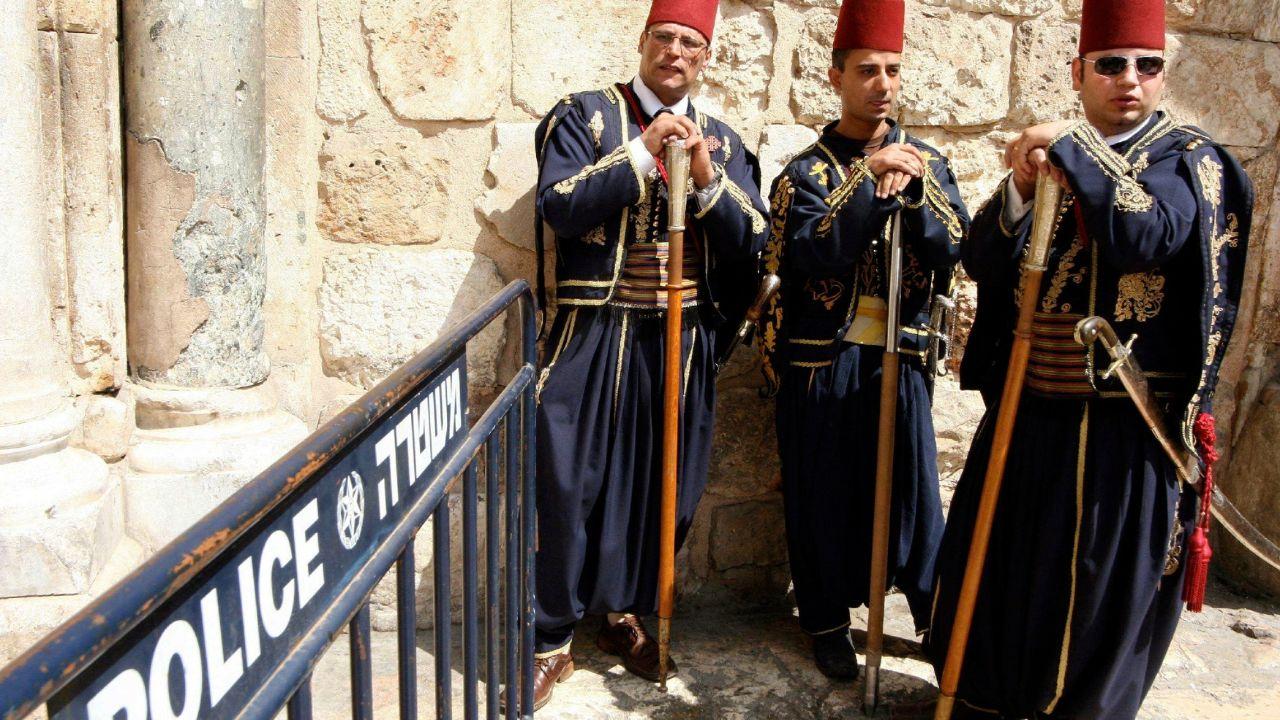
Cultivated fields identified by Stasolla's team match gospel descriptions of greenery near Jesus' tomb.
According to Stasolla, the team digging at the Church of the Holy Sepulchre saw signs of "small areas planted with vines and olive trees" as well as "pastoral landscape characterized by sporadic human activity."
The presence of plant life was identified through archaeobotanical and pollen analysis on samples retrieved from the area beneath the floor.
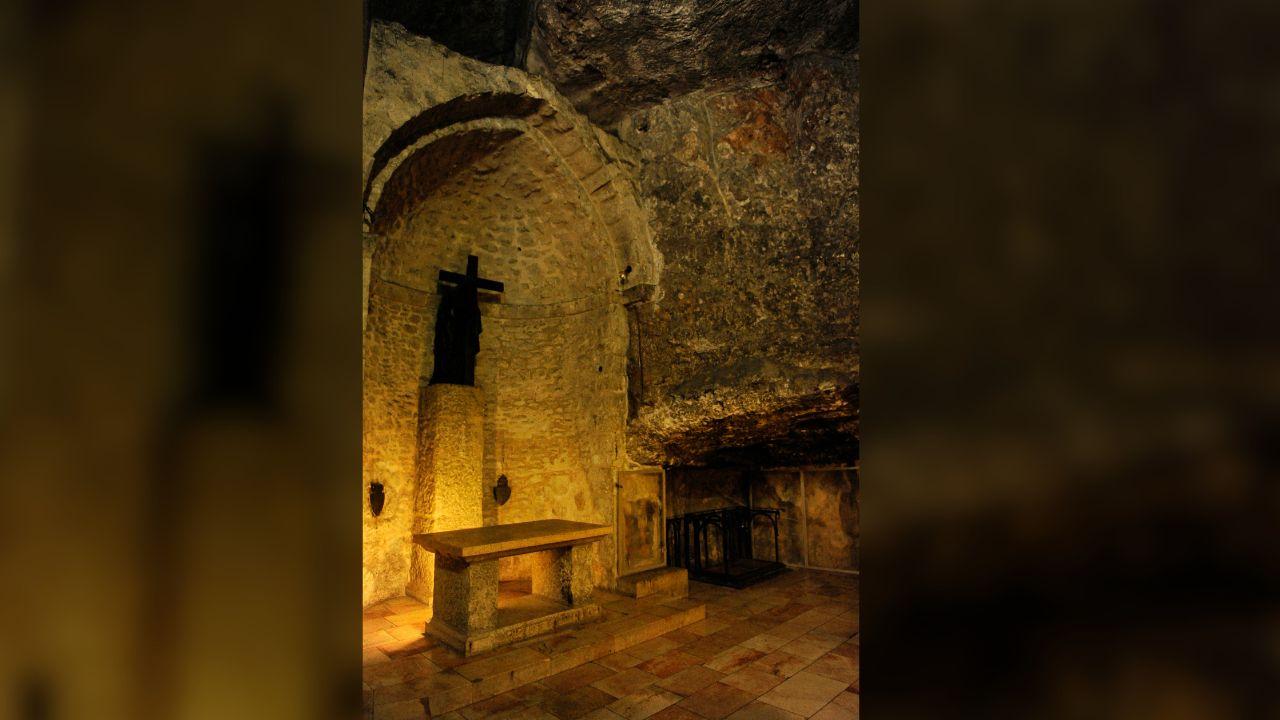
Alongside the cultivated land and garden, Stasolla and her fellow experts unearthed an abandoned quarry beneath the church.
It apparently stood outside Jerusalem's ancient walls during Jesus' lifetime but remained close to the city – a detail that fits biblical descriptions of the crucifixion taking place outside the city gates.
Ancient Graves Match Biblical Accounts of Jesus' Burial
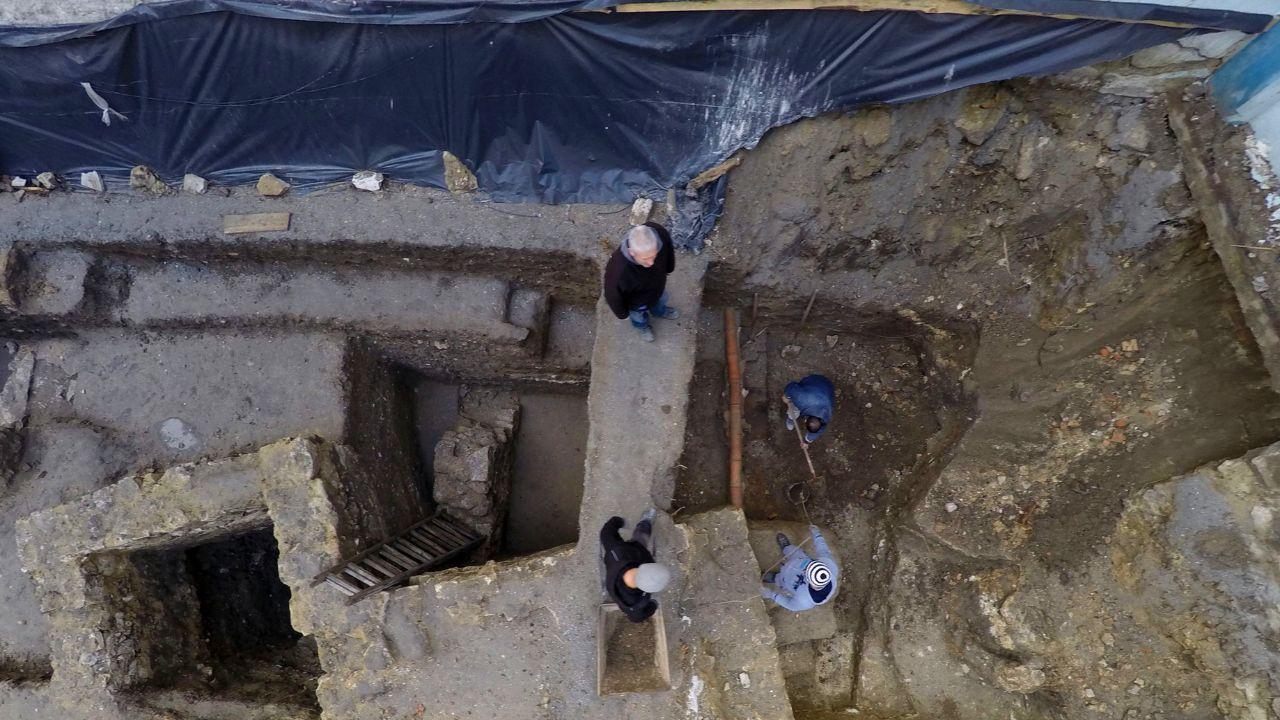
Archaeologists unearthed an abandoned quarry beneath the church.
Cut into the quarry's exposed surfaces are numerous graves, also just as the Bible recounted. The Gospels of Matthew, Mark and Luke each tell of Jesus' body being placed in a chamber made of rock.
Meanwhile, John 19:41-42 reads: "Now in the place where he was crucified there was a garden; and in the garden a new sepulchre, wherein was never man yet laid. ... They laid Jesus there."
As sacred scripture tells it, Jesus rose from the dead nearly 2,000 years ago after lying in his stone tomb for three days. Though there's no physical evidence to place him anywhere underneath what is now the Church of the Holy Sepulchre, archaeologists' modern-day discovery supports the belief that early Christians preserved the exact location of Jesus' grave.
Ancient Site Became Shrine to Jesus' Burial
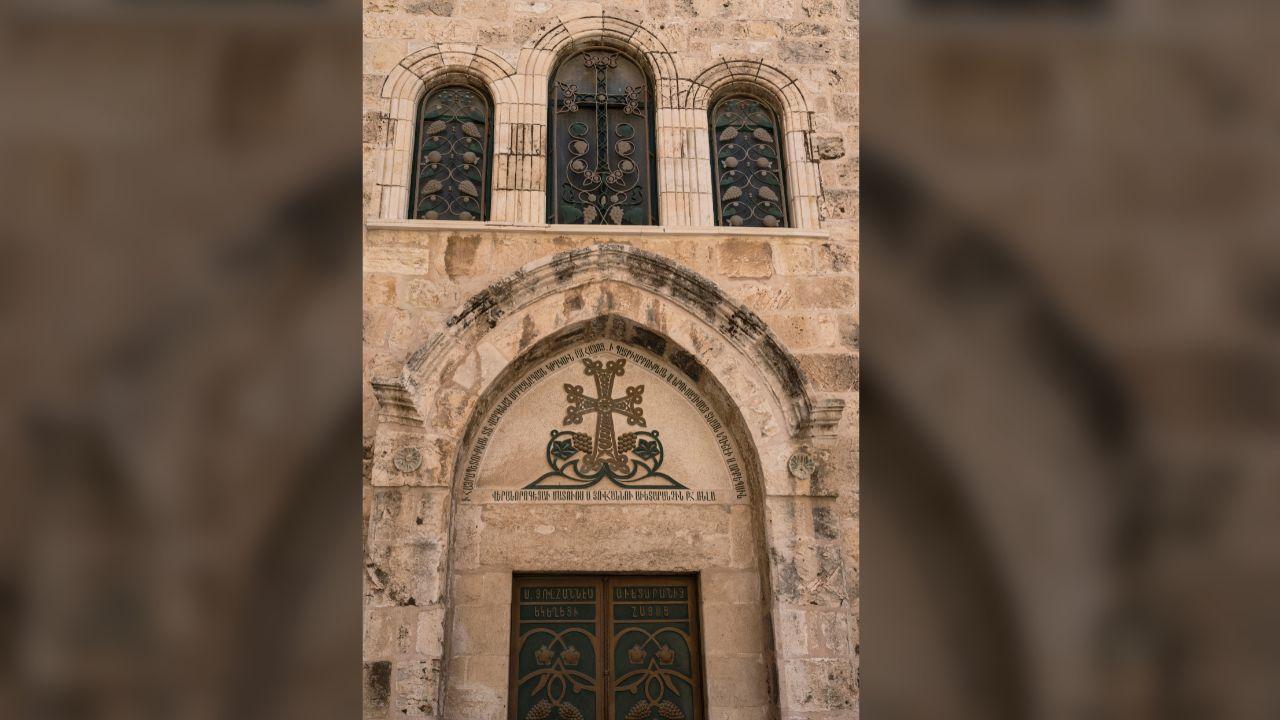
No physical evidence places Jesus beneath the Church of the Holy Sepulchre.
Roman Emperor Constantine's workers were supposedly the first to expose the venerated site, which had spent decades hidden below a pagan temple. Once the burial spot was excavated in the 300s, they created a shrine around it and erected the original Church of the Holy Sepulchre.
"The archaeological area beneath the Church of the Holy Sepulchre reveals the long history of a part of Jerusalem that, in the early fourth century AD, underwent the monumentalization of Christological memory," said Stasolla.
"In this case, I believe that the archaeological evidence should be used primarily to understand the places and contexts in which Christian memory took shape and became firmly established."
Over the ensuing centuries, the church was destroyed and restored multiple times, with much of the current complex dating back to 1810.
Archaeology Supports Centuries-Old Christian Tradition
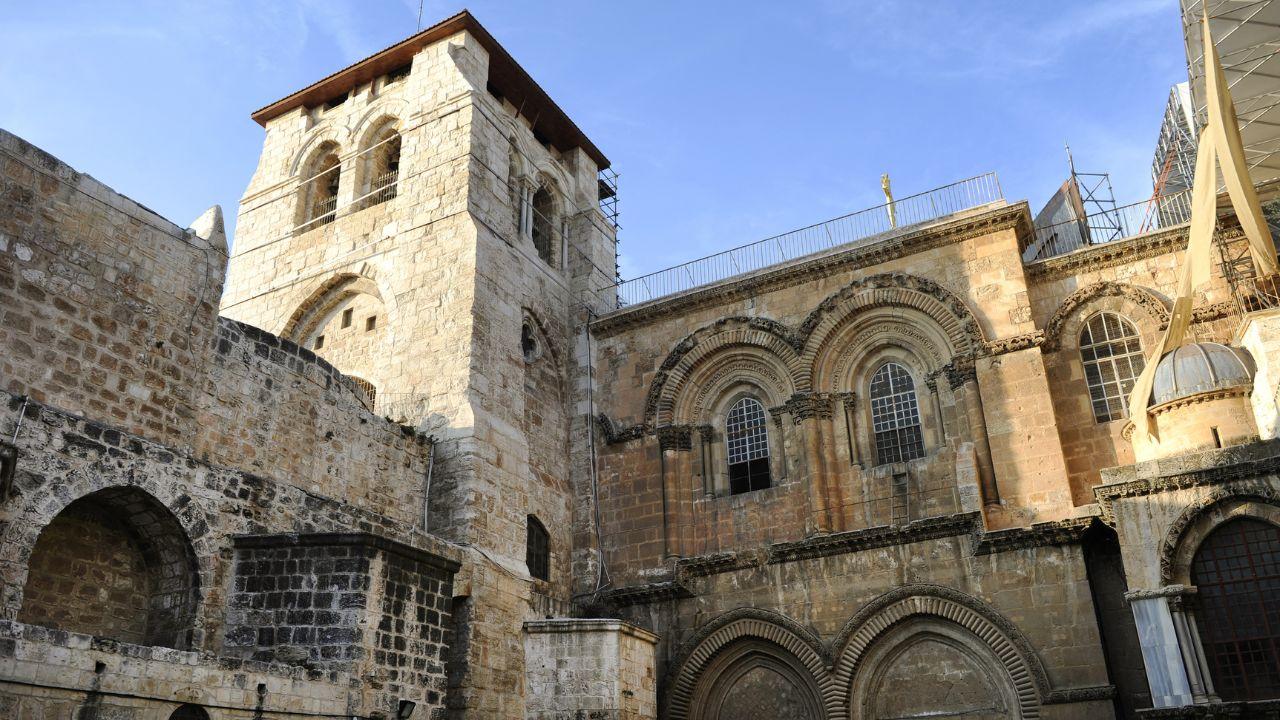
Emperor Constantine's workers reportedly built a shrine around the burial site in the 300s.
"The Church of the Holy Sepulchre gives monumental form to the sites where, since very early times, tradition has located the memory of Christ's death and resurrection," added Stasolla. "Archaeology undoubtedly attests to the enduring nature of this commemorative tradition."
Elsewhere in Israel, another team of archaeologists recently made a biblical discovery of their own.
Following a decade of painstaking searches, the humanities professionals are "absolutely" certain they've located the once-lost city of Bethsaida, where Jesus is believed to have performed some of his biggest miracles prior to his execution.
"Everything we bring out of the ground affirms and strengthens that identification," insisted the excavation's academic director Dr. Steven Notley. "Nothing that we have found would challenge it at all."
Ancient City Linked to Jesus' Miracles


Dr. Steven Notley said excavated findings support his team's identification of Bethsaida.

Never Miss an

Daily updates from the heart of Hollywood, right to your inbox
By entering your email and clicking Sign Up, you’re agreeing to let us send you customized marketing messages about us and our advertising partners. You are also agreeing to our Terms of Service and Privacy Policy.
The ancient community was associated with some of the Savior's most famous miracles, including healing a blind man and feeding thousands with five loaves of bread and two fish. It was also believed to be the home of his apostles Peter, Philip and Andrew.
Said Notley: "I have no difficulty seeing Jesus spending considerable time there."
He spent much less time in the grounds below the Church of the Holy Sepulchre, if that's indeed his burial site.
While some argue another ancient location in Jerusalem, the Garden Tomb, is where Jesus laid for three days ahead of his resurrection, most Christian believers agree that he stayed on Earth for another 40 days after coming back to life, teaching his disciples about the kingdom of God, before ascending to heaven.
Archaeologists Hope to Reconstruct Full Picture of Ancient Site
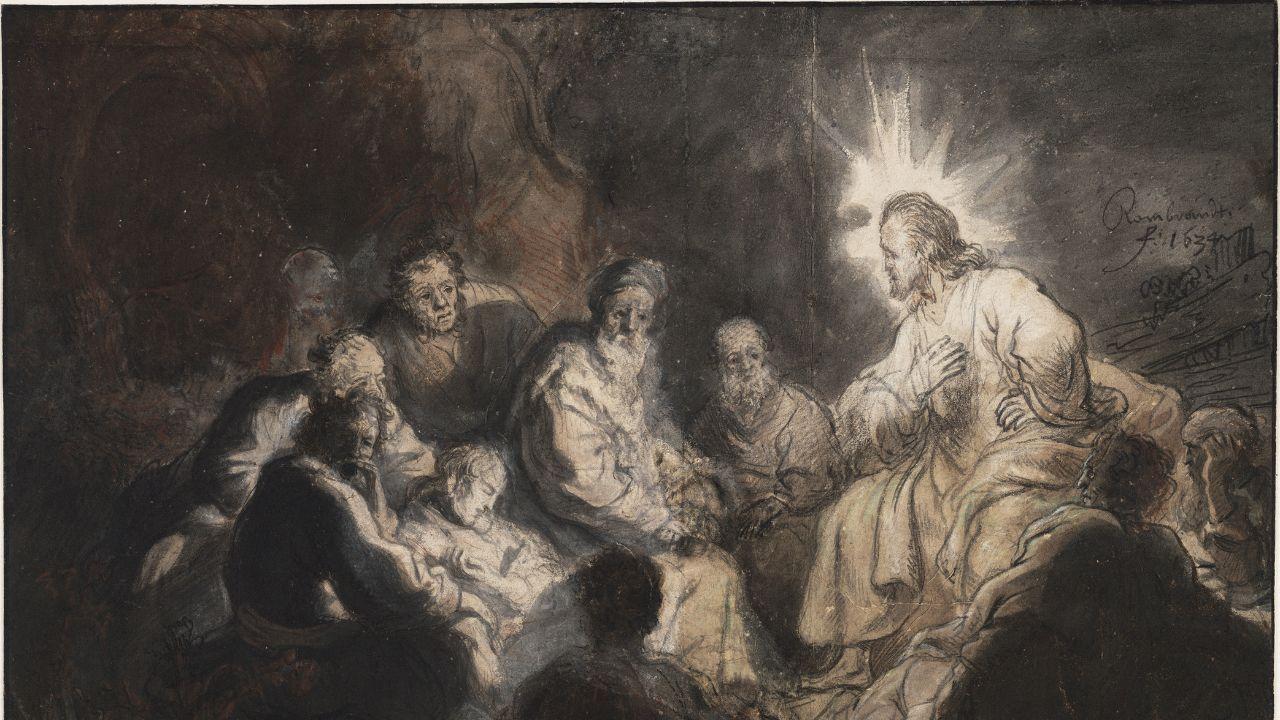
Bethsaida was believed to be the home of apostles Peter, Philip and Andrew.
Twenty centuries later, there's still so much to learn, including at the Church of the Holy Sepulchre.
"While we have not been able to see the entire church excavated in one glance, new technologies are allowing us to reconstruct the bigger picture in our labs," shared Stasolla.
"If we were talking about a puzzle, we could say we are only excavating one piece at a time, but eventually, we will have a complete multimedia reconstruction of the full picture."
